










Product Details
Product Overview
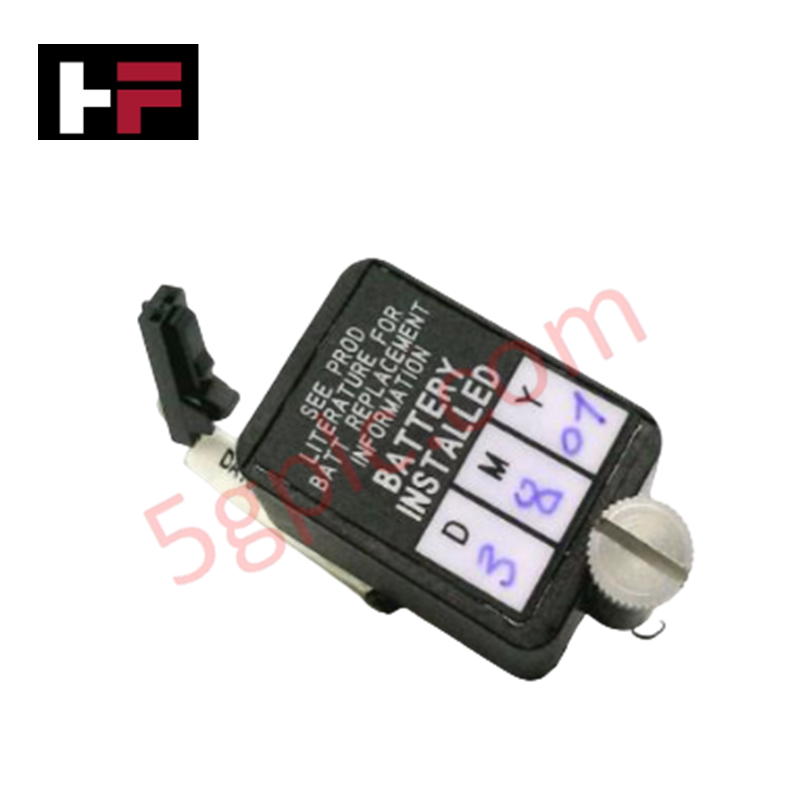
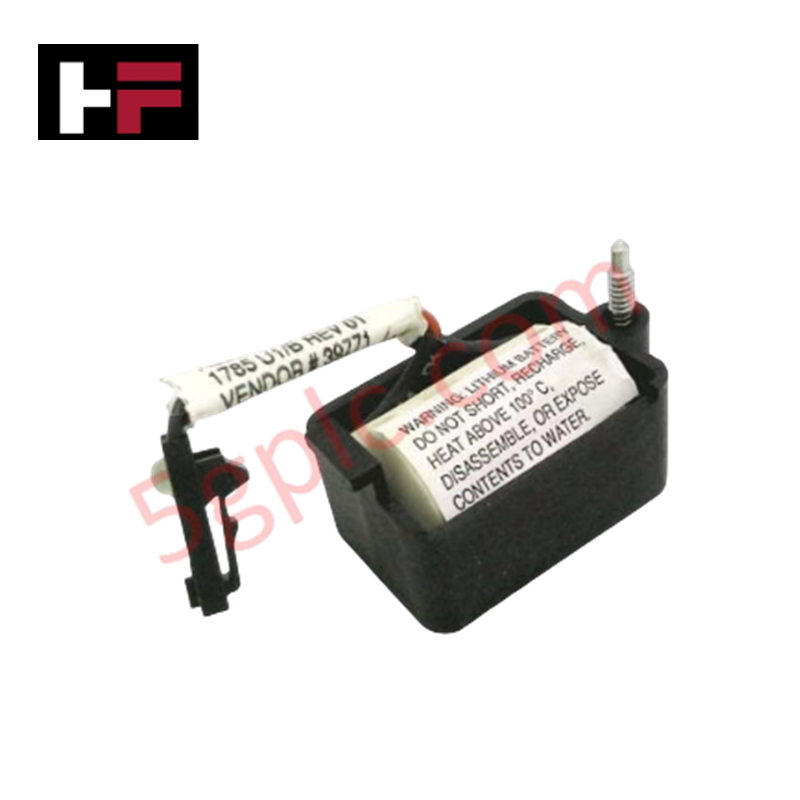
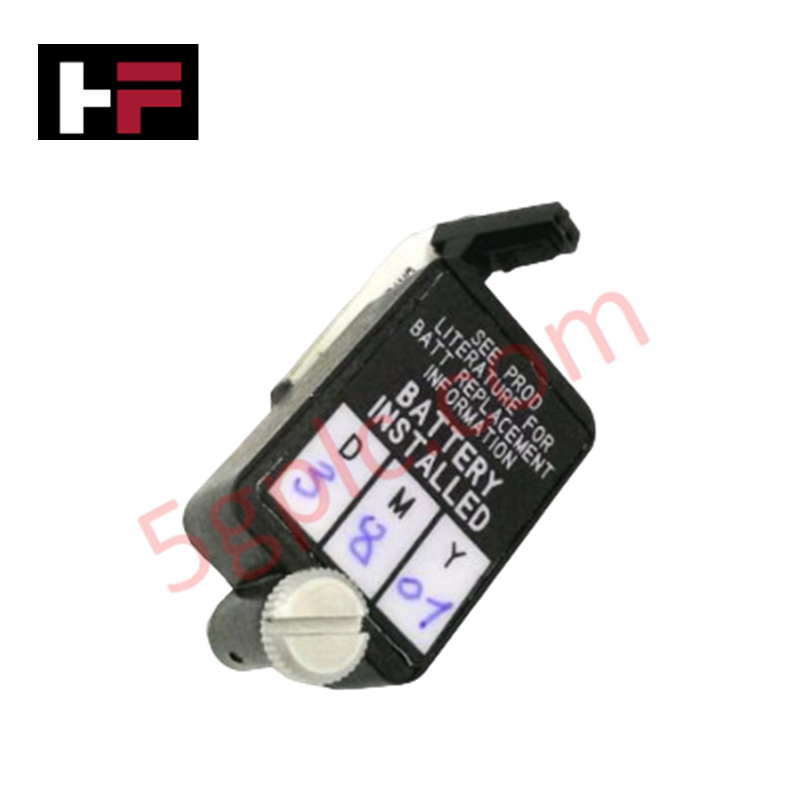
The Allen-Bradley 1785-U1 functions as a high-density industrial backup battery engineered specifically for the PLC-5 coprocessor module series. This specialized lithium cell supplies continuous standby power to the coprocessor’s volatile Random Access Memory (RAM) whenever the main chassis loses primary electrical feed. By maintaining the memory circuit voltage, this cell preserves critical application logic, system configurations, and active runtime variables from sudden erasure during scheduled plant shutdowns or unexpected blackouts.
We supply this component strictly as a 100% brand new, original factory-sealed unit to ensure maximum nominal shelf life, full factory chemical capacity, and uncompromised voltage retention characteristics.
Technical Specifications
The table below logs the technical profile, primary classification, and physical footprints of the 1785-U1 battery module:
| Parameter | Performance & Chemical Specifications |
| Manufacturer | Allen-Bradley / Rockwell Automation |
| Part Number | 1785-U1 |
| Product Line Compatibility | PLC-5 Coprocessor Modules |
| Product Type | Industrial Memory Backup Battery |
| Chemistry | Industrial Lithium |
| Equipment Category | PLCs / Machine Control Hardware Accessories |
| Net Component Weight | 0.10 lbs (0.045 kg) |
Engineering Advantages
-
Prevents Total Program Corruption: The 1785-U1 delivers a rock-solid voltage baseline directly to the coprocessor’s memory retention pins. This localized power source blocks memory wipeouts during major grid failures, eliminating the need for engineers to manually reload system files via programming terminals before resuming production.
-
Eliminates Chemical Passivation Degradation: Our 100% brand new inventory prevents the severe voltage delay drops common in older, poorly stored lithium cells. The pristine chemical matrix responds instantly to system power dips, outputting the exact current required without causing a memory drop glitch.
-
Simplifies Hot-Swap Preventive Maintenance: The compact wire-lead connector slips smoothly into the dedicated coprocessor battery socket. This plug-and-play assembly allows maintenance electricians to perform scheduled swap-outs without using soldering guns or specialized field hand tools.
FAQs
-
Can I replace the 1785-U1 battery while the PLC-5 system is running without losing my program?
Yes. You must replace this battery while the chassis maintains live backplane power to the coprocessor module. The active backplane voltage sustains the internal RAM chips during the swap, allowing you to safely unplug the depleted cell and insert this brand new 1785-U1 without dropping a single line of memory.
-
How often should plant maintenance teams replace this coprocessor battery?
Under standard operational temperatures, we recommend replacing the 1785-U1 every 12 to 24 months as a preventive safety measure. Ambient panel heat accelerates chemical depletion, so monitoring the front-facing "BATT" status LED on the module face provides the ultimate guide for immediate replacement timing.
-
Does this battery work as a replacement for the standard PLC-5/11, 5/20, or 5/40 main processor units?
No. Main PLC-5 processors typically utilize different battery shapes and wire configurations (such as the 1770-XYC cell). The 1785-U1 fits the specific pin arrangements and physical slots found exclusively on the auxiliary coprocessor modules. Always check your module user manual to verify your exact battery part number before purchasing.
Additional Information
- 100% Genuine Parts: All products are original and authentic, ensuring reliable industrial performance.
- 30-Day Refund Guarantee: Return any in-stock item within 30 days in original, unopened packaging for a full refund (excluding shipping and fees).
- 12-Month Warranty: Covers defects in materials or workmanship; excludes misuse, normal wear, or unauthorized modifications.
- Worldwide Shipping: We ship via USPS, UPS, FedEx, and DHL. Delivery times vary by country and may be subject to customs or import fees.
- Support & Contact: Technical and warranty assistance is available anytime. Contact us here: Contact.
- Purchase Guidance: Check product specifications and compatibility carefully before ordering to ensure proper application.
Tech & Buying Guide
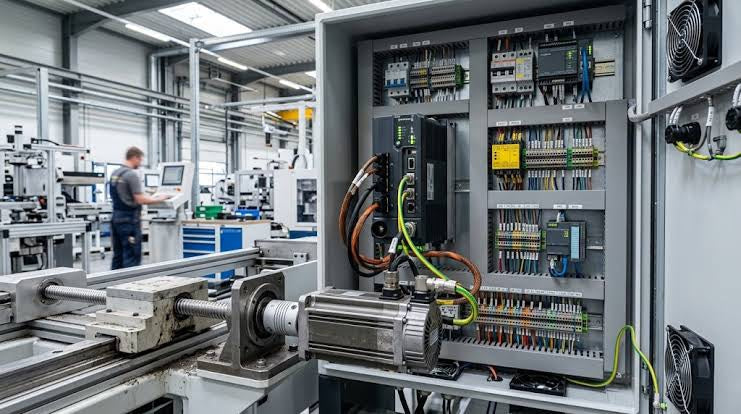
Demystifying Programmable Logic Controllers: Comprehensive Guide to PLC Classification and Selection in Industrial Automation
Modern industrial automation heavily relies on Programmable Logic Controllers (PLCs) to drive factory floor efficiency. Over my 15 years as an industrial automation expert working with DCS, TSI, and control systems, I have seen PLCs evolve into the central nervous system of modern manufacturing. Selecting the right controller requires a deep understanding of PLC types based on physical size, hardware architecture, and power supply configurations.
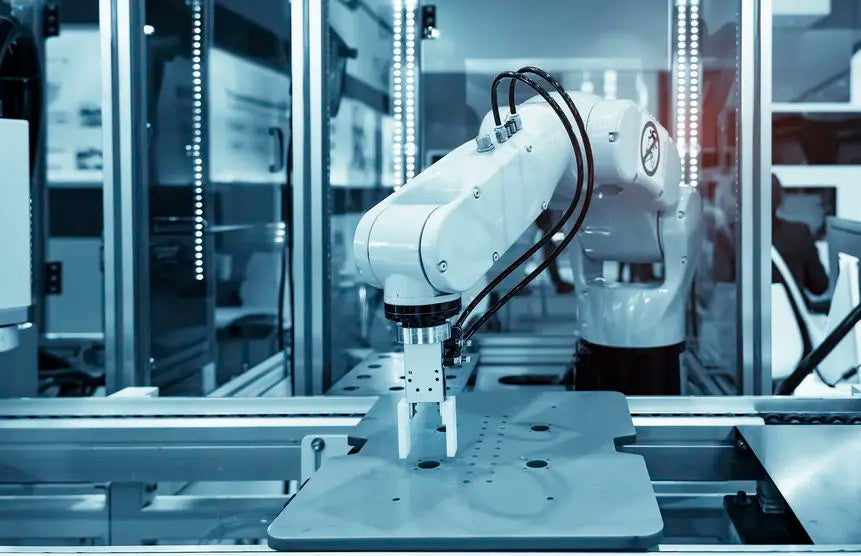
Comprehensive Guide to PLC Types in Modern Industrial Automation
Modern industrial automation relies on programmable logic controllers to govern critical factory operations. System integrators classify PLCs based on scale, hardware architecture, and power supply design. Understanding these core categories enables automation engineers to select the right control system architecture. Consequently, proper hardware selection optimizes performance while minimizing long-term operational costs.

Demystifying the DDE Protocol in Legacy Industrial Automation Systems
Modern control systems rely heavily on seamless interprocess communication to exchange operational data between software programs. Microsoft first introduced the Dynamic Data Exchange (DDE) protocol in 1987 to enable real-time data sharing. In factory automation, DDE served as an early bridge between control software and Windows desktop applications. Therefore, understanding DDE mechanics provides crucial insights into how legacy industrial networks established software-level connectivity.