










Product Details
Product Overview
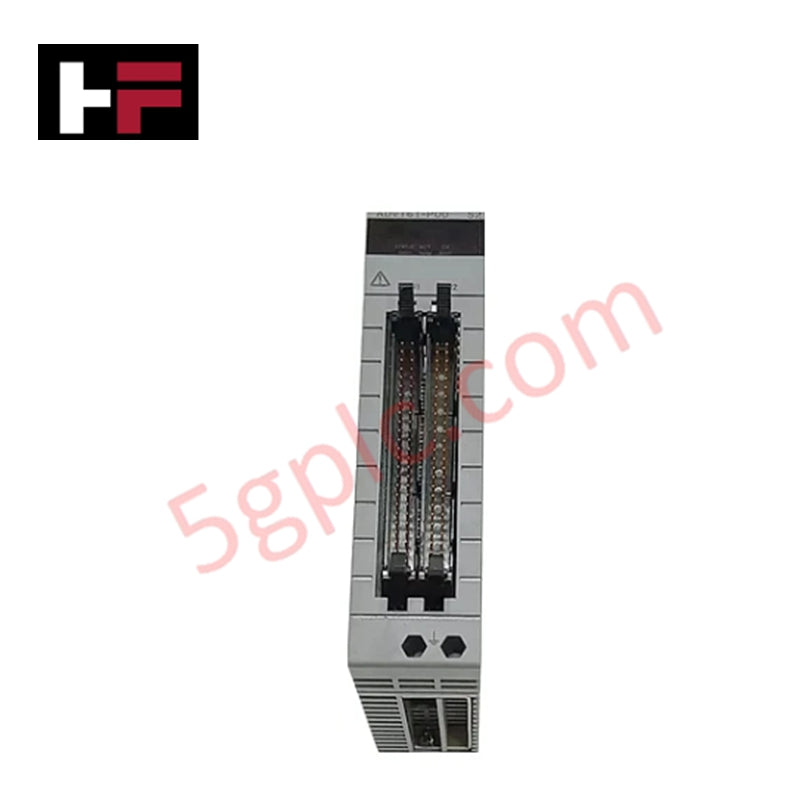
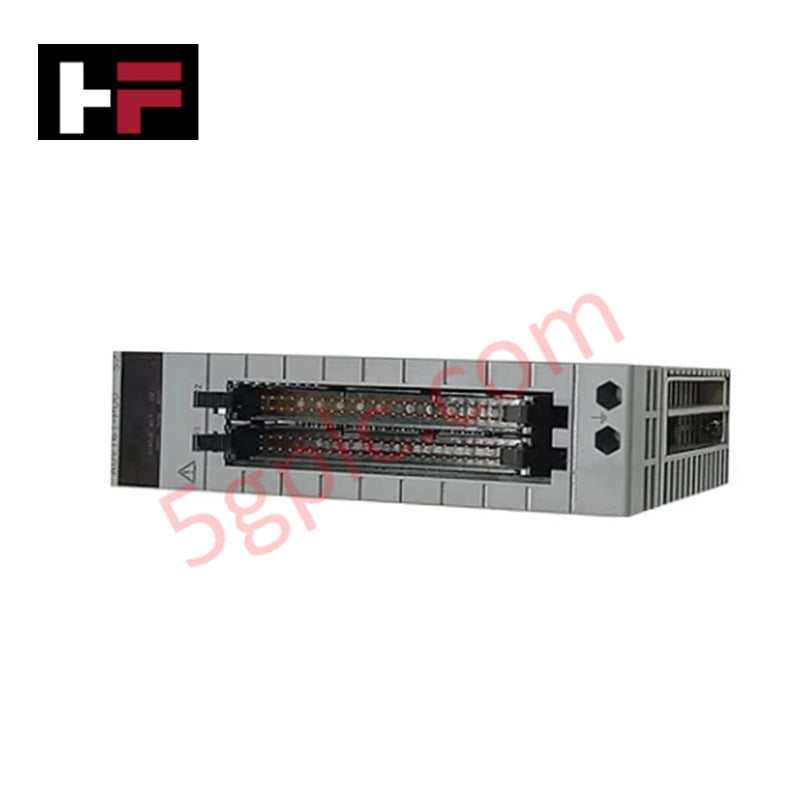
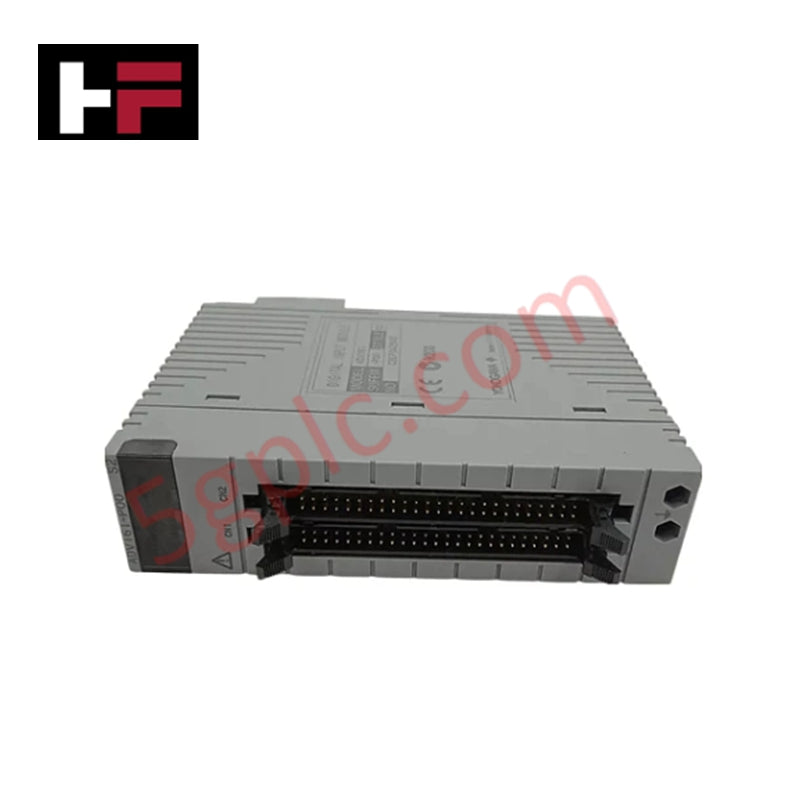
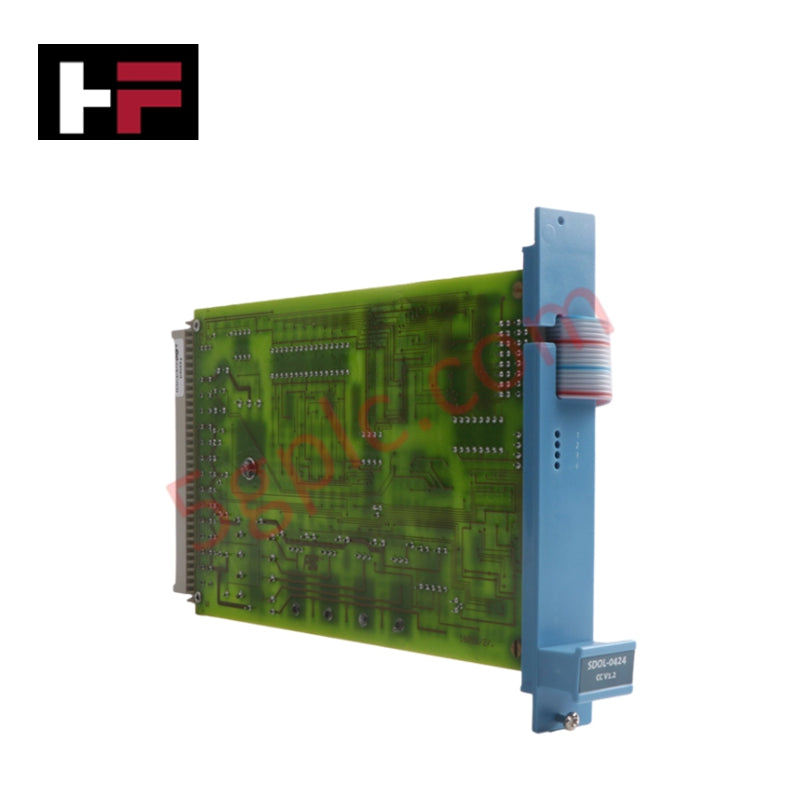
The Yokogawa ADV161-P00 functions as an ultra-high-density discrete signal interface for the CENTUM VP Distributed Control System (DCS). This module captures 64 independent digital input signals, providing a massive capacity for monitoring field equipment status such as limit switches, valve positions, and motor starter feedbacks. By utilizing a common minus-side isolation strategy for every 16 channels, the ADV161-P00 maximizes cabinet space efficiency while maintaining industrial-grade signal integrity.
Condition: 100% Brand New and Original Factory Sealed.
Part Number Breakdown: ADV161-P00
Yokogawa utilizes a structured coding system to define input density and connection styles:
-
ADV161: Digital Input Module (64-channel, 24 V DC, Isolated, Common Minus Side Every 16-channel).
-
-P: Pressure-clamp terminal connection style.
-
0: Standard type (Non-G3 corrosive resistance).
-
0: Basic hardware specification for universal subrack interface.
Technical Specifications
The ADV161-P00 provides a high-capacity electrical interface for binary process data.
-
Number of Inputs: 64 channels
-
Input Signal: 24 V DC (Dry contact or Voltage input)
-
Signal Isolation: Isolated every 16 channels (Common minus side)
-
Input Current: 4.1 mA (at 24 V DC)
-
ON Voltage/Current: 18 to 26.4 V DC / $\ge$ 3.0 mA
-
OFF Voltage/Current: $\le$ 5.0 V DC / $\le$ 1.0 mA
-
Withstand Voltage: 1500 V AC between input and system
-
Data Update Cycle: 10 ms
-
Maximum Current Consumption: 800 mA (at 5 V DC)
Engineering Advantages
-
Superior Rack Density: Managing 64 channels in a single slot effectively doubles the I/O capacity compared to standard 32-channel modules. This allows for significantly smaller control cabinets and fewer I/O nodes, reducing the total footprint and infrastructure costs of the control room.
-
Balanced Fault Isolation: The "Common Minus Every 16-channel" architecture offers a practical compromise between wiring density and system reliability. An electrical fault or ground loop on one bank of 16 channels will not affect the operation of the remaining 48 channels.
-
Rapid Logic Processing: A 10 ms data update cycle ensures that the DCS captures status changes across all 64 points nearly instantaneously. This high-speed performance is vital for accurate sequence-of-events (SOE) recording and complex interlocking logic.
-
Standardized Terminal Interface: The -P00 configuration is designed for pressure-clamp terminal blocks. This streamlines the installation process, reduces manual wiring errors, and facilitates easier maintenance access compared to traditional screw-type terminals.
-
Robust Thermal Management: Despite the high channel count, the module is engineered for efficient heat dissipation. This prevents localized "hot spots" in high-density subracks, ensuring the longevity of the module’s internal solid-state components.
FAQs
-
Does the ADV161-P00 require an external power supply for the contacts?
Yes. You must provide an external 24 V DC supply to power the field-side contacts (wetting voltage). The module senses the presence or absence of this voltage across the 64 inputs to determine the logic state.
-
Can I replace two ADV151 (32-ch) modules with one ADV161 (64-ch) module?
Yes, provided your subrack and system software configuration support 64-channel modules. This is a highly effective way to consolidate I/O and free up slots for future expansion.
-
How do I wire the common minus for this module?
The module groups the 64 inputs into four distinct banks of 16. Each bank of 16 shares a single common minus terminal. Ensure your field wiring reflects these groups to maintain proper electrical isolation.
-
Is the ADV161-P00 hot-swappable?
In a redundant I/O configuration, you can replace the module while the system is powered. However, because it manages 64 signals, ensure that all associated control loops are properly bypassed or monitored before removal to prevent process disruption.
Additional Information
- 100% Genuine Parts: All products are original and authentic, ensuring reliable industrial performance.
- 30-Day Refund Guarantee: Return any in-stock item within 30 days in original, unopened packaging for a full refund (excluding shipping and fees).
- 12-Month Warranty: Covers defects in materials or workmanship; excludes misuse, normal wear, or unauthorized modifications.
- Worldwide Shipping: We ship via USPS, UPS, FedEx, and DHL. Delivery times vary by country and may be subject to customs or import fees.
- Support & Contact: Technical and warranty assistance is available anytime. Contact us here: Contact.
- Purchase Guidance: Check product specifications and compatibility carefully before ordering to ensure proper application.




Tech & Buying Guide

Essential Best Practices for PLC Wiring and Installation in Industrial Automation
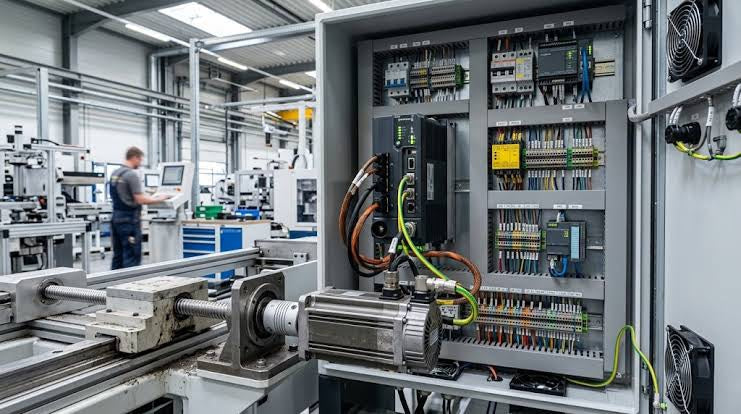
Successful control system deployment begins with thoroughly reviewing manufacturer technical documentation. Controllers from major brands like Allen-Bradley, Siemens, and Schneider Electric feature unique terminal layouts. Engineers must verify voltage requirements before connecting power cables to prevent catastrophic equipment damage. Standard line connections require strict adherence to regional electrical codes and proper wire color coding. Furthermore, panel builders should always establish a robust low-impedance ground connection using at least 16-AWG copper conductor tied directly to the main plant grounding grid.
Demystifying Programmable Logic Controllers: Comprehensive Guide to PLC Classification and Selection in Industrial Automation
Modern industrial automation heavily relies on Programmable Logic Controllers (PLCs) to drive factory floor efficiency. Over my 15 years as an industrial automation expert working with DCS, TSI, and control systems, I have seen PLCs evolve into the central nervous system of modern manufacturing. Selecting the right controller requires a deep understanding of PLC types based on physical size, hardware architecture, and power supply configurations.

Comprehensive Guide to PLC Types in Modern Industrial Automation
Modern industrial automation relies on programmable logic controllers to govern critical factory operations. System integrators classify PLCs based on scale, hardware architecture, and power supply design. Understanding these core categories enables automation engineers to select the right control system architecture. Consequently, proper hardware selection optimizes performance while minimizing long-term operational costs.