










Product Details
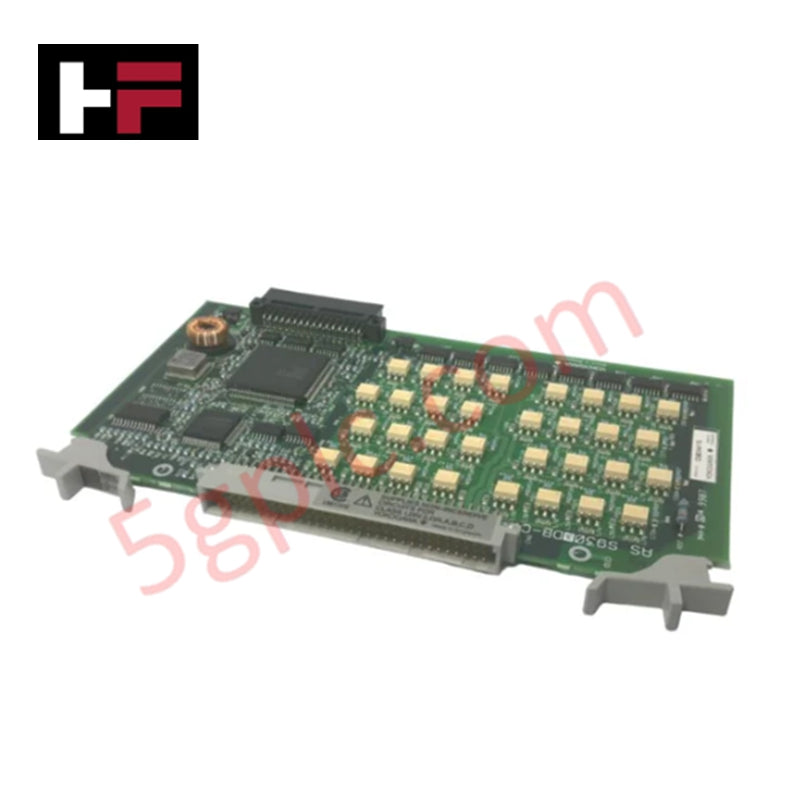
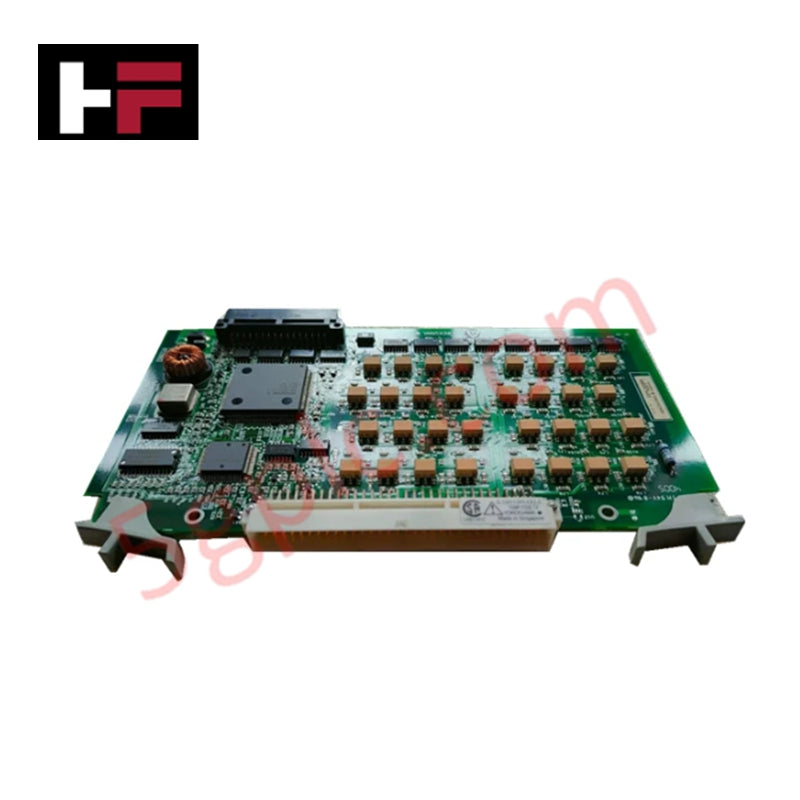
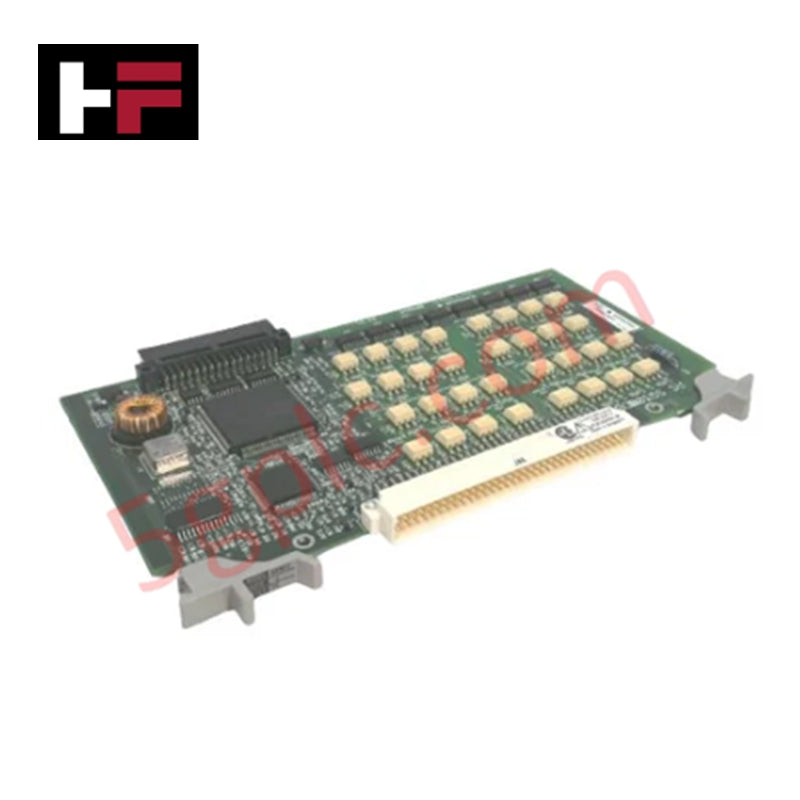
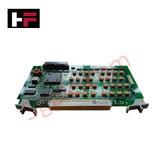
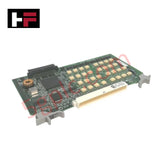
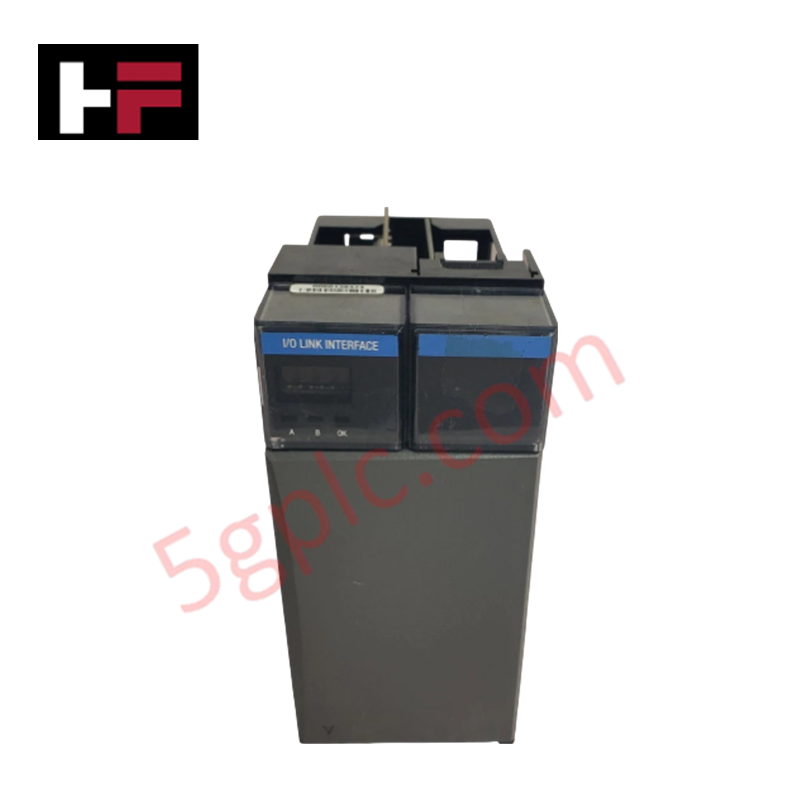
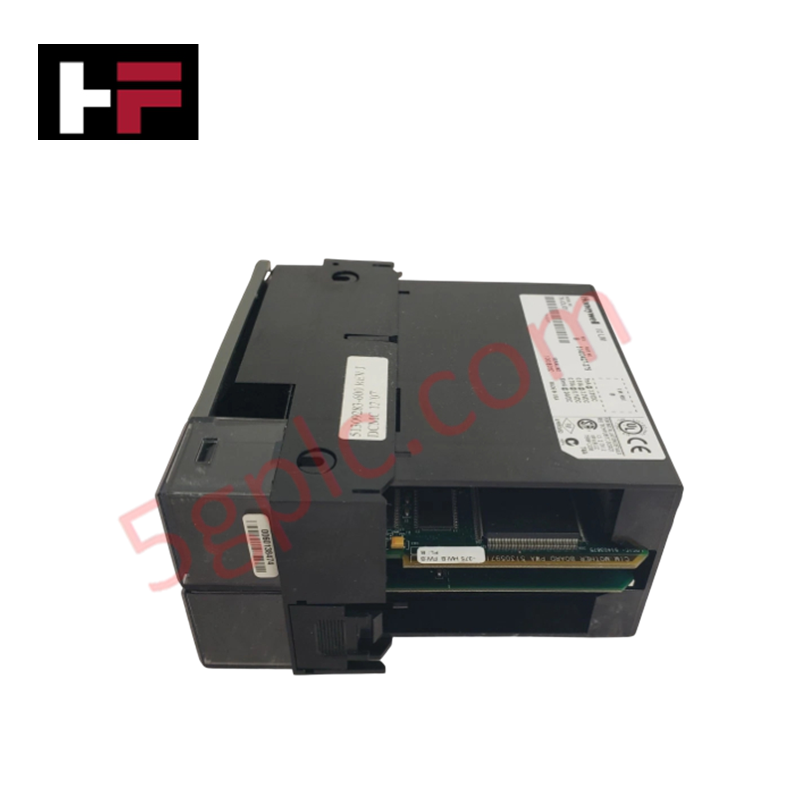
The Yokogawa ADM52-2 S4, also cataloged as the ADM52-2 Contact Output I/O Card, operates as a dedicated hardware component for high-density discrete switching signal distribution within Yokogawa DCS platforms. It provides 32 contact output channels to execute Form C relay switching for field solenoids, relays, and status indicators based on host backplane commands.
Hardware Specifications
| Parameter | Specification |
|---|---|
| Model | ADM52-2 S4 |
| Brand | Yokogawa |
| Origin | Japan |
| Weight | 0.12 kg |
| Dimensions | 20.3 cm x 11.8 cm x 1.2 cm |
| Operating Temp | -20 to +70 deg C |
| Power Consumption | Sub-rack backplane powered |
| Output Density | 32 output channels |
| Contact Type | Form C relay contacts (NO / NC) |
| Max Switching Voltage (AC) | 250 VAC |
| Max Switching Current (AC) | 1 A |
| Max Switching Voltage (DC) | 30 VDC |
| Max Switching Current (DC) | 100 mA |
| Mechanical Isolation | Relay contact physical isolation to backplane logic |
| Field Termination | 32-point high-density connector interface |
4-20 mA HART Loop Protocol and Channel Isolation
The ADM52-2 S4 incorporates mechanical isolation between contact switching loops and internal system backplane logic, preventing high-voltage field transients and inductive switching spikes from corrupting logic circuits. When deployed in Yokogawa DCS chassis alongside process control boards processing 4-20 mA HART loop protocol signals, the isolated output structure prevents common-mode noise transfer across shared sub-rack buses. This isolation design preserves current loop accuracy and continuous HART digital communications across neighboring analog input and output cards during high-frequency relay activation cycles.
Frequently Asked Questions
Q: How does the Form C contact topology function on the ADM52-2 S4?
A: Each output channel provides both normally open (NO) and normally closed (NC) physical contacts with a shared common terminal, allowing versatile interlock logic wiring per channel.
Q: What are the primary switching limits for AC and DC electrical loads?
A: The internal relays support switching capacities up to 250 VAC at 1 A for alternating current circuits and up to 30 VDC at 100 mA for direct current circuits.
Q: Can the ADM52-2 S4 output card be removed under system power?
A: Hot-swapping depends on host nest chassis features; external relay load voltage must be de-energized prior to card removal to avoid field arcing or unintended output tripping.
Field Installation Guidelines
- ESD Precautions: Wear a grounded anti-static wrist strap before touching the module to prevent electrostatic discharge damage to internal components.
- Mechanical Alignment: Align card edges with rack enclosure guides and insert firmly into the backplane connector until fully seated; secure locking mechanisms if present.
- Cable Shielding and Grounding: Terminate multi-conductor cable overall drain wires at a single point on the cabinet earthing bar to prevent noise propagation.
- Conductor Routing: Route field contact wiring in separate raceways away from low-level analog signal cables and communication buses to suppress electromagnetic interference.
Additional Information
- 100% Genuine Parts: All products are original and authentic, ensuring reliable industrial performance.
- 30-Day Refund Guarantee: Return any in-stock item within 30 days in original, unopened packaging for a full refund (excluding shipping and fees).
- 12-Month Warranty: Covers defects in materials or workmanship; excludes misuse, normal wear, or unauthorized modifications.
- Worldwide Shipping: We ship via USPS, UPS, FedEx, and DHL. Delivery times vary by country and may be subject to customs or import fees.
- Support & Contact: Technical and warranty assistance is available anytime. Contact us here: Contact.
- Purchase Guidance: Check product specifications and compatibility carefully before ordering to ensure proper application.




Tech & Buying Guide

Redefining Control Systems: The Rise of Flexible I/O Modules in Industrial Automation
Conventional input-output architectures often limit engineering agility and inflate long-term inventory costs. Today, Flexible Input/Output Modules (FIOM) are transforming how control system engineers design, commission, and maintain automation infrastructure. By allowing individual channel software configuration, FIOM technology bridges the gap between rigid hardware design and dynamic plant requirements.

Understanding Modern SCADA Systems: Architecture, Communication Topologies, and Industrial Applications
Supervisory Control and Data Acquisition (SCADA) systems form the digital backbone of modern industrial automation. They collect critical field data, transmit signals across vast distances, and empower plant operators with real-time process visibility. Across modern infrastructures, SCADA solutions streamline centralized control and maintain continuous operational uptime.

Understanding OPC Servers in Modern Industrial Automation: Principles, Architecture, and Applications
In industrial automation, connecting physical hardware with high-level software remains a primary operational challenge. Factories utilize programmable logic controllers (PLCs), distributed control systems (DCS), human-machine interfaces (HMIs), and smart sensors from diverse vendors. These devices often speak different proprietary protocols. Open Platform Communications (OPC) servers solve this interoperability challenge by standardizing how data flows across factory networks.