Product Details
Description
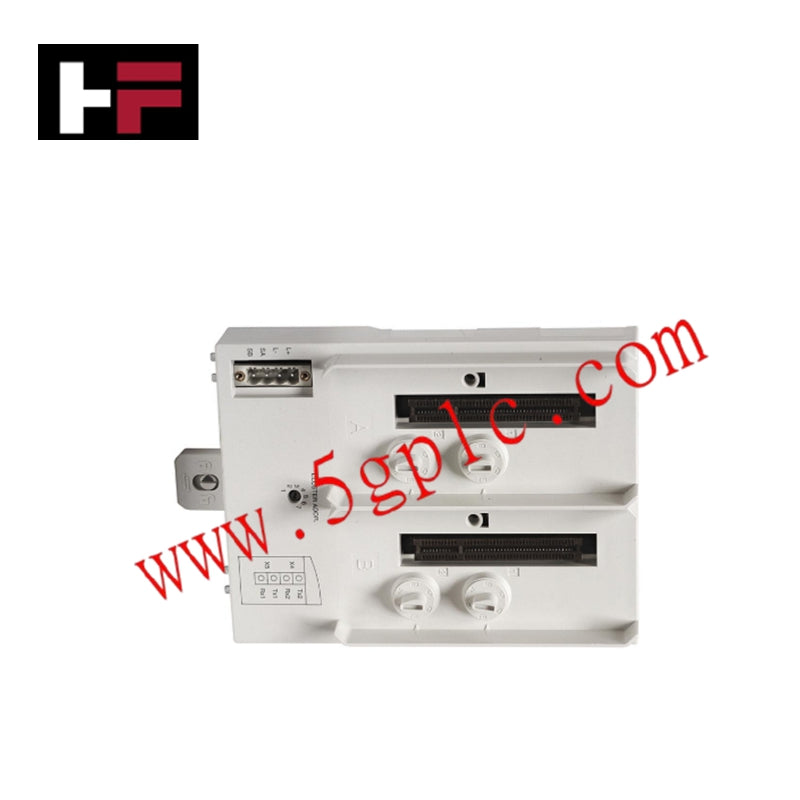
The TU840 3BSE020846R1 ensures redundant ModuleBus communication by supporting two communication interface modules. If one fails, the secondary unit maintains the data link between the controller and I/O cluster. It distributes power and signals across the internal bus without interruption. Built with industrial-grade materials, the TU840 features a passive backplane to minimize electronic failure risk. Designed for DIN rail mounting, it includes mechanical keying for correct module placement and dedicated termination points for power and housekeeping signals, making it a central hub for high-availability S800 I/O clusters.
Specifications
-
Manufacturer: ABB
-
Model Number: TU840 (3BSE020846R1)
-
Product Type: Redundant Module Termination Unit (MTU)
-
Redundancy Support: Dual Communication Interfaces (CI810/CI820)
-
Max Voltage Rating: 30 V DC
-
Max Current Capacity: 5 A
-
Connection Interface: ModuleBus (Redundant)
-
Mounting: 35mm DIN Rail
-
Environmental Protection: IP20
-
Operating Temperature: -25 to +70 °C
-
Weight: 0.55 kg
Features
-
Dual Interface Support: Specifically designed to house two communication modules, enabling seamless failover for high-priority industrial networks.
-
Passive Reliability: The lack of active electronic components on the termination unit itself ensures a high Mean Time Between Failures (MTBF).
-
Fault Tolerant Architecture: Protects the I/O cluster communication by isolated routing of internal bus signals across redundant paths.
-
Serviceability: Allows for the hot-swapping of communication modules, meaning a faulty unit can be replaced while the system remains fully operational.
-
Compact Integration: Consolidates power distribution and communication bus routing into a single DIN-rail mounted footprint, saving cabinet space.
-
Safe Configuration: Integrated mechanical coding prevents the accidental insertion of incorrect module types, safeguarding the hardware and process logic.
Additional Information
- 100% Genuine Parts: All products are original and authentic, ensuring reliable industrial performance.
- 30-Day Refund Guarantee: Return any in-stock item within 30 days in original, unopened packaging for a full refund (excluding shipping and fees).
- 12-Month Warranty: Covers defects in materials or workmanship; excludes misuse, normal wear, or unauthorized modifications.
- Worldwide Shipping: We ship via USPS, UPS, FedEx, and DHL. Delivery times vary by country and may be subject to customs or import fees.
- Support & Contact: Technical and warranty assistance is available anytime. Contact us here: Contact.
- Purchase Guidance: Check product specifications and compatibility carefully before ordering to ensure proper application.






Tech & Buying Guide

Voice-Activated Industrial Automation: Integrating Speech Control into PLC and DCS Architectures
Industrial automation integrates speech recognition, IIoT protocols, and NLP with PLCs and DCS to streamline operations. By leveraging advanced edge computing, engineers enable real-time, hands-free control—allowing personnel to manage smart factory processes safely away from hazardous equipment.
Modern Industrial Automation: Transforming Safety and Efficiency in Mining Operations
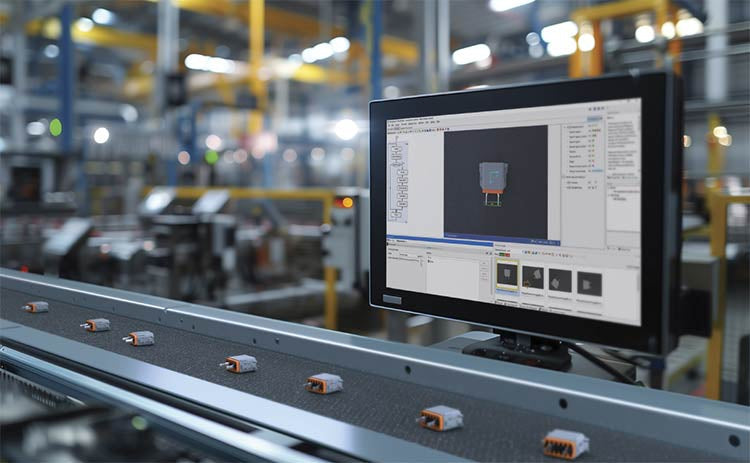
Industrial automation has evolved from a simple manufacturing tool into the operational backbone of high-risk sectors. Modern mining operations increasingly rely on advanced control systems, programmable logic controllers (PLCs), distributed control systems (DCS), and artificial intelligence to address deep-underground hazards. By replacing manual labor in high-risk zones, factory automation technologies protect personnel while significantly boosting operational throughput.