












Product Details
Description
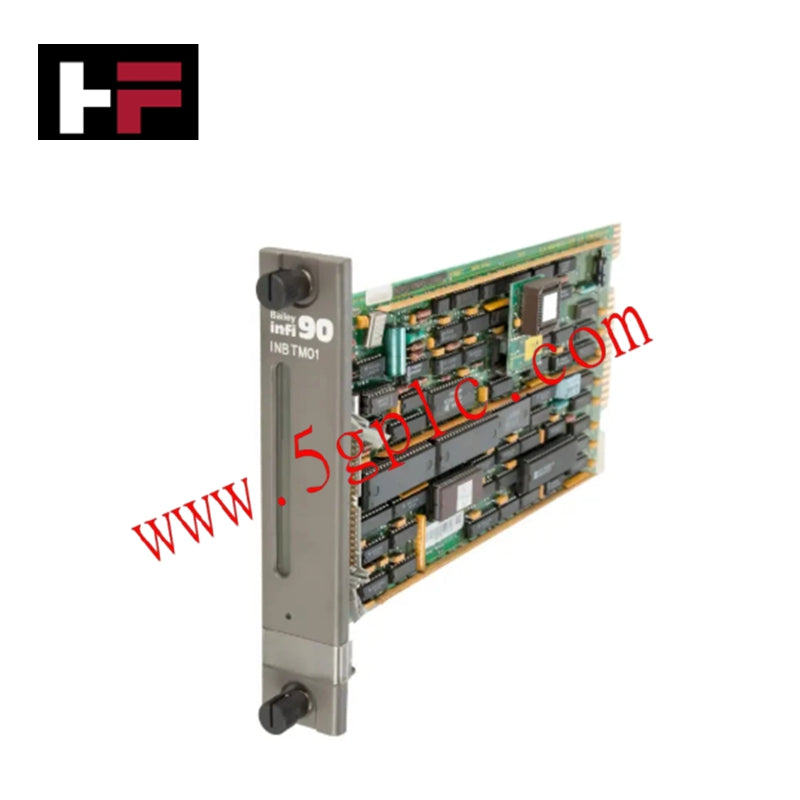
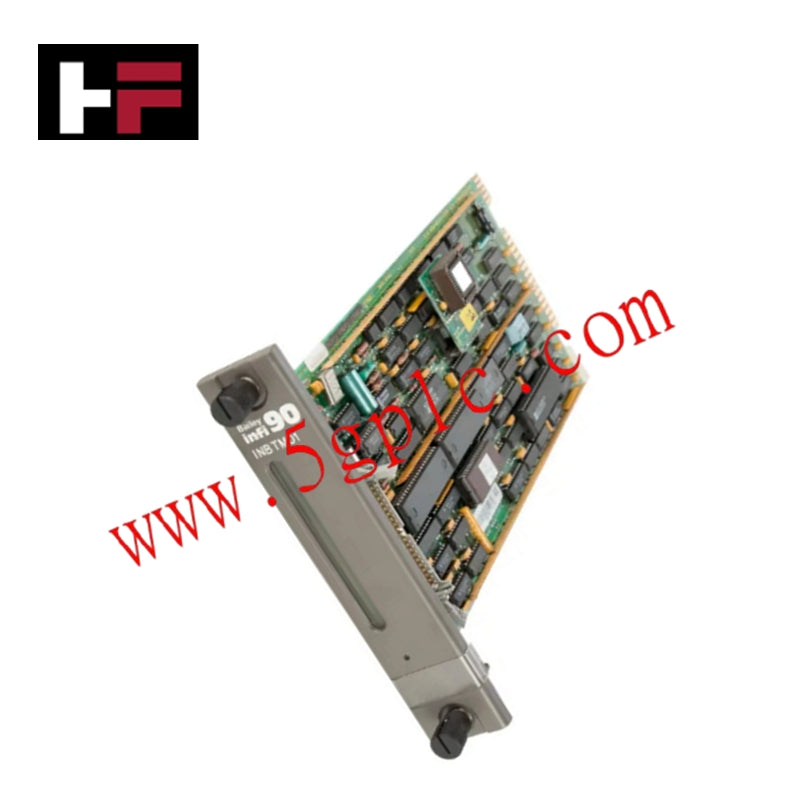
The ABB INBTM01 is a specialized network communication component designed for the Bailey Infi 90 and Network 90 Distributed Control Systems (DCS). This module functions as a high-speed data bridge, facilitating the transfer of information between the industrial bus (Plant Loop) and the local module bus. It is engineered to maintain high-integrity data throughput in complex automation environments, ensuring that control commands and process feedback move across the network architecture without bottlenecking. By acting as a critical node in the communication hierarchy, the INBTM01 allows for expanded system topologies and improved data accessibility for supervisory control.
Specifications
-
Brand: ABB Bailey
-
Model Number: INBTM01
-
Product Type: Industrial Bus Transfer Module
-
Series: Infi 90 / Network 90
-
Communication Interface: Dual redundant bus connectivity
-
Power Requirements: +5 VDC (backplane supplied)
-
Product Net Weight: 0.63 kg (1.39 lbs)
-
Operating Temperature: 0 to 70 degrees Celsius
-
Dimensions: 177.8 mm x 35.6 mm x 298.5 mm
Features
-
High-Efficiency Data Routing: Specifically optimized for low-latency transfer between the main system trunk and localized module clusters.
-
Redundant Path Support: Features dual-channel circuitry to ensure uninterrupted communication even if one network segment experiences a failure.
-
Bus Impedance Management: Includes integrated signal conditioning to maintain proper electrical levels across the communication bus, preventing signal reflection.
-
Plug-and-Play Integration: Designed for standard Module Mounting Unit (MMU) slots, allowing for rapid installation and hot-swappable replacement in certain configurations.
-
Onboard Status Monitoring: Equipped with front-panel diagnostic indicators that allow maintenance personnel to verify bus activity and module health at a glance.
Additional Information
- 100% Genuine Parts: All products are original and authentic, ensuring reliable industrial performance.
- 30-Day Refund Guarantee: Return any in-stock item within 30 days in original, unopened packaging for a full refund (excluding shipping and fees).
- 12-Month Warranty: Covers defects in materials or workmanship; excludes misuse, normal wear, or unauthorized modifications.
- Worldwide Shipping: We ship via USPS, UPS, FedEx, and DHL. Delivery times vary by country and may be subject to customs or import fees.
- Support & Contact: Technical and warranty assistance is available anytime. Contact us here: Contact.
- Purchase Guidance: Check product specifications and compatibility carefully before ordering to ensure proper application.






Tech & Buying Guide
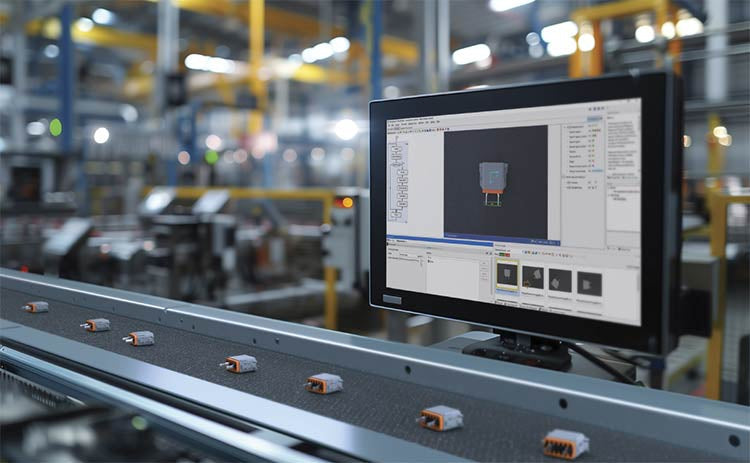
Modern Industrial Automation: Transforming Safety and Efficiency in Mining Operations
Industrial automation has evolved from a simple manufacturing tool into the operational backbone of high-risk sectors. Modern mining operations increasingly rely on advanced control systems, programmable logic controllers (PLCs), distributed control systems (DCS), and artificial intelligence to address deep-underground hazards. By replacing manual labor in high-risk zones, factory automation technologies protect personnel while significantly boosting operational throughput.

Step-by-Step System Cabinet Health Check Guide for PLC and DCS Infrastructure
