








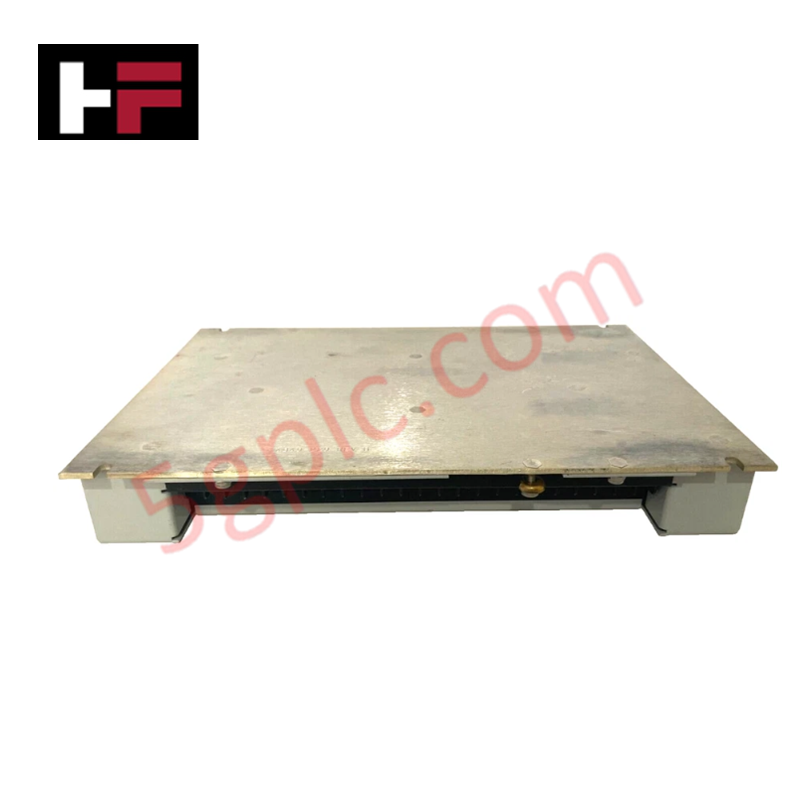
Product Details
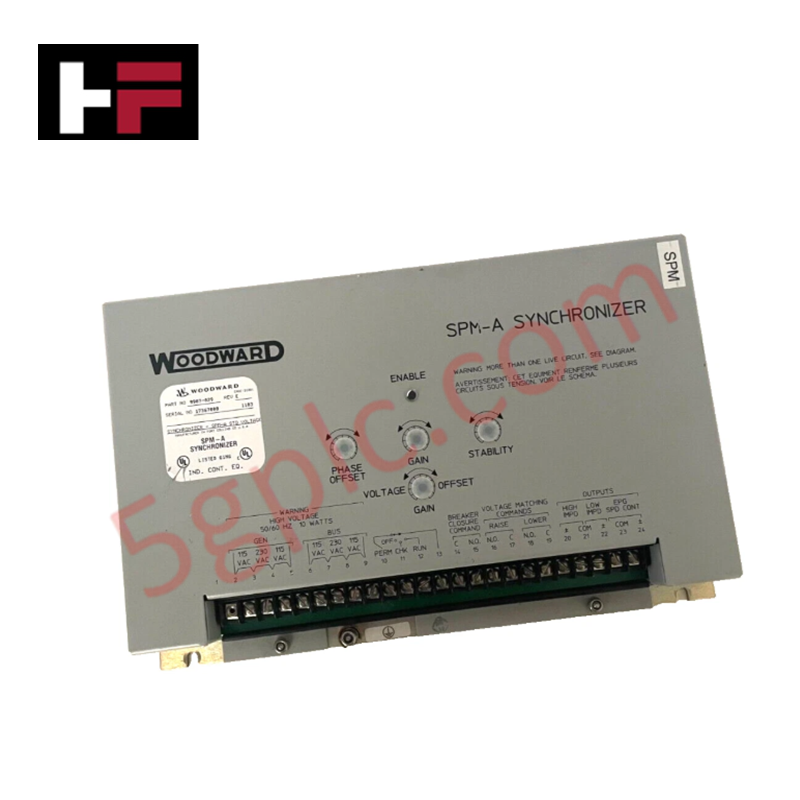
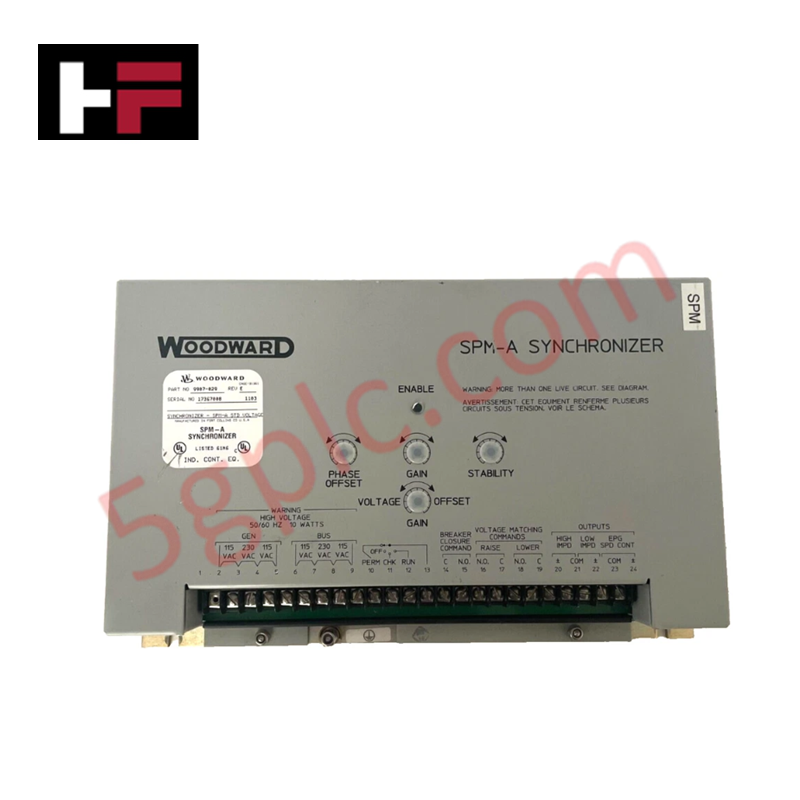
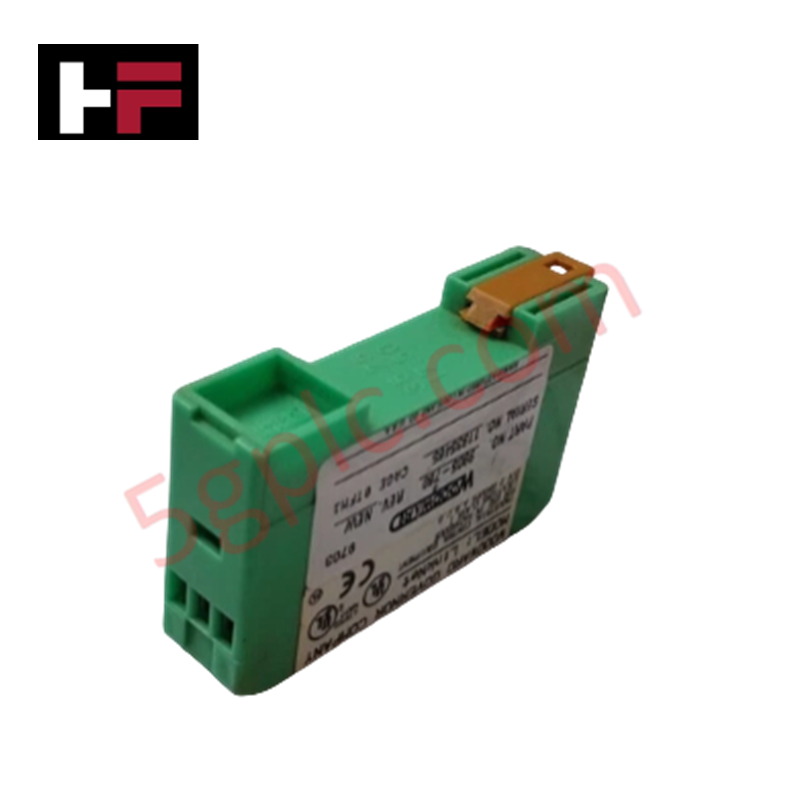
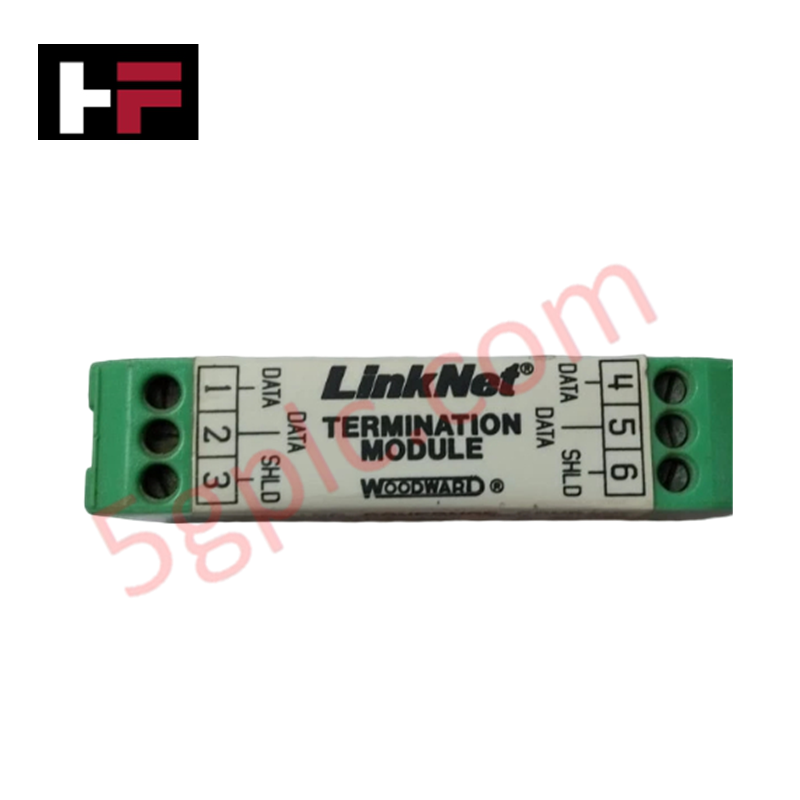
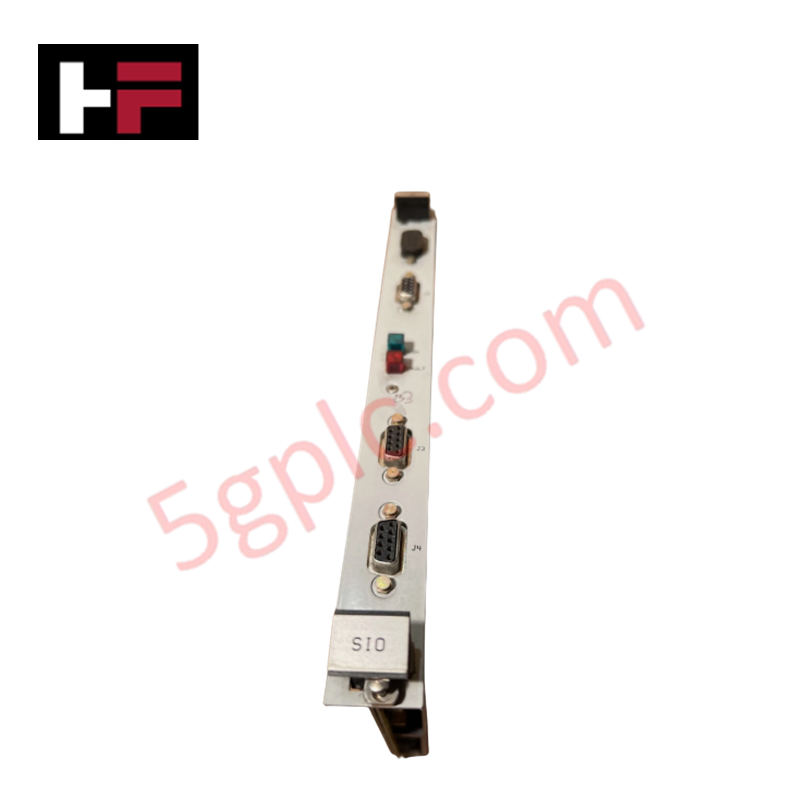
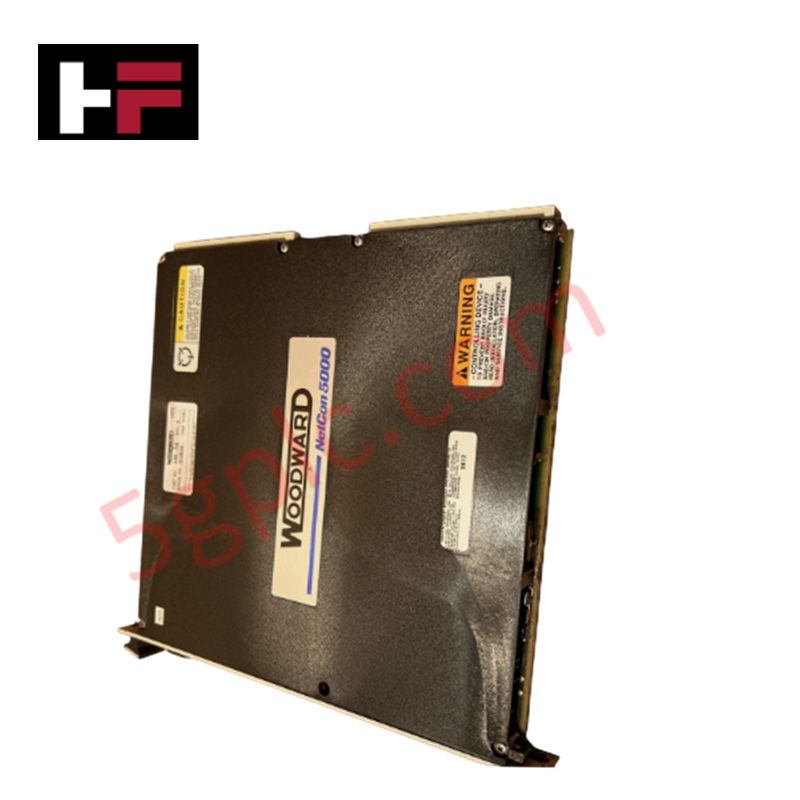
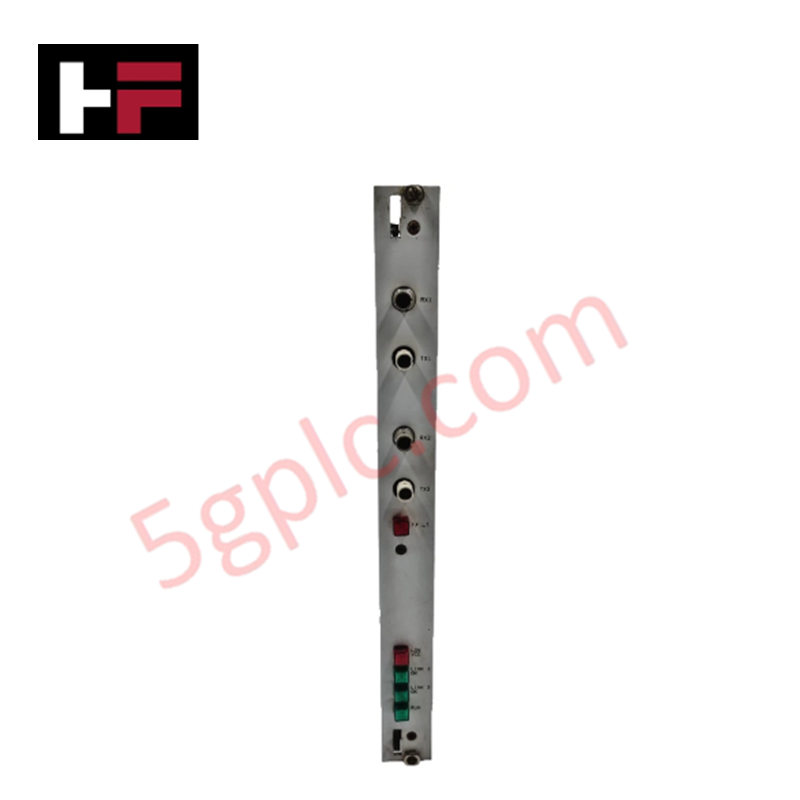
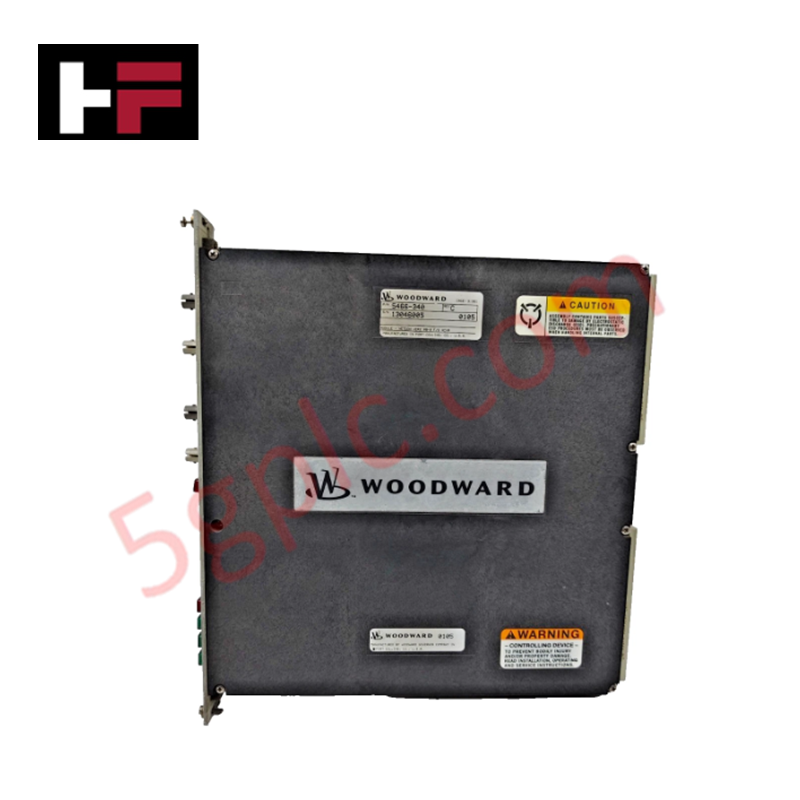
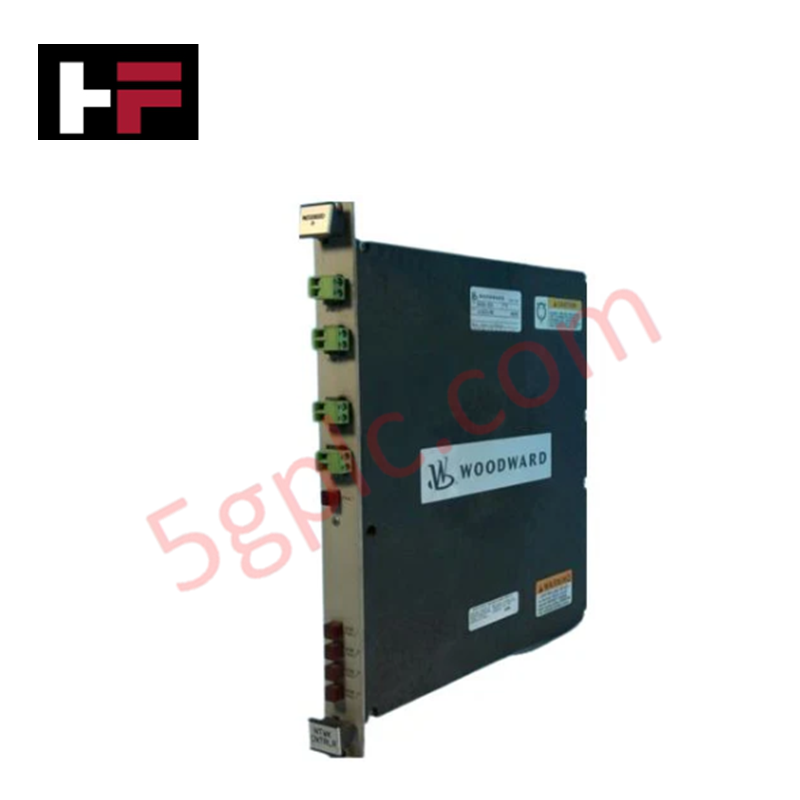
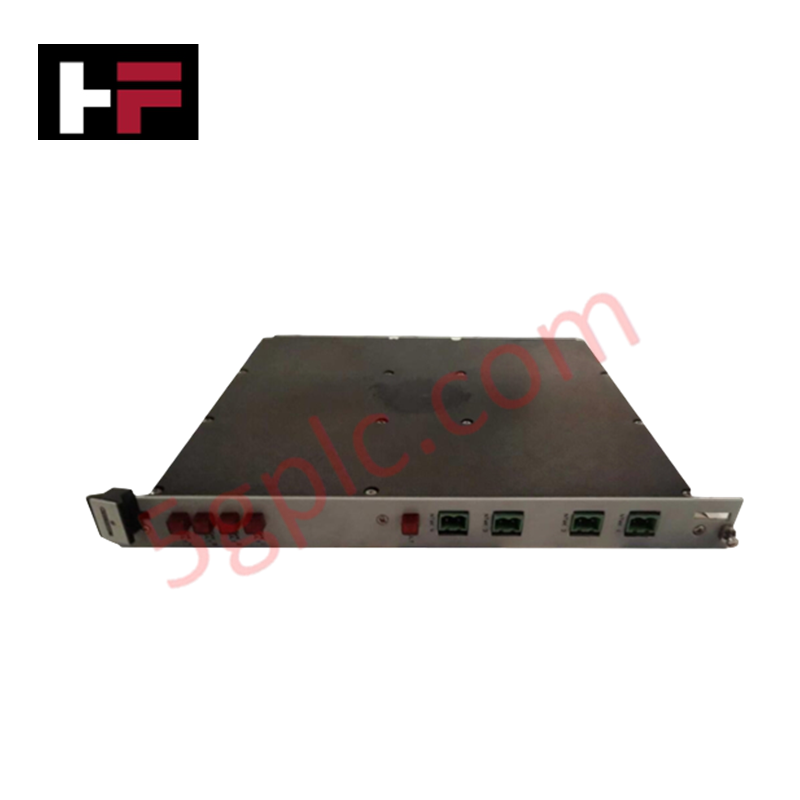
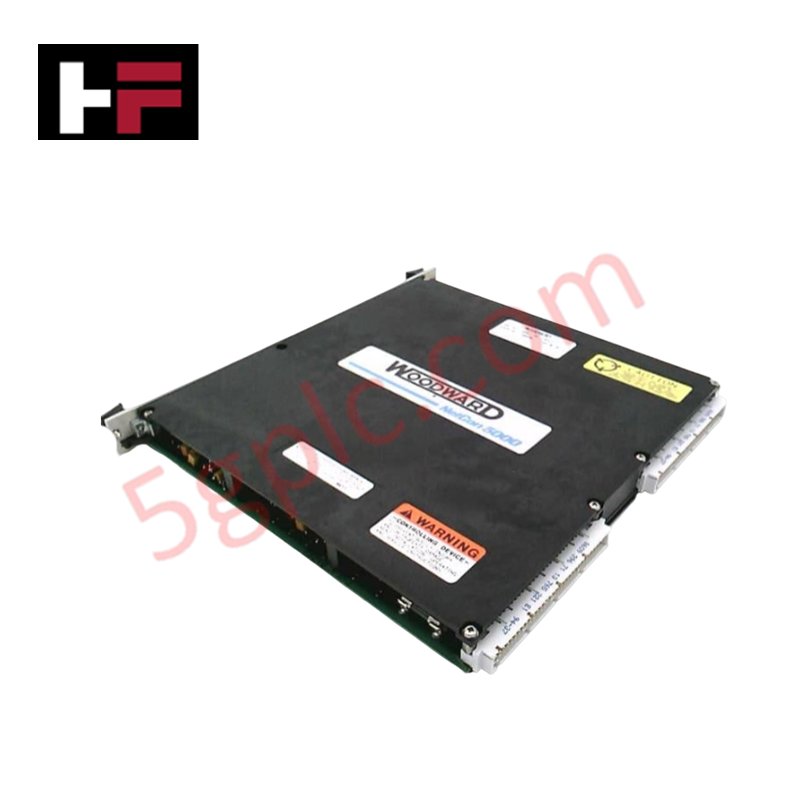
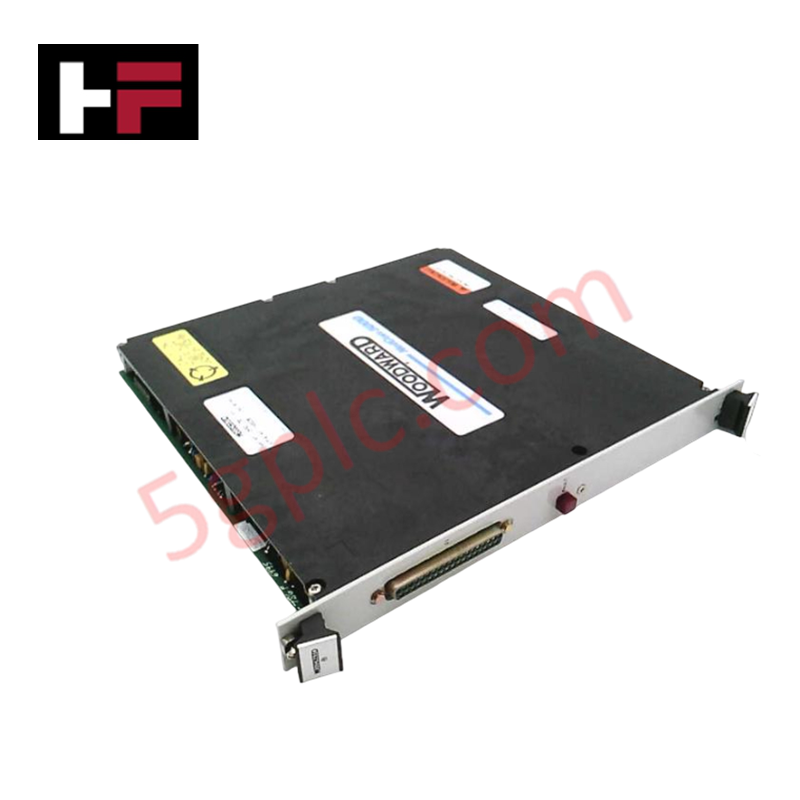
Configured for precision generator paralleling, the Woodward 9907-029 (SPM-A Synchronizer Module) provides direct electrical execution of frequency, phase angle, and voltage matching within turbine and engine control systems.
Hardware Specifications
| Parameter | Specification |
|---|---|
| Model | 9907-029 |
| Brand | Woodward |
| Origin | Not specified |
| Weight | 5.88 lbs |
| Power Consumption | 5 W |
| Input Voltage | 115 to 230 VAC (+/- 10%) |
| Frequency Range | 50 to 60 Hz |
Actuator Loop Feedback Response and Load Management
The 9907-029 synchronizer governs parallel power generation by providing dynamic bias signals to speed controllers. The module manages actuator loop feedback response through field-adjustable dynamic settings, which must be tuned relative to the inertia of the prime mover; small engines typically require high-response settings, while large-scale gas or steam turbines necessitate damped, slower dynamic parameters. The unit incorporates precise voltage matching capabilities capable of 1% accuracy and maintains a phase angle lock within +/- 10 degrees. The dual-impedance output architecture ensures compatibility with diverse load-sharing interfaces, including high-impedance 2301 and low-impedance 2301A/EPG/2500 control platforms.
Frequently Asked Questions
Q: How should the dynamic settings be adjusted for a large-scale steam turbine application?
A: For large-scale turbomachinery, dynamic response settings must be configured to a slower rate to prevent control loop instability and potential over-correction during synchronization.
Q: Is the 9907-029 compatible with both 115 VAC and 230 VAC bus sensing inputs?
A: Yes. The module is engineered for universal input voltage operation within the 115 to 230 VAC range (with a +/- 10% tolerance), making it suitable for standard utility grid or isolated bus sensing.
Field Installation Guidelines
- Mounting: Install the module in a vibration-shielded control cabinet environment. Ensure all terminal connections are secured to prevent signal drift in the speed bias circuits.
- Wiring: Utilize shielded twisted-pair wiring for all speed bias output signals. Terminate shields at the control system ground to avoid ground loop currents that could affect phase-matching accuracy.
- Interface Selection: Select the appropriate output impedance (high or low) based on the specific load-sharing controller (e.g., 2301 vs. 2301A/EPG) to ensure signal impedance matching.
- Calibration: Perform a bus frequency and phase-matching verification using a reference synchronoscope before initial unit paralleling to ensure the 1% voltage matching capability is calibrated correctly for the application.
Additional Information
- 100% Genuine Parts: All products are original and authentic, ensuring reliable industrial performance.
- 30-Day Refund Guarantee: Return any in-stock item within 30 days in original, unopened packaging for a full refund (excluding shipping and fees).
- 12-Month Warranty: Covers defects in materials or workmanship; excludes misuse, normal wear, or unauthorized modifications.
- Worldwide Shipping: We ship via USPS, UPS, FedEx, and DHL. Delivery times vary by country and may be subject to customs or import fees.
- Support & Contact: Technical and warranty assistance is available anytime. Contact us here: Contact.
- Purchase Guidance: Check product specifications and compatibility carefully before ordering to ensure proper application.


Tech & Buying Guide

Understanding Dry Contacts in PLC Wiring: An Industrial Automation Guide
Mastering contact switching principles is essential for reliable control panels. Field devices and PLCs interface through dry or wet contacts. This technical guide examines the mechanics of dry contacts, explores their wiring architectures, and evaluates their key advantages in industrial automation.

Ultimate Commissioning Checklist for Industrial Automation Systems: An Engineering Guide
Commissioning is the most decisive phase of an industrial automation project, transforming control hardware and software into an operational facility. Thorough testing prevents costly startup delays and builds customer confidence. This guide covers essential checklists, electrical standards, and best practices.

Redundant Automation Systems: Core Architecture, Business Value, and Technical Advantages
Unplanned downtime poses a major financial threat to process manufacturing. To prevent costly interruptions, engineers deploy redundant PLC and DCS architectures that ensure continuous operation when hardware fails. This technical guide explores redundancy principles, critical system nodes, and real-world scenarios.