










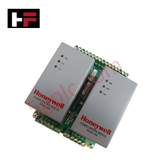
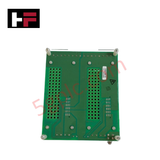
Product Details
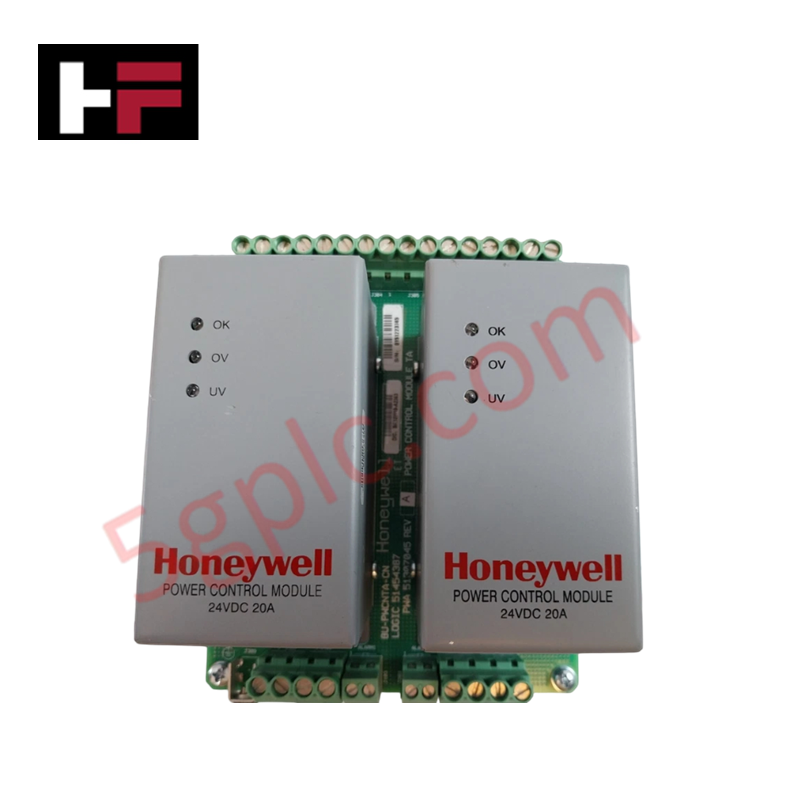
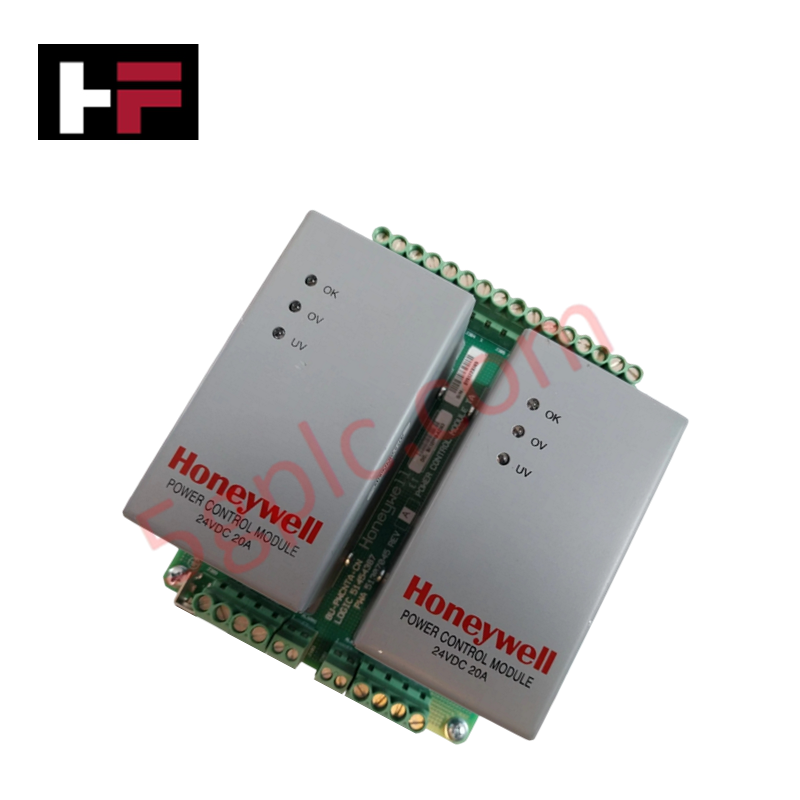
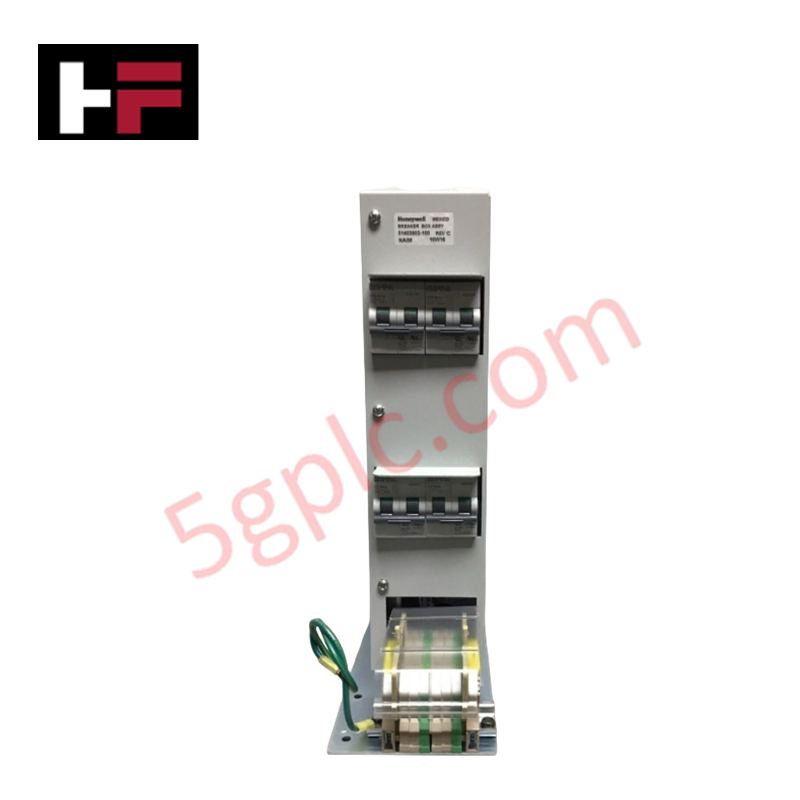
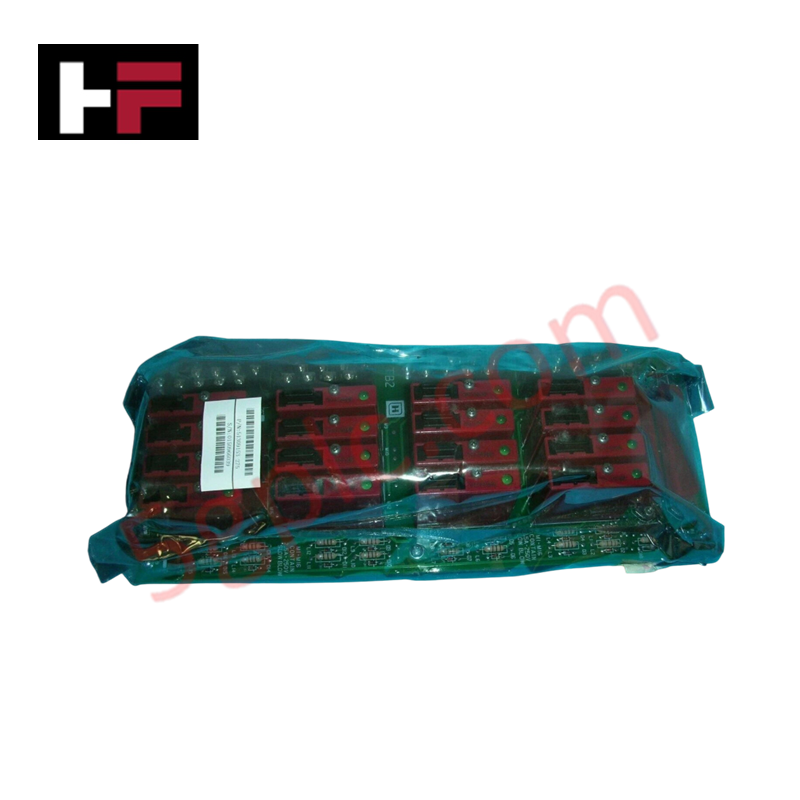
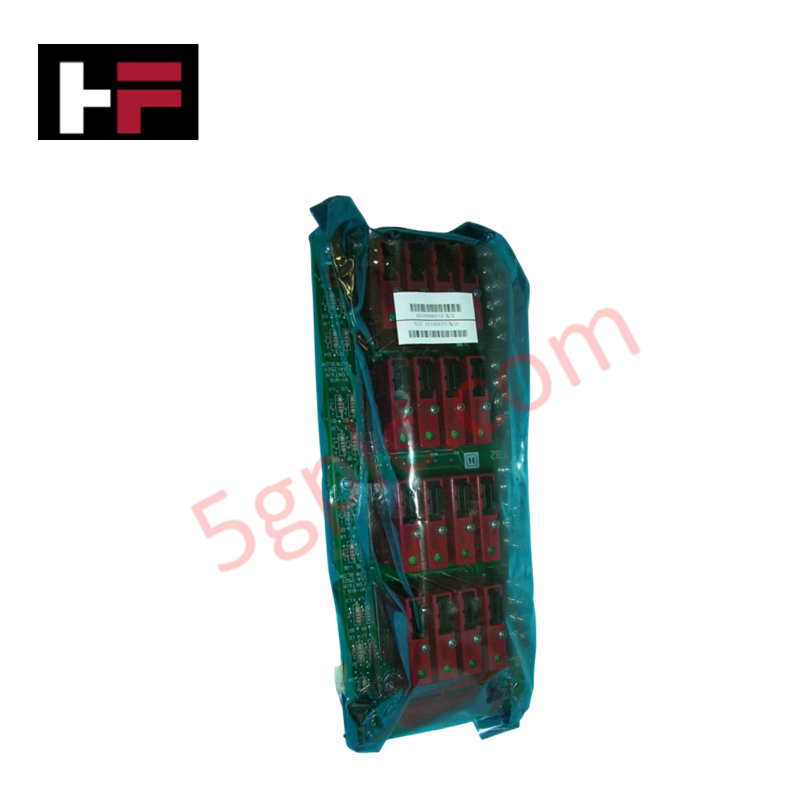
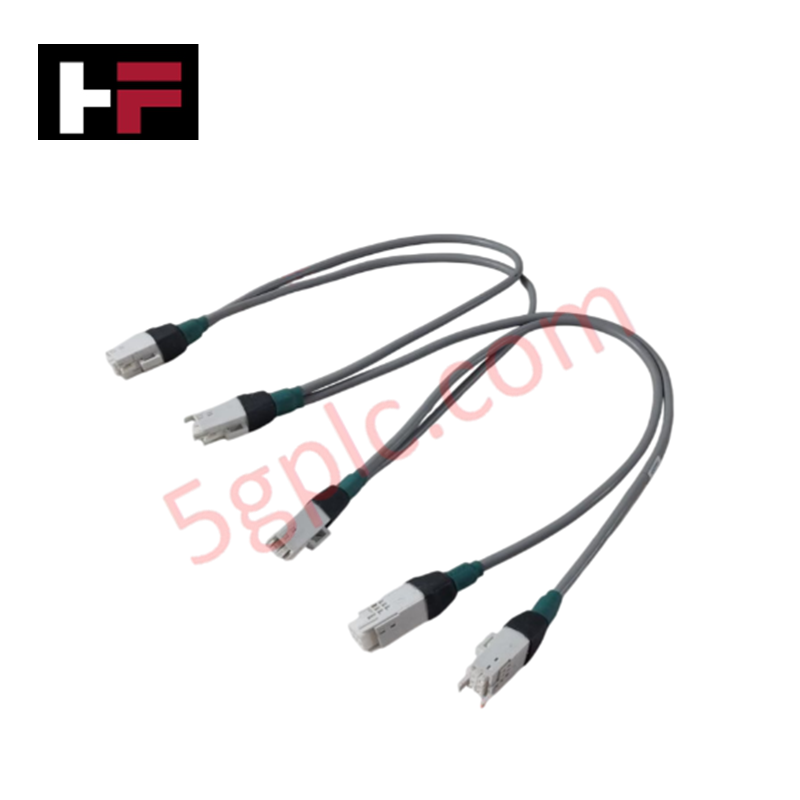
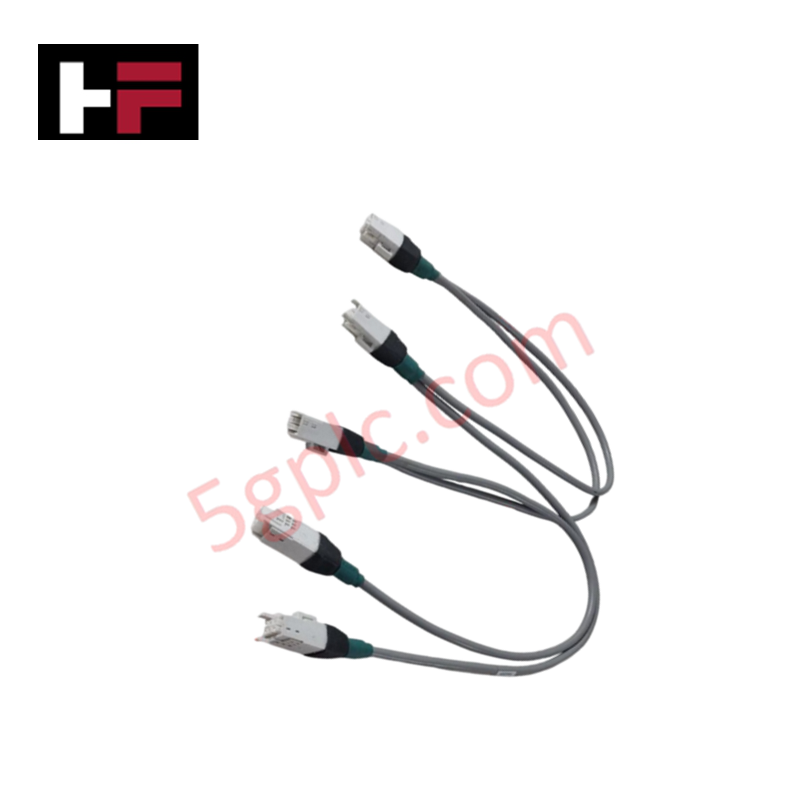
The Honeywell 8U-PWCNTA-CN, also cataloged as the 8U-PWCNTA-CN Power Control Module, operates as a dedicated hardware component for 24 VDC power regulation, distribution filtering, and backplane supply monitoring within Honeywell Experion PKS Series C platforms.
Hardware Specifications
| Parameter | Specification |
|---|---|
| Model | 8U-PWCNTA-CN |
| Brand | Honeywell |
| Origin | USA |
| Weight | Approx. 0.85 kg |
| Dimensions | Standard Experion PKS Series C module footprint |
| Operating Temp | -40 deg C to +70 deg C |
| Power Consumption | Self-consumption approx. 15 W at 20 A full load rating |
| Input / Output Voltage | 24 VDC nominal |
| Maximum Continuous Current | 20 A |
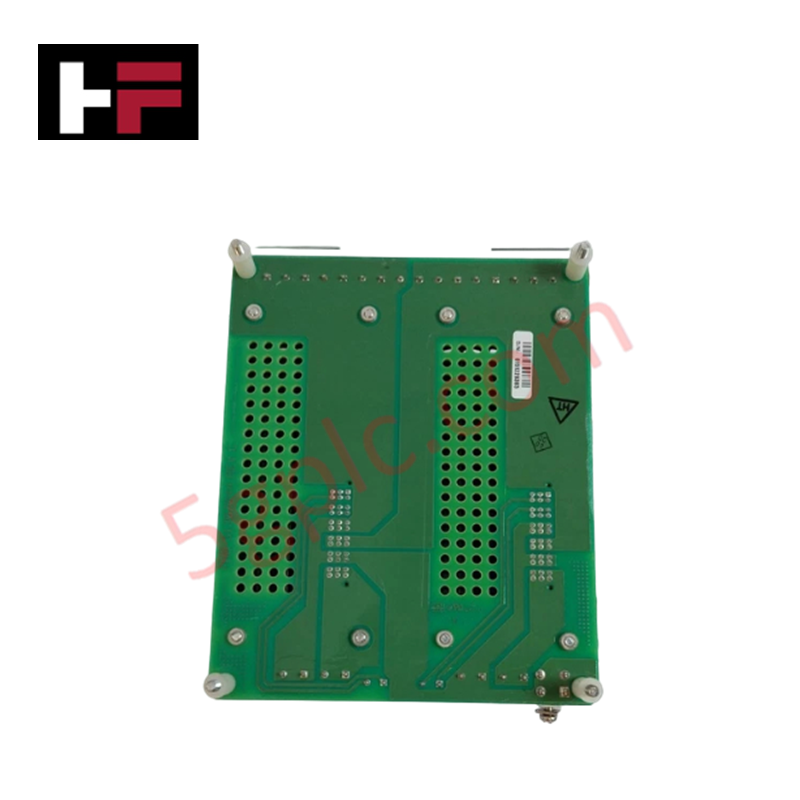
| PCB Flammability Rating | UL 94V-0 |
| Hardware Revision | REV.A |
4-20 mA HART Loop Protocol and Channel-to-Channel Isolation
The module incorporates high-density filtering circuits and internal power bus isolation barriers to maintain channel-to-channel isolation across adjacent Series C I/O modules. By preventing high-frequency switching noise, ripple voltage, and common-mode transients on the primary 24 VDC power bus from coupling into analog processing circuits, the module ensures accurate field signal acquisition for 4-20 mA HART loop protocol instruments connected to the controller rack.
Frequently Asked Questions
Q: What is the purpose of the 94V-0 designation marked on the PCB?
A: The 94V-0 rating designates compliance with the UL 94 plastic flammability standard, certifying that device burning stops within 10 seconds on a vertical specimen without flaming drips.
Q: Can two 8U-PWCNTA-CN power modules be installed for redundant power distribution?
A: Yes, the module architecture supports parallel diode-ORing configurations to provide dual-redundant 24 VDC supply feeds across Experion PKS Series C module carriers.
Q: What protection mechanisms are integrated into the 20 A DC power path?
A: The module includes overcurrent sensing, reverse polarity protection, and overvoltage clamping to isolate fault conditions and protect connected backplane logic.
Field Installation Guidelines
- De-energize incoming 24 VDC supply lines before seating the module into the Series C power distribution carrier.
- Align the circuit card assembly with the rack guide rails and slide in firmly until the locking lever fully engages the backplane connector.
- Torque all terminal block screw connections to manufacturer specified limits to prevent thermal hot spots under 20 A continuous loading conditions.
- Ensure proper cabinet ventilation and clear space around the power module heat sink to allow natural convection cooling.
Additional Information
- 100% Genuine Parts: All products are original and authentic, ensuring reliable industrial performance.
- 30-Day Refund Guarantee: Return any in-stock item within 30 days in original, unopened packaging for a full refund (excluding shipping and fees).
- 12-Month Warranty: Covers defects in materials or workmanship; excludes misuse, normal wear, or unauthorized modifications.
- Worldwide Shipping: We ship via USPS, UPS, FedEx, and DHL. Delivery times vary by country and may be subject to customs or import fees.
- Support & Contact: Technical and warranty assistance is available anytime. Contact us here: Contact.
- Purchase Guidance: Check product specifications and compatibility carefully before ordering to ensure proper application.
Tech & Buying Guide

Comprehensive Guide to Instrumentation and Control (I&C) Design Basis
Instrumentation and Control (I&C) Design Basis serves as the foundational technical document for modern plant engineering. Project teams rely on this master specification to govern engineering deliverables across front-end engineering design (FEED) and detailed execution phases. A well-constructed I&C design basis ensures seamless integration among field instrumentation, safety systems, and main control systems. Furthermore, establishing clear technical standards early mitigates execution risks and prevents costly re-engineering during plant commissioning.

The Shift to Flexible IO Modules in Modern Industrial Automation
Traditional control systems rely on dedicated Input Output (IO) cards for industrial automation. Each conventional module processes a single signal type, such as Digital Input (DI), Digital Output (DO), Analog Input (AI), or Analog Output (AO). A standard 16-channel card accepts only one specific channel type across all ports. This inflexible hardware design often creates severe engineering bottlenecks during project execution. Engineers frequently must install entirely new cards to accommodate a single extra sensor. Consequently, late design changes increase control cabinet space requirements and drive up project costs.

DCS Commissioning Steps in Industrial Automation Projects
Commissioning a Distributed Control System (DCS) represents a crucial milestone when deploying modern process automation infrastructure. Field engineers must execute systematic verification steps to transition complex control hardware from static installation to dynamic plant control. Proper commissioning ensures that controllers, I/O modules, network switches, and HMI software operate in strict compliance with engineering design specifications before introducing live process fluids.