










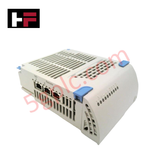
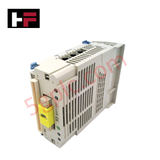
Product Details
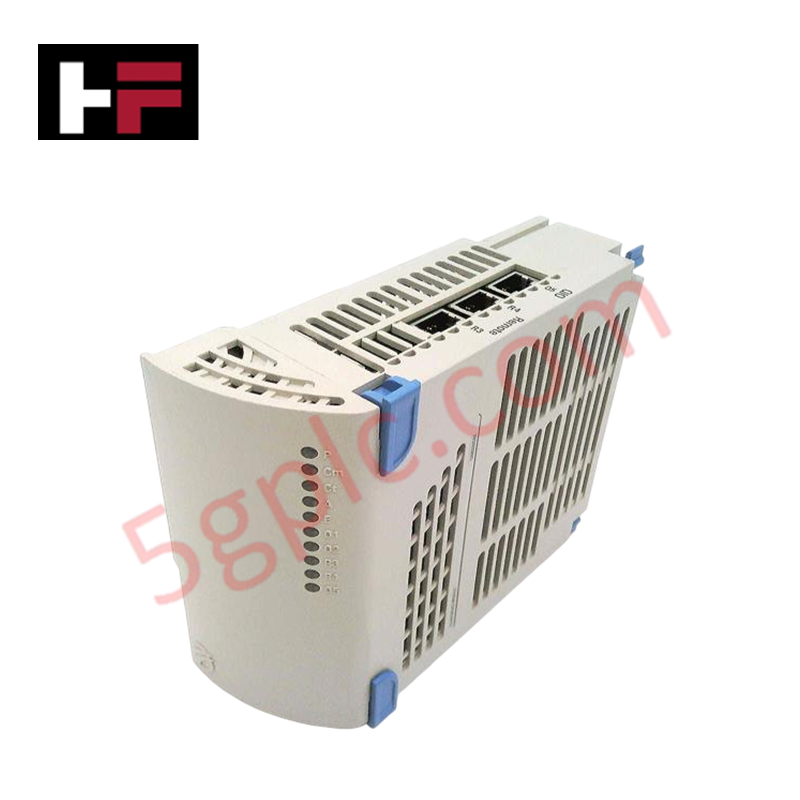
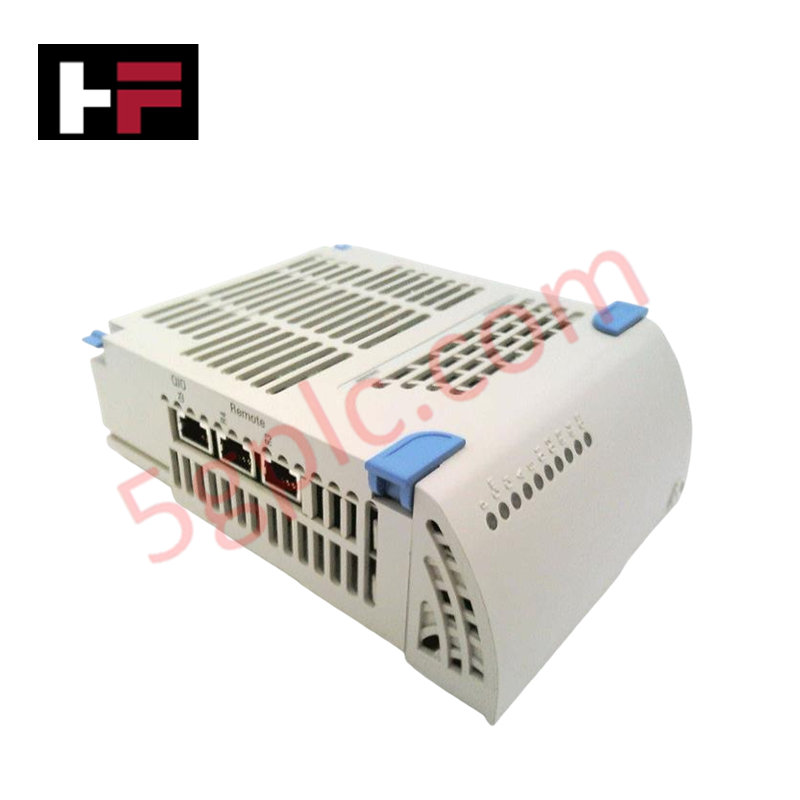
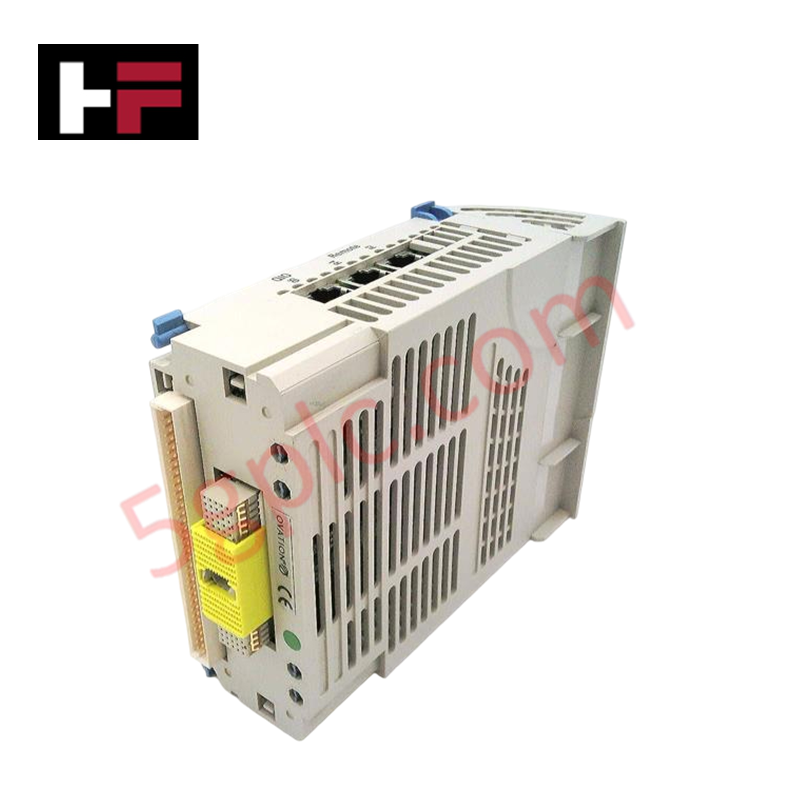
Configured for high-density signal acquisition in Ovation control platforms, the Emerson 5X00499G01 (5X00499G01 Digital Input Module) provides direct physical execution of discrete status monitoring across 32 independent channels.
Hardware Specifications
| Parameter | Specification |
|---|---|
| Model | 5X00499G01 |
| Brand | Emerson |
| Origin | USA |
| Weight | Standard Ovation module weight |
| Dimensions | Standard Ovation I/O form factor |
| Operating Temp | Industrial standard range |
| Power Consumption | System-dependent load |
| Channel Count | 32 Digital Inputs |
| Input Rating | 24 VDC |
4-20 mA HART Loop Protocol
The 5X00499G01 module incorporates advanced channel-to-channel isolation to prevent ground loop interference when interfacing with various field sensors, including limit switches, pressure sensors, and flow meters. In systems where field instrumentation requires secondary diagnostic verification, the module maintains signal integrity compliant with standard process control loops. The isolation architecture ensures that each of the 32 input channels is electrically independent, minimizing the impact of potential field-side faults on the remaining input channels. Cold junction compensation (CJC) is not required for this discrete module, as it is dedicated to digital state detection rather than thermal analog conversion.
Frequently Asked Questions
Q: Does the 5X00499G01 module support hot-swapping while the Ovation control system is active?
A: The Ovation I/O architecture generally supports online module replacement. Ensure that the associated I/O task is properly inhibited or the channel mapping is verified before removing the module to prevent unintended process state changes or system alarms.
Q: Can the 24 VDC input threshold be adjusted for non-standard signal voltages?
A: No, the input threshold is fixed for standard 24 VDC industrial logic levels. Attempting to use voltage levels outside the specified operating range may result in failure to detect state changes or internal circuitry damage.
Field Installation Guidelines
- Ensure the Ovation I/O rack slot is clean and free of debris prior to module insertion; align the module with the backplane guides to prevent pin damage.
- Terminate field wiring using the appropriate terminal block assembly; ensure proper torque settings to maintain secure connections for all 32 channels.
- Utilize shielded twisted-pair cabling for all input signals to minimize electromagnetic interference (EMI) ingress from nearby power cabling.
- Verify that the shield drain wire is connected to a common instrument ground point at the cabinet entry, ensuring consistent reference potential across the I/O system.
- Confirm the module status LEDs indicate normal operation upon power-up and verify channel-level status via the Ovation engineering workstation.
Additional Information
- 100% Genuine Parts: All products are original and authentic, ensuring reliable industrial performance.
- 30-Day Refund Guarantee: Return any in-stock item within 30 days in original, unopened packaging for a full refund (excluding shipping and fees).
- 12-Month Warranty: Covers defects in materials or workmanship; excludes misuse, normal wear, or unauthorized modifications.
- Worldwide Shipping: We ship via USPS, UPS, FedEx, and DHL. Delivery times vary by country and may be subject to customs or import fees.
- Support & Contact: Technical and warranty assistance is available anytime. Contact us here: Contact.
- Purchase Guidance: Check product specifications and compatibility carefully before ordering to ensure proper application.




Tech & Buying Guide
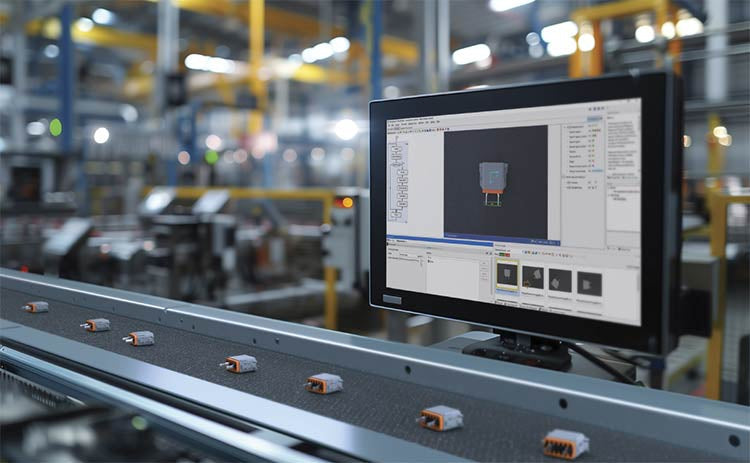
Modern Industrial Automation: Transforming Safety and Efficiency in Mining Operations
Industrial automation has evolved from a simple manufacturing tool into the operational backbone of high-risk sectors. Modern mining operations increasingly rely on advanced control systems, programmable logic controllers (PLCs), distributed control systems (DCS), and artificial intelligence to address deep-underground hazards. By replacing manual labor in high-risk zones, factory automation technologies protect personnel while significantly boosting operational throughput.

Step-by-Step System Cabinet Health Check Guide for PLC and DCS Infrastructure
