










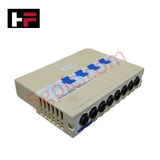
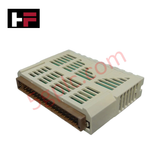
Product Details
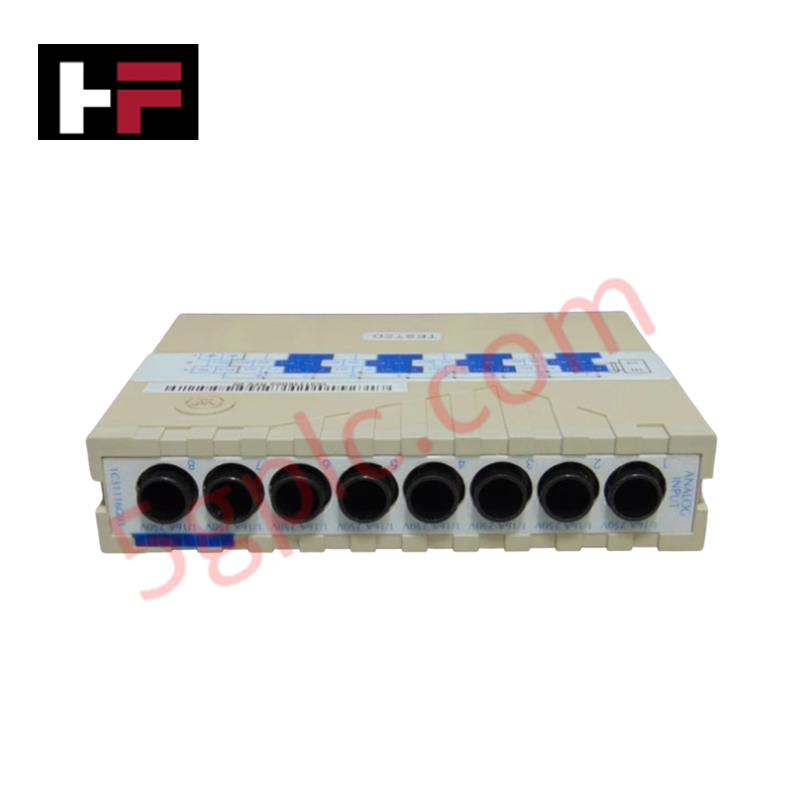
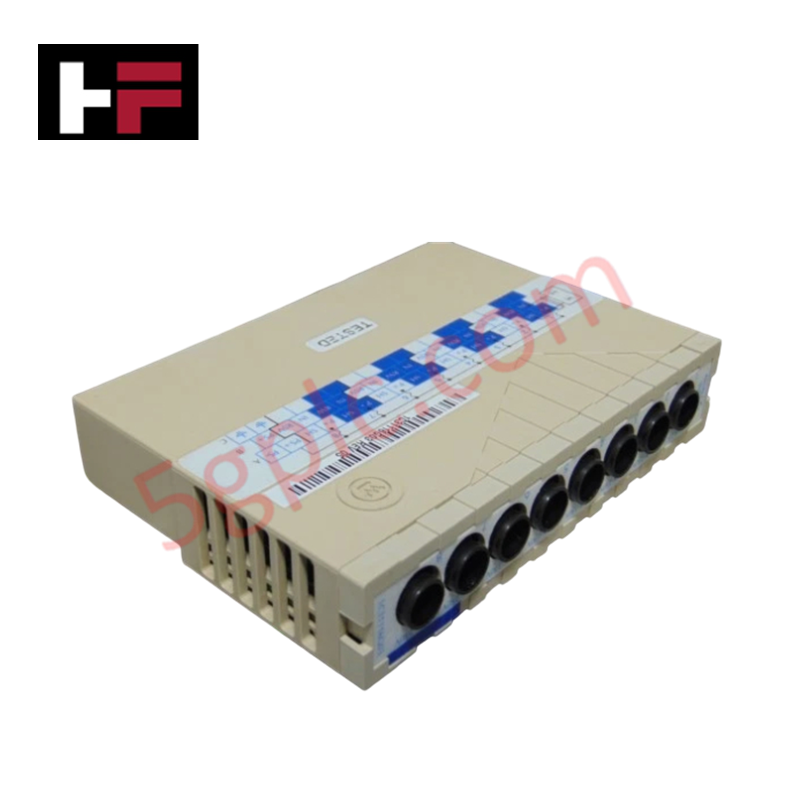
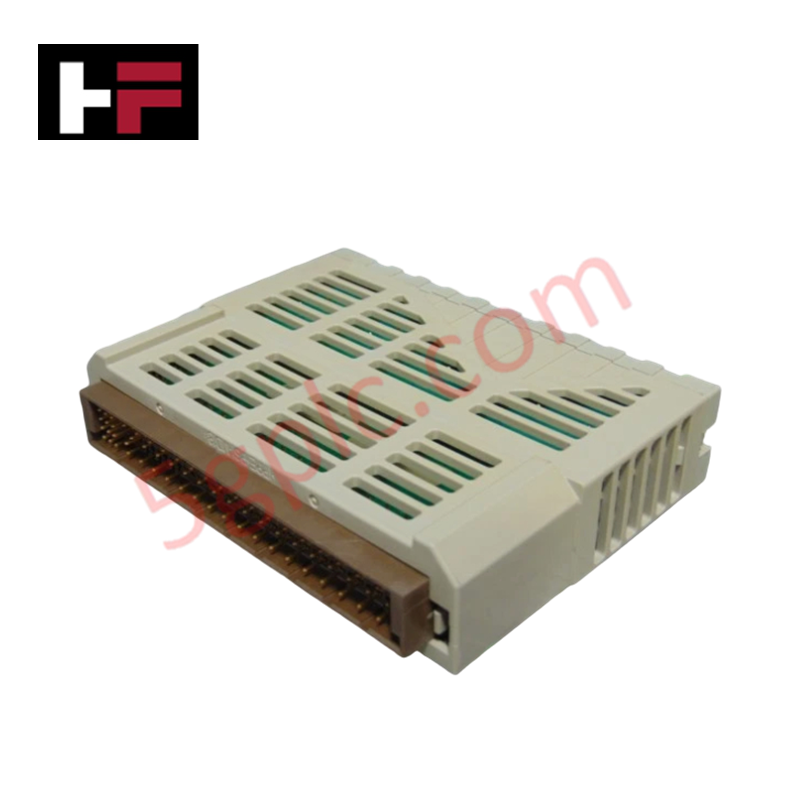
Configured for high-density process signal acquisition in Ovation control platforms, the Emerson 1C31116G03 (1C31116G03) provides direct physical execution of 0-20 mA analog input monitoring.
Hardware Specifications
| Parameter | Specification |
|---|---|
| Model | 1C31116G03 |
| Brand | Emerson / Westinghouse |
| Origin | Manufacturer-defined |
| Weight | 0.17 kg |
| Dimensions | Standard Ovation module form factor |
| Operating Temp | Industrial standard range |
| Power Consumption | System-dependent load |
| Input Signal | 0-20 mA |
4-20 mA HART Loop Protocol
The 1C31116G03 module is engineered to interface with standard current-loop instrumentation. While the module is specified for a 0-20 mA range, it maintains inherent compatibility with 4-20 mA HART loop protocol signaling, allowing for the acquisition of primary process variables. The module design incorporates channel-to-channel isolation to prevent ground loops and common-mode signal interference, which is necessary for maintaining measurement accuracy in high-density I/O racks. This isolation barrier protects the controller backplane from field-side voltage transients.
Frequently Asked Questions
Q: Does the 1C31116G03 module support hot-swap installation?
A: The module supports hot-swapping within the Ovation I/O chassis. Operators must inhibit the associated input points in the control logic prior to module extraction to prevent diagnostic error flags or erroneous process data entries.
Q: Is field configuration of the input range required?
A: The 1C31116G03 signal scaling is configured via the Ovation engineering workstation. There are no physical hardware jumpers on the module for manual range adjustment.
Field Installation Guidelines
- Ensure the I/O chassis slot is clear of debris and the backplane connectors are intact.
- Align the module with the cabinet guide rails and insert until the connector interface is fully seated.
- Secure the module using the provided locking levers to maintain electrical contact and structural stability.
- Terminate signal conductors to the appropriate terminal block; ensure shielded twisted-pair cables are used and bonded to a single cabinet ground point.
- Verify signal validity and input status within the Ovation diagnostic database after system power-up.
Additional Information
- 100% Genuine Parts: All products are original and authentic, ensuring reliable industrial performance.
- 30-Day Refund Guarantee: Return any in-stock item within 30 days in original, unopened packaging for a full refund (excluding shipping and fees).
- 12-Month Warranty: Covers defects in materials or workmanship; excludes misuse, normal wear, or unauthorized modifications.
- Worldwide Shipping: We ship via USPS, UPS, FedEx, and DHL. Delivery times vary by country and may be subject to customs or import fees.
- Support & Contact: Technical and warranty assistance is available anytime. Contact us here: Contact.
- Purchase Guidance: Check product specifications and compatibility carefully before ordering to ensure proper application.




Tech & Buying Guide
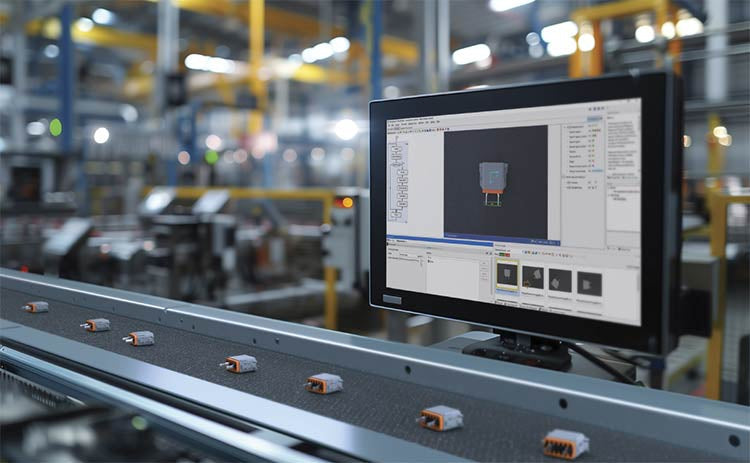
Modern Industrial Automation: Transforming Safety and Efficiency in Mining Operations
Industrial automation has evolved from a simple manufacturing tool into the operational backbone of high-risk sectors. Modern mining operations increasingly rely on advanced control systems, programmable logic controllers (PLCs), distributed control systems (DCS), and artificial intelligence to address deep-underground hazards. By replacing manual labor in high-risk zones, factory automation technologies protect personnel while significantly boosting operational throughput.

Step-by-Step System Cabinet Health Check Guide for PLC and DCS Infrastructure
