










Product Details
Product Overview
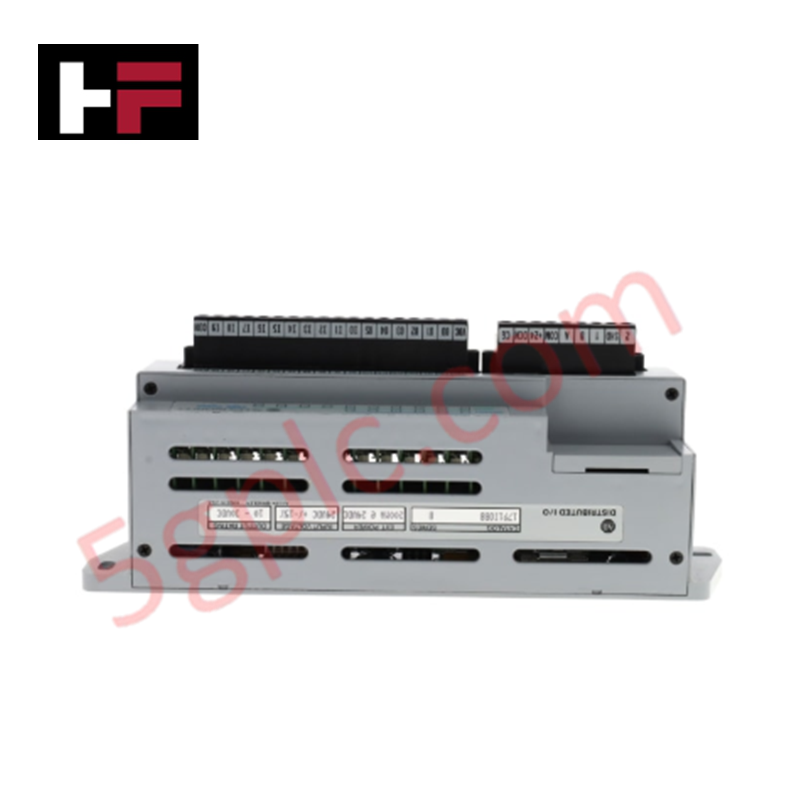
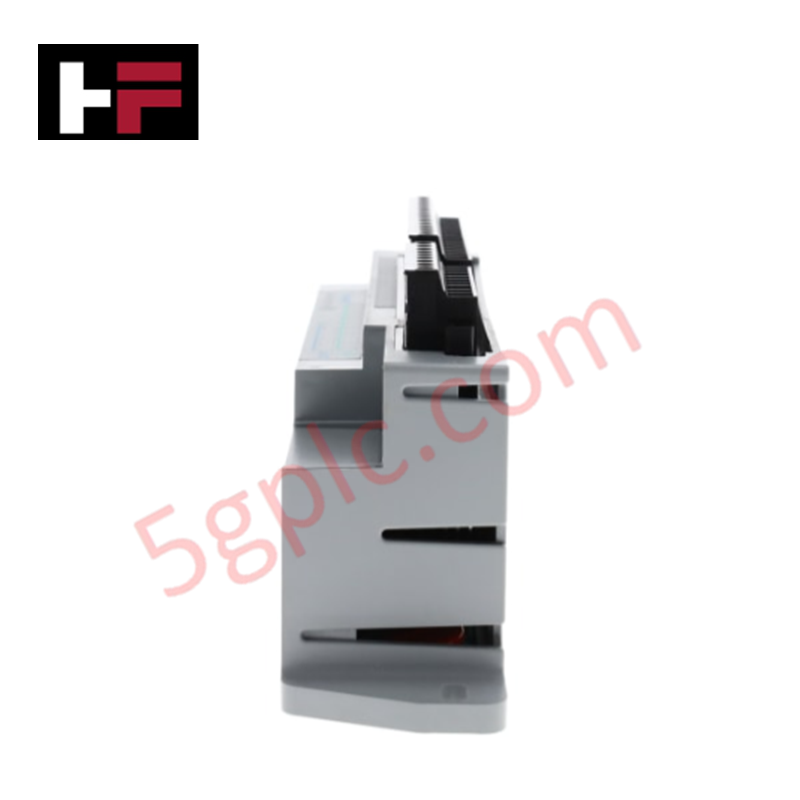
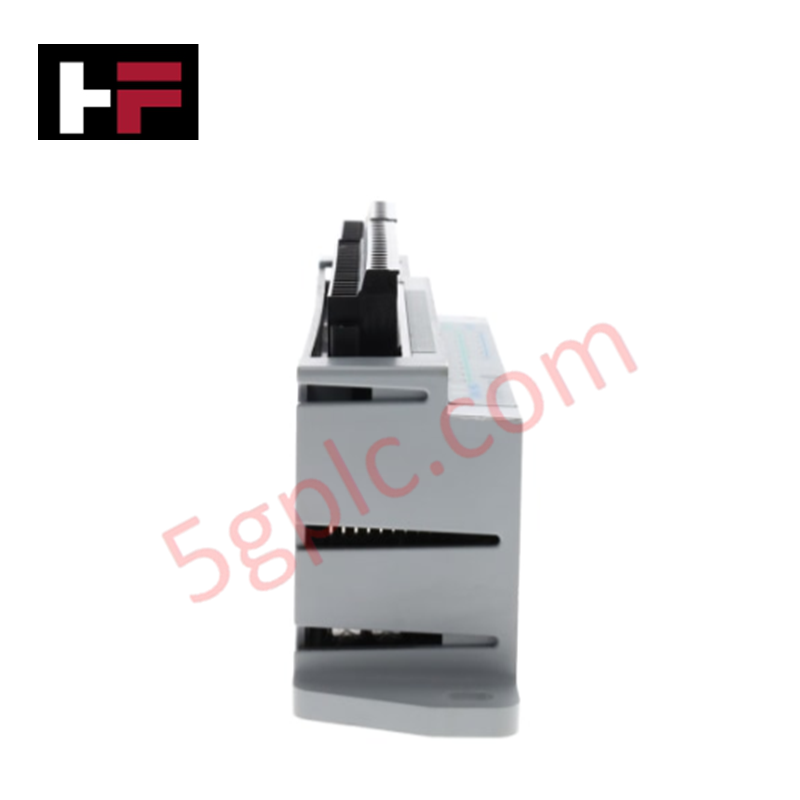
The Allen Bradley 1791-IOBB serves as a compact, self-contained digital I/O solution within the 1791 Block I/O series. It provides high-density interfacing for PLC systems, allowing engineers to distribute control closer to field devices. This module specifically manages 6 sourcing outputs, converting controller logic into 24V DC power to drive solenoids, actuators, and indicators. Although the manufacturer has shifted this series to obsolete status, we provide this unit as 100% Brand New original stock to maintain your existing infrastructure without expensive system migrations.
Technical Specifications
| Feature | Specification Details |
| Manufacturer | Allen Bradley / Rockwell Automation |
| Part Number | 1791-IOBB |
| Input Voltage Range | 20.5 to 27.6V DC |
| Number of Outputs | 6 Channels |
| Output Type | Sourcing (Source) |
| Rated Output Voltage | 10 to 30V DC |
| Maximum Power Dissipation | 12.39 Watts |
| Maximum Thermal Dissipation | 42.4 BTU/hr |
| Operating Temperature | 0°C to 55°C (32°F to 131°F) |
| Relative Humidity | 5% to 95% (Non-condensing) |
| Weight | 0.69 lbs (0.31 kg) |
Engineering Advantages
-
Optimized Distributive Control: The 1791-IOBB utilizes a "Block" architecture that eliminates the need for a separate chassis. This design reduces internal cabinet wiring and allows for mounting in localized junction boxes closer to the mechanical process.
-
High-Efficiency Sourcing Outputs: The sourcing output configuration delivers positive voltage directly to the load. This standardizes wiring across the system and simplifies troubleshooting by allowing technicians to measure voltage against a common ground.
-
Effective Thermal Management: Despite its compact footprint, the module handles up to 42.4 BTU/hr of thermal dissipation. This internal thermal regulation prevents the overheating of electronic components even during high-duty cycle operations in standard industrial enclosures.
-
Legacy Infrastructure Longevity: As a direct replacement for discontinued units, the 1791-IOBB restores system functionality instantly. It removes the risk associated with used or refurbished parts, ensuring your legacy SLC or PLC-5 systems continue to operate with factory-new reliability.
FAQs
-
Is the 1791-IOBB compatible with standard 24V DC power supplies?
Yes. The module operates within a range of 20.5 to 27.6V DC. It integrates seamlessly with standard industrial power supplies, though you must ensure the supply provides stable current to accommodate the 12.39W maximum power dissipation.
-
What is the primary difference between a sourcing and sinking output?
The 1791-IOBB provides sourcing outputs, meaning the module "sources" or provides the positive DC voltage to the field device. The device then connects to the negative common. This differs from sinking modules, which provide a path to ground.
-
How do I handle the "Discontinued" status for my maintenance plan?
By purchasing our 100% Brand New original stock, you bypass the typical lead times and reliability risks of finding obsolete parts. This allows you to stock critical spares and avoid the massive capital expenditure of a full PLC system upgrade.
-
Can this module withstand high-humidity environments?
The module operates safely in environments with 5% to 95% relative humidity, provided it remains non-condensing. For extreme conditions, ensure the enclosure provides adequate protection against moisture ingress to prevent short circuits.
Additional Information
- 100% Genuine Parts: All products are original and authentic, ensuring reliable industrial performance.
- 30-Day Refund Guarantee: Return any in-stock item within 30 days in original, unopened packaging for a full refund (excluding shipping and fees).
- 12-Month Warranty: Covers defects in materials or workmanship; excludes misuse, normal wear, or unauthorized modifications.
- Worldwide Shipping: We ship via USPS, UPS, FedEx, and DHL. Delivery times vary by country and may be subject to customs or import fees.
- Support & Contact: Technical and warranty assistance is available anytime. Contact us here: Contact.
- Purchase Guidance: Check product specifications and compatibility carefully before ordering to ensure proper application.
Tech & Buying Guide
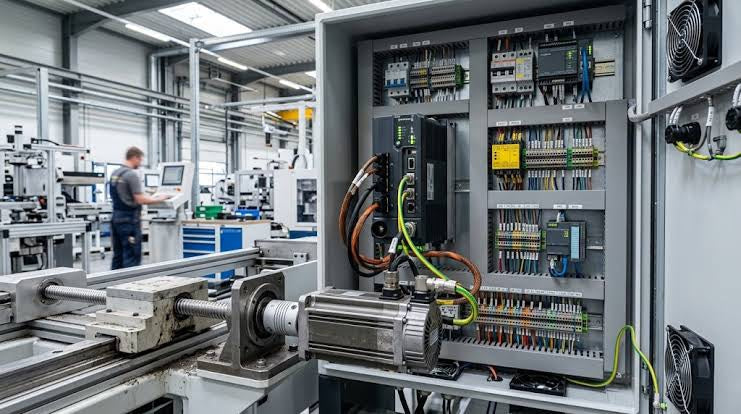
Demystifying Programmable Logic Controllers: Comprehensive Guide to PLC Classification and Selection in Industrial Automation
Modern industrial automation heavily relies on Programmable Logic Controllers (PLCs) to drive factory floor efficiency. Over my 15 years as an industrial automation expert working with DCS, TSI, and control systems, I have seen PLCs evolve into the central nervous system of modern manufacturing. Selecting the right controller requires a deep understanding of PLC types based on physical size, hardware architecture, and power supply configurations.
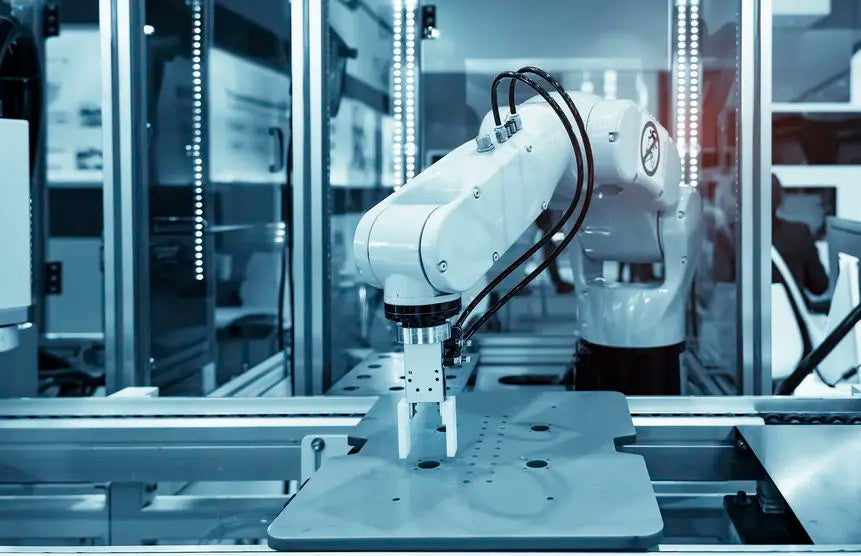
Comprehensive Guide to PLC Types in Modern Industrial Automation
Modern industrial automation relies on programmable logic controllers to govern critical factory operations. System integrators classify PLCs based on scale, hardware architecture, and power supply design. Understanding these core categories enables automation engineers to select the right control system architecture. Consequently, proper hardware selection optimizes performance while minimizing long-term operational costs.

Demystifying the DDE Protocol in Legacy Industrial Automation Systems
Modern control systems rely heavily on seamless interprocess communication to exchange operational data between software programs. Microsoft first introduced the Dynamic Data Exchange (DDE) protocol in 1987 to enable real-time data sharing. In factory automation, DDE served as an early bridge between control software and Windows desktop applications. Therefore, understanding DDE mechanics provides crucial insights into how legacy industrial networks established software-level connectivity.