










Product Details
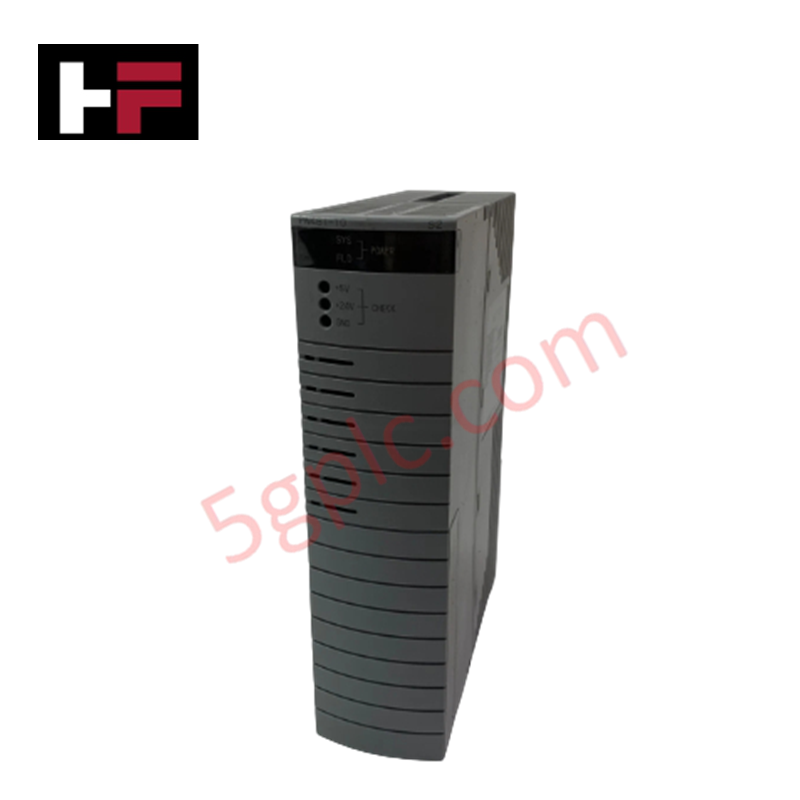
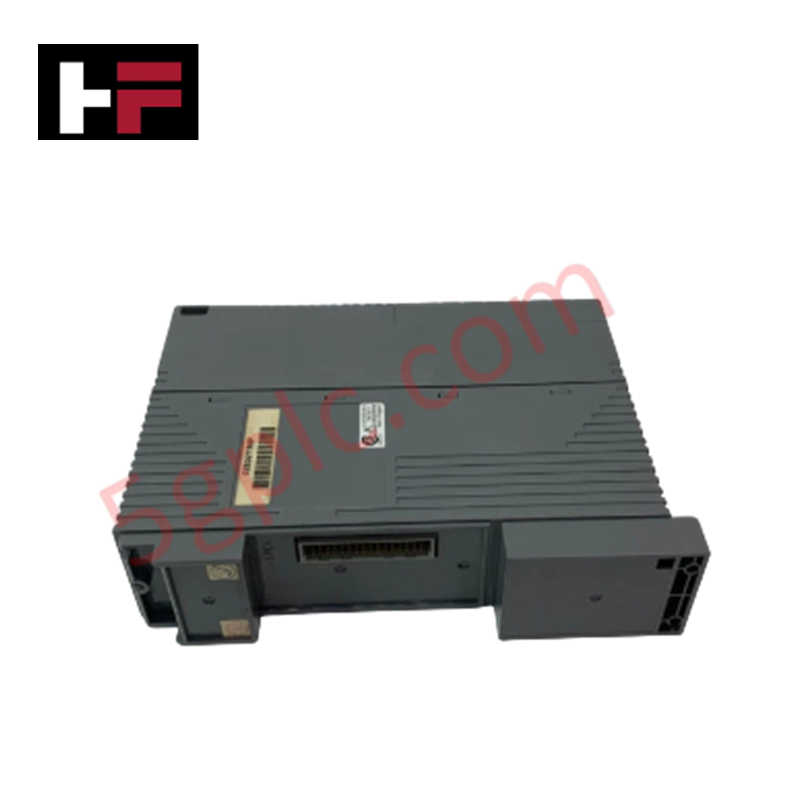
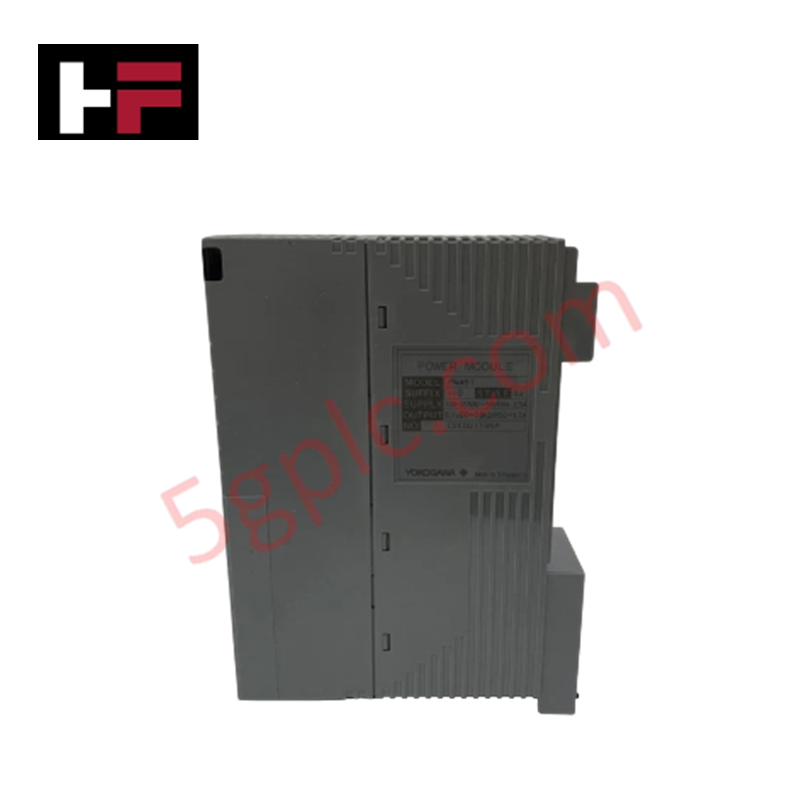
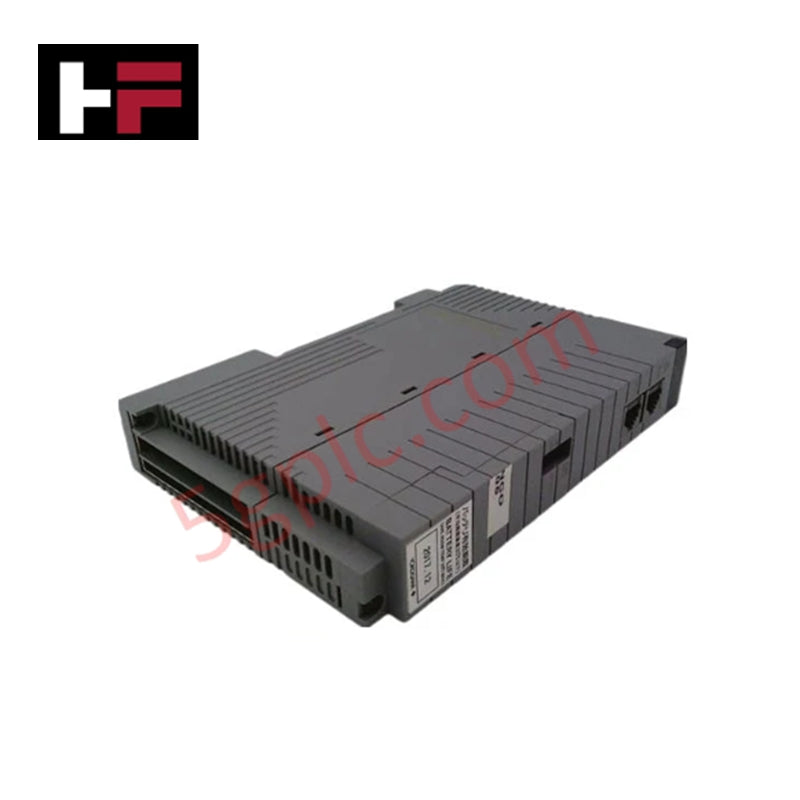
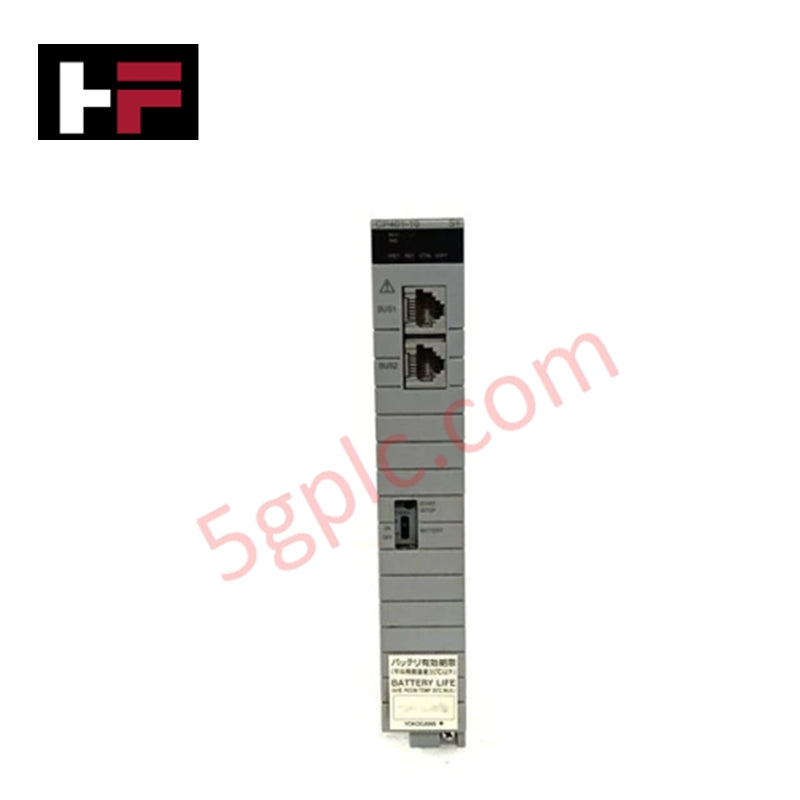
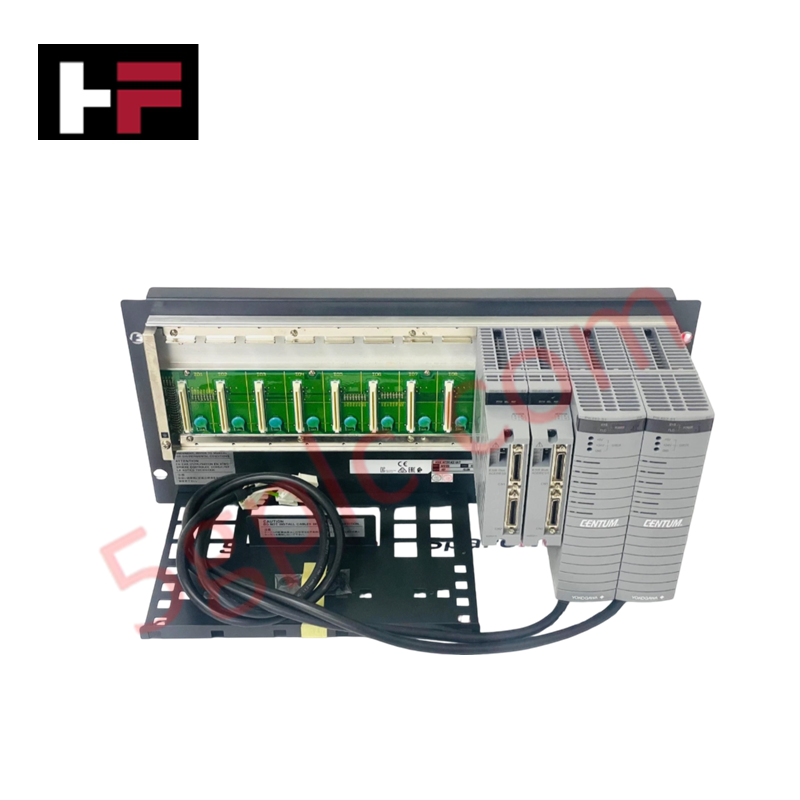
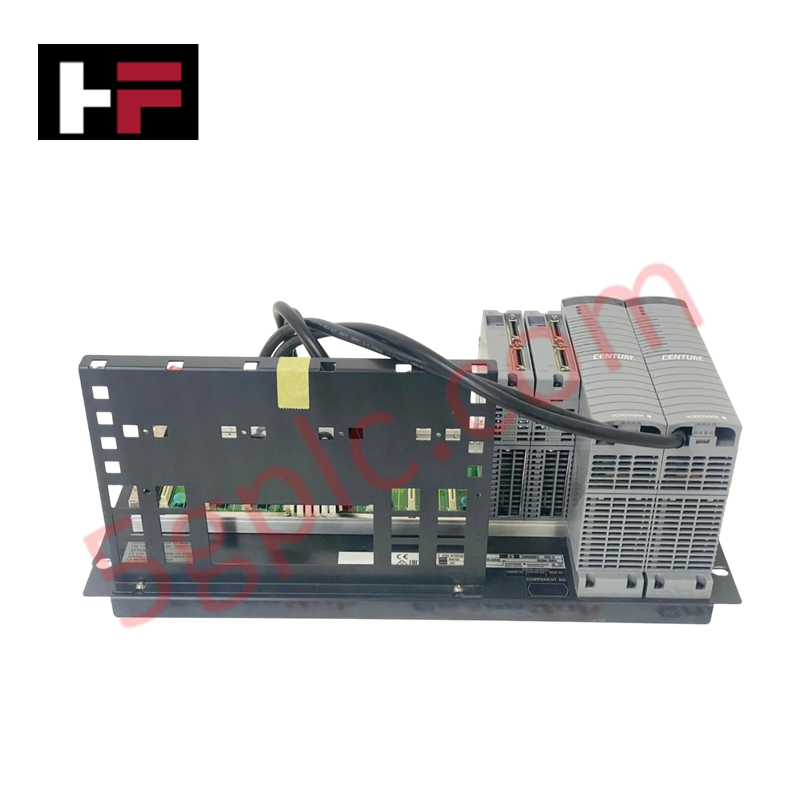
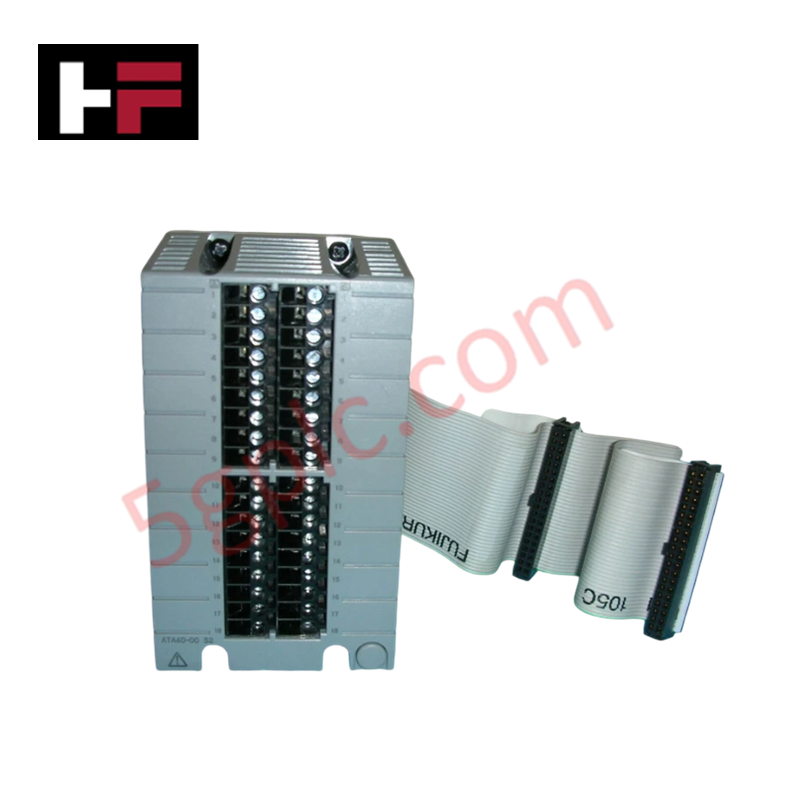
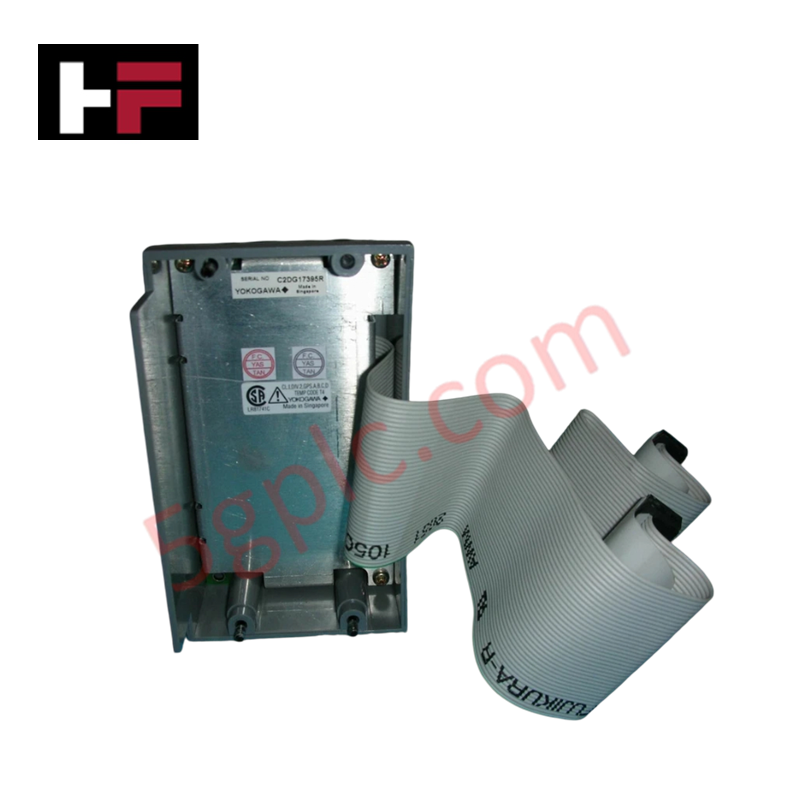
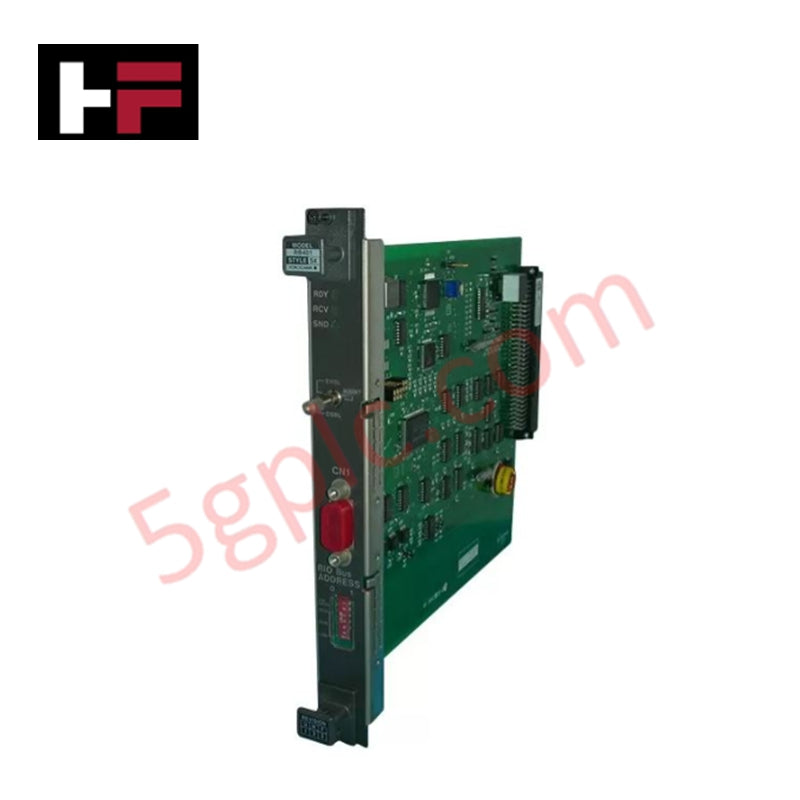
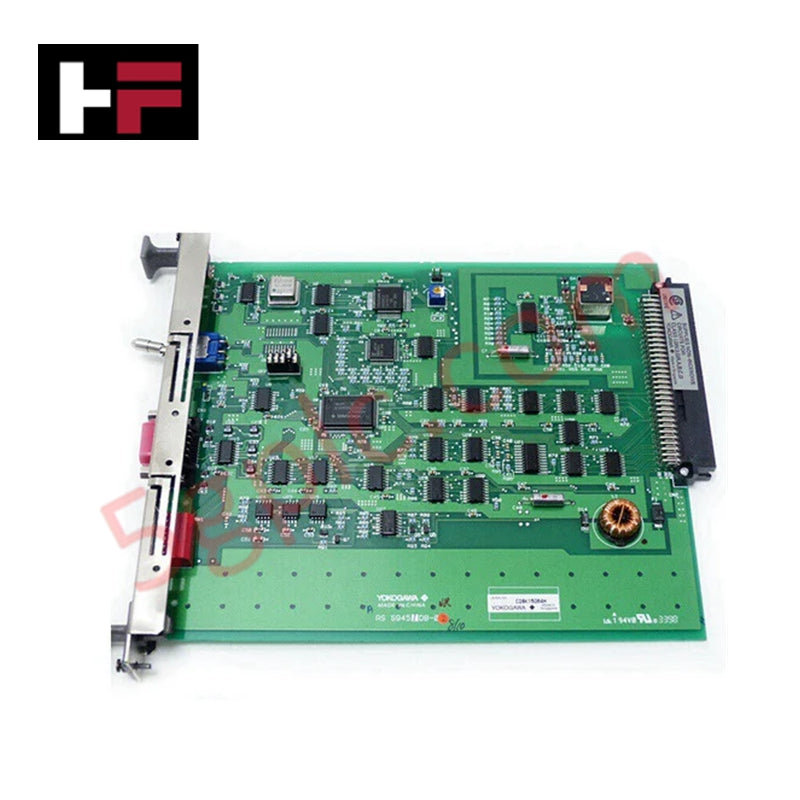
The Yokogawa PW481-10, also cataloged as the PW481 Power Supply Module, operates as a dedicated hardware component for 100-120 V AC to 24 V DC power conversion and rail voltage distribution within Yokogawa automation system networks.
Suffix Breakdown & Model Matrix
- PW481: Base model designating 100-120 V AC input to 24 V DC output power supply module.
- -10: Standard hardware revision code indicating basic non-explosion-proof configuration.
Hardware Specifications
| Parameter | Specification |
|---|---|
| Model | PW481-10 |
| Brand | Yokogawa |
| Origin | Japan |
| Input Voltage | 100-120 V AC, 50/60 Hz (+/-10%) |
| Output Voltage | 24 V DC |
| Output Current | 2.5 A |
| Mounting | DIN Rail |
| Status Visuals | Front-panel LED power status indicators |
| Weight | 1.04 kg (2.29 lbs) |
| Dimensions | 5.1 cm x 20.3 cm x 15.2 cm (2.0 in x 8.0 in x 6.0 in) |
| Operating Temp | -20 to 60 deg C |
| Power Consumption | 200 VA (Maximum) |
Yokogawa Rail Power Conditioning & DCS Channel-to-Channel Isolation
The power supply module steps down single-phase utility voltage to a regulated 24 V DC bus to energize downstream controllers, digital sensors, and field I/O modules. The internal transformer topology provides primary-to-secondary galvanic isolation, limiting ground loop coupling and shielding sensitive 4-20 mA HART loop protocol instruments and fieldbus communication buses from AC line transients and voltage fluctuations.
Frequently Asked Questions
Q: What input line tolerances apply to the PW481-10 module during AC mains fluctuations?
A: The module operates across an input range of 100-120 V AC at 50/60 Hz with an allowable voltage variance threshold of +/-10%.
Q: Does replacing a PW481-10 module disrupt adjacent DIN rail components?
A: No, the module unlatches directly from the DIN rail and disconnects via standard terminal interfaces without unmounting surrounding rail equipment.
Field Installation Guidelines
Mount the PW481-10 module onto a standard 35 mm DIN rail inside the enclosure, ensuring top and bottom ventilation clearances are maintained for natural convection cooling. Secure input AC power leads and output 24 V DC conductors to their respective screw terminals, applying proper wiring torque. Connect the earth terminal directly to the central cabinet grounding bar using a low-impedance copper strap to minimize high-frequency common-mode noise.
Additional Information
- 100% Genuine Parts: All products are original and authentic, ensuring reliable industrial performance.
- 30-Day Refund Guarantee: Return any in-stock item within 30 days in original, unopened packaging for a full refund (excluding shipping and fees).
- 12-Month Warranty: Covers defects in materials or workmanship; excludes misuse, normal wear, or unauthorized modifications.
- Worldwide Shipping: We ship via USPS, UPS, FedEx, and DHL. Delivery times vary by country and may be subject to customs or import fees.
- Support & Contact: Technical and warranty assistance is available anytime. Contact us here: Contact.
- Purchase Guidance: Check product specifications and compatibility carefully before ordering to ensure proper application.


Tech & Buying Guide

Top 5 Operational Advantages of HMIs in Modern Factory Automation

Importance of Safety Barriers in PLC and DCS Control Systems
