












Product Details
Product Overview
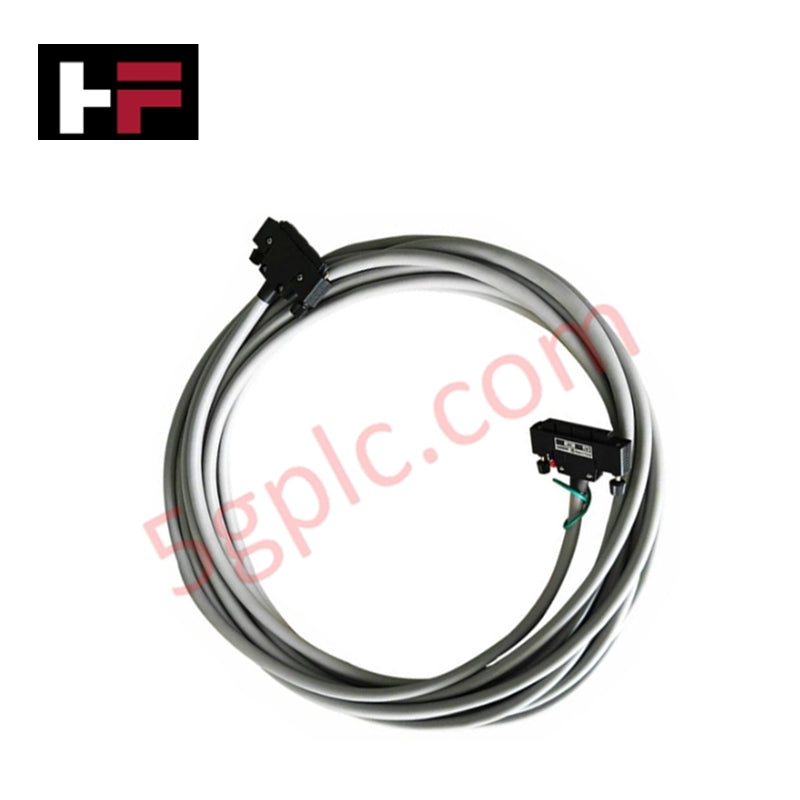
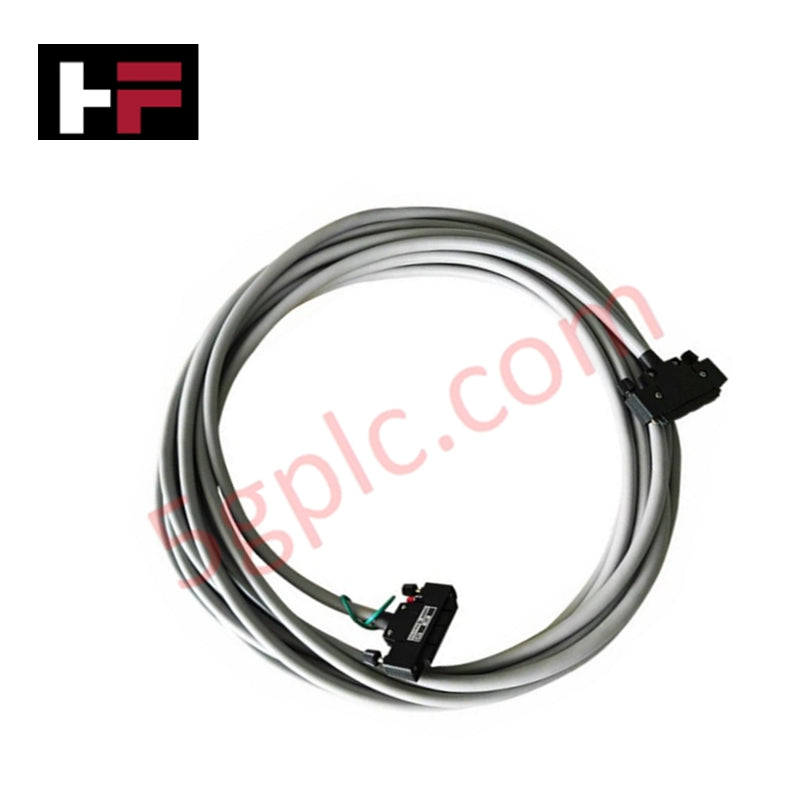
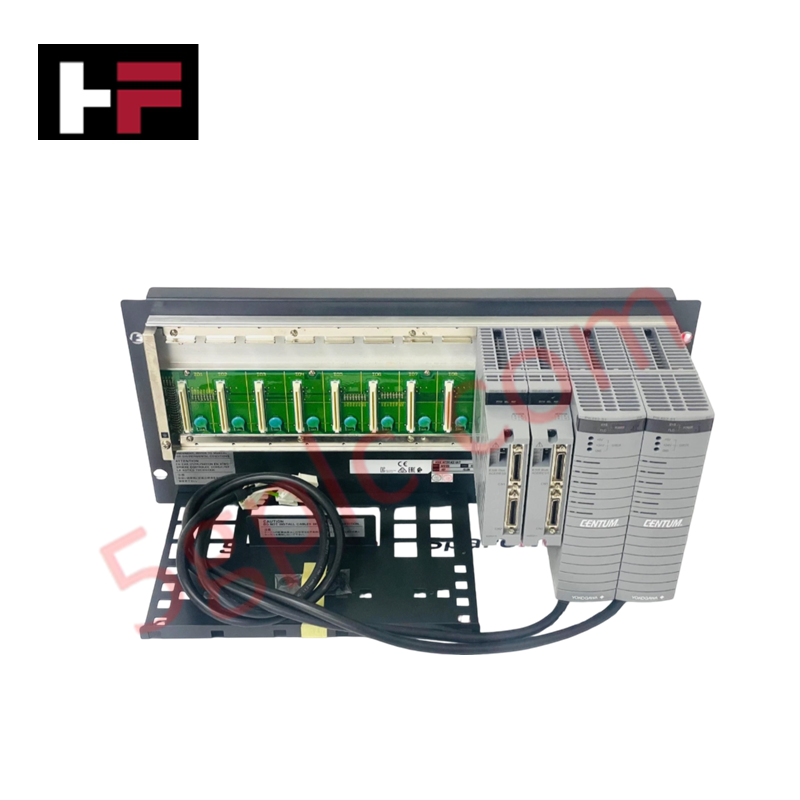
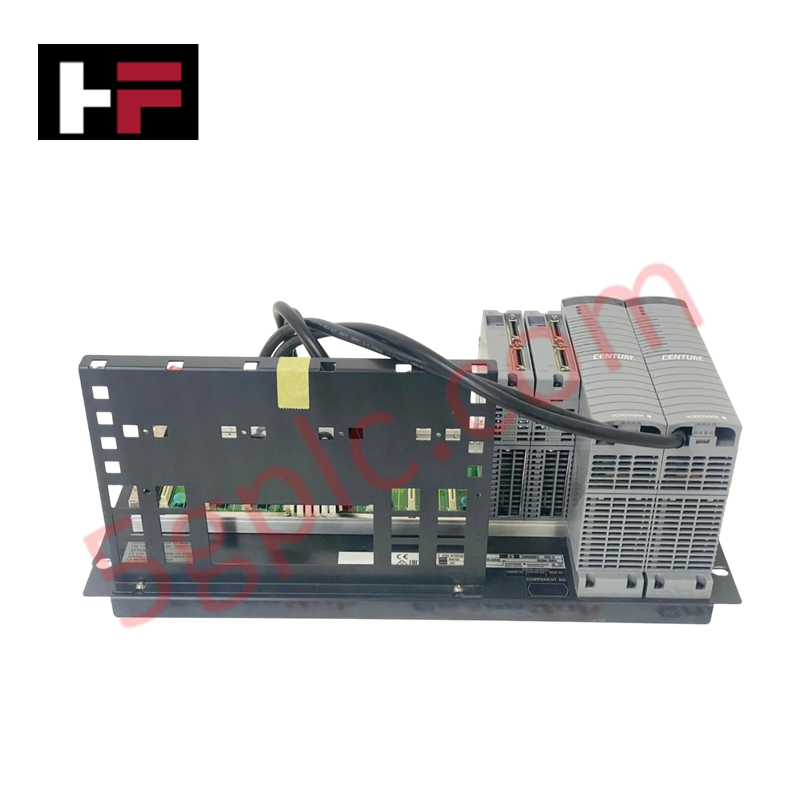
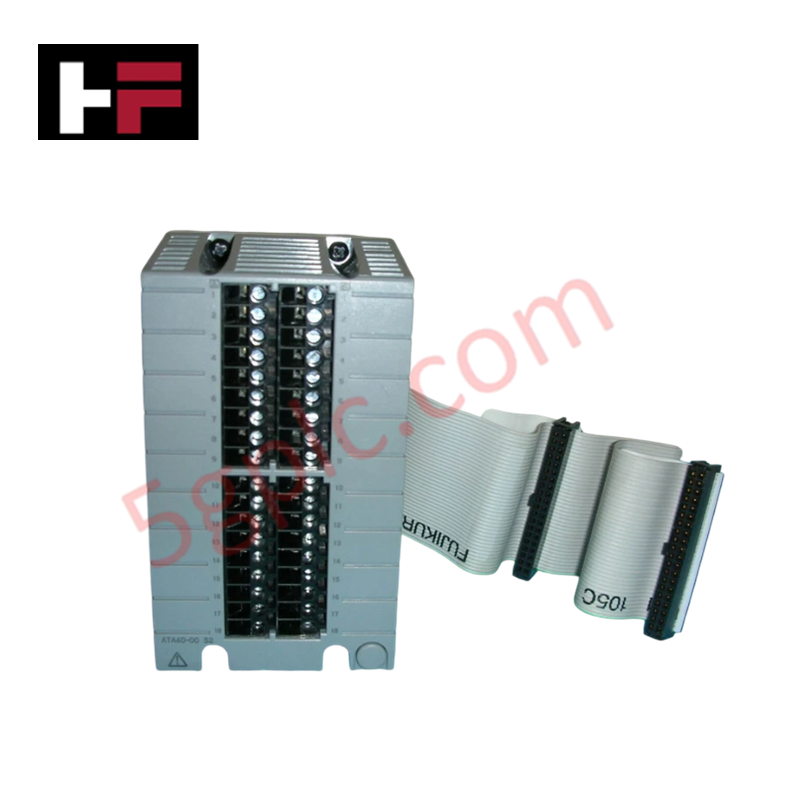
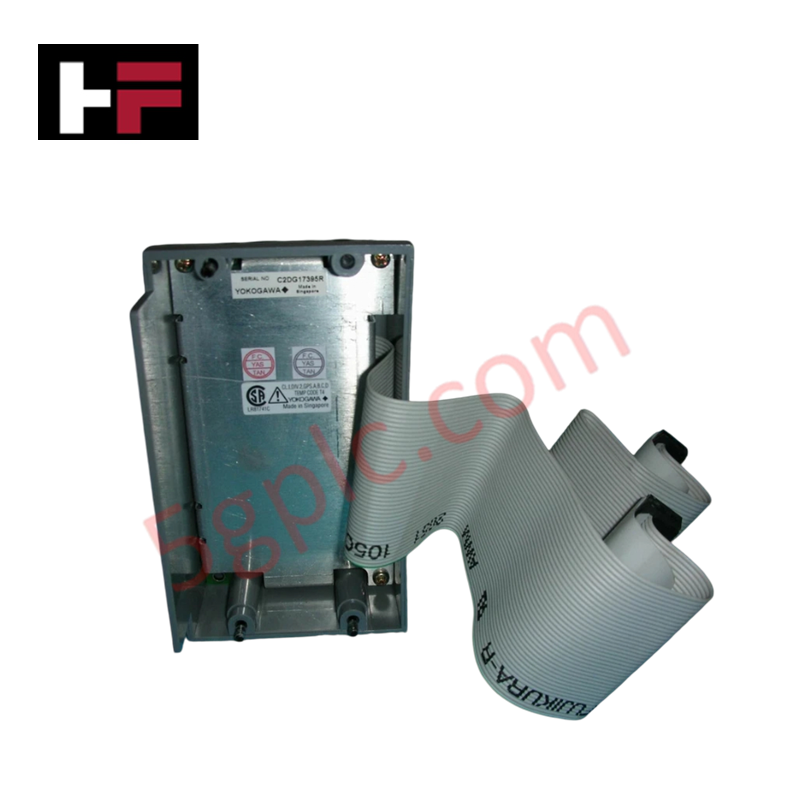
The Yokogawa KS1-20 acts as a high-integrity signal transmission bridge between I/O modules and terminal boards within the CENTUM series architecture. This 40-to-40 pin interface cable handles multi-channel analog and digital data routing with minimal signal attenuation. Engineered for long-distance cabinet-to-cabinet patching, this cable ensures seamless communication across the process control network. We supply this product as 100% Brand New, ensuring factory-certified conductivity and insulation for mission-critical applications.
Part Number Breakdown
The KS1 series follows a modular nomenclature to define connector type, length, and hardware revision:
| Code Segment | Specification | Description |
| KS1 | Model | Signal Cable with 40-40 pin configuration |
| -20 | Length | Specifies a cable length of 20 meters |
| *B | Style | Style B hardware revision for optimized shielding |
Technical Specifications
The KS1-20 provides a robust physical link designed to withstand the rigors of industrial cabinet environments.
-
Manufacturer: Yokogawa
-
Interface Type: 40-pin to 40-pin connectors
-
Cable Length: 20 Meters (Maximum standard length)
-
Style Code: Style B (Current revision)
-
Application: Connects I/O modules to terminal units or power distribution boards
-
Signal Type: Multi-core signal transmission
-
Condition: 100% Brand New and Original
Engineering Advantages
The KS1-20 addresses critical wiring challenges in large-scale plant deployments:
-
Extended Reach for Remote Racks: The 20-meter length permits flexible positioning of terminal boards relative to the CPU or I/O rack. This solves the problem of rigid cabinet layouts and allows engineers to centralize field wiring in separate enclosures.
-
High-Density Connector Design: The 40-pin interface consolidates multiple signal loops into a single assembly. This reduces cable clutter, simplifies cable management, and significantly cuts down on labor hours during system commissioning.
-
Signal Cross-talk Suppression: The Style B revision incorporates improved internal twisting and shielding techniques. These features reject electromagnetic interference (EMI) from nearby power cables, maintaining the accuracy of sensitive 4-20mA analog loops.
-
Secure Connection Locking: The industrial-grade connectors include mechanical fastening mechanisms. This prevents accidental disconnection caused by vibration or cable strain, ensuring 24/7 process uptime.
FAQs
Can I cut the KS1-20 to a shorter length in the field?
We strongly advise against field modifications. Yokogawa factory-terminates these cables with precision-molded connectors and rigorous continuity testing. Altering the cable length manually voids the warranty and risks signal integrity issues due to improper shielding termination.
How does Style B differ from the original Style A?
Style B represents a hardware improvement in materials and shielding effectiveness. While typically backward compatible with Style A applications, Style B offers superior mechanical durability and better resistance to environmental degradation in harsh industrial atmospheres.
What is the minimum bend radius for the KS1-20?
During installation, technicians must maintain a bend radius of at least six times the cable diameter. Sharp bends can damage the internal 40-core structure, leading to intermittent signal failure or permanent conductor breakage.
Additional Information
- 100% Genuine Parts: All products are original and authentic, ensuring reliable industrial performance.
- 30-Day Refund Guarantee: Return any in-stock item within 30 days in original, unopened packaging for a full refund (excluding shipping and fees).
- 12-Month Warranty: Covers defects in materials or workmanship; excludes misuse, normal wear, or unauthorized modifications.
- Worldwide Shipping: We ship via USPS, UPS, FedEx, and DHL. Delivery times vary by country and may be subject to customs or import fees.
- Support & Contact: Technical and warranty assistance is available anytime. Contact us here: Contact.
- Purchase Guidance: Check product specifications and compatibility carefully before ordering to ensure proper application.


Tech & Buying Guide

Understanding Marshalling Cabinets in Industrial Control Systems Architecture
Industrial control system deployments rely on structured signal distribution to bridge field instrumentation with central processing hardware. A marshalling cabinet serves as the vital intermediate connection point between heavy field home-run multi-pair cables and delicate input/output (I/O) modules housed inside Programmable Logic Controller (PLC) or Distributed Control System (DCS) enclosures. By segregating field cable terminations from control hardware, engineers maintain system flexibility, safeguard controller components, and streamline commissioning workflows.

FAT vs SAT in Industrial Control Systems: Key Differences and Execution Guide
Industrial control system deployment relies on strict verification protocols to guarantee operational safety, system stability, and regulatory compliance. Commissioning complex Programmable Logic Controller (PLC) racks, Distributed Control Systems (DCS), and Safety Instrumented Systems (SIS) requires two critical milestones: the Factory Acceptance Test (FAT) and the Site Acceptance Test (SAT). Both procedures validate that system automation meets design specifications, but they occur at different stages of project execution and target distinct operational risks.

Hub vs Switch vs Router in Industrial Automation Architecture
Modern factory automation relies on reliable industrial networking infrastructure to exchange real-time field data across operational technology systems. Engineers often encounter networking hardware like hubs, switches, and routers when integrating Programmable Logic Controllers, Distributed Control Systems, and SCADA monitoring nodes. Although these devices share physical ports, they operate at different layers of the Open Systems Interconnection reference model and deliver distinct traffic management capabilities.