










Product Details
Product Overview
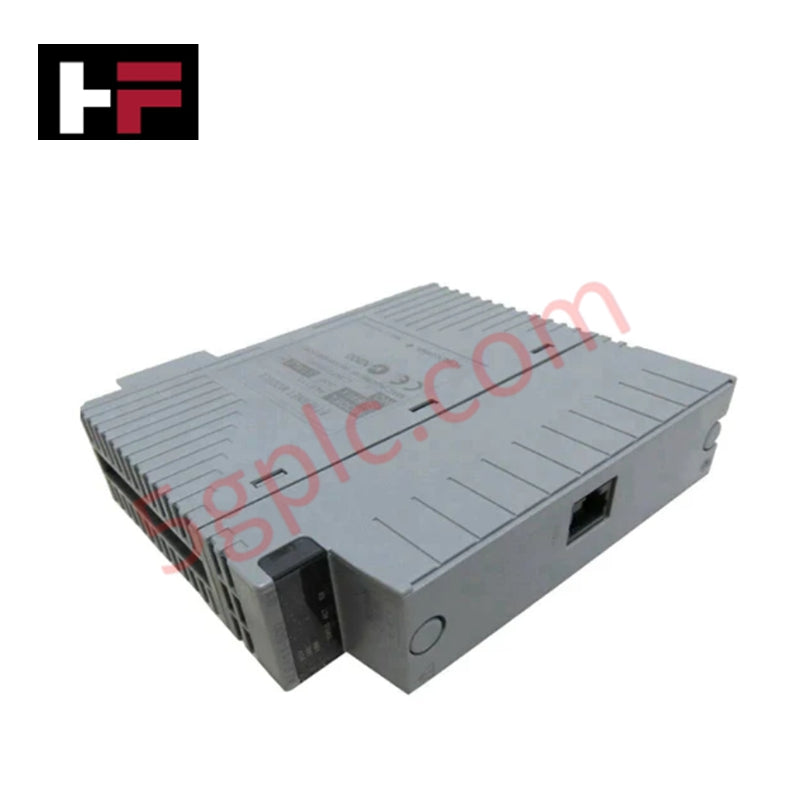
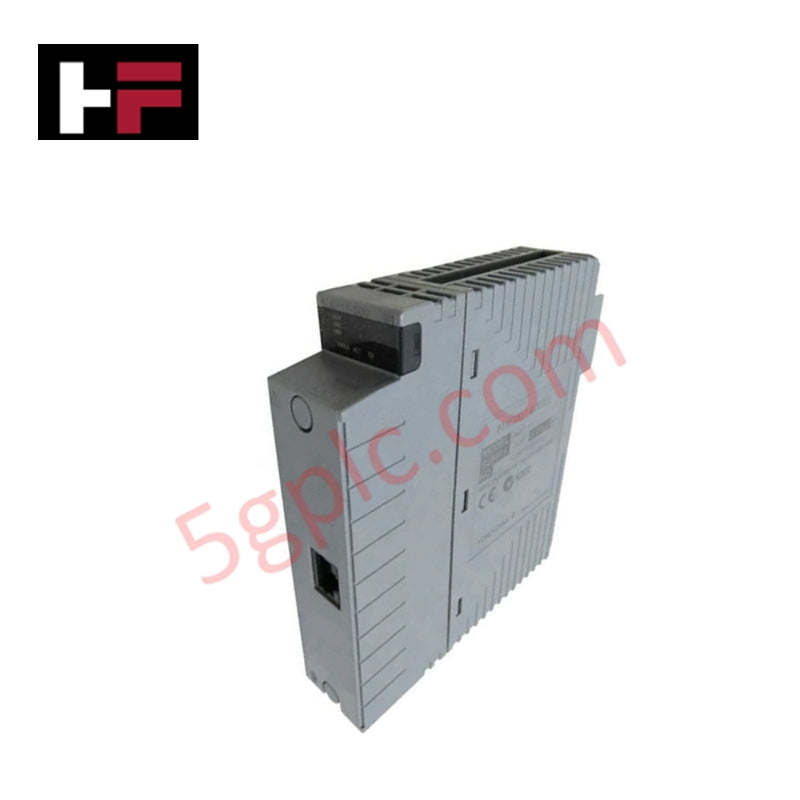
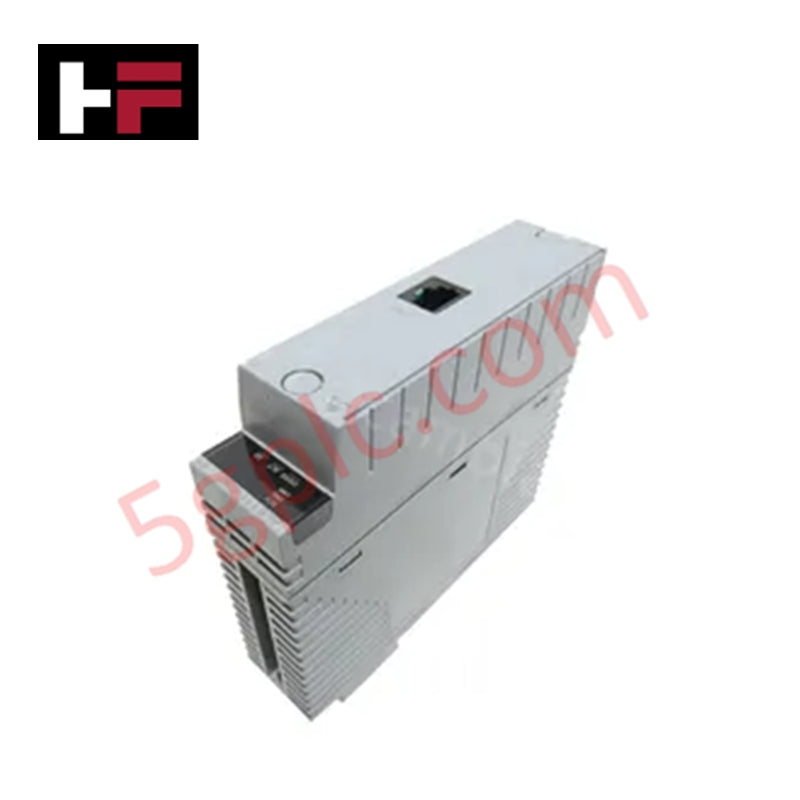
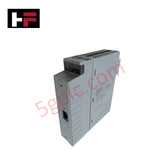
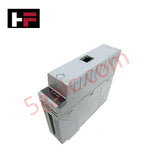
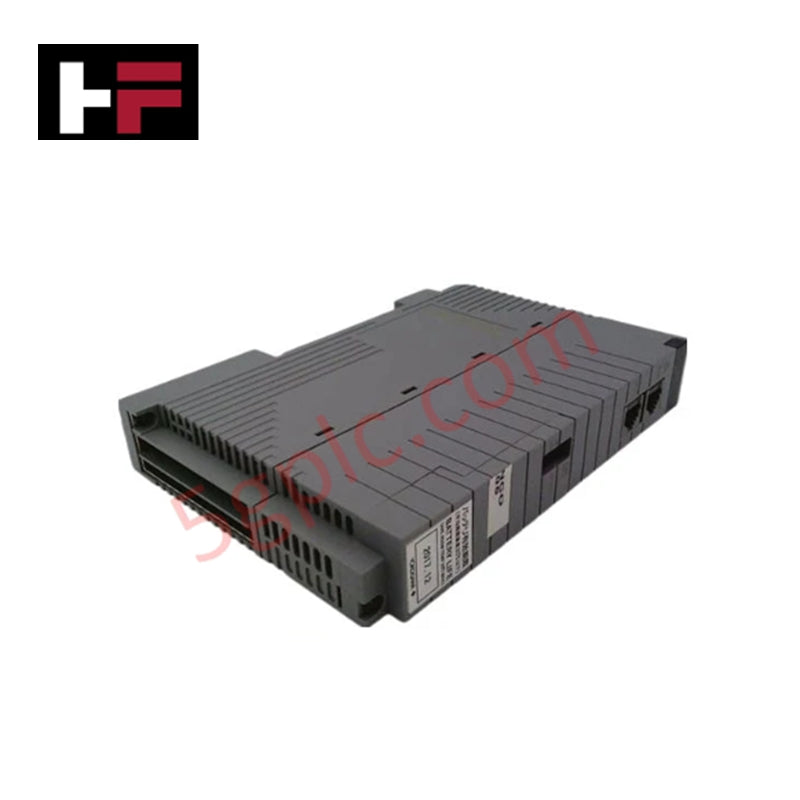
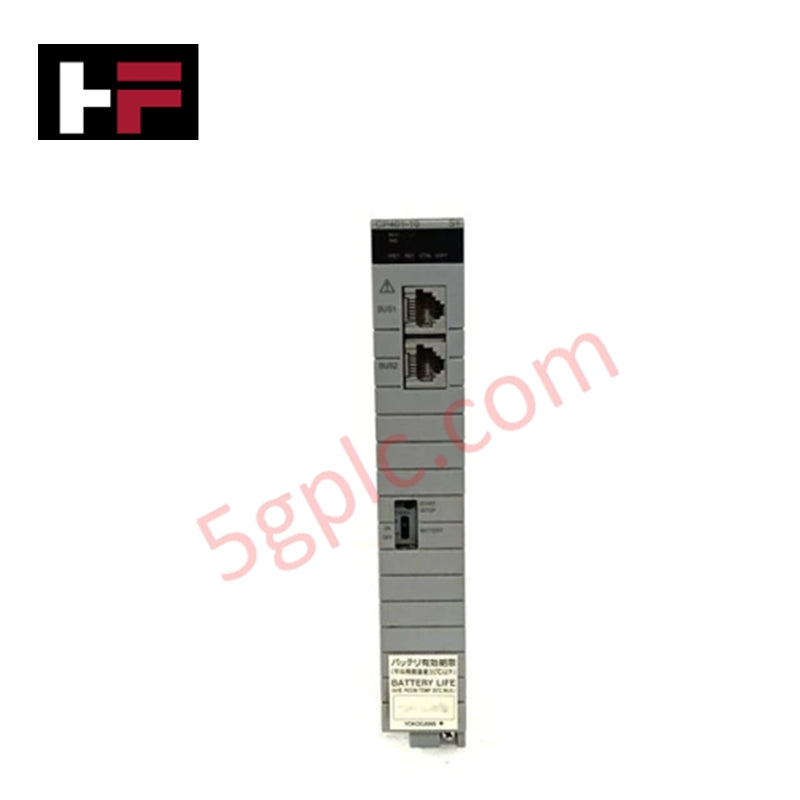
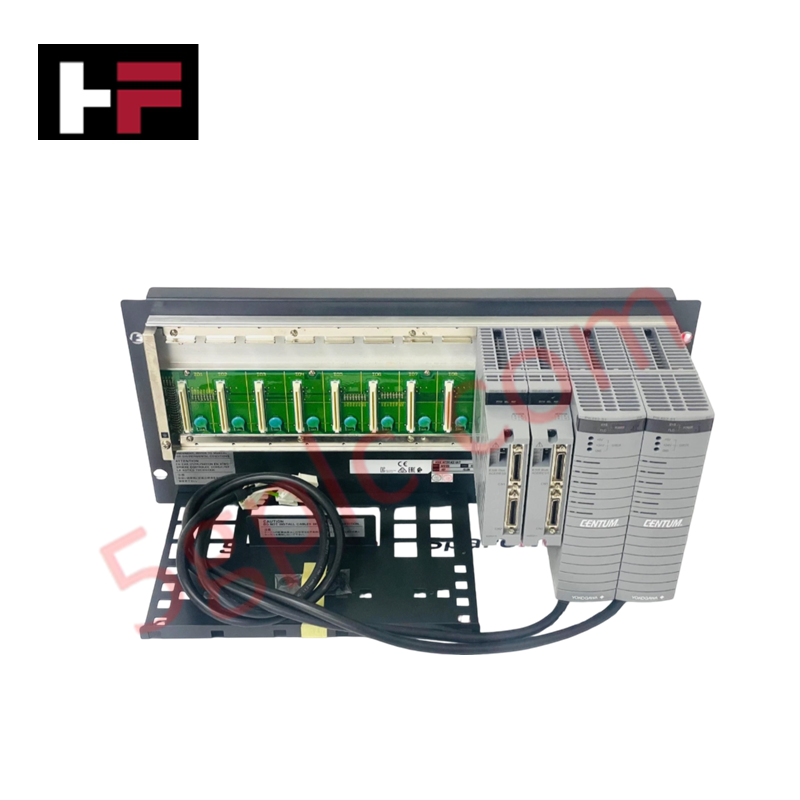
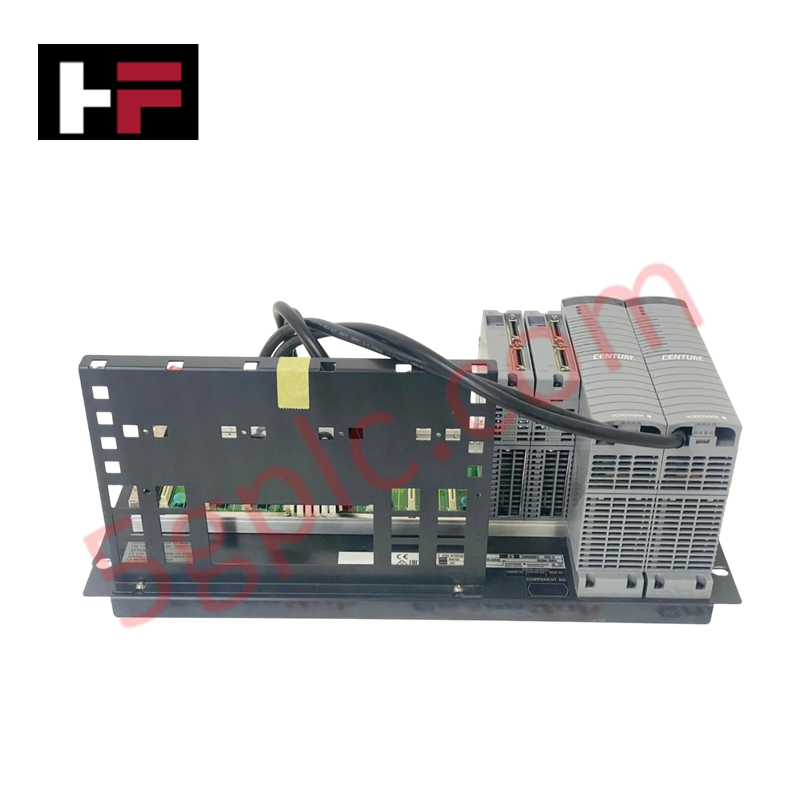
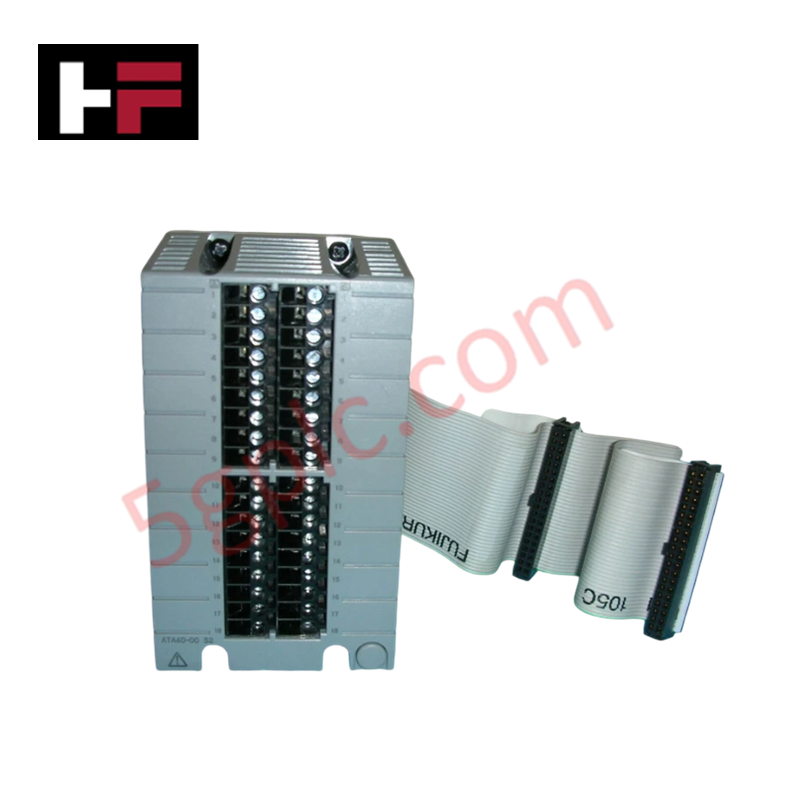
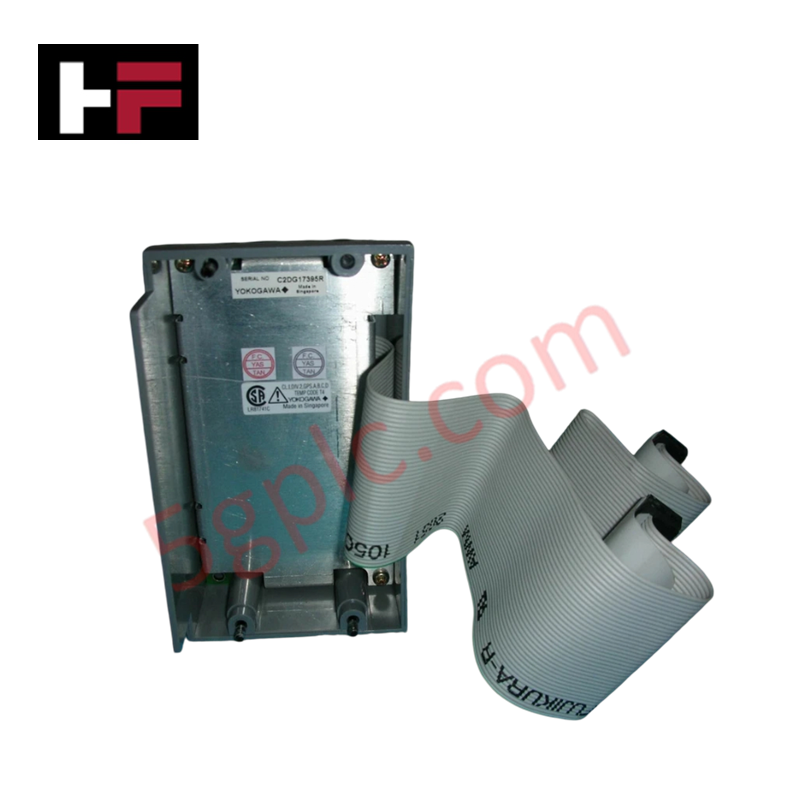
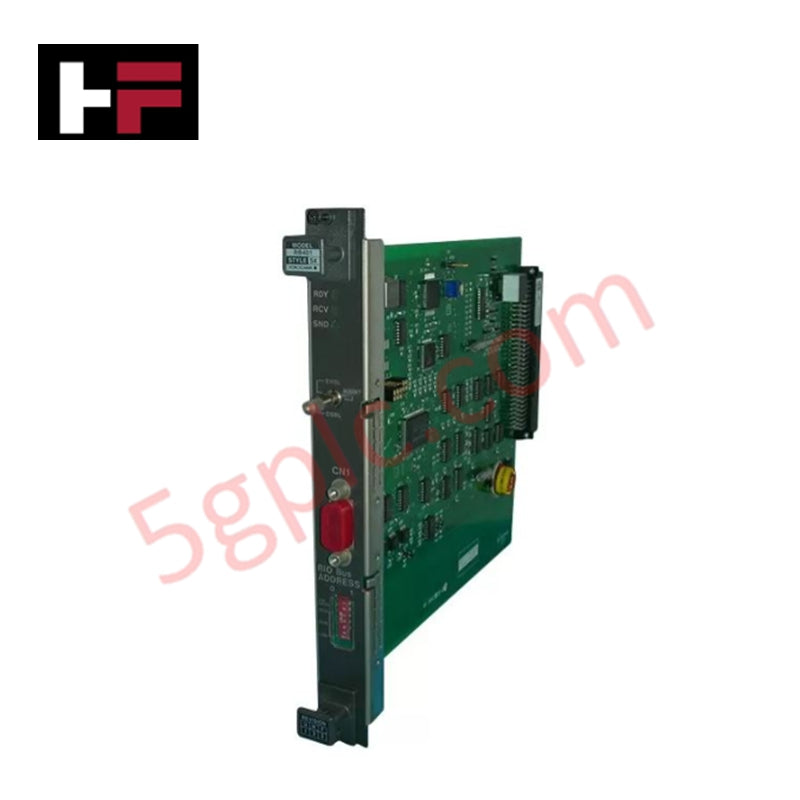
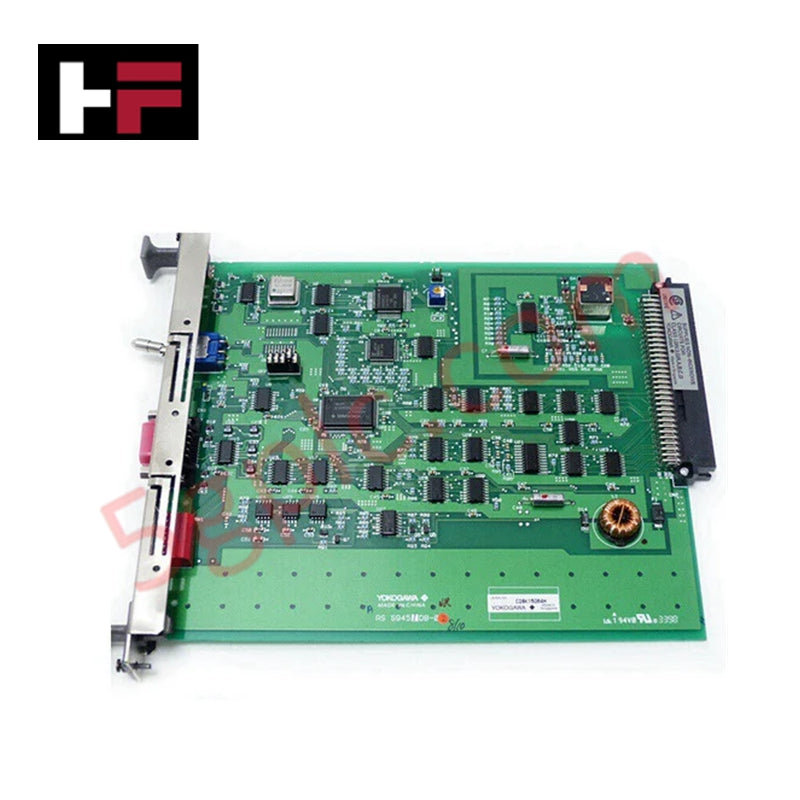
The Yokogawa EB511-11 functions as a high-integrity bus interface and power management module within the CENTUM Distributed Control System (DCS) architecture. This module regulates and facilitates signal distribution between the system backplane and field-side components. By converting wide-range DC input into stable internal voltages, the EB511-11 ensures continuous communication and power stability for sensitive logic circuits in demanding industrial environments.
Technical Specifications
The EB511-11 utilizes high-grade industrial components to maintain performance across extreme thermal ranges:
-
Input Voltage Range: 10 to 30 V DC
-
Nominal Input Voltage: 24 V DC
-
Maximum Input Current: 1.2 A
-
Output Voltage Range: 0 to 10 V DC
-
Nominal Output Voltage: 5 V DC
-
Maximum Output Current: 0.5 A
-
Operating Temperature: -40°C to +85°C
-
Storage Temperature: -40°C to +85°C
-
Dimensions: 2.5 cm x 12.7 cm x 12.7 cm
-
Weight: Approximately 0.3 kg
-
Condition: 100% Brand New and Original
Engineering Advantages
-
Extreme Environmental Resilience: The EB511-11 operates flawlessly within a broad temperature spectrum of -40°C to +85°C. This wide thermal tolerance eliminates the need for specialized cooling or heating equipment in remote instrument enclosures, reducing total installation costs and infrastructure complexity.
-
Flexible DC Input Architecture: The hardware accepts a wide input range from 10 V to 30 V DC. This versatility allows the module to maintain stable output even during significant supply voltage fluctuations or battery-backed transitions, preventing system resets during power instability.
-
Precision Voltage Regulation: This module converts a nominal 24 V DC input into a highly regulated 5 V DC internal supply. This precision prevents over-voltage damage to downstream logic boards and ensures that signal integrity remains high across the system bus.
-
Compact Footprint: Measuring only 2.5 cm in width, the EB511-11 maximizes slot efficiency within the I/O nest. This slim design facilitates high-density hardware configurations, allowing engineers to pack more functional interfaces into restricted cabinet spaces without compromising thermal airflow.
FAQs
-
Is this Yokogawa EB511-11 unit brand new?
Yes. We supply the EB511-11 strictly as 100% Brand New and Original equipment. Each unit ships in its original Yokogawa factory packaging, ensuring zero previous runtime and full manufacturer reliability.
-
Can I use the EB511-11 in outdoor non-climate-controlled cabinets?
The module supports an industrial-grade operating range of -40°C to +85°C. While it handles extreme temperatures, you must ensure the cabinet provides adequate protection against moisture and direct environmental exposure to maintain the module's long-term integrity.
-
What happens if the input voltage drops to 12 V DC?
The EB511-11 continues to function correctly as its input range extends down to 10 V DC. The internal regulator maintains the nominal 5 V DC output, protecting your control logic from brownouts or sagging supply lines.
-
Does this module require manual calibration for the 0-10 V output?
No. The EB511-11 features factory-calibrated internal circuitry. It automatically manages voltage conversion and regulation once installed into the compatible system backplane, requiring no field-level potentiometer adjustments.
Additional Information
- 100% Genuine Parts: All products are original and authentic, ensuring reliable industrial performance.
- 30-Day Refund Guarantee: Return any in-stock item within 30 days in original, unopened packaging for a full refund (excluding shipping and fees).
- 12-Month Warranty: Covers defects in materials or workmanship; excludes misuse, normal wear, or unauthorized modifications.
- Worldwide Shipping: We ship via USPS, UPS, FedEx, and DHL. Delivery times vary by country and may be subject to customs or import fees.
- Support & Contact: Technical and warranty assistance is available anytime. Contact us here: Contact.
- Purchase Guidance: Check product specifications and compatibility carefully before ordering to ensure proper application.


Tech & Buying Guide

Understanding Marshalling Cabinets in Industrial Control Systems Architecture
Industrial control system deployments rely on structured signal distribution to bridge field instrumentation with central processing hardware. A marshalling cabinet serves as the vital intermediate connection point between heavy field home-run multi-pair cables and delicate input/output (I/O) modules housed inside Programmable Logic Controller (PLC) or Distributed Control System (DCS) enclosures. By segregating field cable terminations from control hardware, engineers maintain system flexibility, safeguard controller components, and streamline commissioning workflows.

FAT vs SAT in Industrial Control Systems: Key Differences and Execution Guide
Industrial control system deployment relies on strict verification protocols to guarantee operational safety, system stability, and regulatory compliance. Commissioning complex Programmable Logic Controller (PLC) racks, Distributed Control Systems (DCS), and Safety Instrumented Systems (SIS) requires two critical milestones: the Factory Acceptance Test (FAT) and the Site Acceptance Test (SAT). Both procedures validate that system automation meets design specifications, but they occur at different stages of project execution and target distinct operational risks.

Hub vs Switch vs Router in Industrial Automation Architecture
Modern factory automation relies on reliable industrial networking infrastructure to exchange real-time field data across operational technology systems. Engineers often encounter networking hardware like hubs, switches, and routers when integrating Programmable Logic Controllers, Distributed Control Systems, and SCADA monitoring nodes. Although these devices share physical ports, they operate at different layers of the Open Systems Interconnection reference model and deliver distinct traffic management capabilities.