










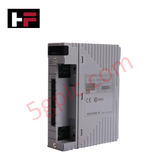
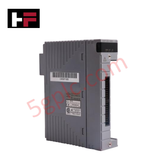
Product Details
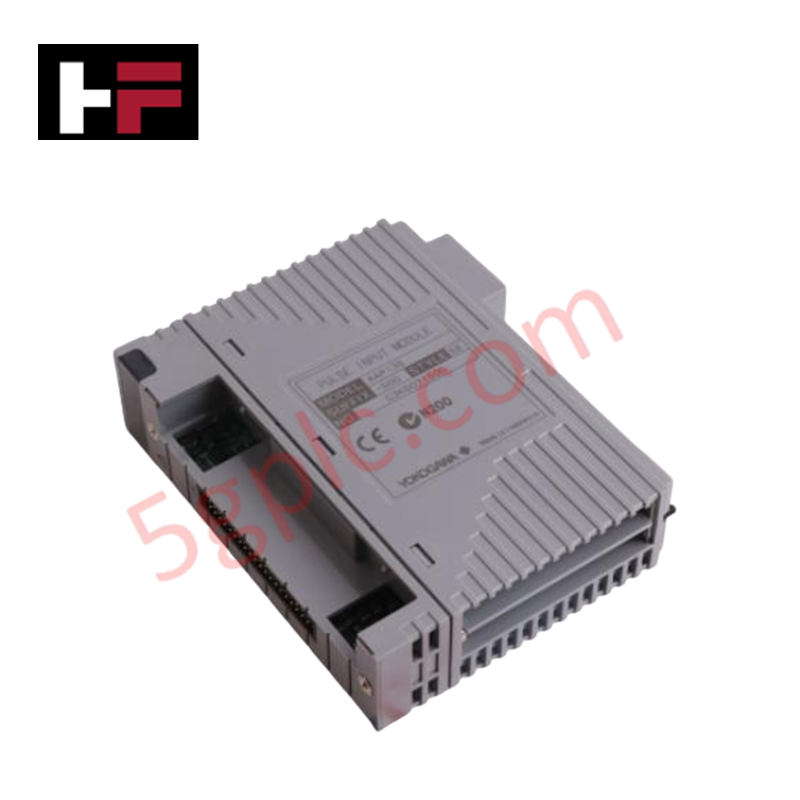
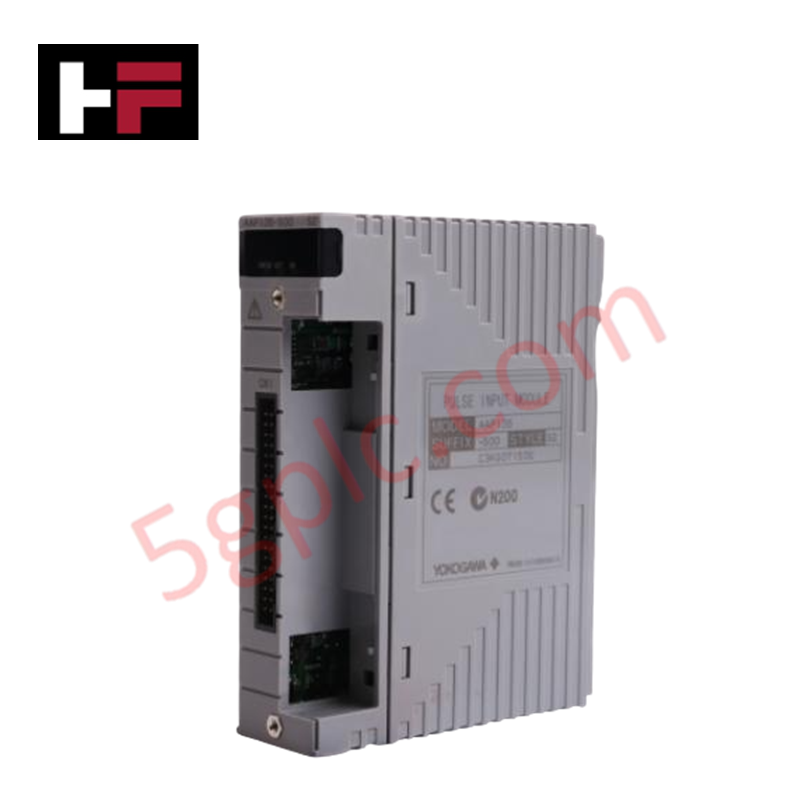
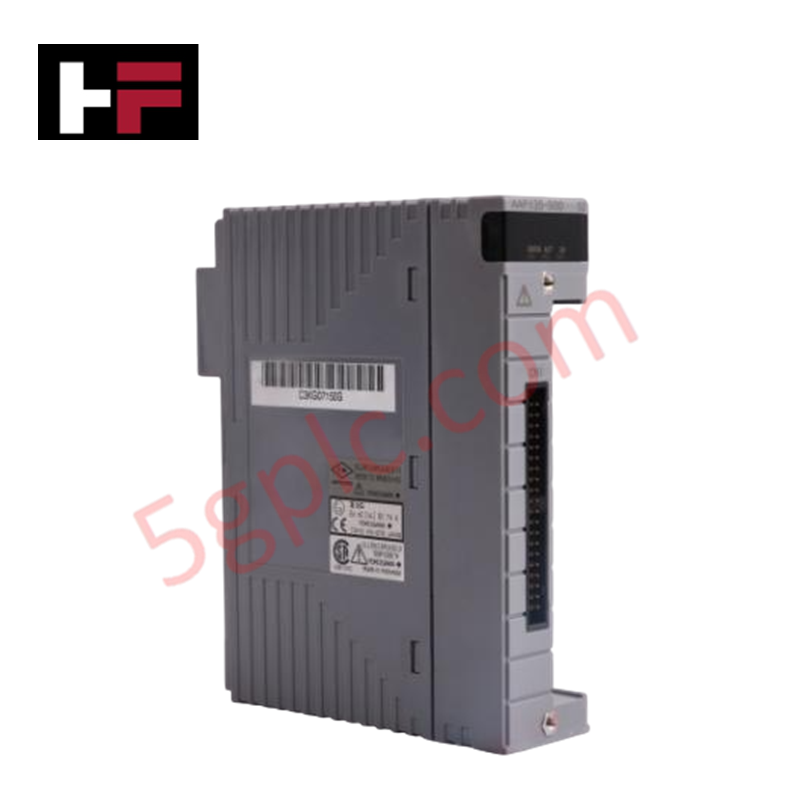
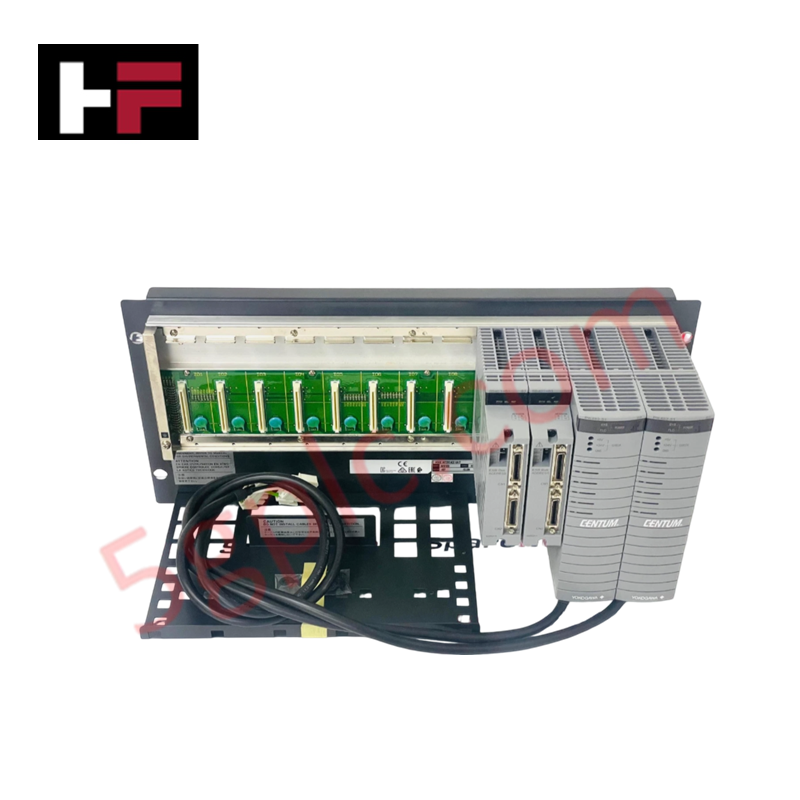
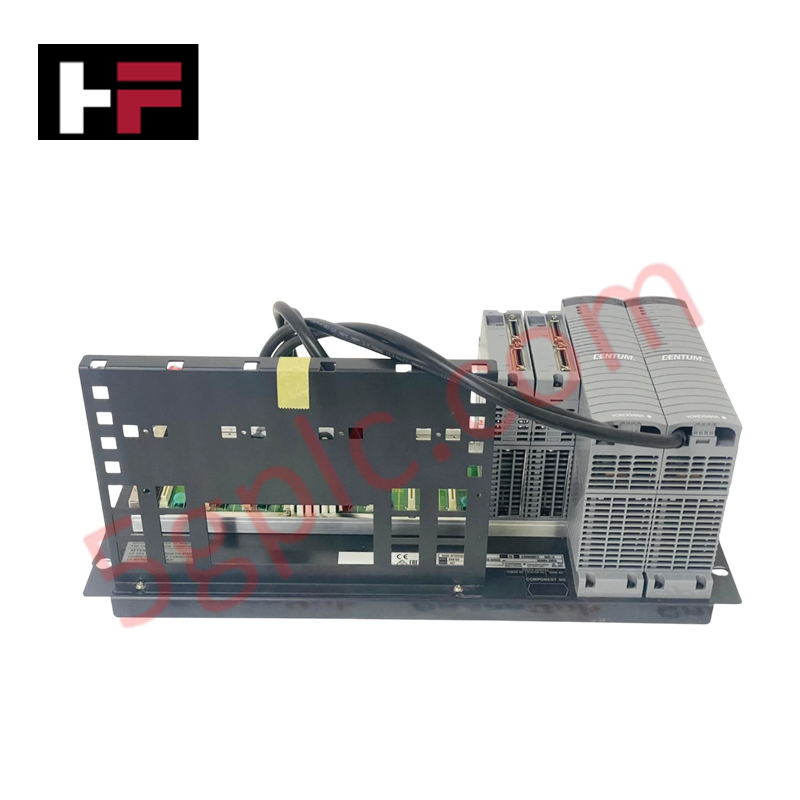
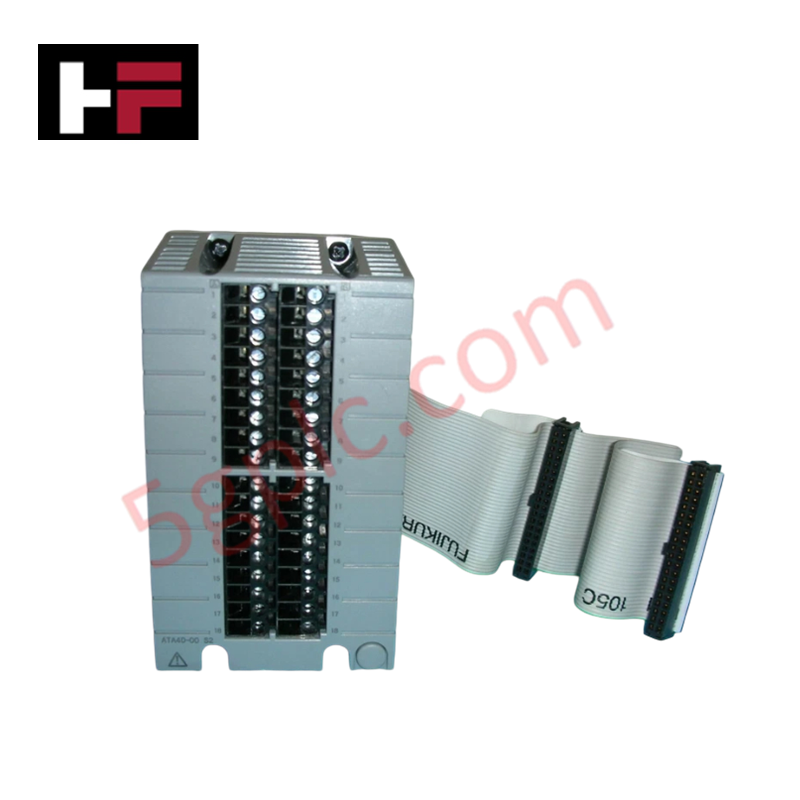
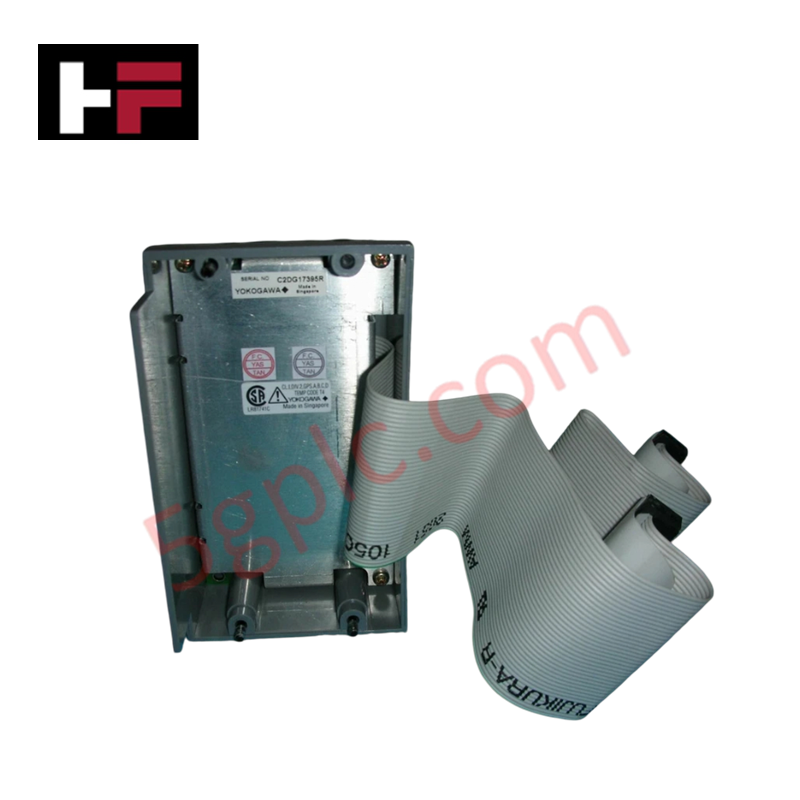
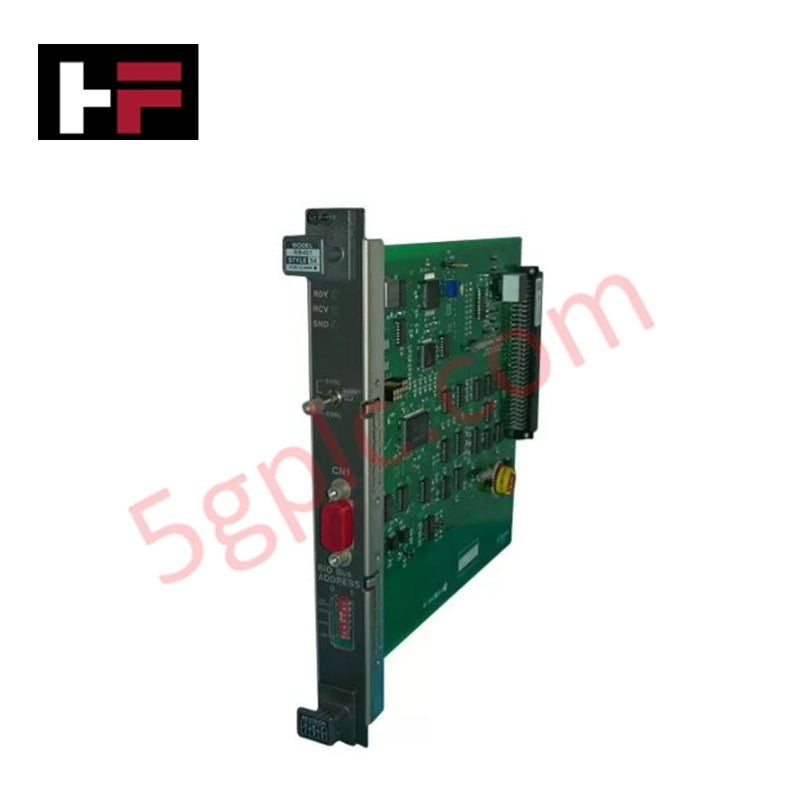
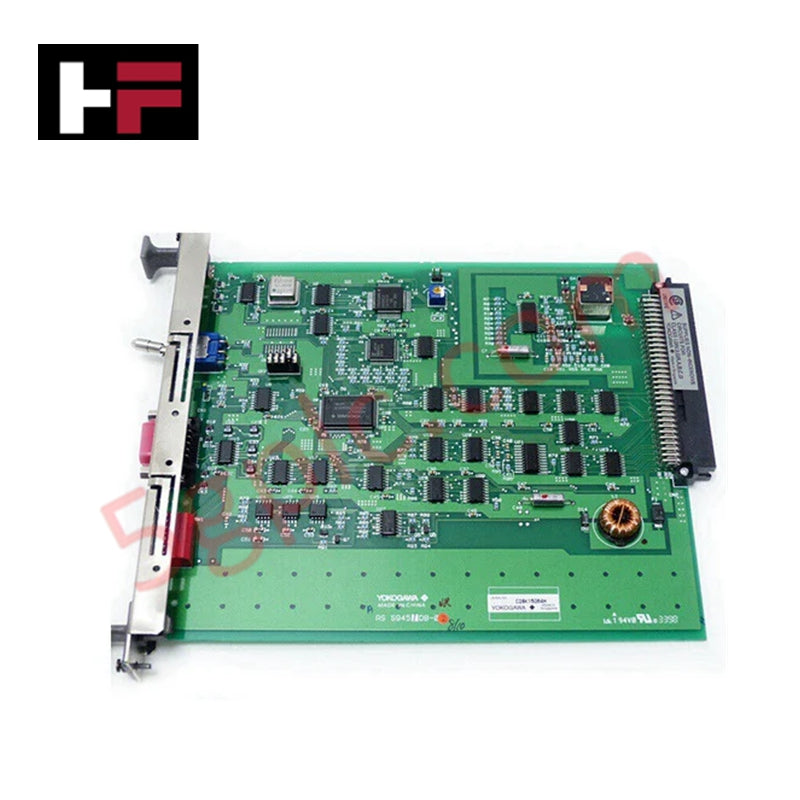
The Yokogawa ATI3S-S00, also cataloged as the ATI3S Pressure Clamp Terminal Block, operates as a dedicated hardware component for field signal termination and cable interface connection within Yokogawa CENTUM I/O node units.
Suffix Breakdown & Model Matrix
- ATI3S: Base model designating pressure clamp terminal block assembly for signal termination.
- -S: Standard signal connection structure suffix.
- 00: Basic non-option hardware specification variant.
Hardware Specifications
| Parameter | Specification |
|---|---|
| Model | ATI3S-S00 |
| Brand | Yokogawa |
| Origin | Japan |
| Equipment Function | Pressure Clamp Terminal Block Assembly |
| Termination Format | Screwless / Pressure Clamp Terminals |
| Supported Signal Types | Multi-channel Analog / Digital I/O Signals |
| Weight | 0.25 kg |
| Dimensions | Standard Compact I/O Terminal Block Chassis |
| Operating Temp | -20 to 60 deg C |
| Power Consumption | Passive Component (Zero Power Dissipation) |
Yokogawa Signal Termination & Loop Protection
The pressure clamp terminal block directly terminates field instrument conductors and routes signals to the corresponding I/O interface module. Integrated terminal insulation maintains channel-to-channel isolation and guards against signal degradation in 4-20 mA HART loop protocol pairs and discrete control lines. The spring-loaded clamp mechanism ensures constant mechanical force on wire leads, preventing intermittent connection loss caused by thermal expansion or enclosure vibration.
Frequently Asked Questions
Q: Does the ATI3S-S00 terminal block require tool-assisted torque checks during routine maintenance?
A: No, the pressure clamp design uses spring-tensioned retention, eliminating the need for periodic screw retightening while maintaining constant electrical contact force.
Q: Can the ATI3S-S00 terminal block be removed without disconnecting individual field conductors?
A: Yes, the terminal assembly unlatches directly from the module baseplate, allowing field wiring to remain fully wired during I/O module replacement.
Field Installation Guidelines
Mount the ATI3S-S00 pressure clamp terminal block onto its corresponding I/O module slot until the locking levers engage fully with the baseplate assembly. Strip field wire insulation to the manufacturer-specified strip length, depress the clamp spring lever with a standard screwdriver, insert the conductor, and release the lever to lock the wire in place. Ensure all cable shields are bonded to the designated cabinet earth grounding bar and maintain physical separation from high-voltage AC lines within the wire duct.
Additional Information
- 100% Genuine Parts: All products are original and authentic, ensuring reliable industrial performance.
- 30-Day Refund Guarantee: Return any in-stock item within 30 days in original, unopened packaging for a full refund (excluding shipping and fees).
- 12-Month Warranty: Covers defects in materials or workmanship; excludes misuse, normal wear, or unauthorized modifications.
- Worldwide Shipping: We ship via USPS, UPS, FedEx, and DHL. Delivery times vary by country and may be subject to customs or import fees.
- Support & Contact: Technical and warranty assistance is available anytime. Contact us here: Contact.
- Purchase Guidance: Check product specifications and compatibility carefully before ordering to ensure proper application.


Tech & Buying Guide

Why Programmable Logic Controllers Drop into Stop Mode: An Expert Analysis
Industrial automation systems rely heavily on Programmable Logic Controllers (PLCs) to maintain uninterrupted production. When a PLC unexpectedly shifts from Run to Stop mode, whole manufacturing lines stall.
As control systems evolve across modern factory automation, understanding the root causes of these interruptions helps engineers minimize costly downtime. This technical guide breaks down why PLCs trip into Stop mode and provides practical strategies to mitigate system faults.

Understanding Root Causes of Unplanned PLC Stop Mode in Industrial Automation
Modern Programmable Logic Controllers manage execution through distinct operational states: Run, Stop, Start-Up, and Hold. During power-up, a controller initializes memory registers within Stop mode before briefly transitioning to Start-Up mode. During this phase, internal self-diagnostics evaluate system integrity across hardware and user programs. If the controller detects no critical faults, it enters Run mode to execute the control program continuously. However, any severe system anomaly forces the CPU back into Stop mode immediately to prevent erratic machine behavior across the plant floor.

Human-Machine Interface Design: Essential Guide to HMI Selection, Visualization, and Control System Integration
Human-Machine Interfaces (HMIs) serve as the primary operational window into complex industrial automation systems. Modern HMIs convert raw machine data into clear graphical displays, enabling operators to oversee entire manufacturing processes in real time. Instead of relying on physical control panels full of hardwired switches, engineers program interactive screens using intuitive graphics, dynamic color coding, and responsive touch interfaces. Over my 15 years in control systems engineering, I have observed HMIs transform from basic display screens into sophisticated command centers that drive operational efficiency across DCS and PLC environments.