










Product Details
Product Overview
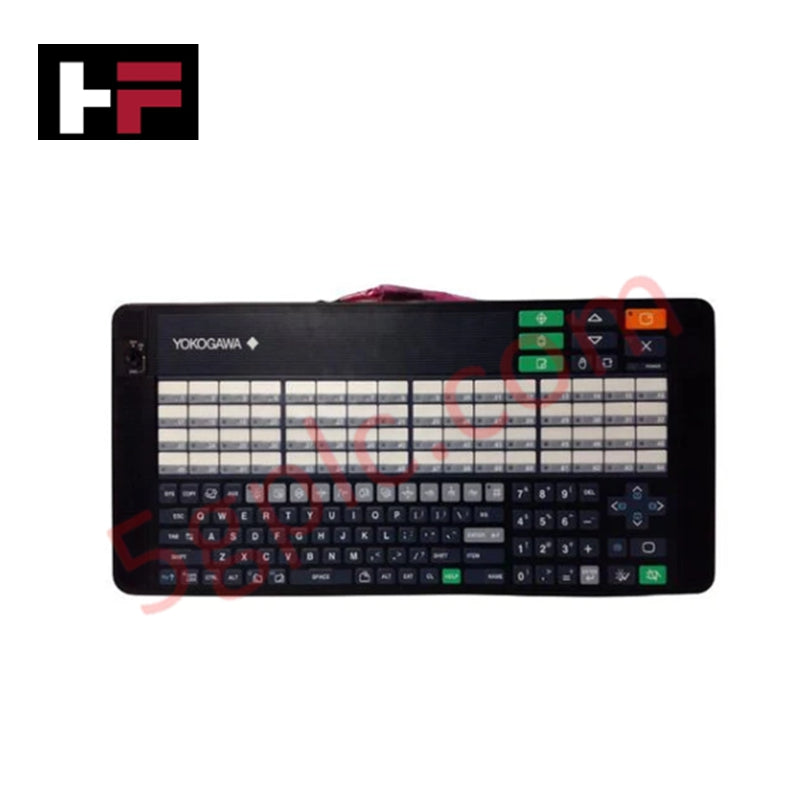
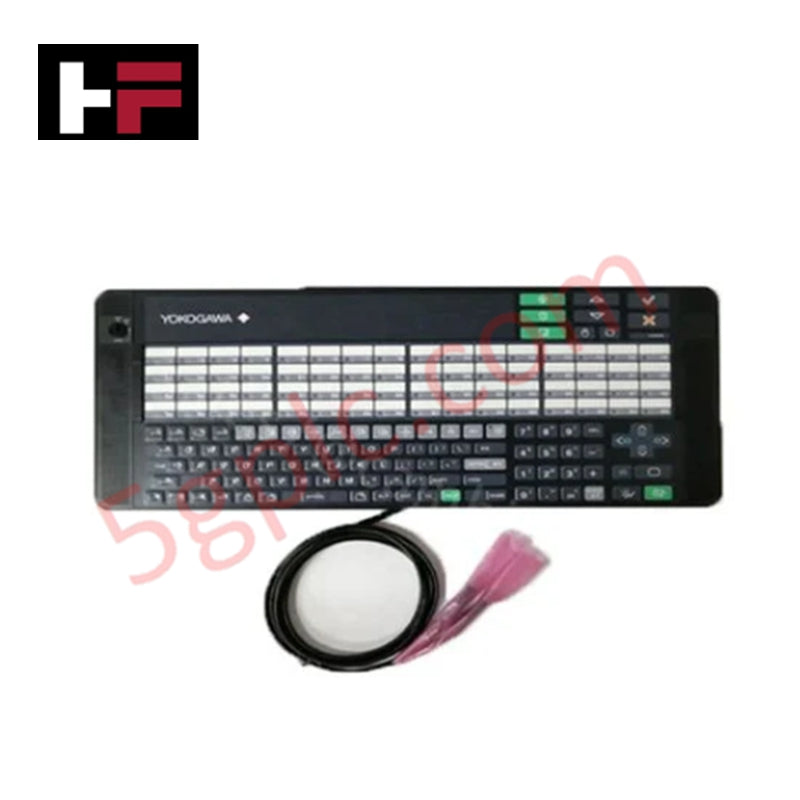
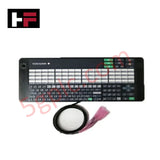
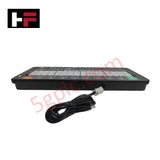
The Yokogawa AIP831-101 serves as a specialized Human Interface Station (HIS) peripheral for the CENTUM VP ecosystem. It enables operators to manage eight process loops simultaneously, drastically improving response times in high-pressure control room environments. This flat-profile keyboard integrates touch-sensitive sensors that trigger the "Instrument Faceplate Highlight" function upon contact. We supply this unit as 100% Brand New and Original, ensuring full compatibility with your desktop-type HIS workstations.
Technical Specifications
The AIP831-101 utilizes high-speed USB bus power to drive both tactile input and audio feedback:
-
Keyboard Type: Flat membrane with eight-loop dedicated control keys
-
Touch Sensors: Integrated sensors for automatic faceplate highlighting
-
Audio Output: Independent USB speaker for alarms and buzzing sounds
-
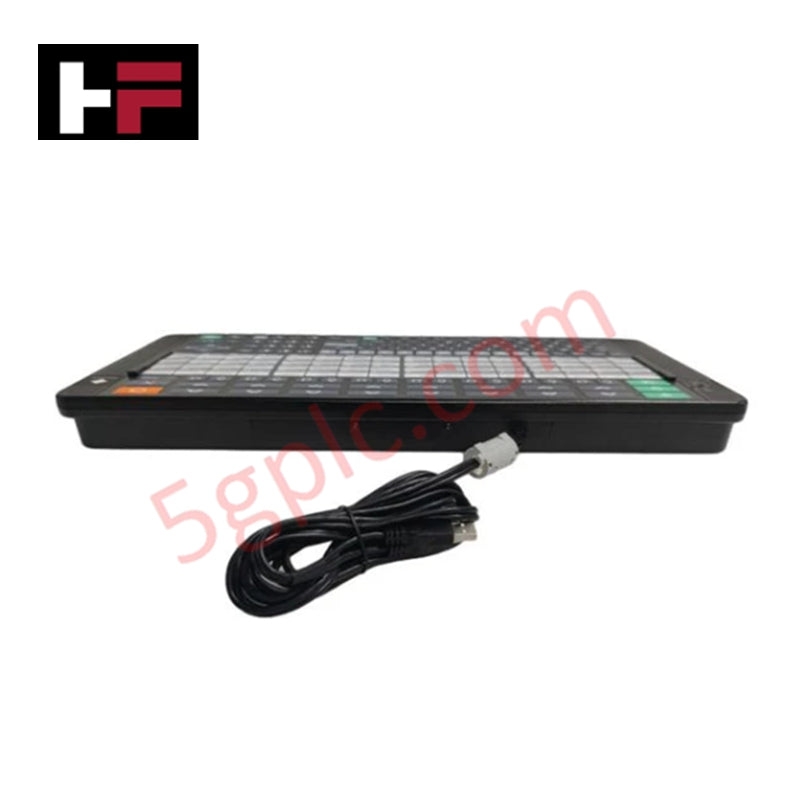
PC Interface: Dual USB A-type connectors
-
Interface Standards: USB 2.0 (Keyboard) / USB 1.1 (Audio)
-
Chassis Color: Black (Munsell No. N1.5)
-
Operating Temperature: 5 to 40°C (Normal operation)
-
Ambient Humidity: 20 to 80% RH (Non-condensing)
-
Software Requirement: Requires LHS1140 Eight-loop Simultaneous Operation Package
Engineering Advantages
The AIP831-101 optimizes the operator's interface with the DCS through several technical innovations:
-
Tactile Efficiency: The dedicated 8-loop key layout eliminates the need to toggle through multiple software menus. Operators adjust setpoints and outputs across eight different controllers with physical keys, reducing the risk of manual entry errors during critical process upsets.
-
Instant Visual Feedback: Contact with the touch-sensitive keys instantly highlights the corresponding instrument faceplate on the HIS monitor. This hardware-to-software synchronization allows the operator to verify the target loop without shifting focus between the screen and the desk.
-
Integrated Alarm Management: The included USB speaker provides localized audible alerts. This ensures that the operator hears critical alarms directly at their station, even in noisy control rooms, without relying on central console speakers.
-
Plug-and-Play Installation: The module draws power directly from the USB bus. This eliminates the need for external power supplies and simplifies cable management in cramped desktop environments.
FAQs
-
Which CENTUM VP software versions support the AIP831-101? You must use CENTUM VP R5.03 or later. Additionally, the system must run the LHS1100 or LHM1101 Standard Operation and Monitoring function. Note that this keyboard does not support LHS1120 or LHS1130 packages.
-
Does this keyboard require a separate power cable? No. The AIP831-101 operates entirely on USB bus power. It utilizes two USB Type-A connectors to manage both the keyboard input signals and the sound function.
-
Can I connect multiple AIP831 units to a single HIS? Yokogawa specifications restrict usage to one AIP831 per Desktop Type HIS workstation to ensure stable driver communication and power distribution.
-
Is the "Instrument Faceplate Highlight" feature automatic? Yes. Once you touch the sensors on the control keys, the software package (LHS1140) automatically identifies the loop and brings the corresponding faceplate to the foreground on the HIS display.
Additional Information
- 100% Genuine Parts: All products are original and authentic, ensuring reliable industrial performance.
- 30-Day Refund Guarantee: Return any in-stock item within 30 days in original, unopened packaging for a full refund (excluding shipping and fees).
- 12-Month Warranty: Covers defects in materials or workmanship; excludes misuse, normal wear, or unauthorized modifications.
- Worldwide Shipping: We ship via USPS, UPS, FedEx, and DHL. Delivery times vary by country and may be subject to customs or import fees.
- Support & Contact: Technical and warranty assistance is available anytime. Contact us here: Contact.
- Purchase Guidance: Check product specifications and compatibility carefully before ordering to ensure proper application.


Tech & Buying Guide

Understanding Marshalling Cabinets in Industrial Control Systems Architecture
Industrial control system deployments rely on structured signal distribution to bridge field instrumentation with central processing hardware. A marshalling cabinet serves as the vital intermediate connection point between heavy field home-run multi-pair cables and delicate input/output (I/O) modules housed inside Programmable Logic Controller (PLC) or Distributed Control System (DCS) enclosures. By segregating field cable terminations from control hardware, engineers maintain system flexibility, safeguard controller components, and streamline commissioning workflows.

FAT vs SAT in Industrial Control Systems: Key Differences and Execution Guide
Industrial control system deployment relies on strict verification protocols to guarantee operational safety, system stability, and regulatory compliance. Commissioning complex Programmable Logic Controller (PLC) racks, Distributed Control Systems (DCS), and Safety Instrumented Systems (SIS) requires two critical milestones: the Factory Acceptance Test (FAT) and the Site Acceptance Test (SAT). Both procedures validate that system automation meets design specifications, but they occur at different stages of project execution and target distinct operational risks.

Hub vs Switch vs Router in Industrial Automation Architecture
Modern factory automation relies on reliable industrial networking infrastructure to exchange real-time field data across operational technology systems. Engineers often encounter networking hardware like hubs, switches, and routers when integrating Programmable Logic Controllers, Distributed Control Systems, and SCADA monitoring nodes. Although these devices share physical ports, they operate at different layers of the Open Systems Interconnection reference model and deliver distinct traffic management capabilities.