










Product Details
Product Overview
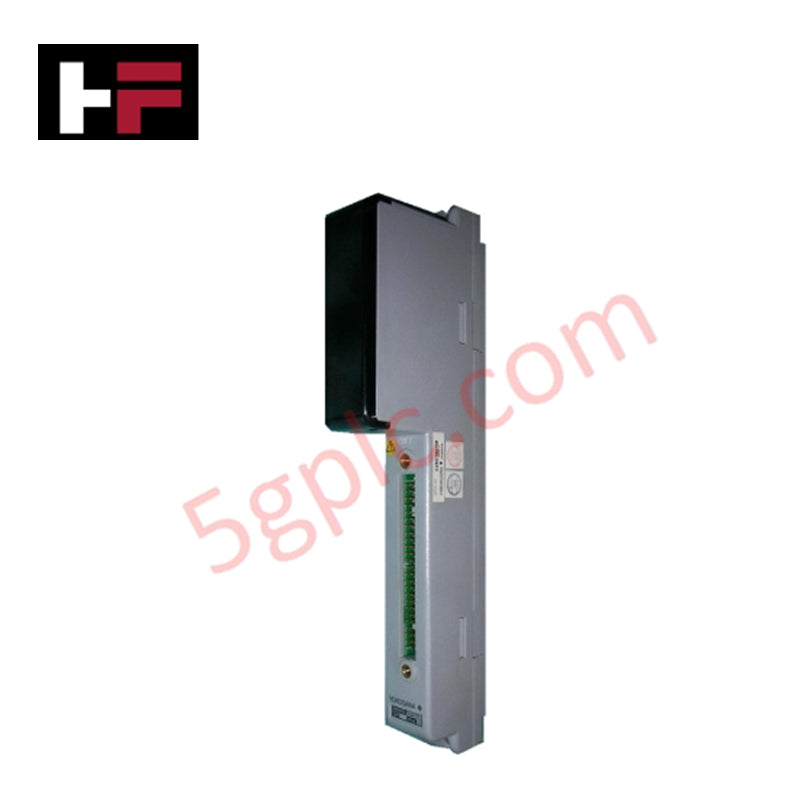
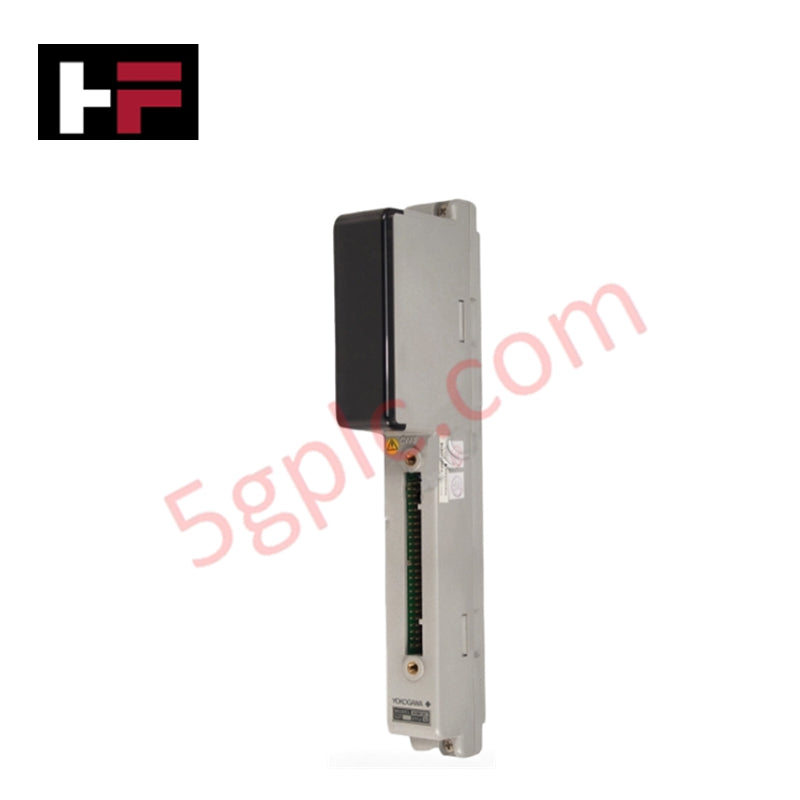
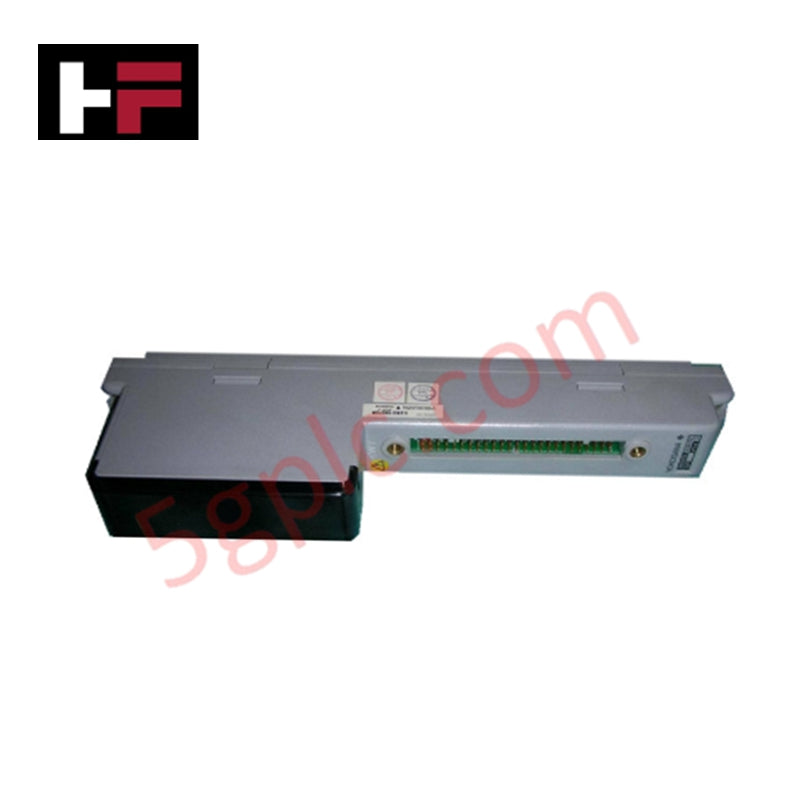
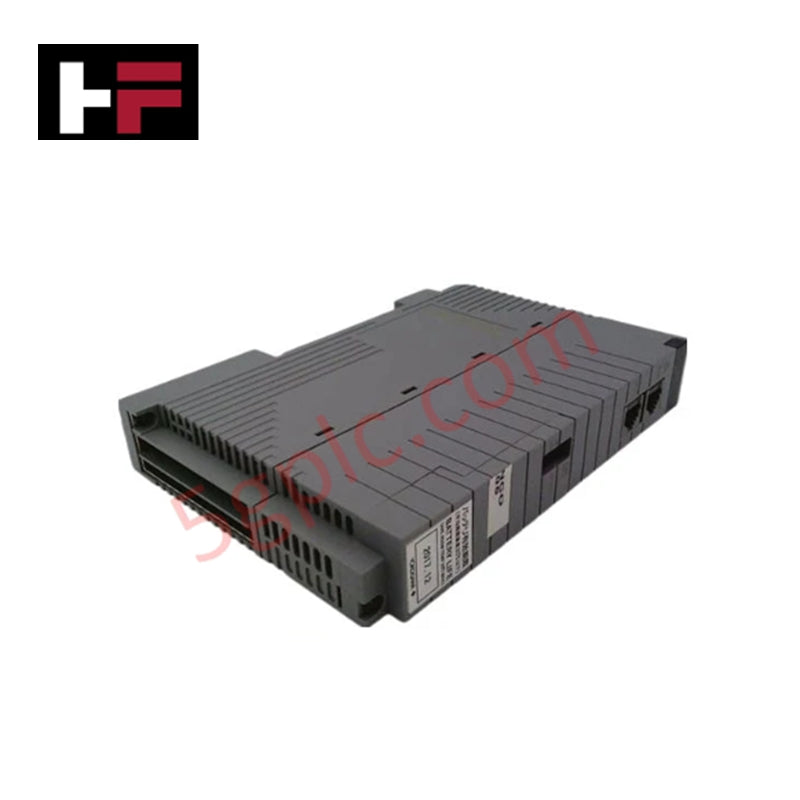
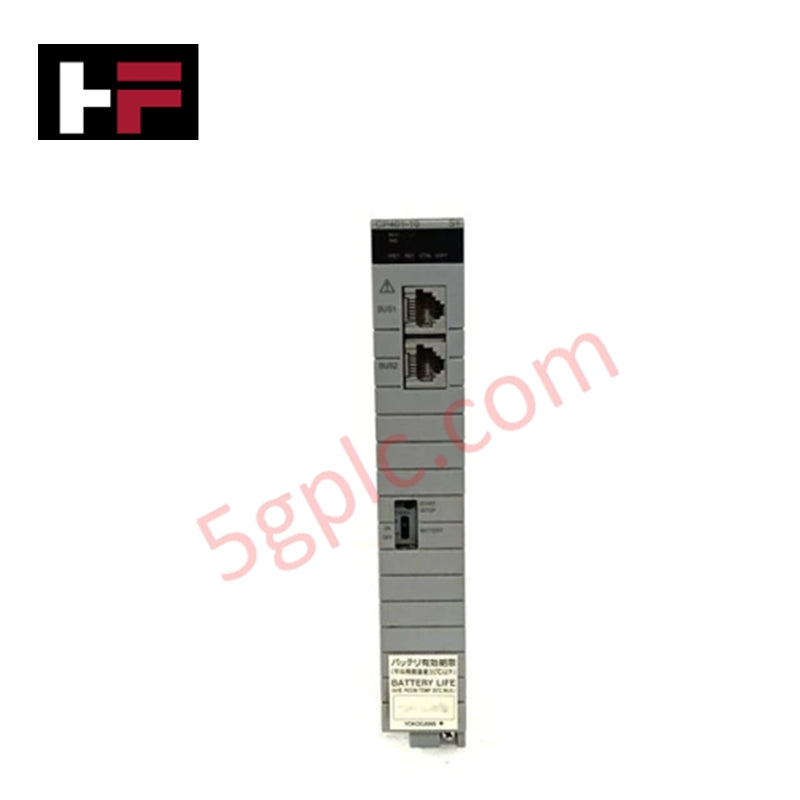
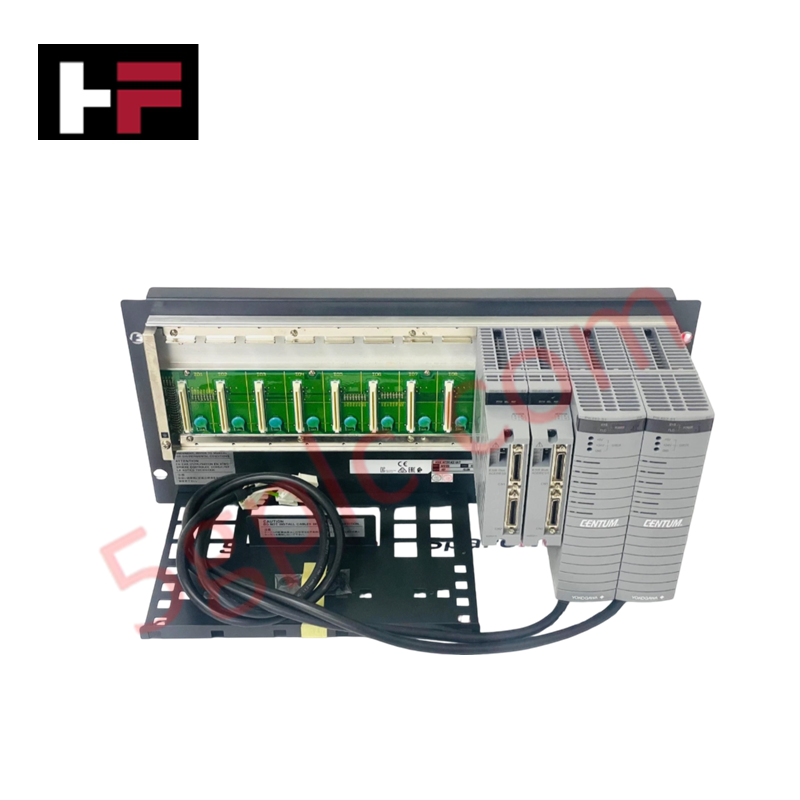
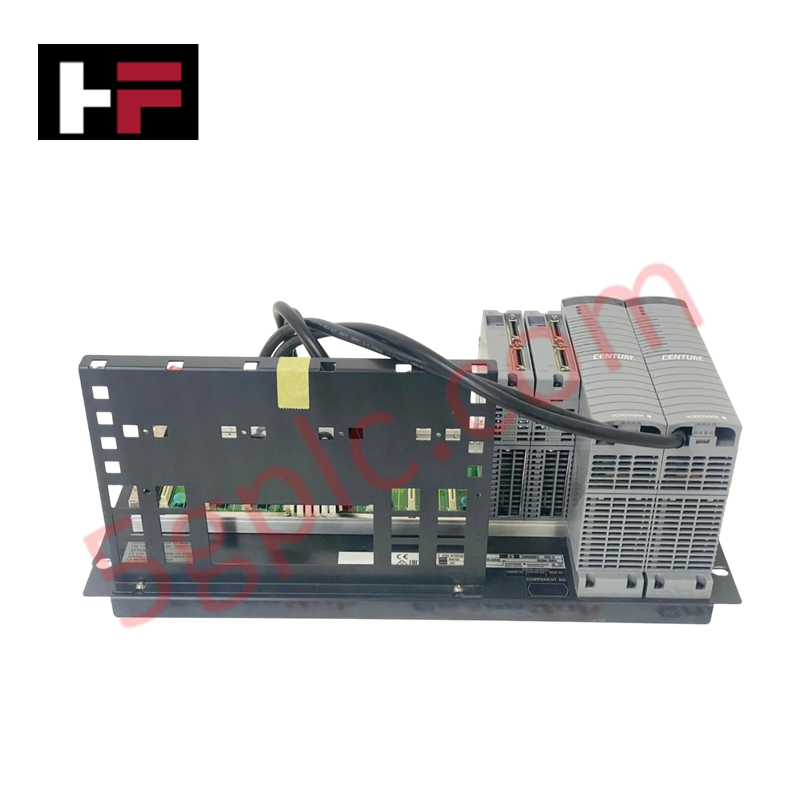
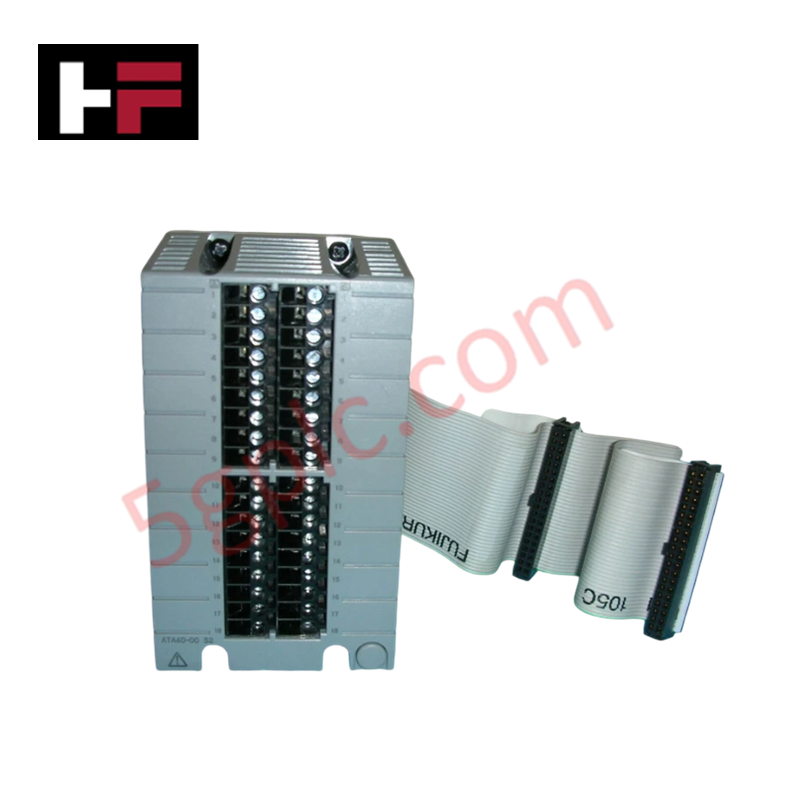
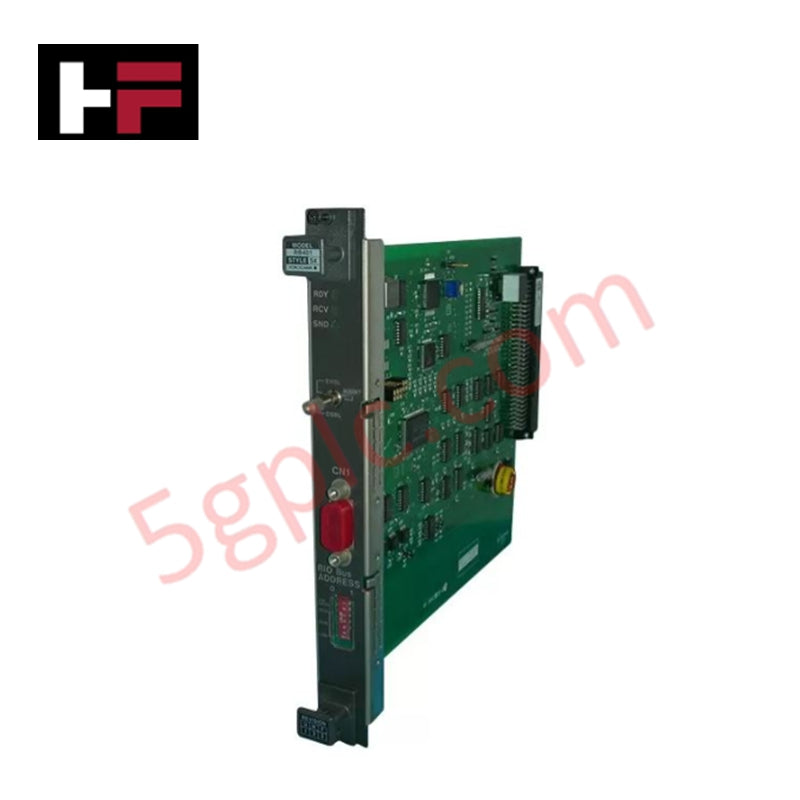
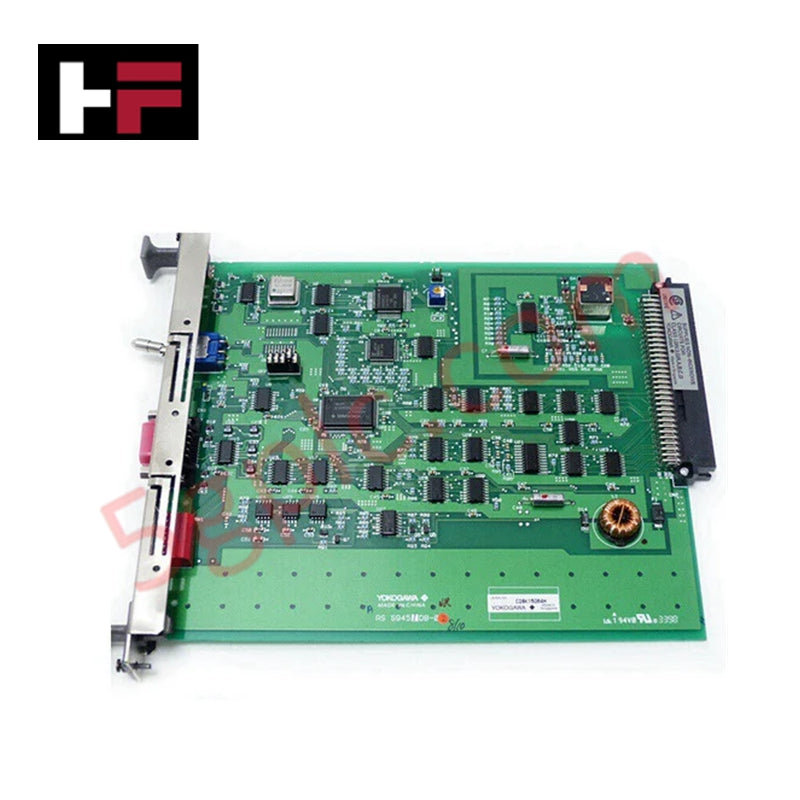
The Yokogawa ADM12T functions as a high-density digital interface within the CENTUM CS and CENTUM VP Distributed Control System (DCS) architectures. This contact input module monitors 32 discrete channels simultaneously, allowing the control system to track the status of field devices such as limit switches, push buttons, and relay contacts. By converting these physical binary states into digital data, the ADM12T enables precise process monitoring and interlocking logic execution.
Technical Specifications
The ADM12T utilizes a terminal-style interface to ensure secure field wiring and high-integrity signal acquisition:
| Feature | Specification |
| Manufacturer | Yokogawa |
| Model Number | ADM12T |
| Product Type | Contact Input Module (Digital Input) |
| Channel Capacity | 32 Channels |
| Interface Type | Terminal Type |
| System Compatibility | CENTUM CS, CENTUM CS 3000, CENTUM VP |
| Logic Type | Discrete / Dry Contact |
| Condition | 100% Brand New and Original |
Engineering Advantages
-
High-Density Monitoring: The ADM12T packs 32 input points into a single slot. This concentration reduces the required number of I/O nests in the control cabinet, effectively lowering the overall hardware footprint and system cost.
-
Direct Terminal Connectivity: The terminal-type design allows for direct field wiring to the module interface. This mechanical arrangement provides a vibration-resistant connection point, which is critical for maintaining signal continuity in harsh industrial environments like oil refineries or power plants.
-
Seamless DCS Integration: Yokogawa specifically engineered this module to maintain high-speed bus communication with CENTUM VP field control units. It supports rapid status updates, ensuring the control room receives real-time feedback from field sensors without latency-induced jitter.
-
Robust Signal Isolation: Internal circuitry protects the main system bus from external electrical transients. This hardware-level isolation prevents field-side electrical noise from disrupting the central processor's operations, ensuring continuous uptime for critical process loops.
FAQs
-
Is this Yokogawa ADM12T unit new or refurbished?
We supply the ADM12T strictly as 100% Brand New and Original equipment. Every unit arrives in its original factory packaging with the manufacturer’s seal intact, guaranteeing zero previous usage and peak operational life.
-
Can I use the ADM12T in both CENTUM CS 3000 and CENTUM VP systems?
Yes. The ADM12T maintains cross-generational compatibility. It integrates seamlessly into both the legacy Centum CS 3000 nests and the modern Centum VP RIO/FIO architectures, providing a flexible spare parts solution for aging plants.
-
What are the advantages of the terminal-type interface over the connector-type?
The terminal-type interface (ADM12T) allows for individual wire terminations directly at the module. This provides engineers with greater flexibility during field commissioning and simplifies troubleshooting, as technicians can test individual points without disconnecting a multi-pin connector.
-
Does the module require an external power supply for the contacts?
The contact input logic typically relies on the system's internal sensing voltage. However, you should refer to your specific loop drawing to determine if your field devices require external wetting voltage to overcome long-distance cable resistance.
Additional Information
- 100% Genuine Parts: All products are original and authentic, ensuring reliable industrial performance.
- 30-Day Refund Guarantee: Return any in-stock item within 30 days in original, unopened packaging for a full refund (excluding shipping and fees).
- 12-Month Warranty: Covers defects in materials or workmanship; excludes misuse, normal wear, or unauthorized modifications.
- Worldwide Shipping: We ship via USPS, UPS, FedEx, and DHL. Delivery times vary by country and may be subject to customs or import fees.
- Support & Contact: Technical and warranty assistance is available anytime. Contact us here: Contact.
- Purchase Guidance: Check product specifications and compatibility carefully before ordering to ensure proper application.


Tech & Buying Guide

Understanding Marshalling Cabinets in Industrial Control Systems Architecture
Industrial control system deployments rely on structured signal distribution to bridge field instrumentation with central processing hardware. A marshalling cabinet serves as the vital intermediate connection point between heavy field home-run multi-pair cables and delicate input/output (I/O) modules housed inside Programmable Logic Controller (PLC) or Distributed Control System (DCS) enclosures. By segregating field cable terminations from control hardware, engineers maintain system flexibility, safeguard controller components, and streamline commissioning workflows.

FAT vs SAT in Industrial Control Systems: Key Differences and Execution Guide
Industrial control system deployment relies on strict verification protocols to guarantee operational safety, system stability, and regulatory compliance. Commissioning complex Programmable Logic Controller (PLC) racks, Distributed Control Systems (DCS), and Safety Instrumented Systems (SIS) requires two critical milestones: the Factory Acceptance Test (FAT) and the Site Acceptance Test (SAT). Both procedures validate that system automation meets design specifications, but they occur at different stages of project execution and target distinct operational risks.

Hub vs Switch vs Router in Industrial Automation Architecture
Modern factory automation relies on reliable industrial networking infrastructure to exchange real-time field data across operational technology systems. Engineers often encounter networking hardware like hubs, switches, and routers when integrating Programmable Logic Controllers, Distributed Control Systems, and SCADA monitoring nodes. Although these devices share physical ports, they operate at different layers of the Open Systems Interconnection reference model and deliver distinct traffic management capabilities.