










Product Details
Product Overview
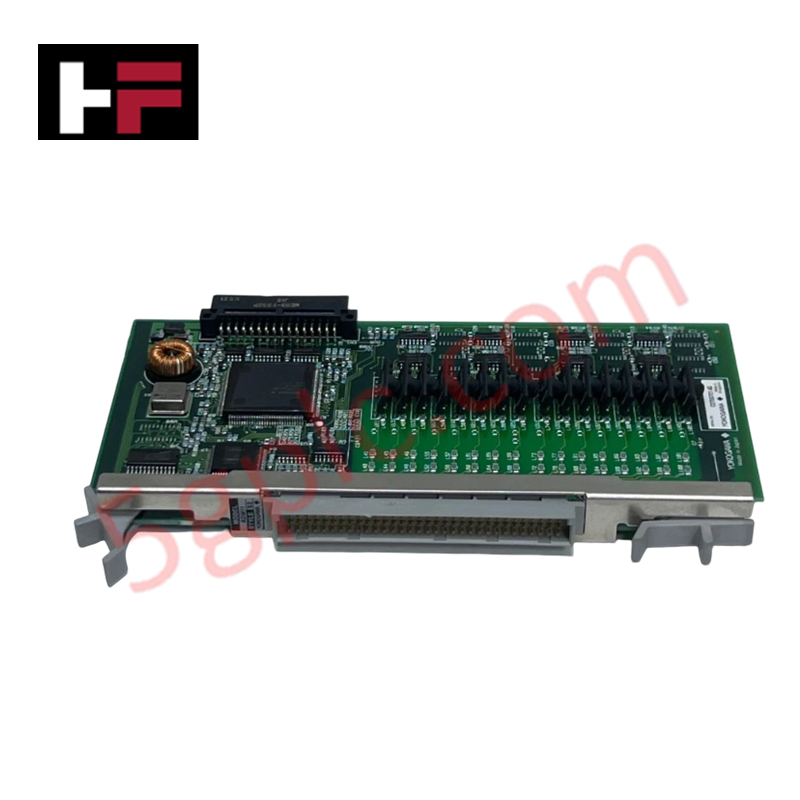
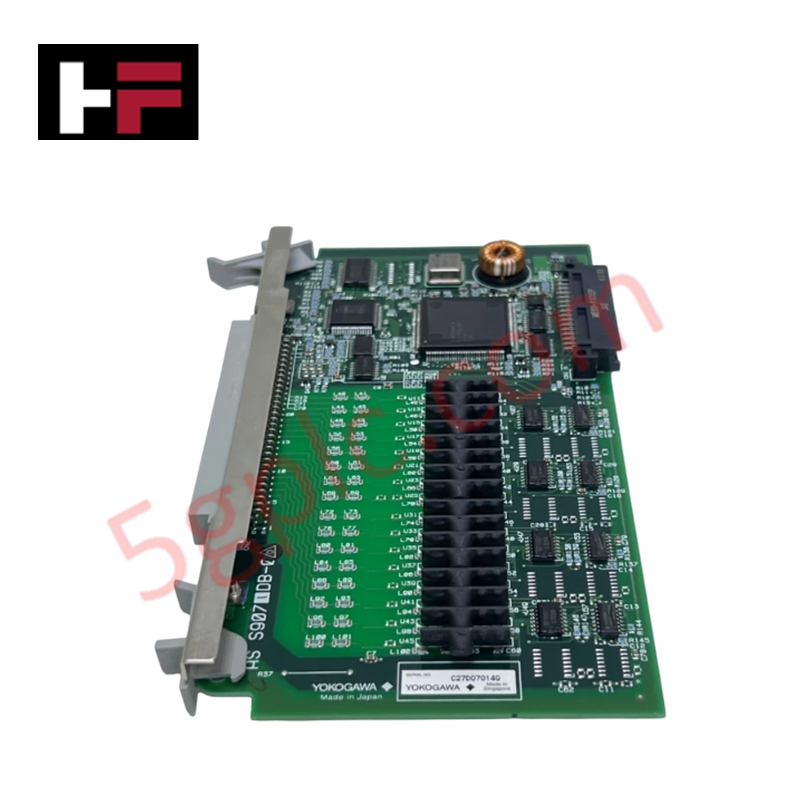
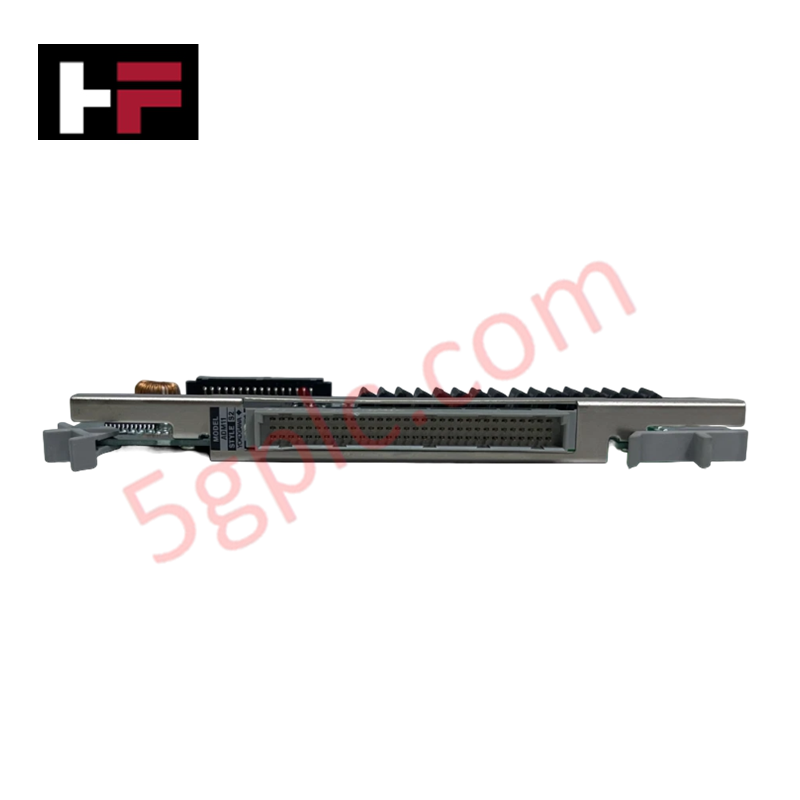
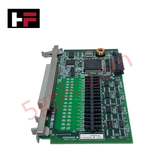
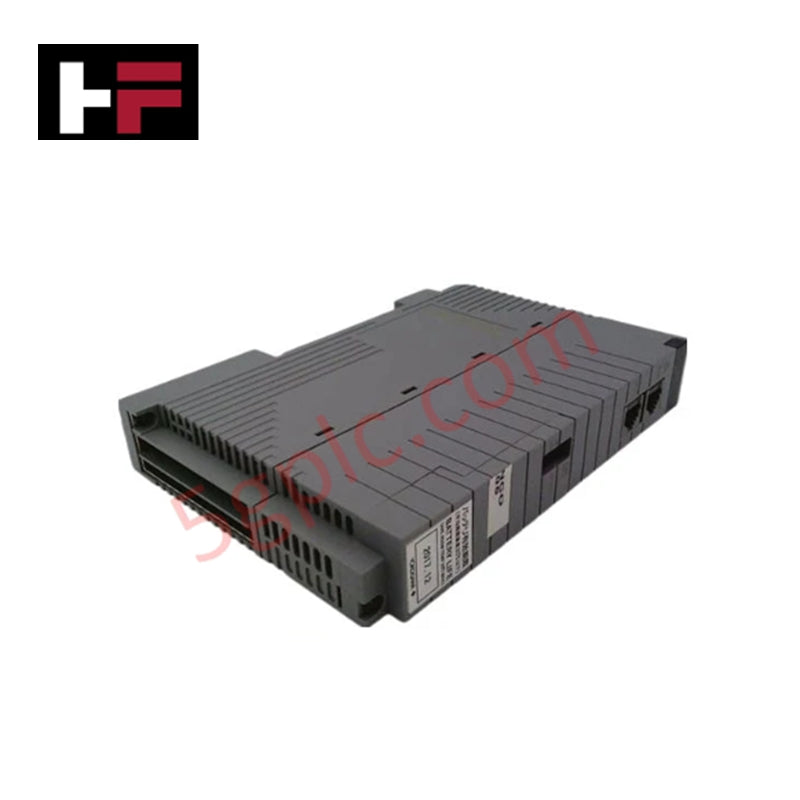
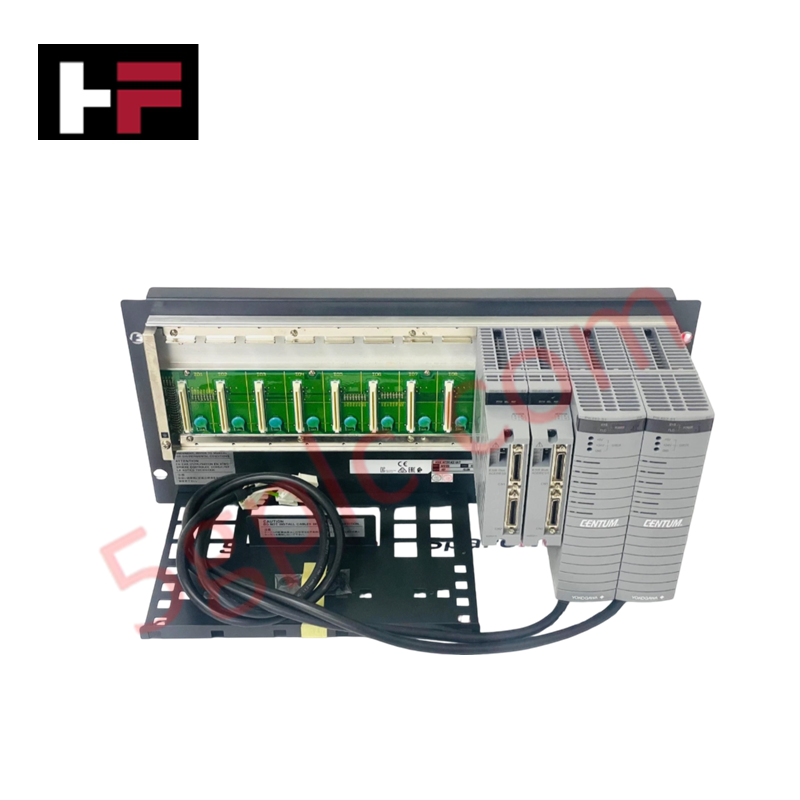
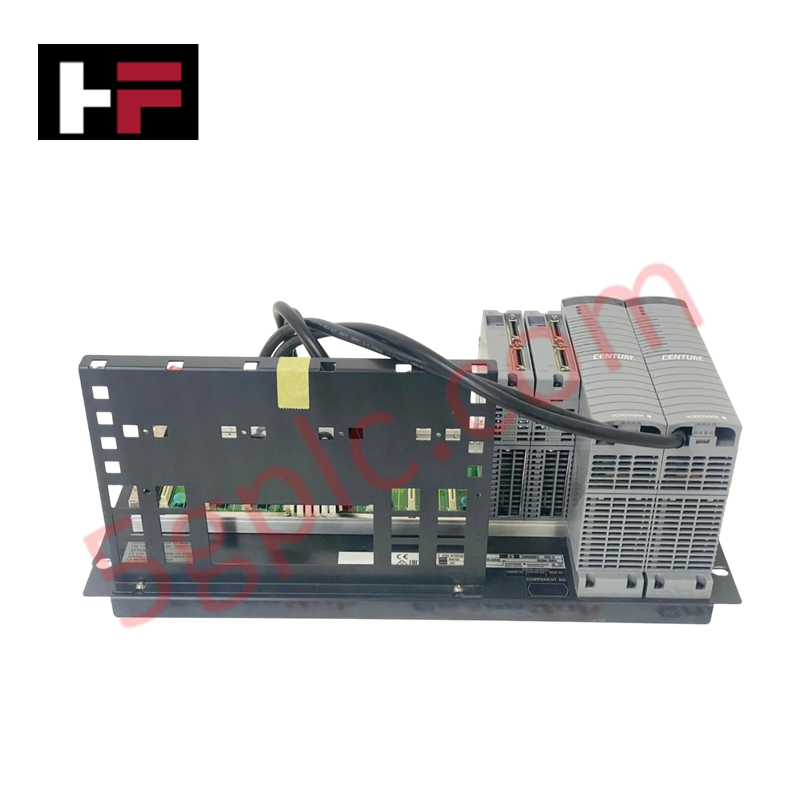
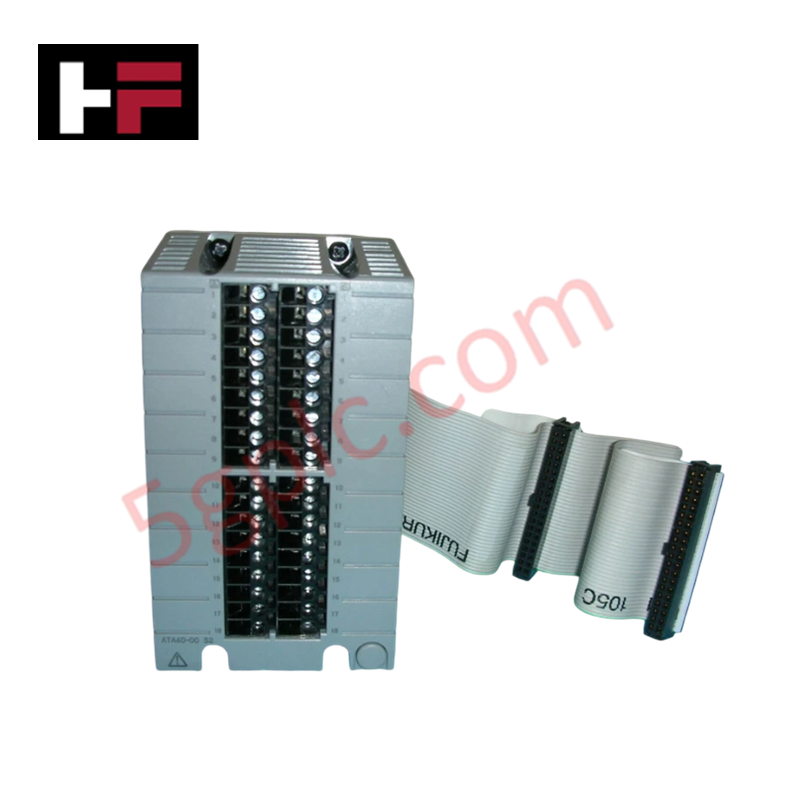
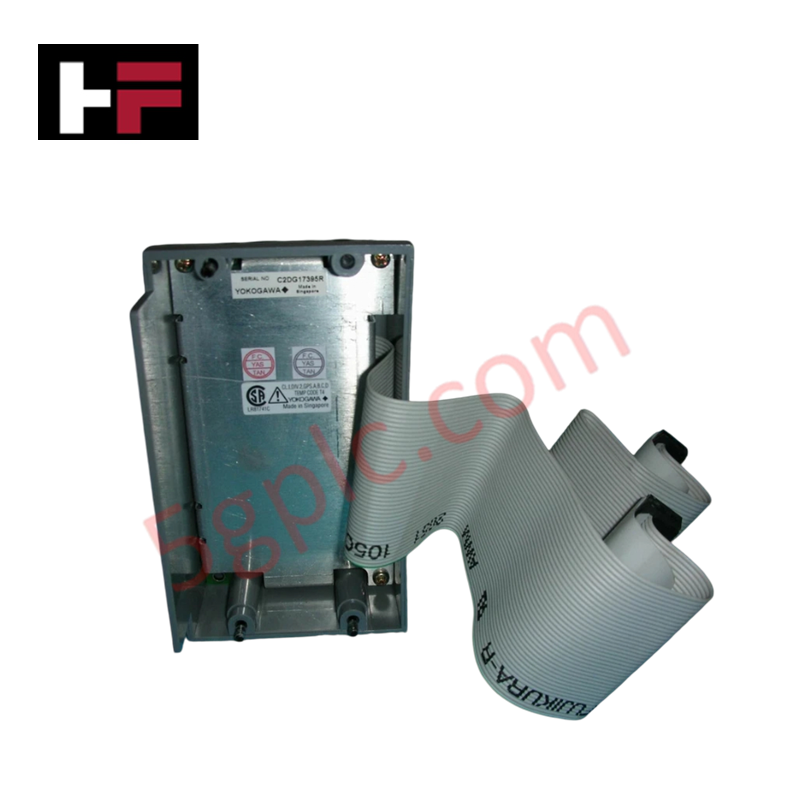
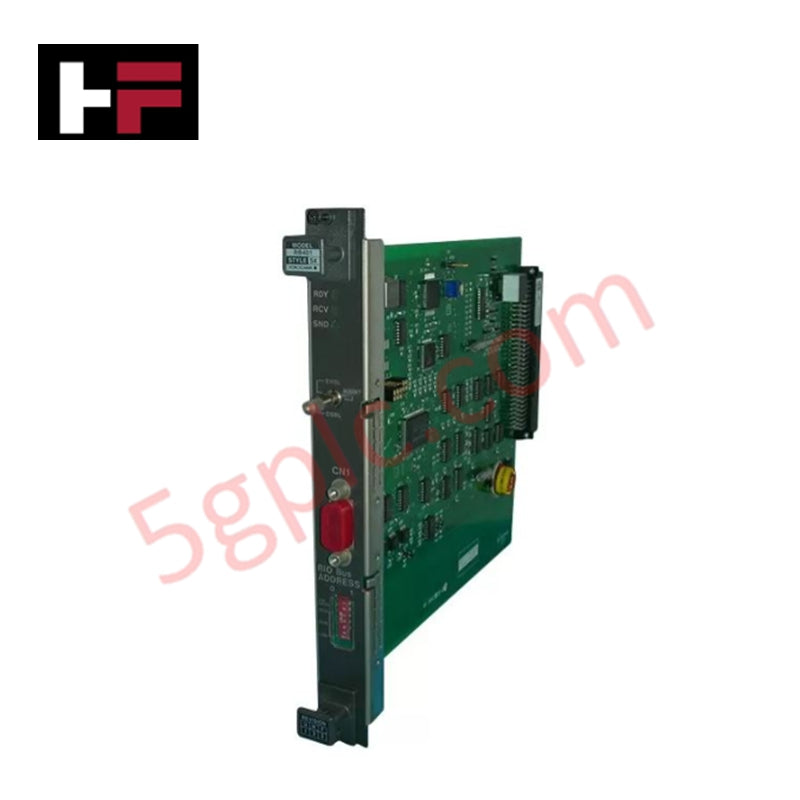
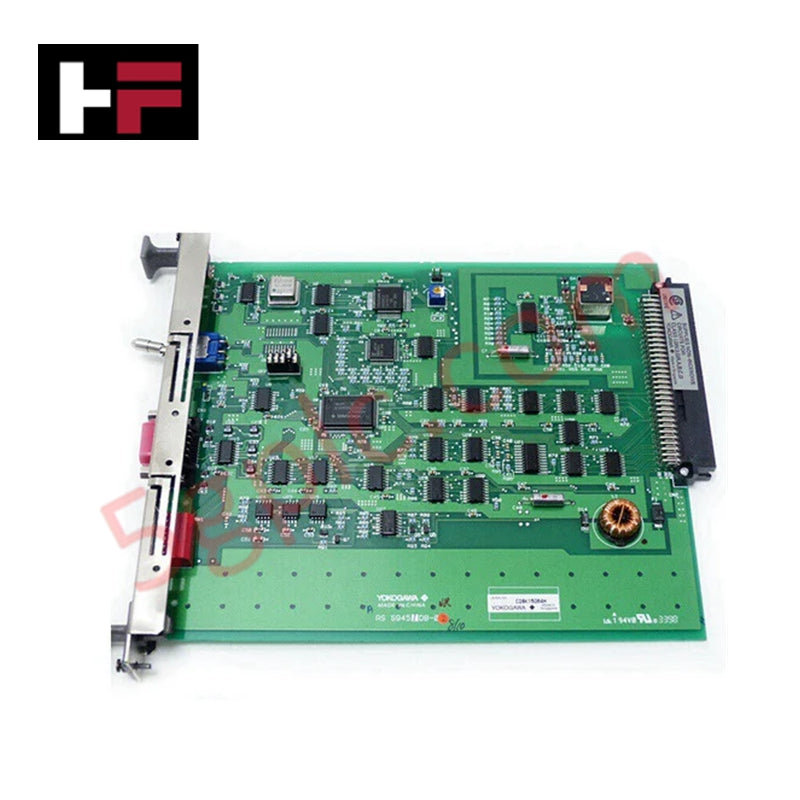
The Yokogawa ADM11 serves as a critical power conversion interface within the CENTUM Distributed Control System (DCS) ecosystem. This module transforms standard 100-120 V AC line voltage into a stabilized 24 V DC output to energize I/O modules and internal nest electronics. Its compact, rail-ready design ensures consistent power delivery to field control units, maintaining system uptime in complex automation environments.
Part Number Breakdown
Yokogawa identifies specific hardware revisions and input configurations through suffix codes:
| Suffix Code | Description |
| ADM11 | Base Model: Power Supply Module |
| -S1 | Standard Revision S1 for 100-120 V AC Input |
| -Basic | Standard Chassis Integration |
Technical Specifications
The ADM11 operates within precise electrical parameters to protect downstream sensitive electronics:
-
Model: YOKOGAWA ADM11
-
Type: Power Supply Module
-
Input Voltage: 100-120 V AC (Single Phase)
-
Output Voltage: 24 V DC
-
Operating Temperature: 0°C to 50°C
-
Dimensions (HxWxD): 130 x 30 x 100 mm
-
Weight: 0.4 kg
-
Condition: 100% Brand New and Original
Engineering Advantages
-
Slim-Profile Integration: The 30 mm width allows engineers to pack multiple power units into narrow cabinet spaces. This slim form factor facilitates high-density mounting without obstructing airflow to adjacent I/O modules.
-
Efficient Thermal Dissipation: The module housing utilizes passive convection cooling. By maintaining a stable temperature range (0°C to 50°C), the ADM11 prevents internal component aging and avoids the noise associated with mechanical cooling fans.
-
Stable Voltage Regulation: Advanced internal circuitry filters line noise and fluctuations from the 100-120 V AC input. It delivers a clean 24 V DC signal, which eliminates digital jitter and analog signal drift in sensitive instrumentation loops.
-
Simplified Module Replacement: The plug-in architecture enables rapid replacement during routine maintenance. Technicians can swap the power unit with minimal tools, significantly reducing Mean Time to Repair (MTTR) for the power segment of the control nest.
FAQs
-
Is this ADM11 power supply new or refurbished?
We supply the ADM11 as a 100% Brand New and Original factory unit. Each module arrives in its original Yokogawa packaging, ensuring you receive the full operational lifespan and manufacturer-guaranteed performance.
-
Can the ADM11 handle 220 V AC input?
No. The ADM11-S1 specifically supports 100-120 V AC input. Applying 220 V AC will damage the internal circuitry. Always verify your cabinet's supply voltage before installation.
-
How do I install the ADM11 in my existing DCS nest?
Align the module with the designated power supply slot in your Yokogawa nest and push firmly until the connectors seat. Secure any mounting screws to ensure proper grounding and to prevent vibration-induced disconnects.
-
Does this module include a warranty?
Yes. As a brand-new original product, it carries a standard industrial warranty. We also offer a 30-day return policy for any quality-related issues identified upon delivery.
Additional Information
- 100% Genuine Parts: All products are original and authentic, ensuring reliable industrial performance.
- 30-Day Refund Guarantee: Return any in-stock item within 30 days in original, unopened packaging for a full refund (excluding shipping and fees).
- 12-Month Warranty: Covers defects in materials or workmanship; excludes misuse, normal wear, or unauthorized modifications.
- Worldwide Shipping: We ship via USPS, UPS, FedEx, and DHL. Delivery times vary by country and may be subject to customs or import fees.
- Support & Contact: Technical and warranty assistance is available anytime. Contact us here: Contact.
- Purchase Guidance: Check product specifications and compatibility carefully before ordering to ensure proper application.


Tech & Buying Guide

Wellhead Control Panel (WHCP) Architecture in Oil and Gas Automation
Upstream oil and gas operations rely on specialized field control platforms to manage wellhead extraction safety and hydraulic actuation. A Wellhead Control Panel (WHCP) serves as a dedicated hydraulic and pneumatic power unit designed to operate critical Christmas Tree isolation valves. By interfacing field safety components directly with Programmable Logic Controller (PLC) architecture, a WHCP protects upstream extraction assets against overpressure, catastrophic leaks, and thermal emergencies.

Understanding Marshalling Cabinets in Industrial Control Systems Architecture
Industrial control system deployments rely on structured signal distribution to bridge field instrumentation with central processing hardware. A marshalling cabinet serves as the vital intermediate connection point between heavy field home-run multi-pair cables and delicate input/output (I/O) modules housed inside Programmable Logic Controller (PLC) or Distributed Control System (DCS) enclosures. By segregating field cable terminations from control hardware, engineers maintain system flexibility, safeguard controller components, and streamline commissioning workflows.

FAT vs SAT in Industrial Control Systems: Key Differences and Execution Guide
Industrial control system deployment relies on strict verification protocols to guarantee operational safety, system stability, and regulatory compliance. Commissioning complex Programmable Logic Controller (PLC) racks, Distributed Control Systems (DCS), and Safety Instrumented Systems (SIS) requires two critical milestones: the Factory Acceptance Test (FAT) and the Site Acceptance Test (SAT). Both procedures validate that system automation meets design specifications, but they occur at different stages of project execution and target distinct operational risks.