










Product Details
Product Overview
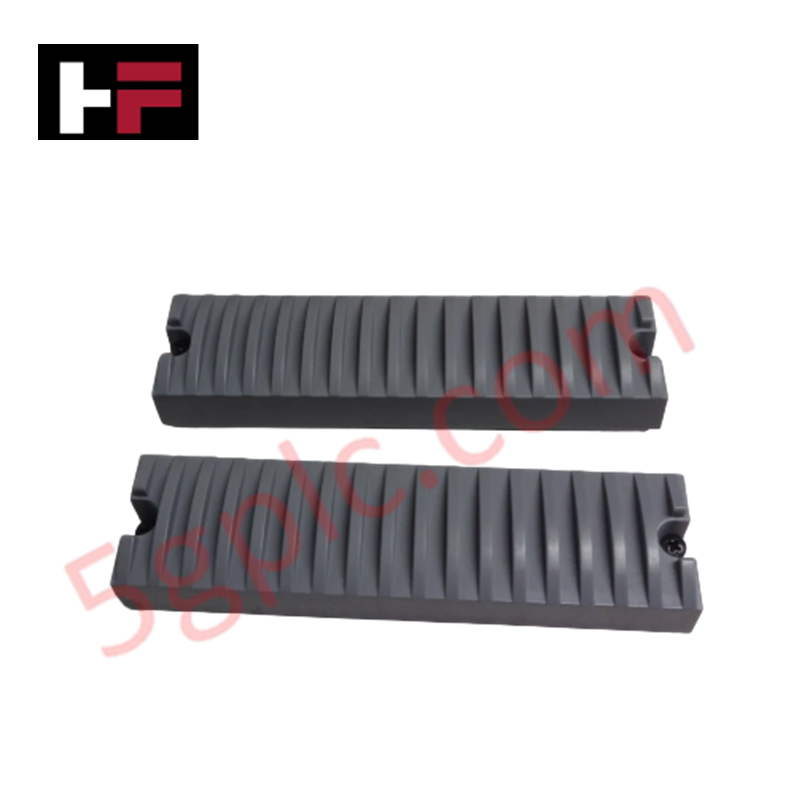
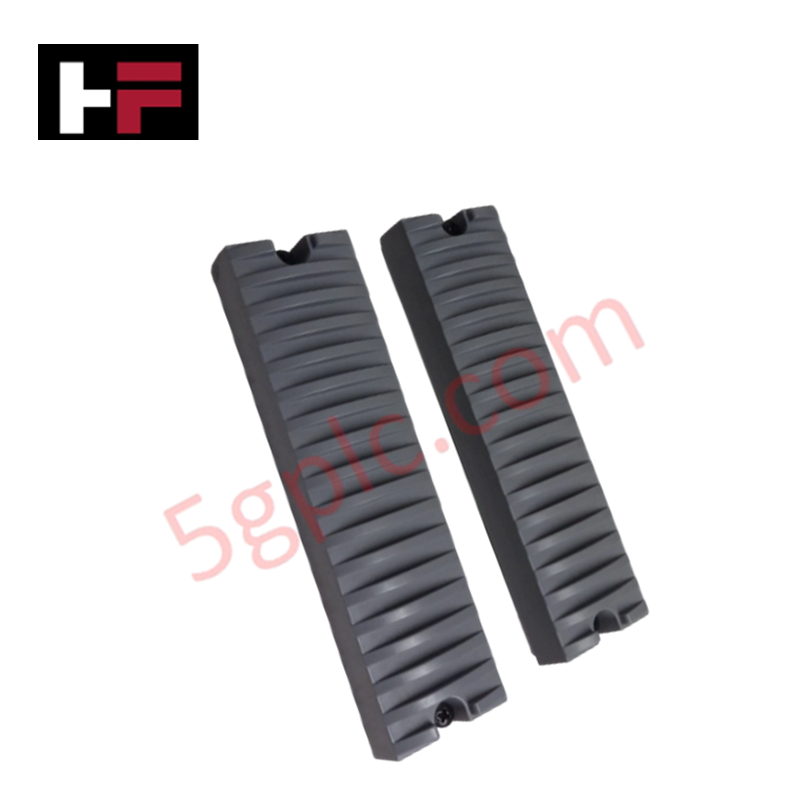
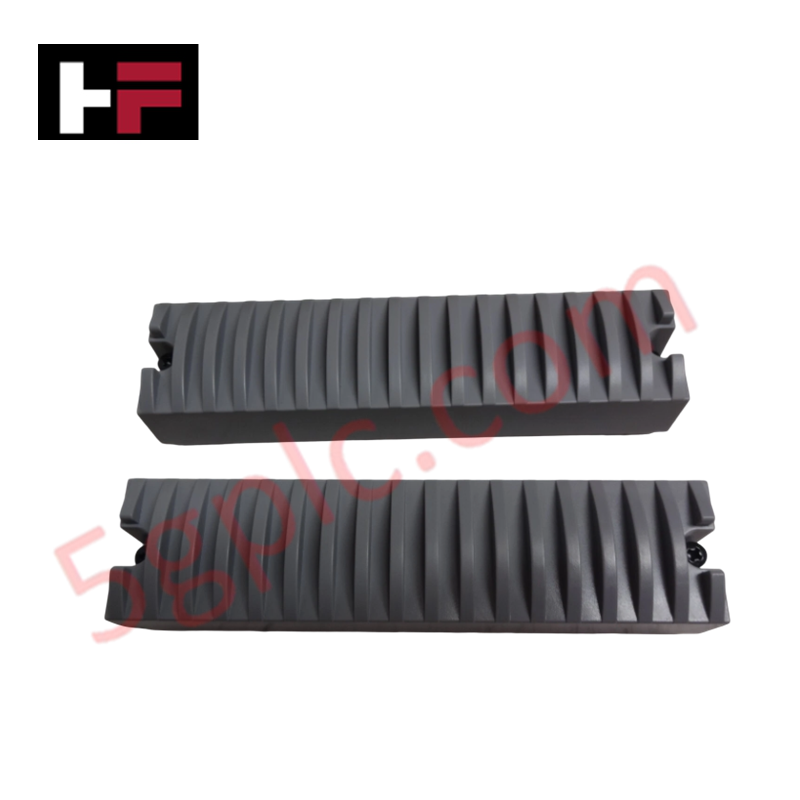
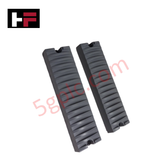
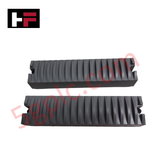
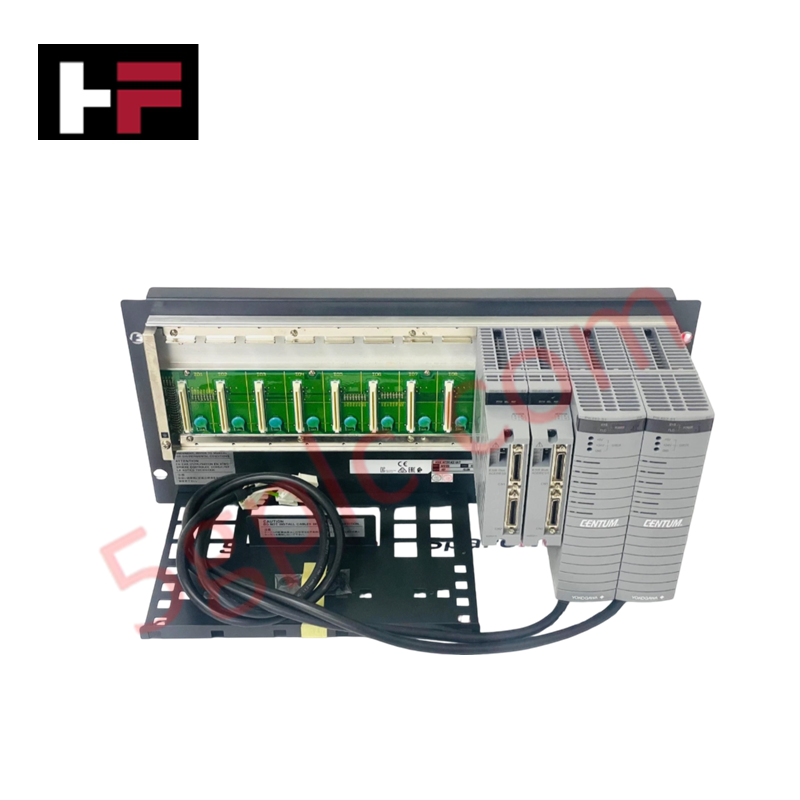
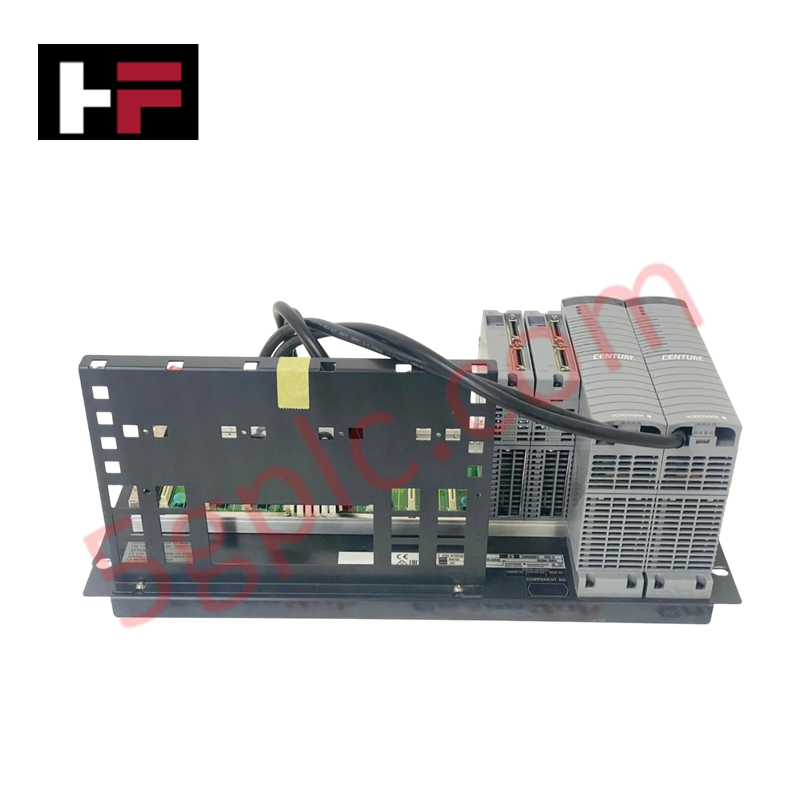
The Yokogawa ADCV01 serves as a vital protective component for the CENTUM series I/O base plates and sub-racks. This Dummy Cover seals unused or vacant I/O module slots, maintaining the mechanical and environmental integrity of the control nest. It prevents the accumulation of industrial contaminants on sensitive backplane connectors and ensures proper airflow distribution within the cabinet. We supply this product as 100% Brand New and original, ensuring a precision fit for your system's empty slots.
Technical Specifications
The ADCV01 utilizes high-grade industrial polymers to meet the strict durability requirements of process automation environments.
-
Manufacturer: Yokogawa Electric Corporation
-
Model: ADCV01
-
Product Type: Dummy Cover / Blanking Plate
-
Compatibility: Standard Yokogawa I/O Module Slots (CENTUM VP/CS 3000)
-
Material: Flame-retardant industrial resin
-
Installation: Tool-free snap-in mechanism
-
Condition: 100% Brand New and Original
Engineering Advantages
The ADCV01 addresses specific maintenance and operational challenges in mission-critical control rooms:
-
Contaminant Shielding: This cover blocks dust, moisture, and conductive particles from settling on the gold-plated backplane pins. This proactive shielding prevents short circuits and signal degradation when you eventually install active modules.
-
Optimized Thermal Management: Empty slots disrupt the engineered airflow of a forced-convection cooling system. The ADCV01 directs air through the active modules rather than allowing it to escape through vacant gaps, preventing localized hotspots.
-
Electromagnetic Interference (EMI) Protection: The cover maintains the continuity of the sub-rack’s shielding. It minimizes the entry of stray electromagnetic noise into the backplane, preserving the signal-to-noise ratio for adjacent analog input modules.
-
Mechanical Connector Preservation: Constant exposure to the atmosphere can lead to pin oxidation. The ADCV01 creates a semi-sealed environment for the backplane interface, extending the service life of the base unit hardware.
FAQs
Why must I use an ADCV01 instead of leaving the slot empty?
Leaving a slot open exposes the backplane connectors to oxidation and physical damage. Furthermore, open slots compromise the cooling efficiency of the rack, potentially leading to the overheating of neighboring active I/O modules.
Does the ADCV01 require any software configuration?
No. The ADCV01 is a passive mechanical component. The control system does not detect its presence, and it requires no logic mapping within the engineering station.
Can I reuse the ADCV01 when moving modules around?
Yes. The durable snap-in design allows for multiple installation and removal cycles. Technicians simply remove the cover when a functional I/O module requires the slot and re-install it if a module is decommissioned.
Does this cover fit both Analog and Digital I/O slots?
Yes. The ADCV01 features a universal form factor compatible with all standard Yokogawa I/O slots designed for the CENTUM series base plates.
Additional Information
- 100% Genuine Parts: All products are original and authentic, ensuring reliable industrial performance.
- 30-Day Refund Guarantee: Return any in-stock item within 30 days in original, unopened packaging for a full refund (excluding shipping and fees).
- 12-Month Warranty: Covers defects in materials or workmanship; excludes misuse, normal wear, or unauthorized modifications.
- Worldwide Shipping: We ship via USPS, UPS, FedEx, and DHL. Delivery times vary by country and may be subject to customs or import fees.
- Support & Contact: Technical and warranty assistance is available anytime. Contact us here: Contact.
- Purchase Guidance: Check product specifications and compatibility carefully before ordering to ensure proper application.


Tech & Buying Guide

Understanding Marshalling Cabinets in Industrial Control Systems Architecture
Industrial control system deployments rely on structured signal distribution to bridge field instrumentation with central processing hardware. A marshalling cabinet serves as the vital intermediate connection point between heavy field home-run multi-pair cables and delicate input/output (I/O) modules housed inside Programmable Logic Controller (PLC) or Distributed Control System (DCS) enclosures. By segregating field cable terminations from control hardware, engineers maintain system flexibility, safeguard controller components, and streamline commissioning workflows.

FAT vs SAT in Industrial Control Systems: Key Differences and Execution Guide
Industrial control system deployment relies on strict verification protocols to guarantee operational safety, system stability, and regulatory compliance. Commissioning complex Programmable Logic Controller (PLC) racks, Distributed Control Systems (DCS), and Safety Instrumented Systems (SIS) requires two critical milestones: the Factory Acceptance Test (FAT) and the Site Acceptance Test (SAT). Both procedures validate that system automation meets design specifications, but they occur at different stages of project execution and target distinct operational risks.

Hub vs Switch vs Router in Industrial Automation Architecture
Modern factory automation relies on reliable industrial networking infrastructure to exchange real-time field data across operational technology systems. Engineers often encounter networking hardware like hubs, switches, and routers when integrating Programmable Logic Controllers, Distributed Control Systems, and SCADA monitoring nodes. Although these devices share physical ports, they operate at different layers of the Open Systems Interconnection reference model and deliver distinct traffic management capabilities.