










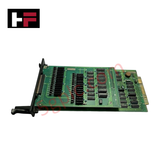
Product Details
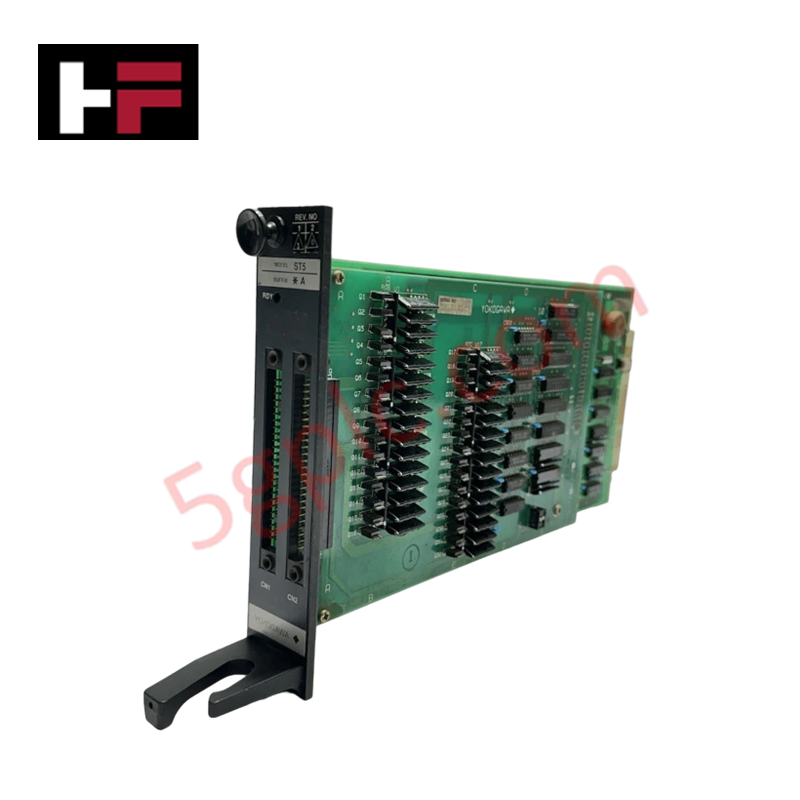
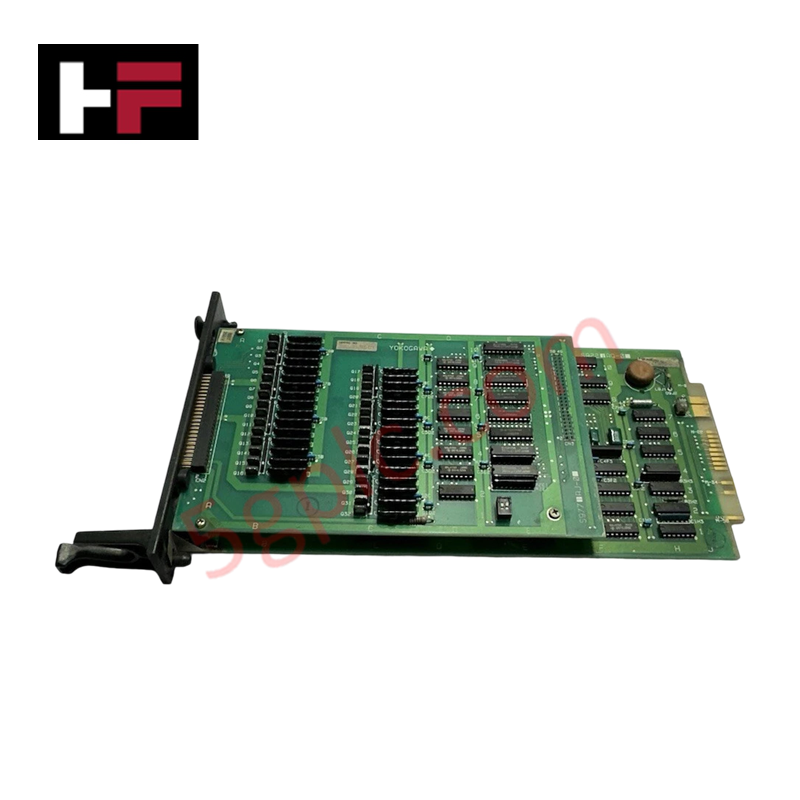
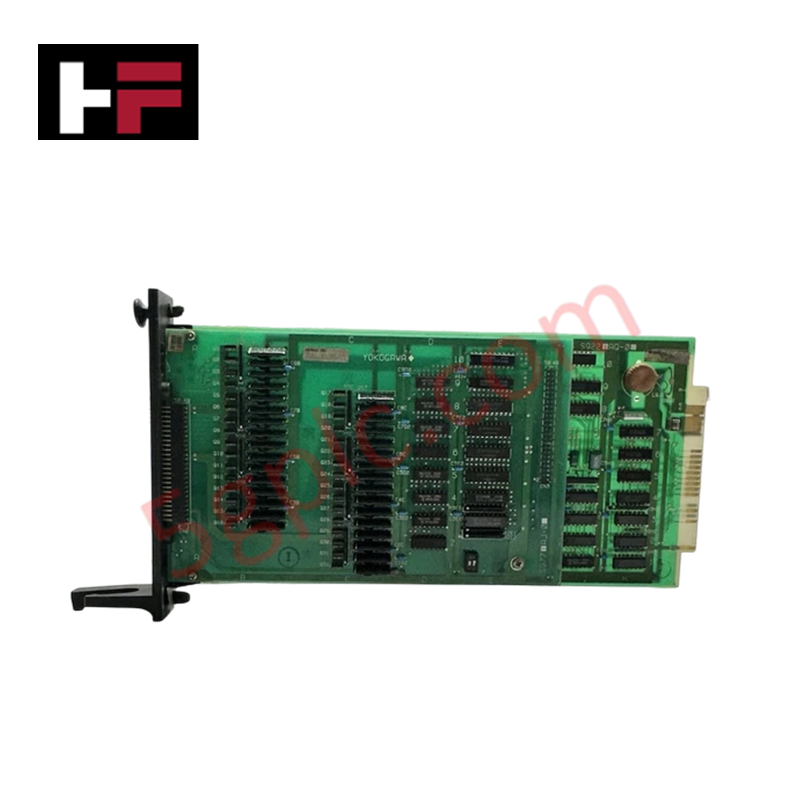
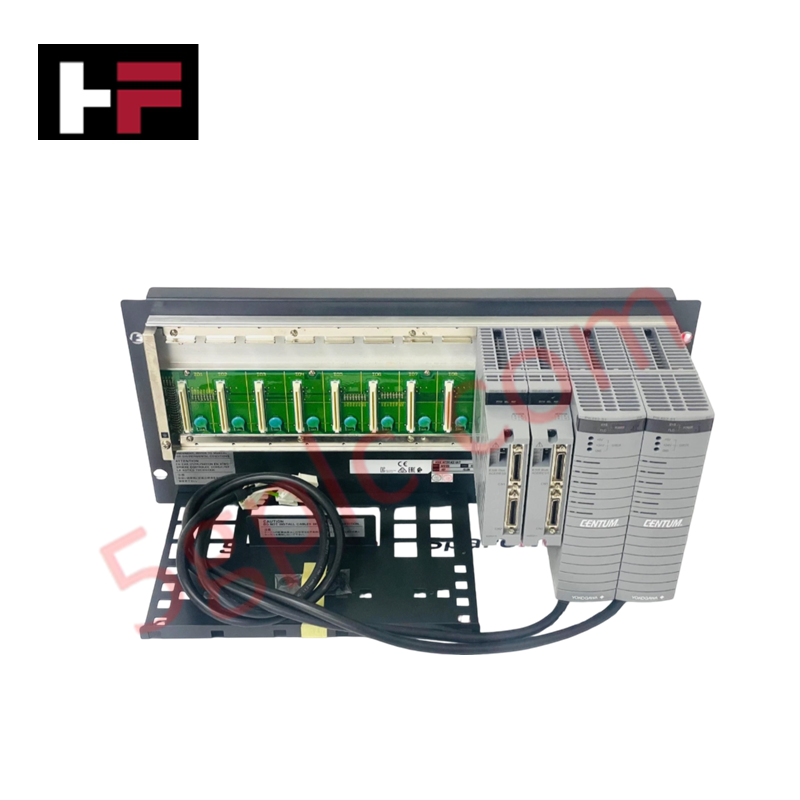
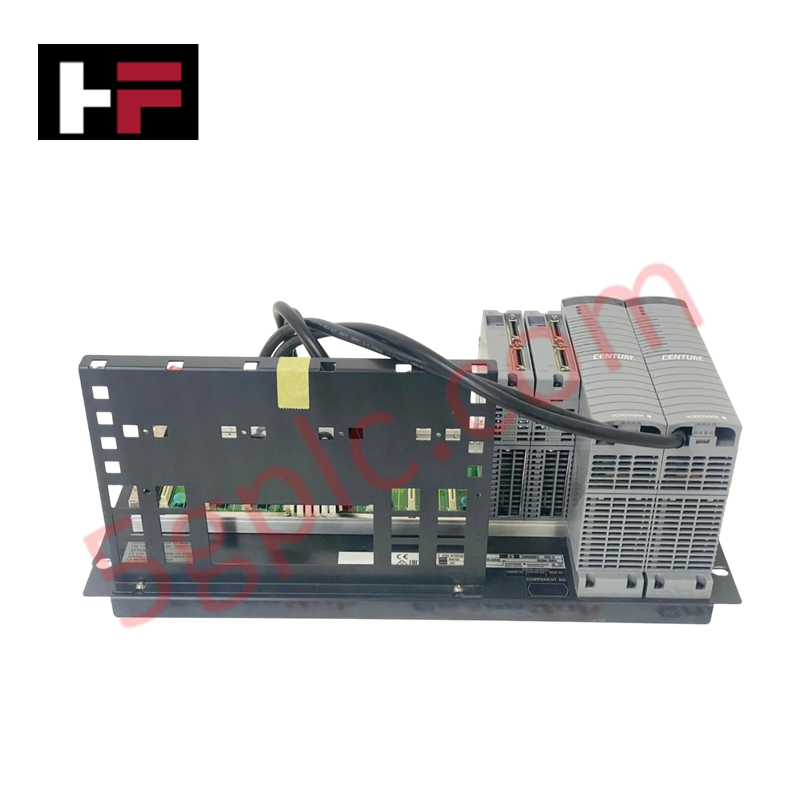
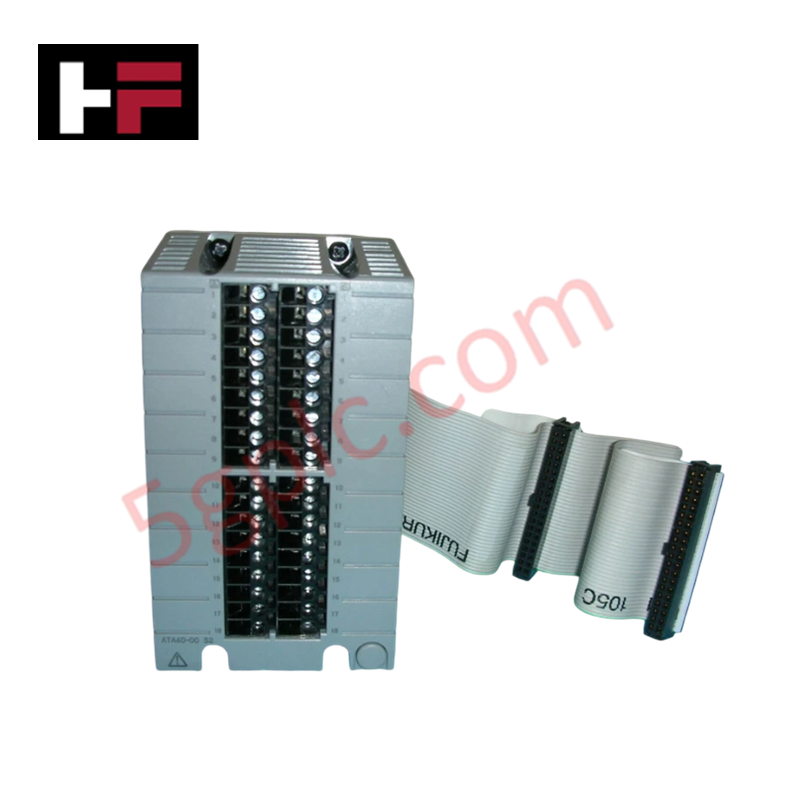
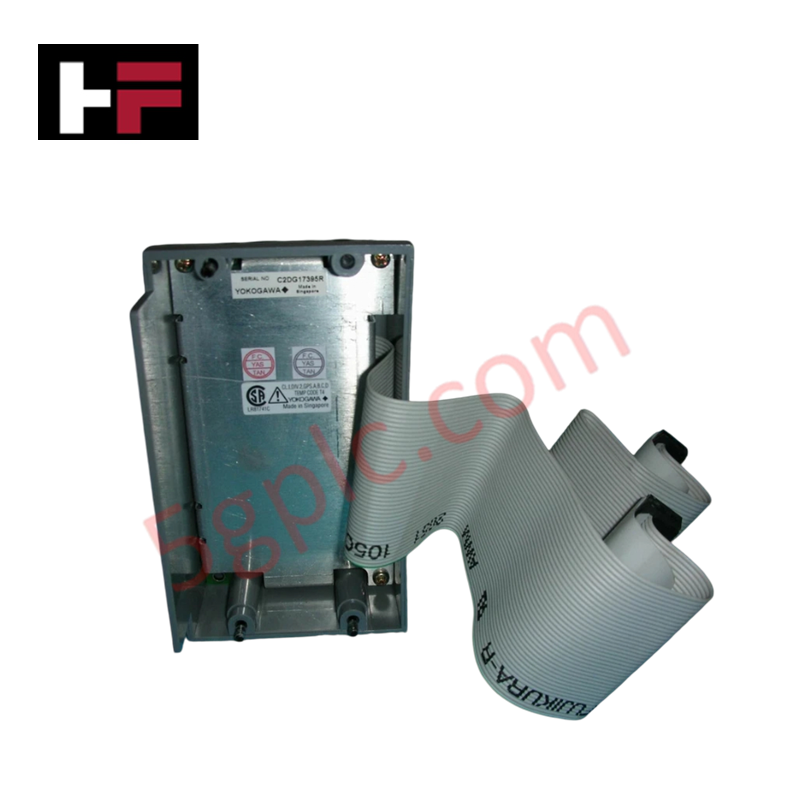
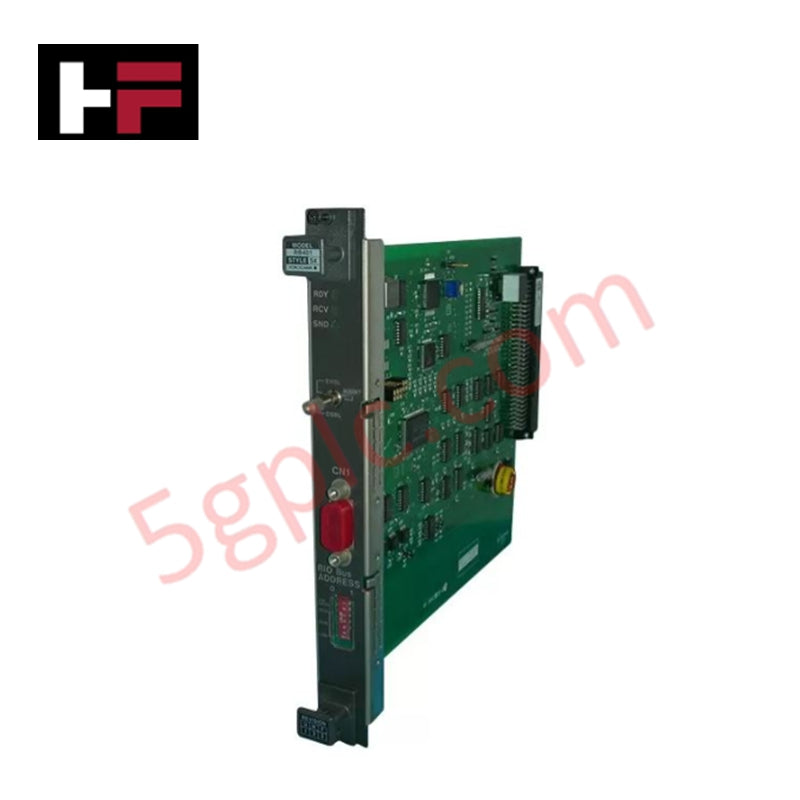
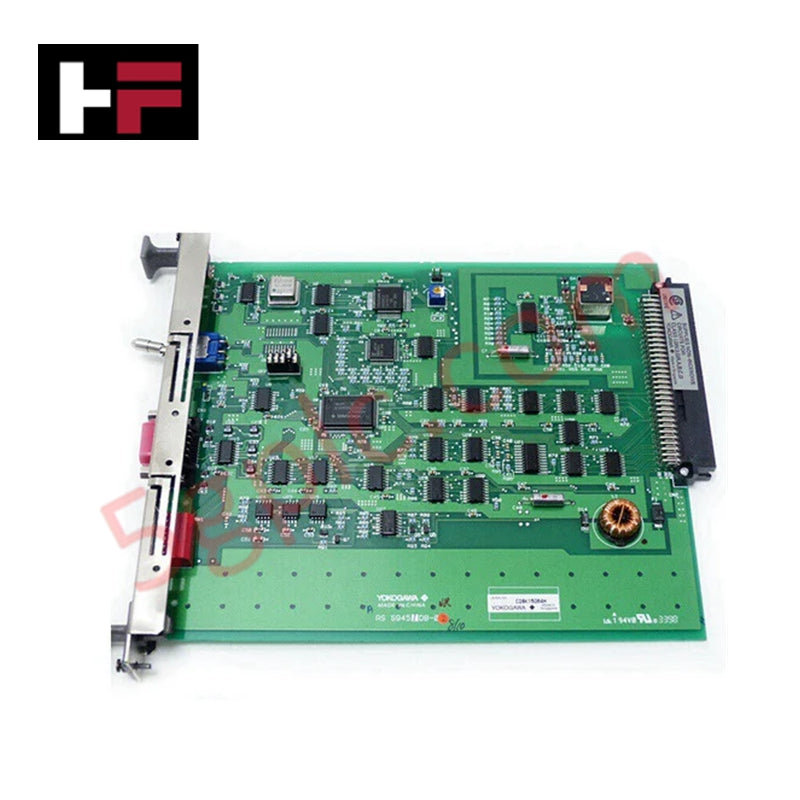
The Yokogawa ST5*A, also cataloged as the ST5 Multipoint Status Input/Output Card, operates as a dedicated hardware component for multi-channel discrete status monitoring and analog signal conditioning within CENTUM system nodes.
Hardware Specifications
| Parameter | Specification |
|---|---|
| Model | ST5*A |
| Brand | Yokogawa |
| Origin | Japan |
| Module Type | Multipoint Status Input/Output Card |
| I/O Channels | 16 Analog Inputs, 8 Digital Inputs/Outputs |
| Analog Input Range | 4-20 mA |
| Supply Voltage | 12-36 V DC |
| Communication Interface | RS-485 |
| Weight | 1.36 kg |
| Dimensions | Standard Rack Slot Module Form Factor |
| Operating Temp | -20 to +85 deg C (-4 to +185 deg F) |
| Power Consumption | Operating current draw on 12-36 V DC line |
Loop Protocol Integration & Signal Conditioning
The ST5*A multipoint status card routes field variables through dedicated 4-20 mA HART loop protocol conversion paths and isolated digital I/O channels. Internal signal conditioning circuitry rejects common-mode line noise across the 16 analog input channels, preserving analog-to-digital resolution before passing process data over the onboard RS-485 serial communication interface.
Frequently Asked Questions
Q: What power input constraints apply to the ST5*A I/O card?
A: The card accepts an auxiliary direct current supply voltage ranging from 12 V DC to 36 V DC across its field power terminals.
Q: How are digital and analog signals physically mapped across the card terminal interface?
A: The unit divides its terminal connections into 16 discrete 4-20 mA analog input channels alongside 8 configurable digital input/output channels.
Field Installation Guidelines
Mount the ST5*A card into the assigned rack enclosure slot using the integrated guide channels until the backplane connectors fully seat. Connect incoming 4-20 mA current loop wiring and RS-485 bus lines using shielded twisted-pair cables. Ground all cable shields at a single dedicated earth ground point on the cabinet terminal strip to prevent ground loop interference.
Additional Information
- 100% Genuine Parts: All products are original and authentic, ensuring reliable industrial performance.
- 30-Day Refund Guarantee: Return any in-stock item within 30 days in original, unopened packaging for a full refund (excluding shipping and fees).
- 12-Month Warranty: Covers defects in materials or workmanship; excludes misuse, normal wear, or unauthorized modifications.
- Worldwide Shipping: We ship via USPS, UPS, FedEx, and DHL. Delivery times vary by country and may be subject to customs or import fees.
- Support & Contact: Technical and warranty assistance is available anytime. Contact us here: Contact.
- Purchase Guidance: Check product specifications and compatibility carefully before ordering to ensure proper application.


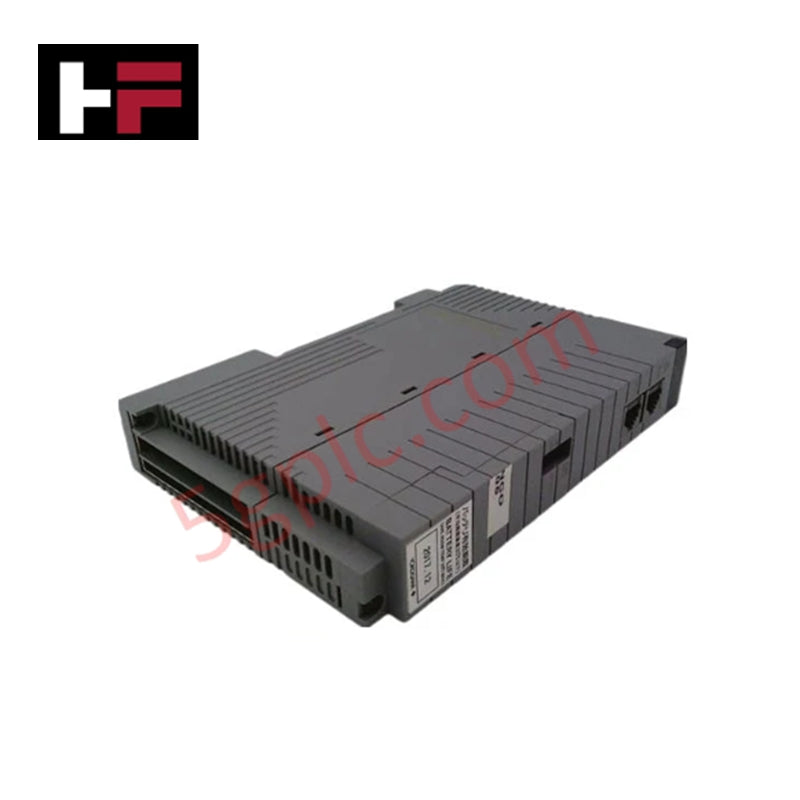
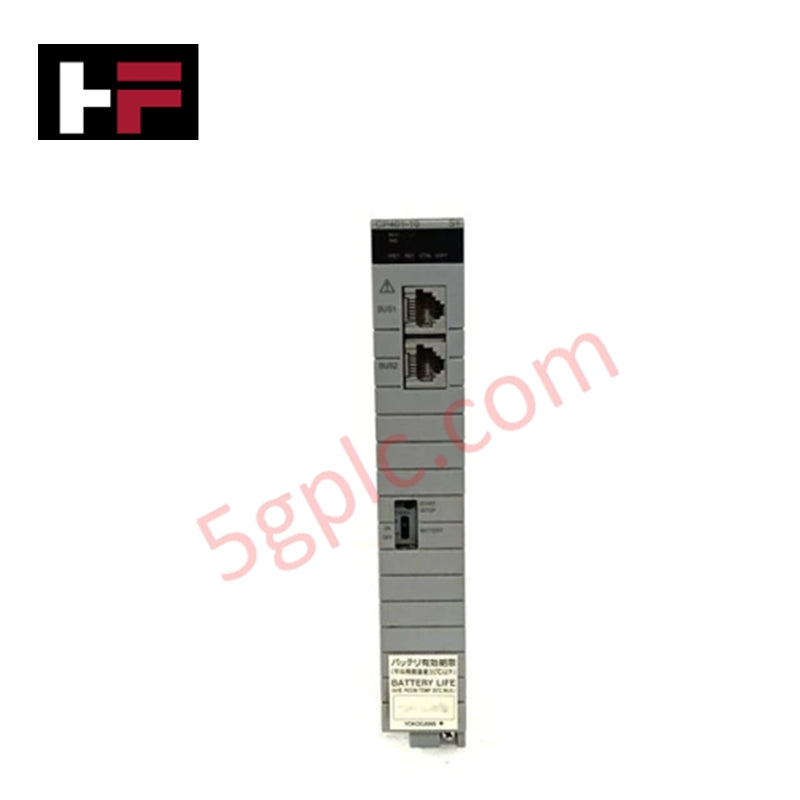
Tech & Buying Guide

Top 5 Operational Advantages of HMIs in Modern Factory Automation

Importance of Safety Barriers in PLC and DCS Control Systems
