










Product Details
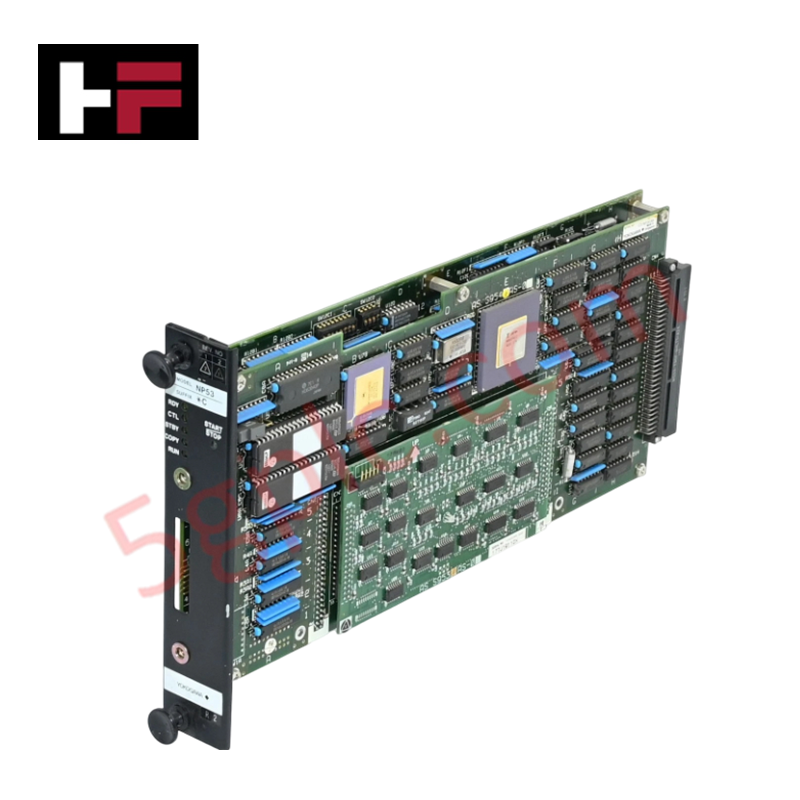
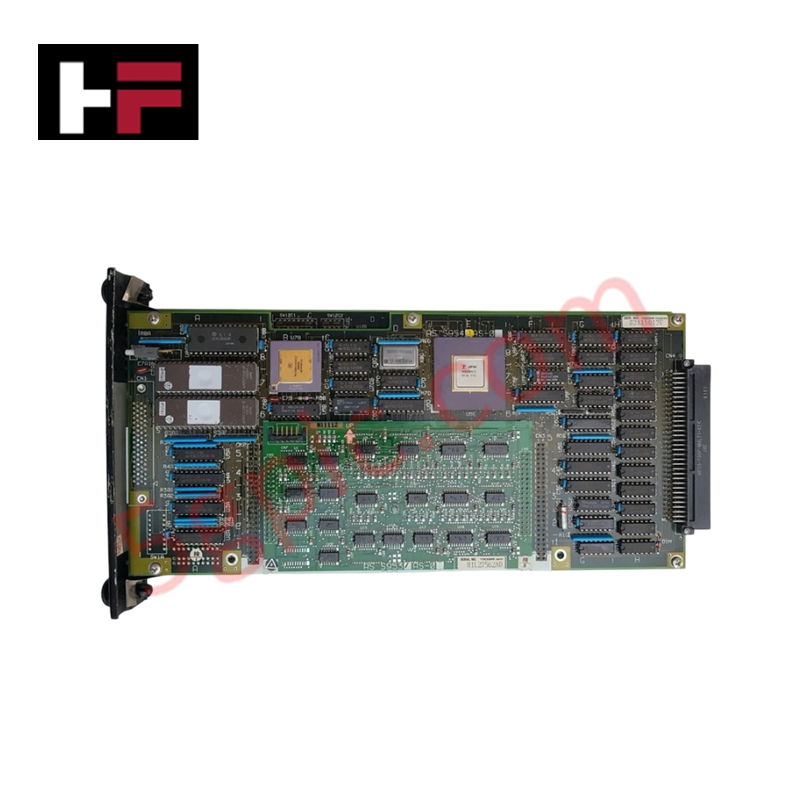
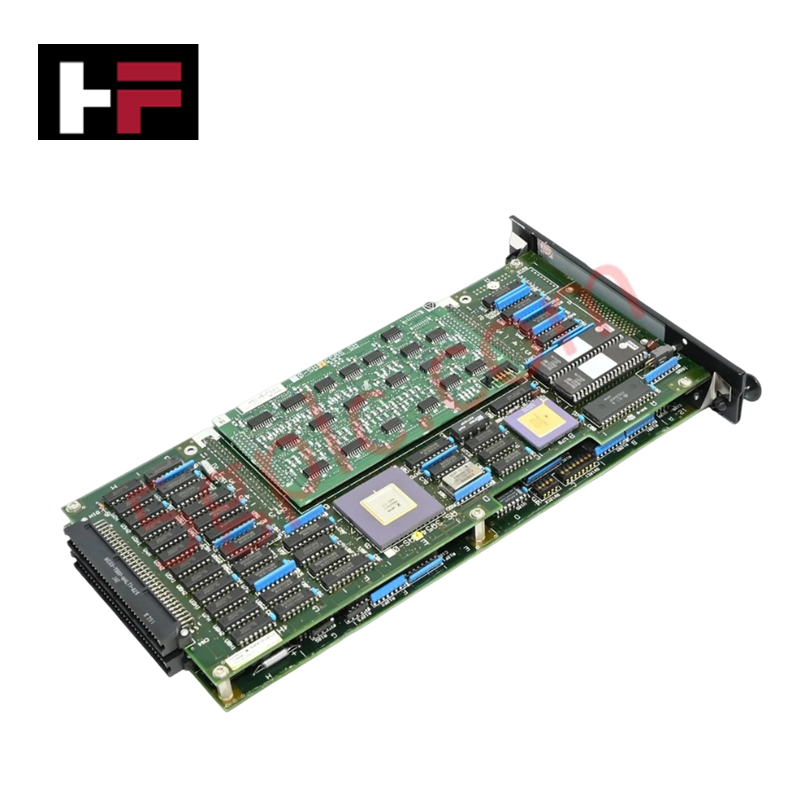
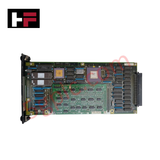
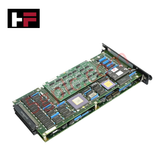
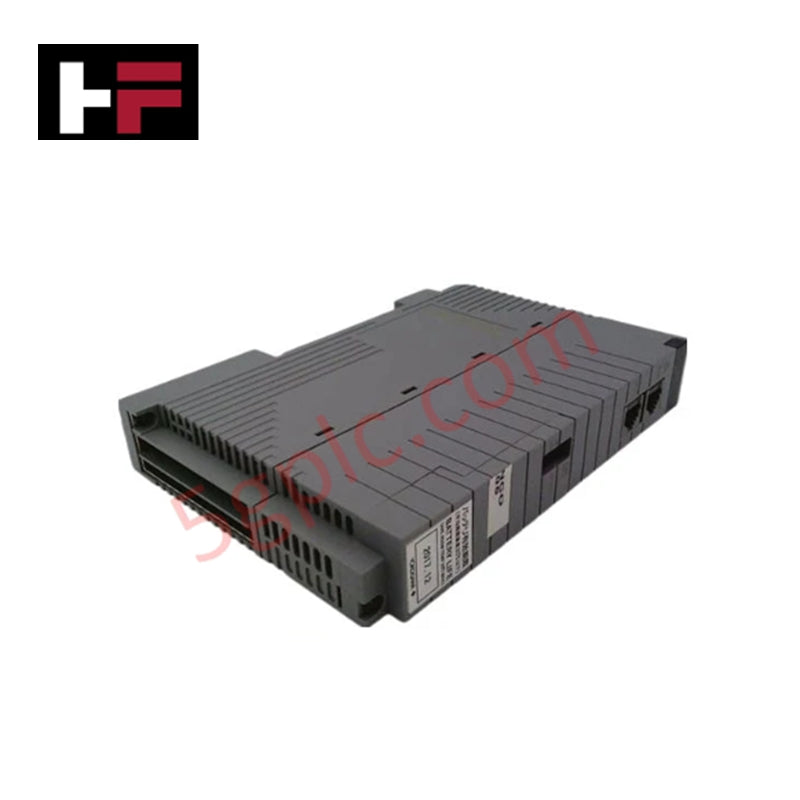
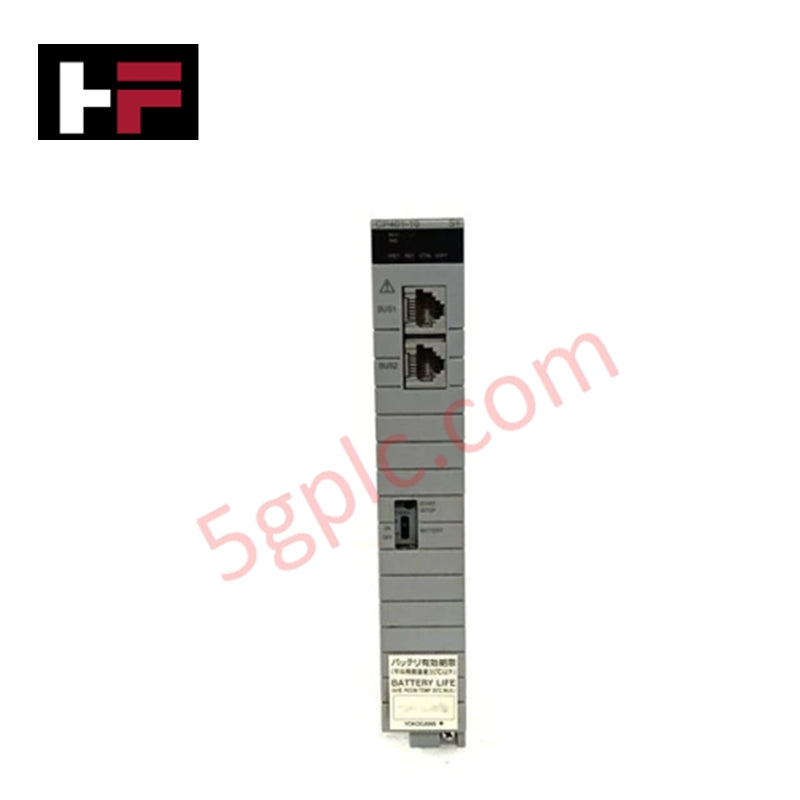
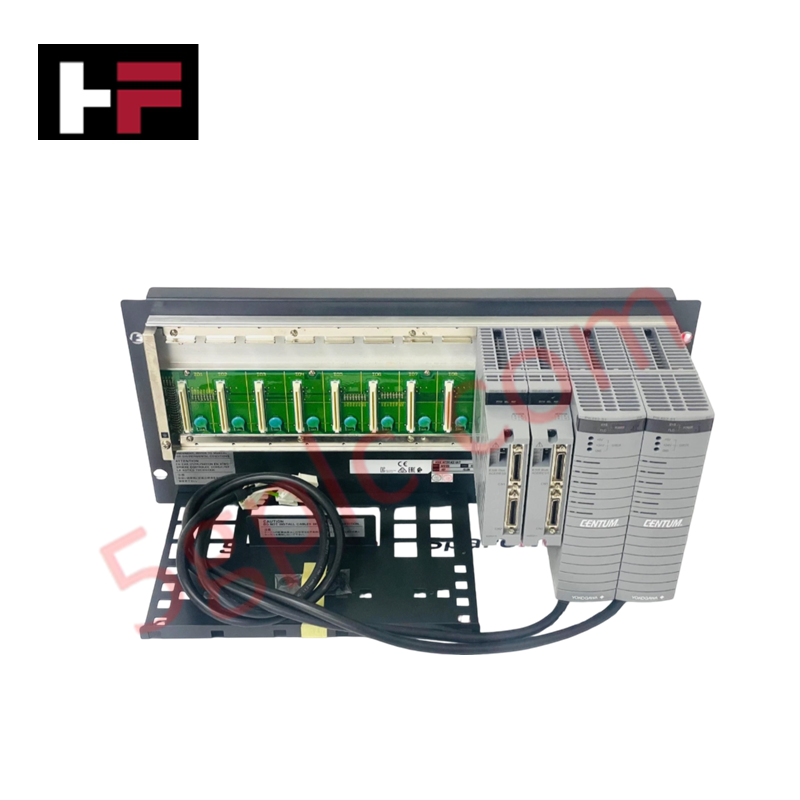
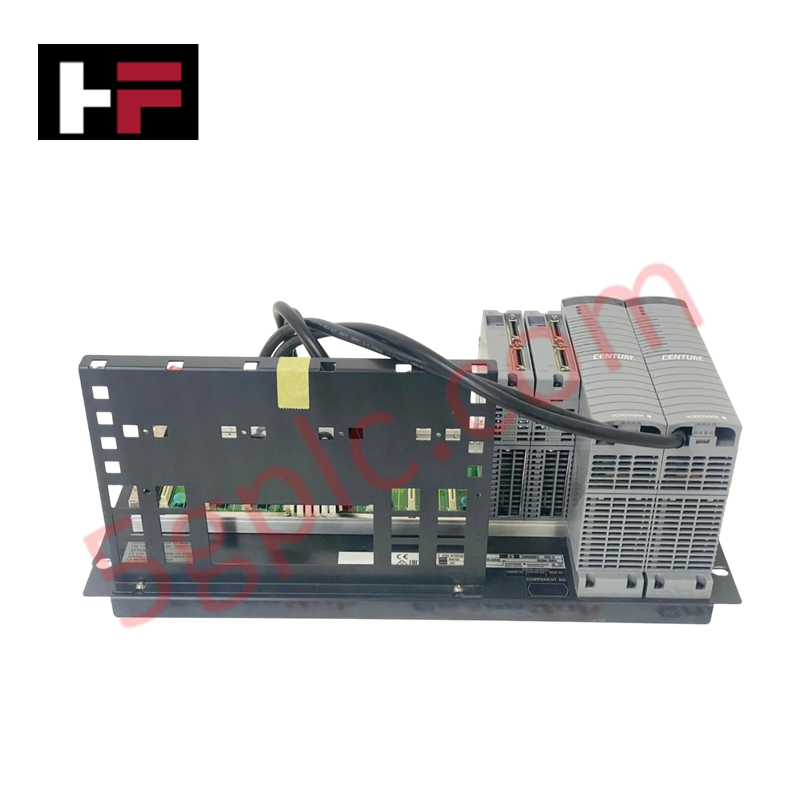
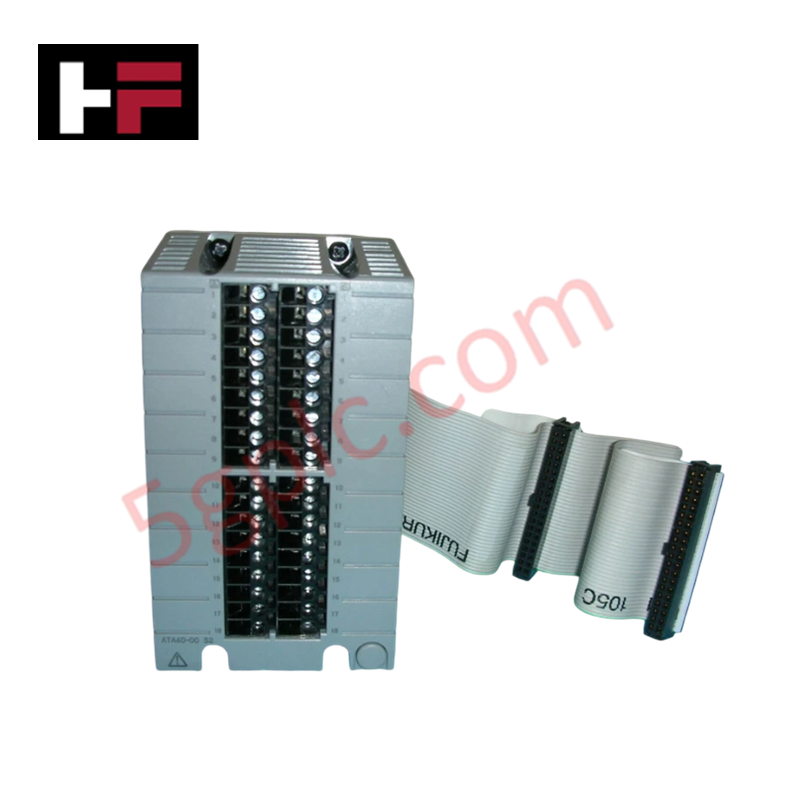
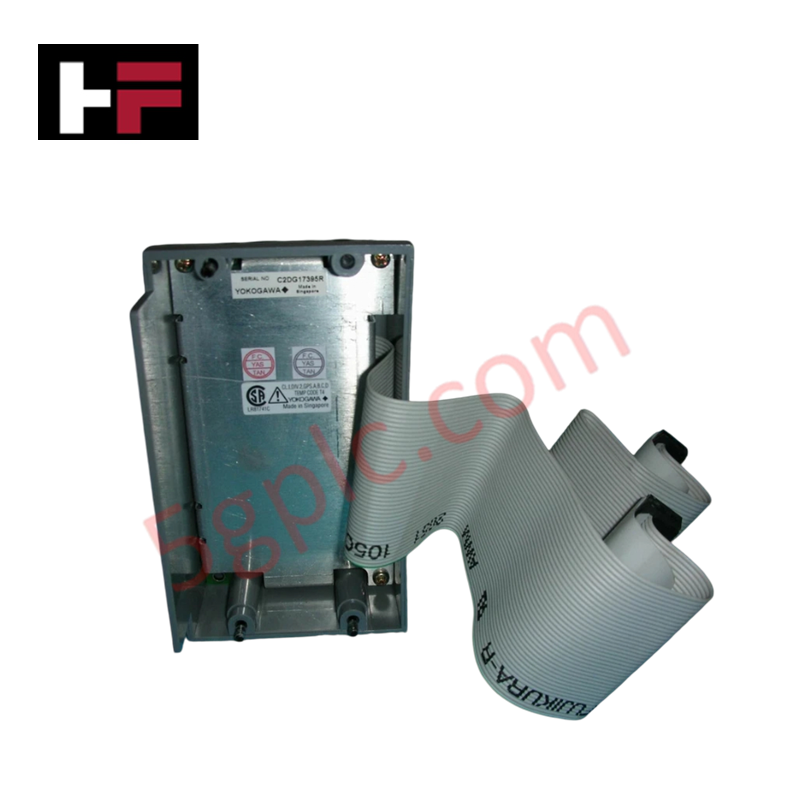
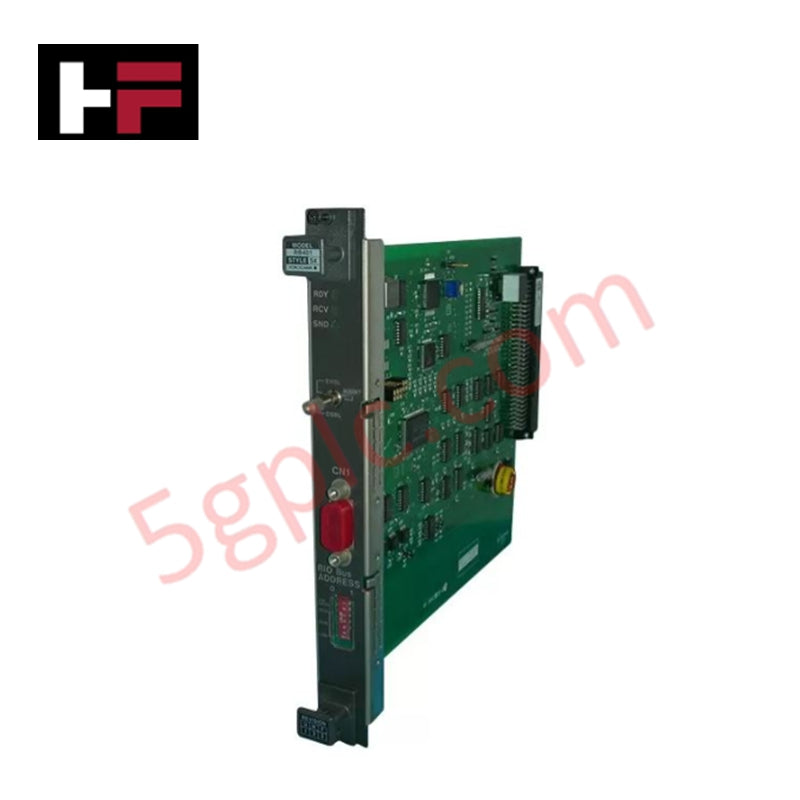
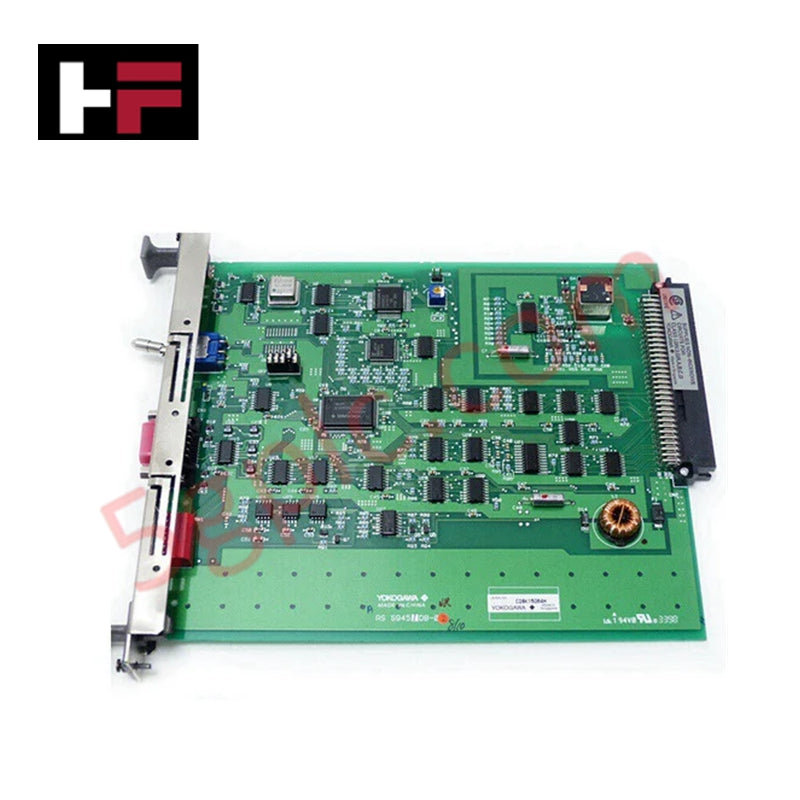
The Yokogawa NP53*C serves as the primary NP53 Processor Card utilized to execute real-time control algorithms and signal routing across CENTUM system platforms.
Hardware Specifications
| Parameter | Specification |
|---|---|
| Model | NP53*C |
| Brand | Yokogawa |
| Origin | Japan |
| Card Type | Basic MFCU Processor Card |
| Power Supply | 24 V DC +/-10% |
| Current Consumption | 1.0 A |
| Withstanding Voltage | 1000 V AC for 1 min (power terminals to ground) |
| Isolation Resistance | Greater than 100 Mohm at 500 V DC |
| Dimensions | 178 mm x 51 mm x 330 mm |
| Operating Temp | 0 to 50 deg C |
| Power Consumption | 24 W nominal (24 V DC at 1.0 A) |
Channel Isolation & Signal Conditioning
The NP53*C processor card integrates internal galvanically isolated power rail barriers to decouple high-speed control logic circuits from ground loop noise. Operating with a dielectric strength rating of 1000 V AC for 1 minute and an isolation resistance exceeding 100 Mohm at 500 V DC, the card suppresses common-mode voltage spikes on internal field bus interfaces, ensuring data stability across 4-20 mA HART loop protocol subnodes and remote fieldbus I/O modules.
Frequently Asked Questions
Q: What are the primary electrical isolation limits between power terminals and ground for the NP53*C?
A: The card withstands 1000 V AC applied for 1 minute between power terminals and frame ground, maintaining an isolation resistance greater than 100 Mohm at 500 V DC.
Q: What power input tolerances apply to the NP53*C processor card?
A: The card requires a nominal 24 V DC supply with an operational input tolerance of +/-10% (21.6 V DC to 26.4 V DC) at a current draw of 1.0 A.
Field Installation Guidelines
Insert the NP53*C card vertically into the assigned rack slot using the card cage guide tracks until the rear edge connectors fully engage the system backplane. Tighten the top and bottom captive retention screws on the front panel to secure physical latching and establish frame earth grounding. Ensure all field power lines supplying 24 V DC are routed away from high-voltage AC cables and fitted with proper overcurrent protection prior to energizing the rack slot.
Additional Information
- 100% Genuine Parts: All products are original and authentic, ensuring reliable industrial performance.
- 30-Day Refund Guarantee: Return any in-stock item within 30 days in original, unopened packaging for a full refund (excluding shipping and fees).
- 12-Month Warranty: Covers defects in materials or workmanship; excludes misuse, normal wear, or unauthorized modifications.
- Worldwide Shipping: We ship via USPS, UPS, FedEx, and DHL. Delivery times vary by country and may be subject to customs or import fees.
- Support & Contact: Technical and warranty assistance is available anytime. Contact us here: Contact.
- Purchase Guidance: Check product specifications and compatibility carefully before ordering to ensure proper application.


Tech & Buying Guide

Top 5 Operational Advantages of HMIs in Modern Factory Automation

Importance of Safety Barriers in PLC and DCS Control Systems
