










Product Details
Product Overview
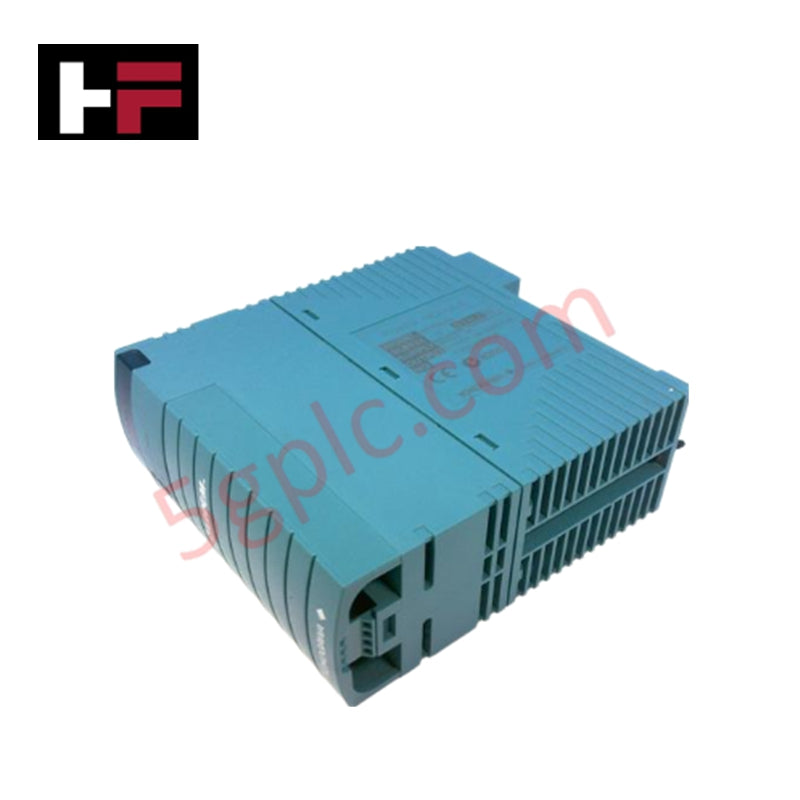
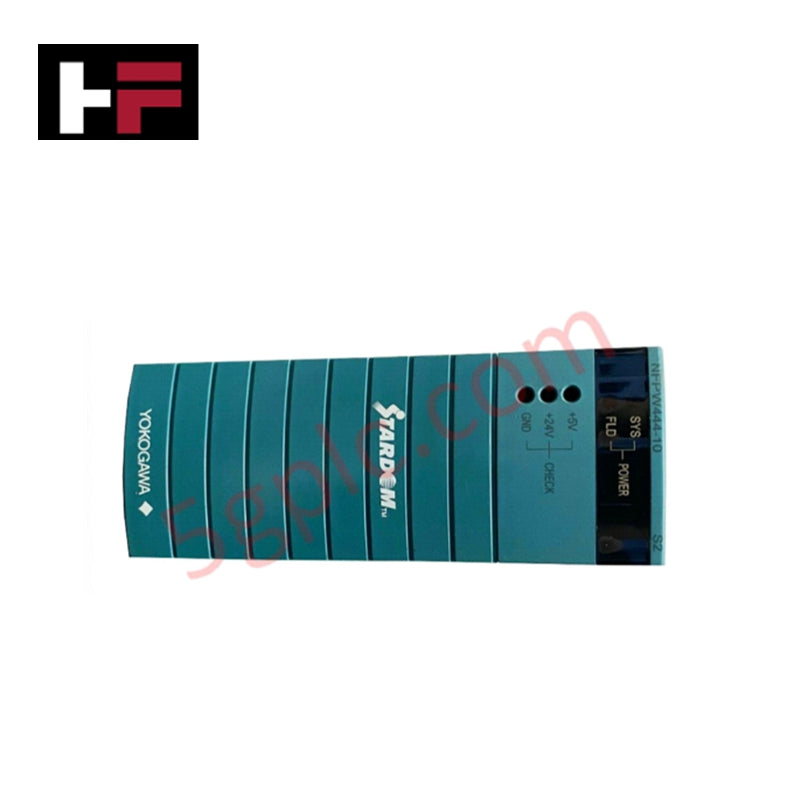
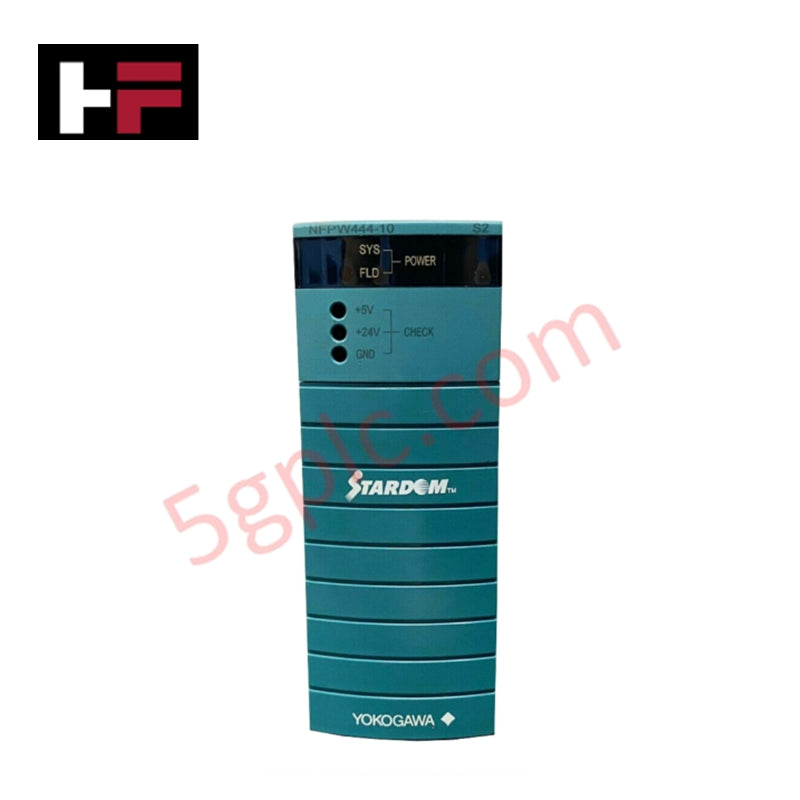
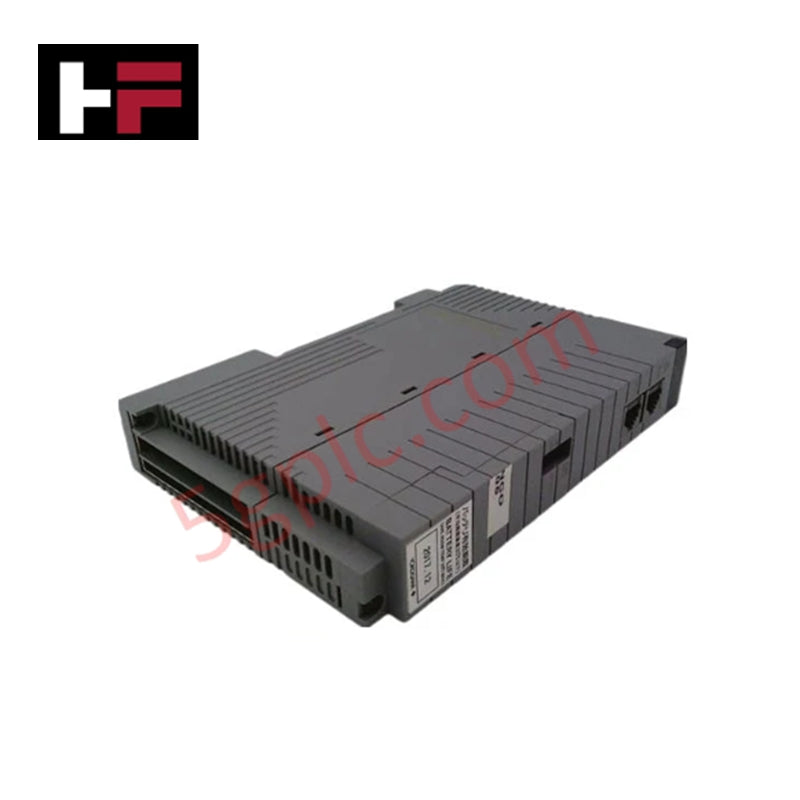
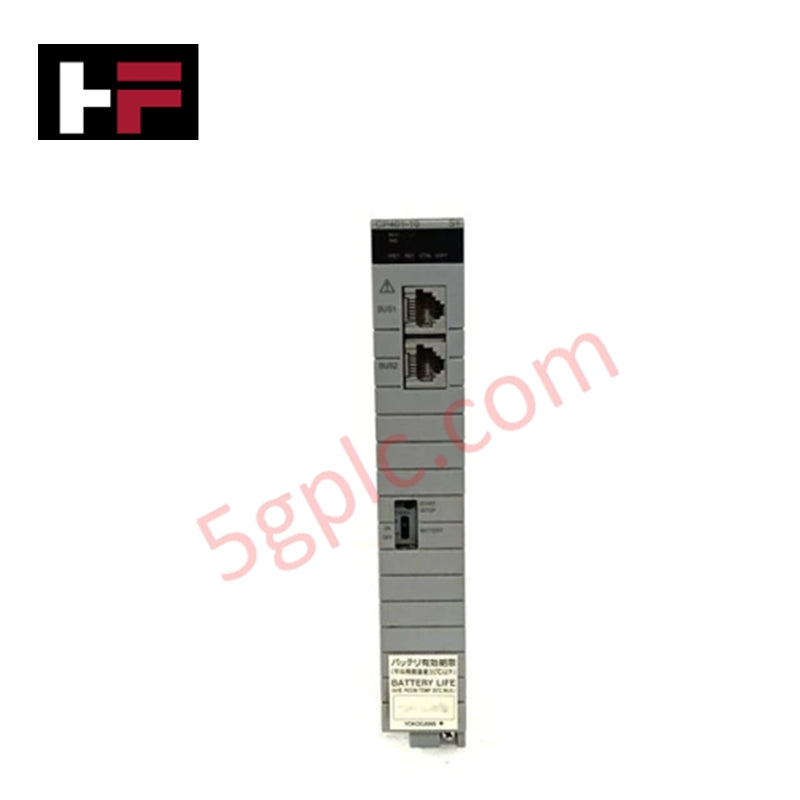
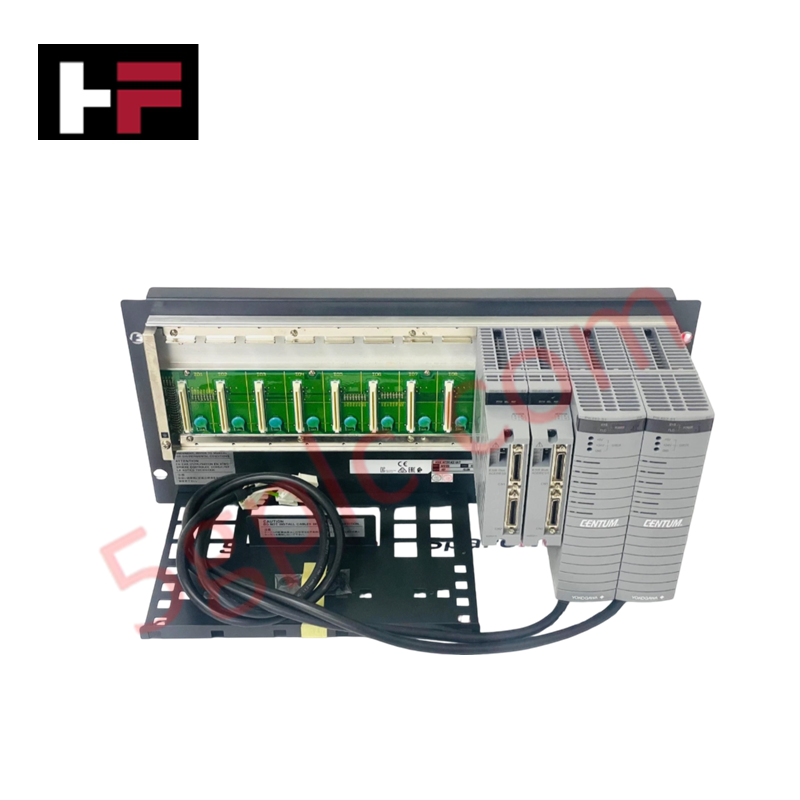
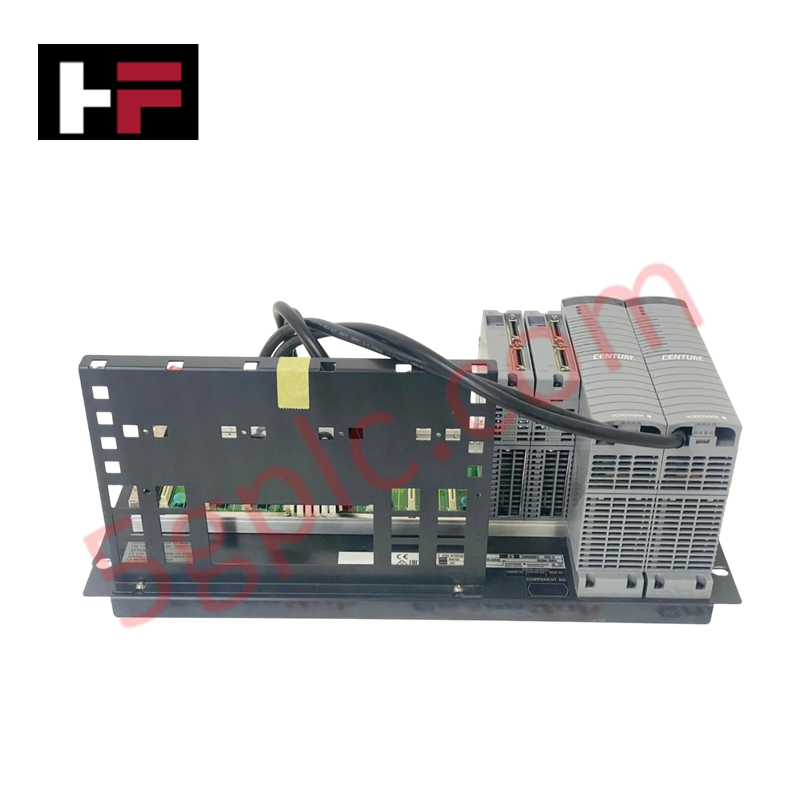
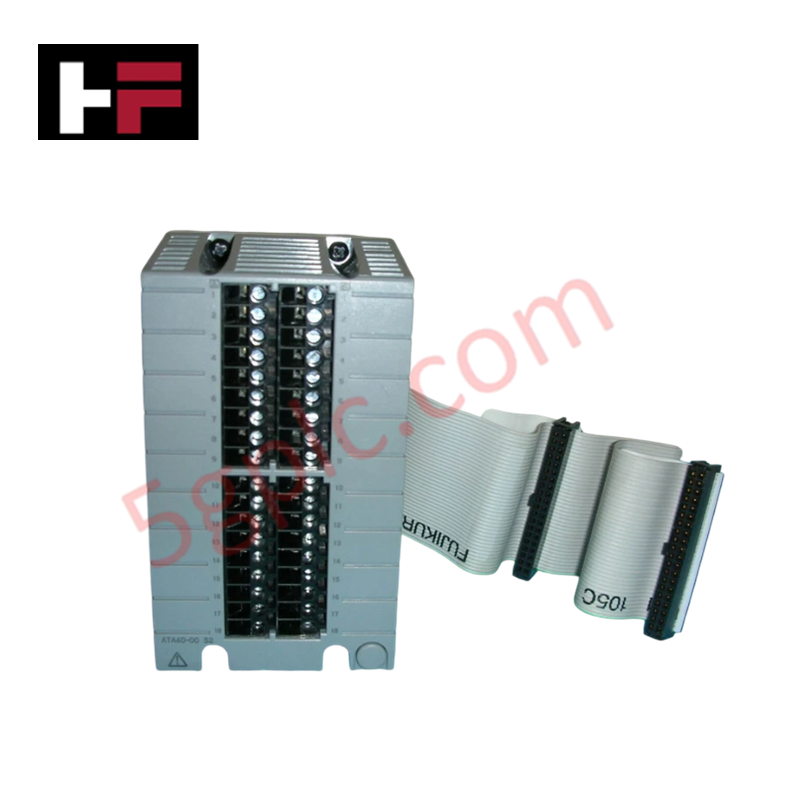
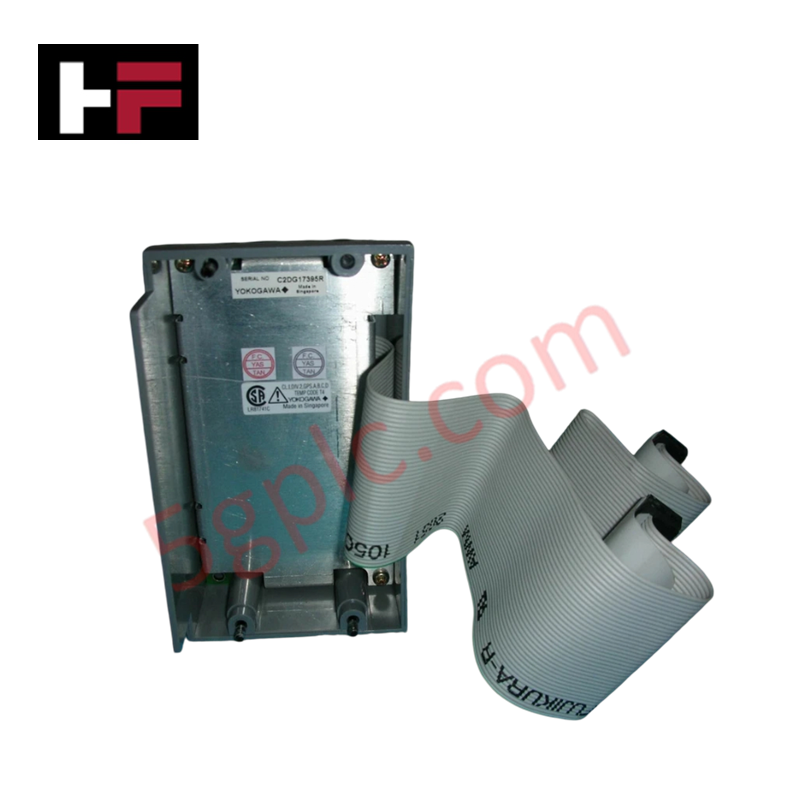
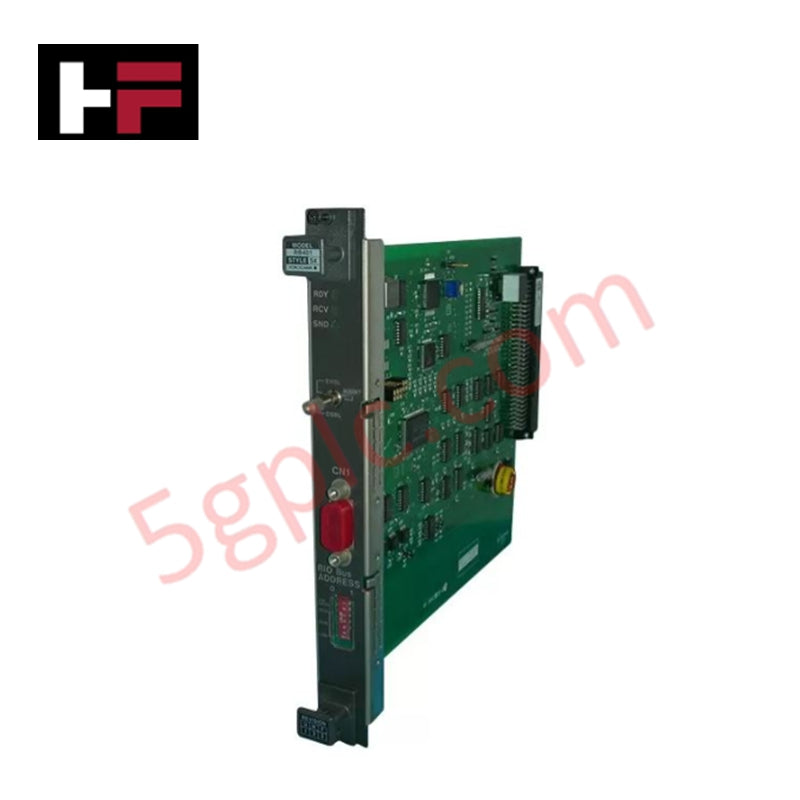
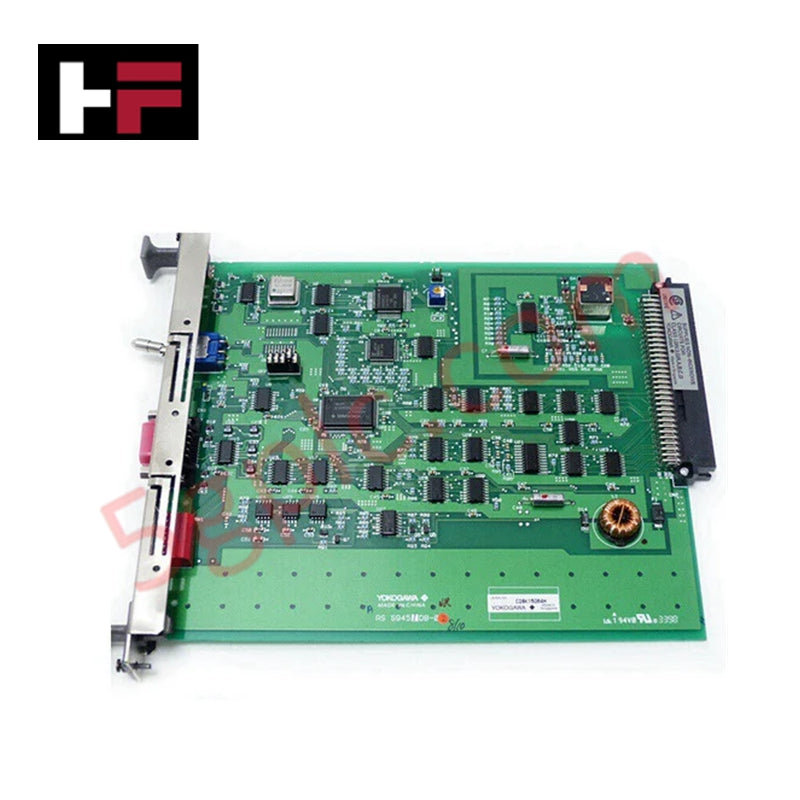
The Yokogawa NFAI543-S50 serves as a high-performance 16-channel analog input interface designed for the CENTUM VP and ProSafe-RS control architectures. This module converts field signals into high-resolution digital data, enabling precise monitoring of critical process variables. We supply this unit as 100% Brand New and Original, ensuring maximum system availability and adherence to rigorous industrial safety standards.
Part Number Breakdown
The NFAI543 series utilizes a specific suffix logic to designate its application and hardware revision:
| Code Segment | Definition |
| NFAI543 | Base Model: 16-Channel Isolated Analog Input Module |
| -S | Standard Type for general process control and safety applications |
| 5 | Hardware Revision: Optimized for modern NF-series baseplates |
| 0 | Basic Option: Standard configuration without specialized coating |
Technical Specifications
The NFAI543-S50 provides precision A/D conversion across a wide range of industrial signal types:
-
Input Channels: 16 isolated inputs
-
Signal Support: 4-20 mA DC and 1-5 V DC
-
A/D Resolution: 16-bit (Ensures high-granularity data acquisition)
-
Measurement Accuracy: ±0.3% of full scale (Typical)
-
Conversion Cycle: 100 ms typical response time
-
Input Resistance: Approx. 250 Ω for current signals
-
Isolation: Full channel-to-bus electrical isolation
-
Power Source: Draws power directly from the NF-series baseplate
Engineering Advantages
The NFAI543-S50 addresses complex field integration requirements through advanced electrical engineering:
-
Dual-System Versatility: This module integrates seamlessly with both CENTUM VP (DCS) and ProSafe-RS (SIS). This cross-platform compatibility simplifies spare parts inventory management for facilities utilizing both Yokogawa control and safety systems.
-
Superior Signal Integrity: Channel-to-bus isolation prevents external electrical noise or ground loops from compromising the controller's internal logic. This ensures stable readings even in environments with significant electromagnetic interference.
-
Proactive System Maintenance: Integrated diagnostic functions detect input errors and monitor the overall health of the module. The system alerts maintenance personnel immediately upon identifying a signal failure, reducing the Mean Time to Repair (MTTR).
-
High-Resolution Processing: The 16-bit A/D converter captures minute fluctuations in process variables. This precision allows for tighter control loops and more accurate data logging in sensitive chemical or pharmaceutical applications.
FAQs
Q: Can the NFAI543-S50 operate without an external power supply?
A: Yes. The module receives its operating power directly through the NF-series baseplate. However, you must still provide the appropriate 24V DC loop power for your field transmitters.
Q: Does this module support hot-swapping during active process operations?
A: Yokogawa designed the NFAI series for high availability; however, you must follow the specific hot-swap procedures outlined in the CENTUM VP hardware manual to ensure the controller maintains redundant communication.
Q: Is the NFAI543-S50 a 100% original Yokogawa product?
A: We guarantee that every unit we ship is 100% Brand New and Original, arriving in its factory-sealed Yokogawa packaging with full traceability.
Q: How does the module indicate an input error?
A: The module features status LEDs and communicates diagnostic data to the HIS (Human Interface Station). The 16-bit resolution also allows the software to detect out-of-range signals (underflow/overflow) instantly.
Additional Information
- 100% Genuine Parts: All products are original and authentic, ensuring reliable industrial performance.
- 30-Day Refund Guarantee: Return any in-stock item within 30 days in original, unopened packaging for a full refund (excluding shipping and fees).
- 12-Month Warranty: Covers defects in materials or workmanship; excludes misuse, normal wear, or unauthorized modifications.
- Worldwide Shipping: We ship via USPS, UPS, FedEx, and DHL. Delivery times vary by country and may be subject to customs or import fees.
- Support & Contact: Technical and warranty assistance is available anytime. Contact us here: Contact.
- Purchase Guidance: Check product specifications and compatibility carefully before ordering to ensure proper application.


Tech & Buying Guide

Wellhead Control Panel (WHCP) Architecture in Oil and Gas Automation
Upstream oil and gas operations rely on specialized field control platforms to manage wellhead extraction safety and hydraulic actuation. A Wellhead Control Panel (WHCP) serves as a dedicated hydraulic and pneumatic power unit designed to operate critical Christmas Tree isolation valves. By interfacing field safety components directly with Programmable Logic Controller (PLC) architecture, a WHCP protects upstream extraction assets against overpressure, catastrophic leaks, and thermal emergencies.

Understanding Marshalling Cabinets in Industrial Control Systems Architecture
Industrial control system deployments rely on structured signal distribution to bridge field instrumentation with central processing hardware. A marshalling cabinet serves as the vital intermediate connection point between heavy field home-run multi-pair cables and delicate input/output (I/O) modules housed inside Programmable Logic Controller (PLC) or Distributed Control System (DCS) enclosures. By segregating field cable terminations from control hardware, engineers maintain system flexibility, safeguard controller components, and streamline commissioning workflows.

FAT vs SAT in Industrial Control Systems: Key Differences and Execution Guide
Industrial control system deployment relies on strict verification protocols to guarantee operational safety, system stability, and regulatory compliance. Commissioning complex Programmable Logic Controller (PLC) racks, Distributed Control Systems (DCS), and Safety Instrumented Systems (SIS) requires two critical milestones: the Factory Acceptance Test (FAT) and the Site Acceptance Test (SAT). Both procedures validate that system automation meets design specifications, but they occur at different stages of project execution and target distinct operational risks.