












Product Details
Product Overview
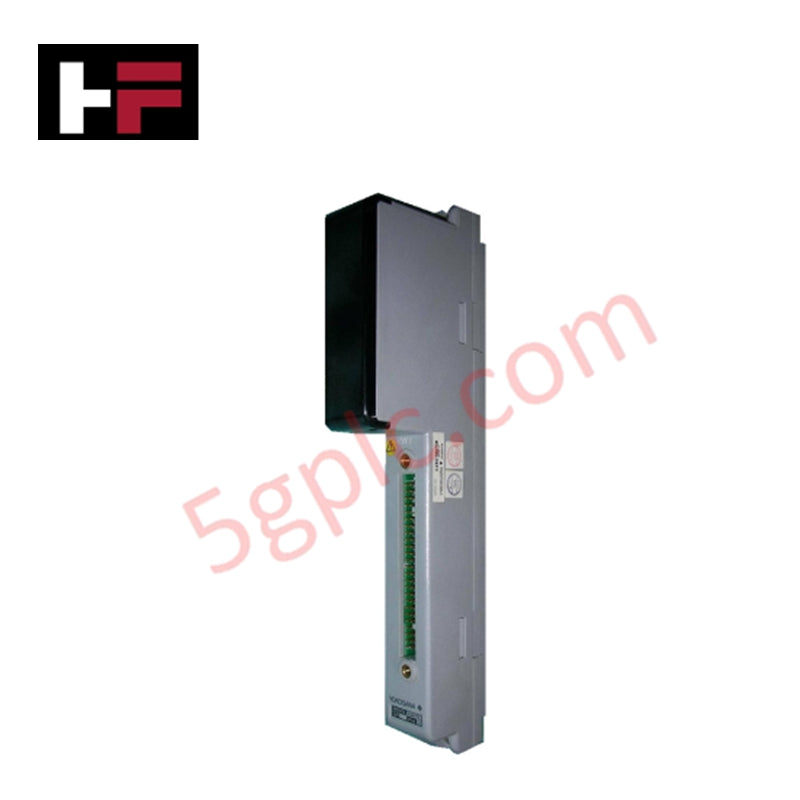
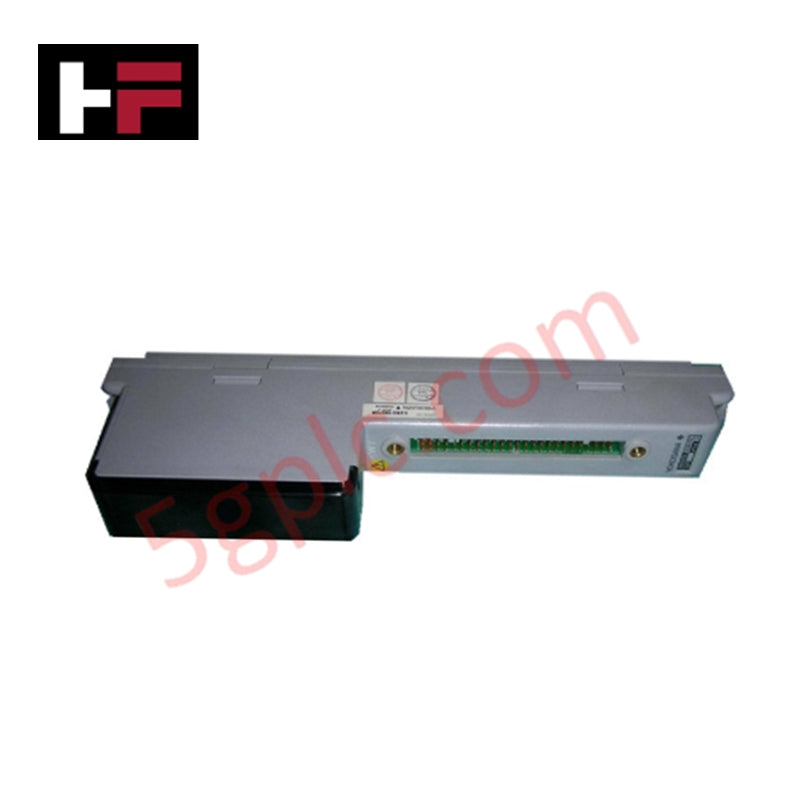
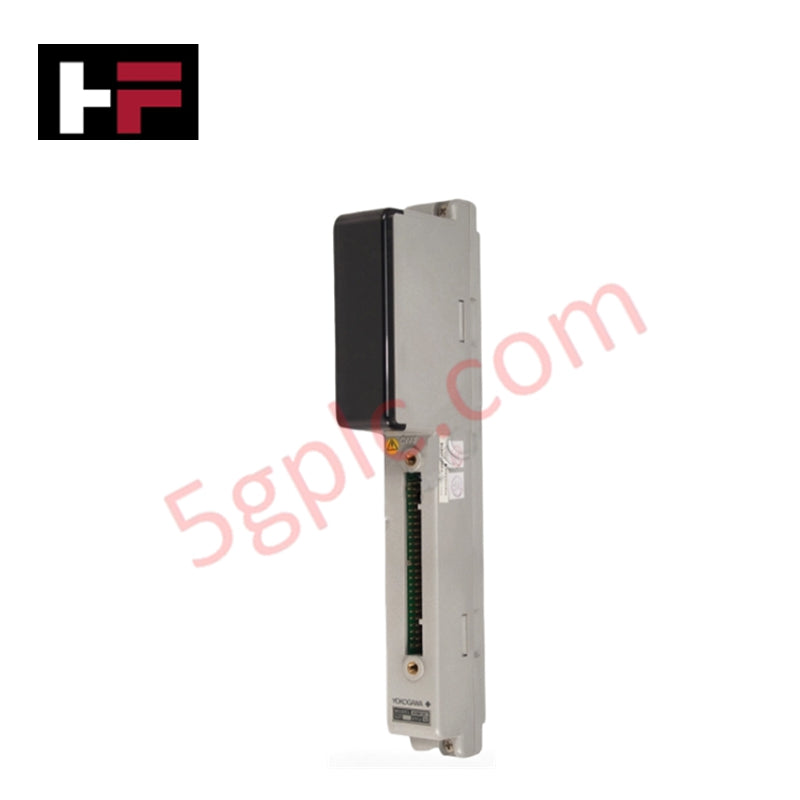
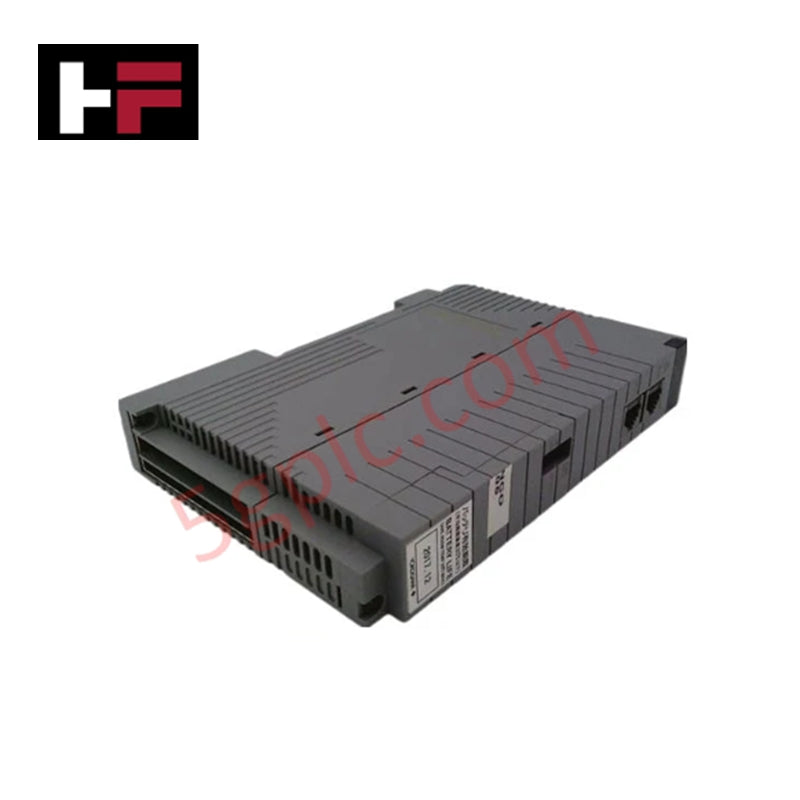
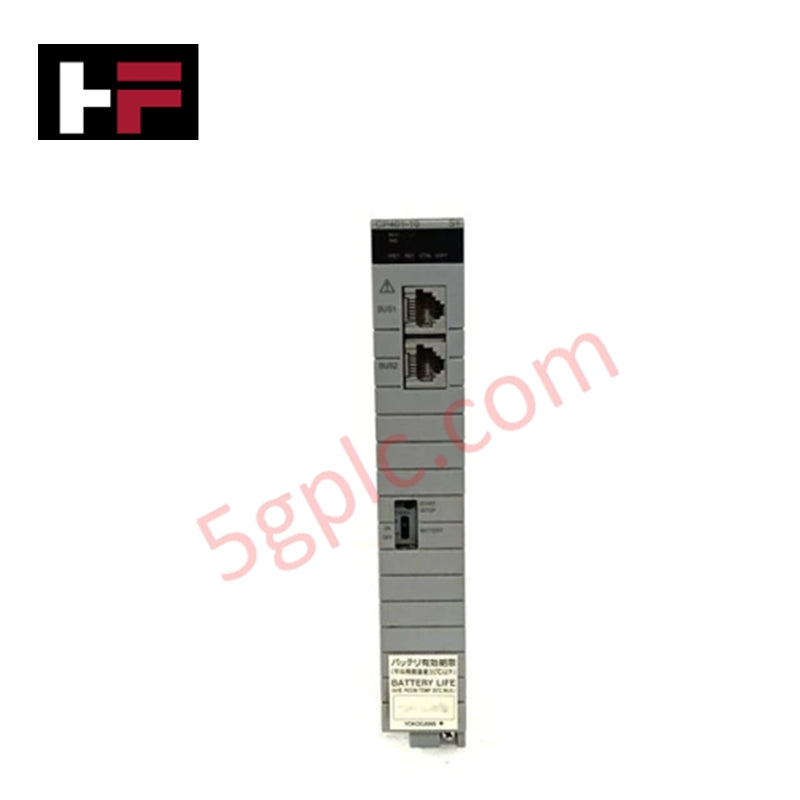
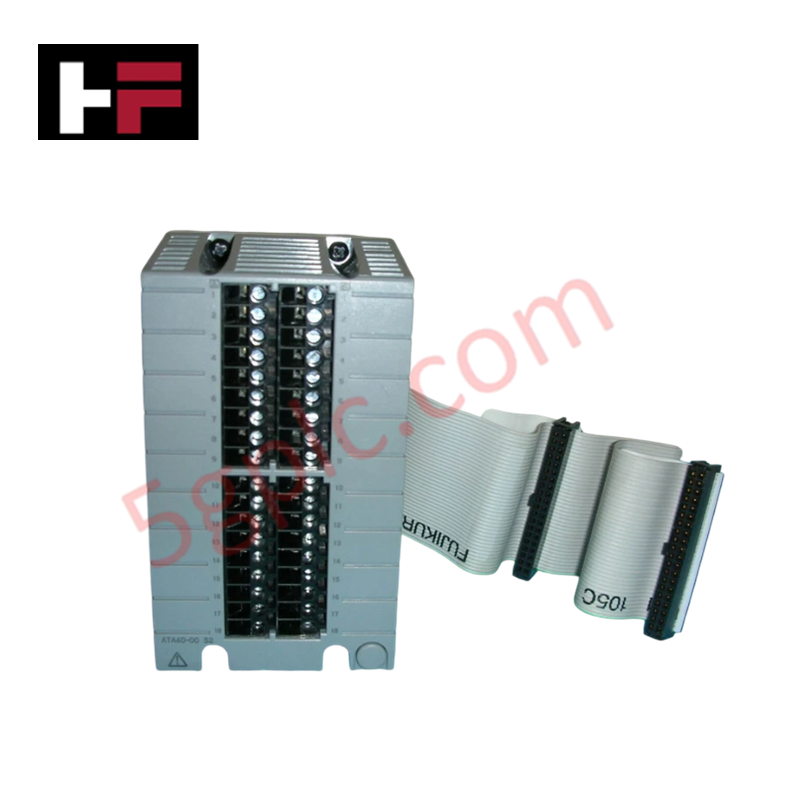
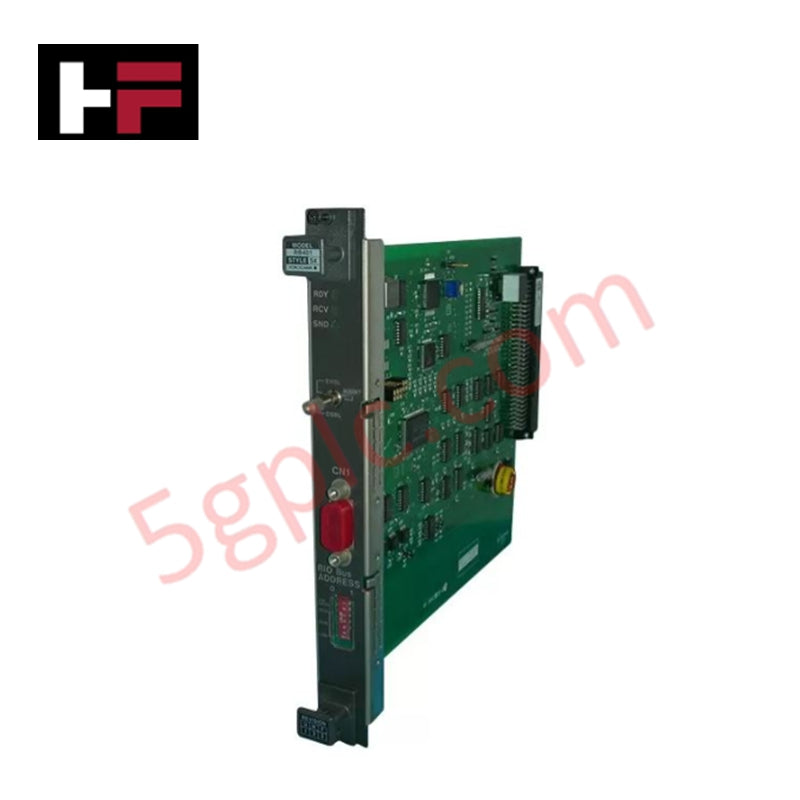
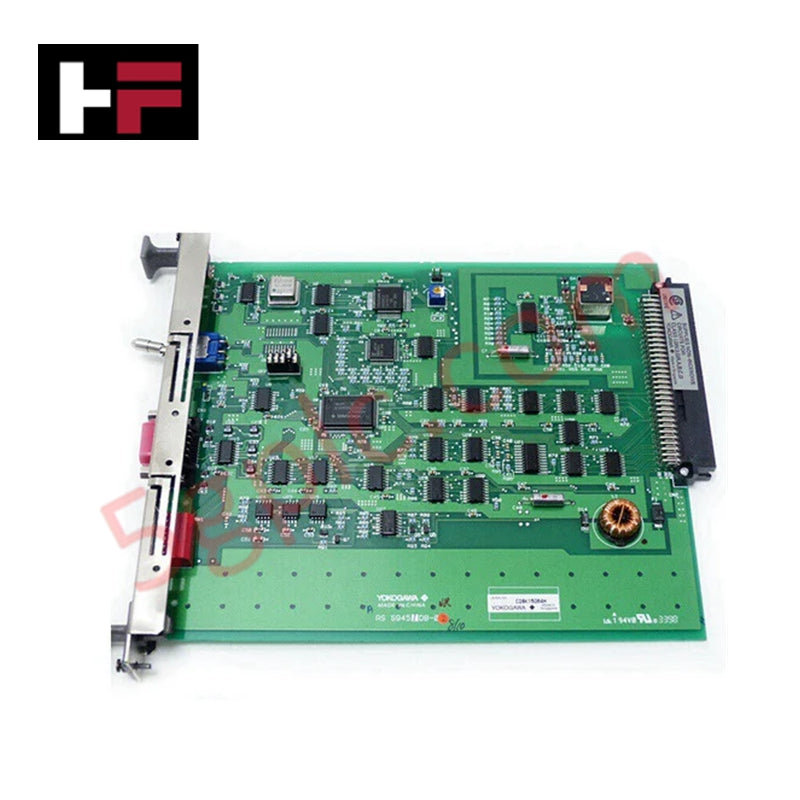
The Yokogawa ADM51C-2 functions as a high-precision transistor contact output module within the CENTUM Distributed Control System (DCS) environment. It provides 16 independent output points designed for low-current switching applications. This module excels in driving status indicators, interposing relays, and telemetry equipment where high-speed response and adjustable pulse timing remain critical for process synchronization.
Technical Specifications
The ADM51C-2 utilizes high-speed transistor switching to ensure millisecond accuracy across all 16 channels:
| Feature | Specification |
| Output Type | Transistor Contact |
| I/O Points | 16 Channels |
| Contact Rating (Resistive) | 30 V DC, 100 mA or less |
| Contact Rating (Inductive) | 30 V DC, 100 mA or less |
| Pulse Width Range | 0.1 to 7,200 seconds (Adjustable) |
| Pulse Resolution | 20 milliseconds |
| Current Consumption | 600 mA or less (at 5.0 V DC) |
| Condition | 100% Brand New and Original |
Engineering Advantages
-
Advanced Pulse Duration Control: The ADM51C-2 allows engineers to configure pulse widths from 0.1 seconds up to 2 hours. This granular control facilitates complex sequence timing for chemical dosing or batching processes directly at the hardware level, reducing the computational load on the main controller.
-
Precision Timing Resolution: With a 20ms pulse width resolution, this module ensures high-fidelity output for time-sensitive operations. It eliminates the jitter typically associated with mechanical relay modules, making it the superior choice for high-frequency switching tasks.
-
Versatile Load Handling: The hardware architecture manages both resistive and inductive loads up to 30 V DC. Integrated protection circuitry suppresses transients from inductive field devices, preventing back-EMF from disrupting internal module logic.
-
Energy-Efficient Design: The module draws minimal power (600 mA max at 5.0 V DC) from the nest backplane. This low power consumption minimizes heat generation within the I/O cabinet, extending the operational lifespan of adjacent modules in high-density installations.
FAQs
-
Is this Yokogawa ADM51C-2 unit new or refurbished?
We supply the ADM51C-2 strictly as 100% Brand New and Original equipment. Every unit ships in its original Yokogawa factory packaging, ensuring you receive a component with zero previous operational cycles.
-
Can the ADM51C-2 drive high-power motors directly?
No. The transistor contacts support up to 100 mA at 30 V DC. To control high-power motors or large solenoid valves, you must use the ADM51C-2 to trigger an interposing relay or a dedicated power contactor.
-
How do I adjust the pulse width for the output channels?
You configure the pulse width through the CENTUM CS 3000 engineering station software. The module hardware then executes these timing parameters locally with a high resolution of 20 ms.
-
What are the advantages of transistor contacts over mechanical relays?
Transistor contacts eliminate mechanical wear and contact bounce. They offer a much longer service life for high-frequency switching applications and provide significantly faster response times compared to traditional relay output cards.
Additional Information
- 100% Genuine Parts: All products are original and authentic, ensuring reliable industrial performance.
- 30-Day Refund Guarantee: Return any in-stock item within 30 days in original, unopened packaging for a full refund (excluding shipping and fees).
- 12-Month Warranty: Covers defects in materials or workmanship; excludes misuse, normal wear, or unauthorized modifications.
- Worldwide Shipping: We ship via USPS, UPS, FedEx, and DHL. Delivery times vary by country and may be subject to customs or import fees.
- Support & Contact: Technical and warranty assistance is available anytime. Contact us here: Contact.
- Purchase Guidance: Check product specifications and compatibility carefully before ordering to ensure proper application.


Tech & Buying Guide

Understanding Marshalling Cabinets in Industrial Control Systems Architecture
Industrial control system deployments rely on structured signal distribution to bridge field instrumentation with central processing hardware. A marshalling cabinet serves as the vital intermediate connection point between heavy field home-run multi-pair cables and delicate input/output (I/O) modules housed inside Programmable Logic Controller (PLC) or Distributed Control System (DCS) enclosures. By segregating field cable terminations from control hardware, engineers maintain system flexibility, safeguard controller components, and streamline commissioning workflows.

FAT vs SAT in Industrial Control Systems: Key Differences and Execution Guide
Industrial control system deployment relies on strict verification protocols to guarantee operational safety, system stability, and regulatory compliance. Commissioning complex Programmable Logic Controller (PLC) racks, Distributed Control Systems (DCS), and Safety Instrumented Systems (SIS) requires two critical milestones: the Factory Acceptance Test (FAT) and the Site Acceptance Test (SAT). Both procedures validate that system automation meets design specifications, but they occur at different stages of project execution and target distinct operational risks.

Hub vs Switch vs Router in Industrial Automation Architecture
Modern factory automation relies on reliable industrial networking infrastructure to exchange real-time field data across operational technology systems. Engineers often encounter networking hardware like hubs, switches, and routers when integrating Programmable Logic Controllers, Distributed Control Systems, and SCADA monitoring nodes. Although these devices share physical ports, they operate at different layers of the Open Systems Interconnection reference model and deliver distinct traffic management capabilities.