










Product Details
Product Overview
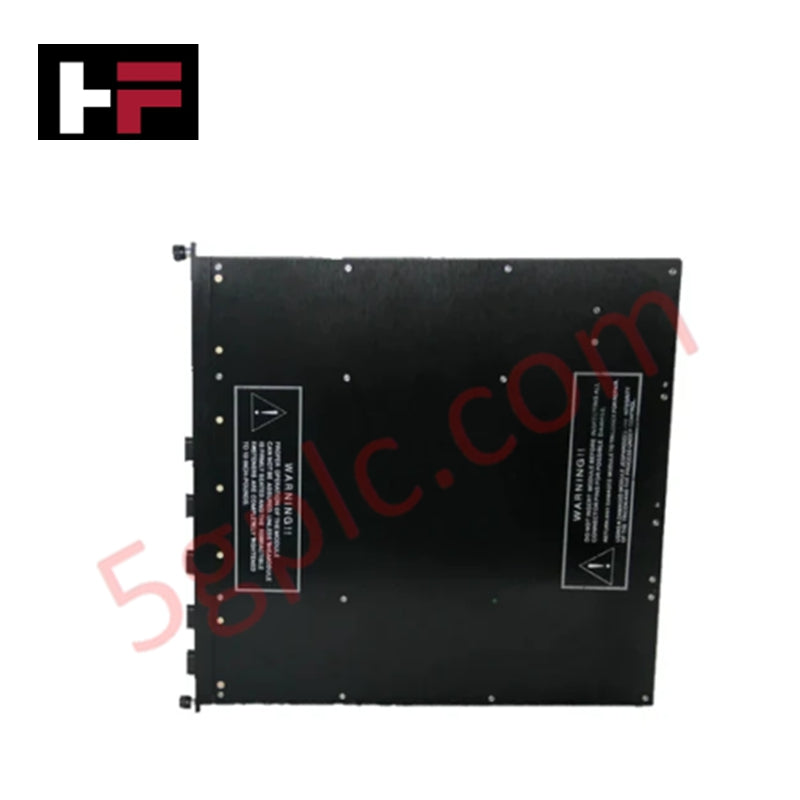
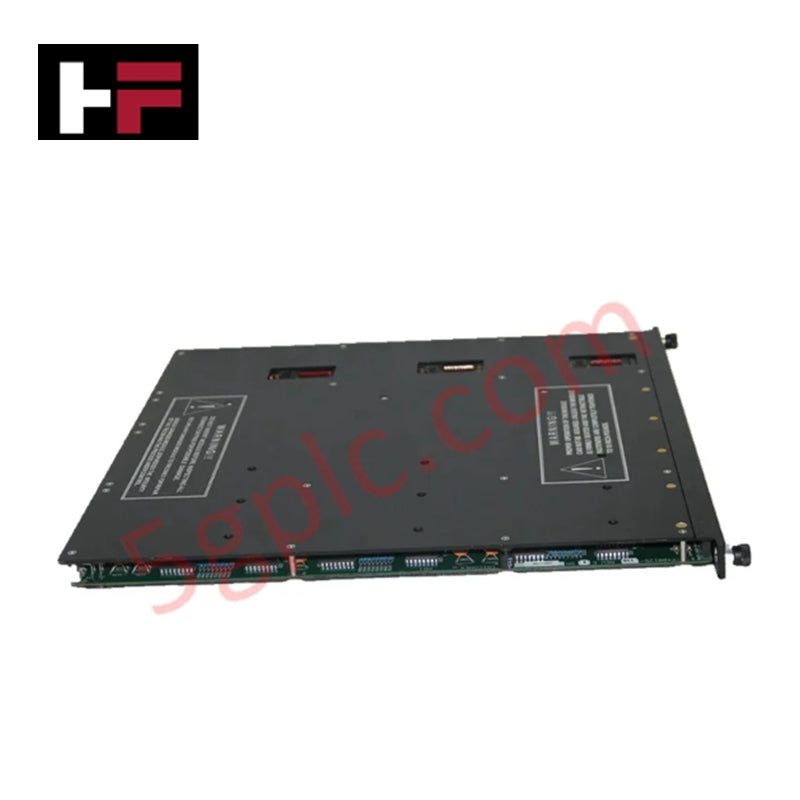
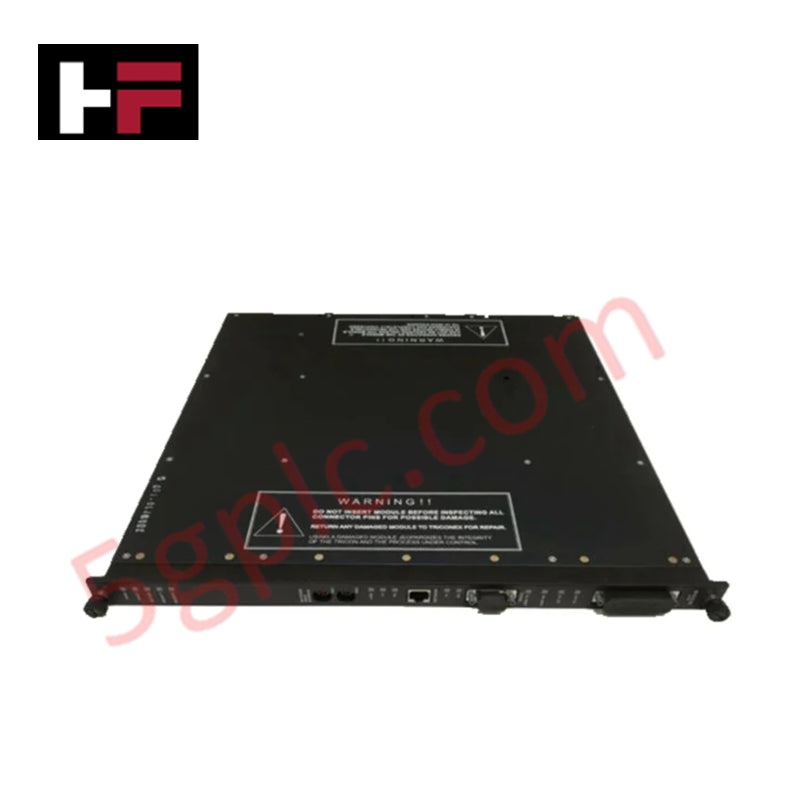
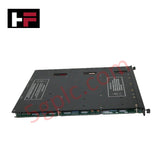
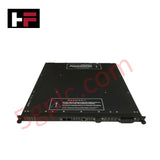
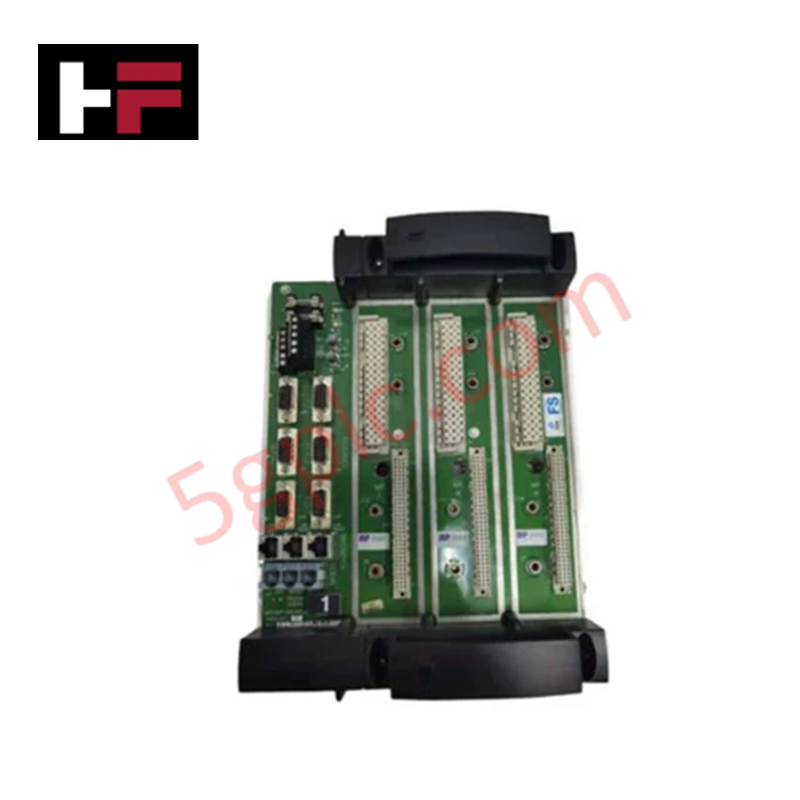
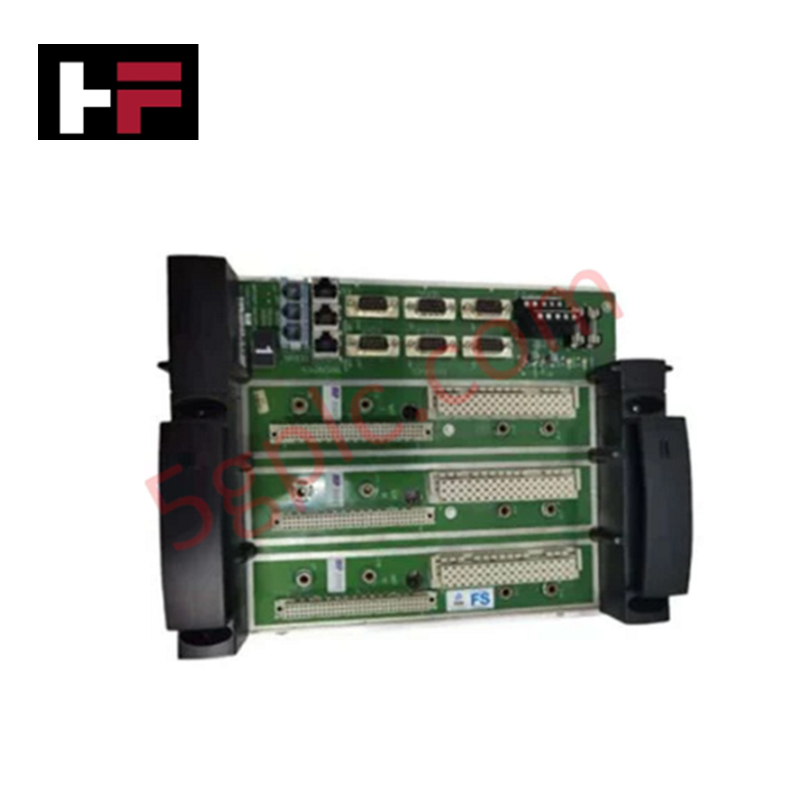
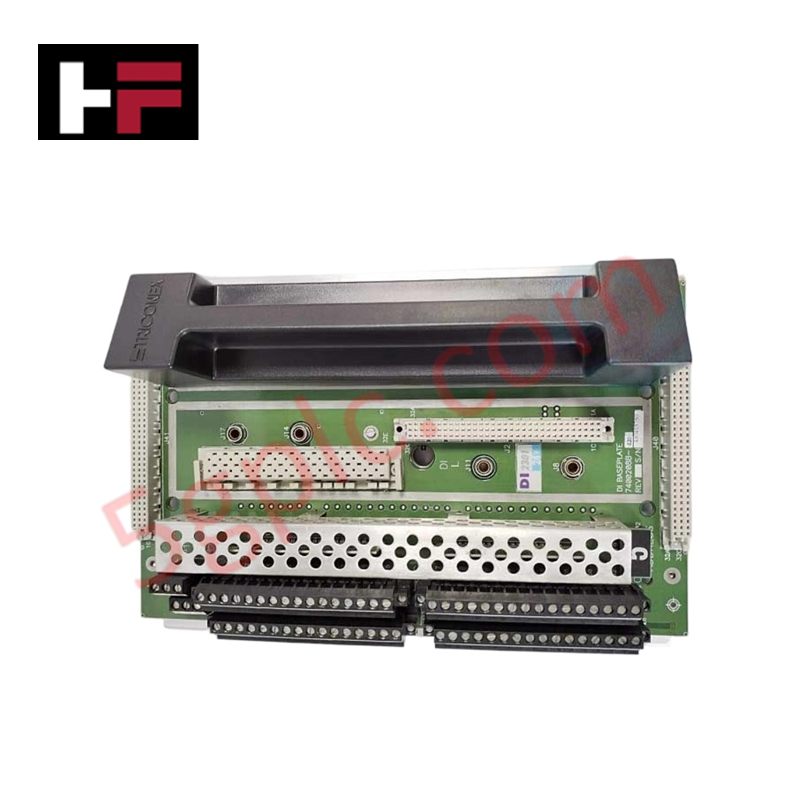
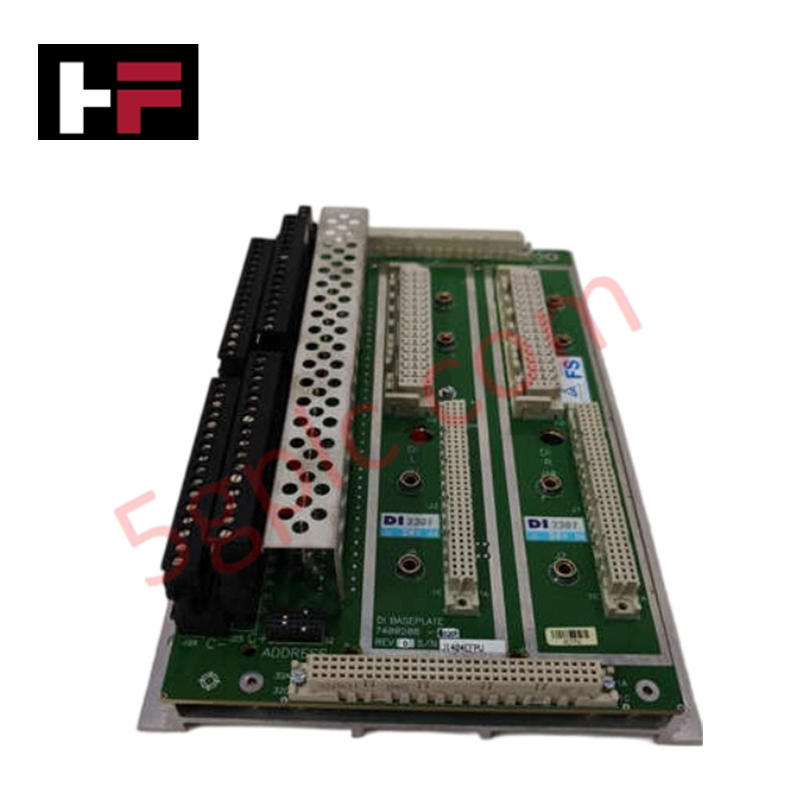
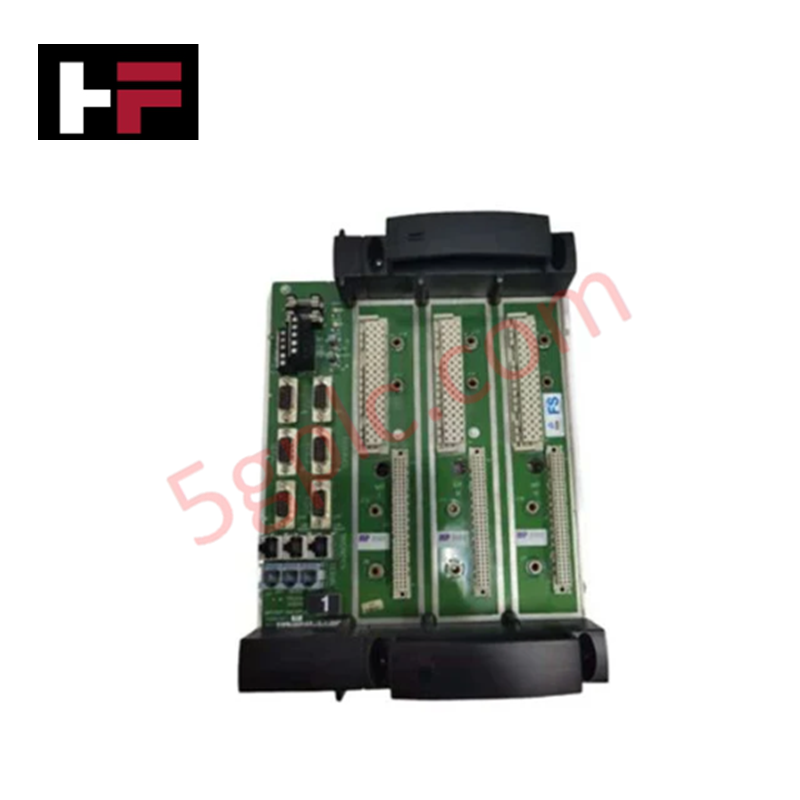
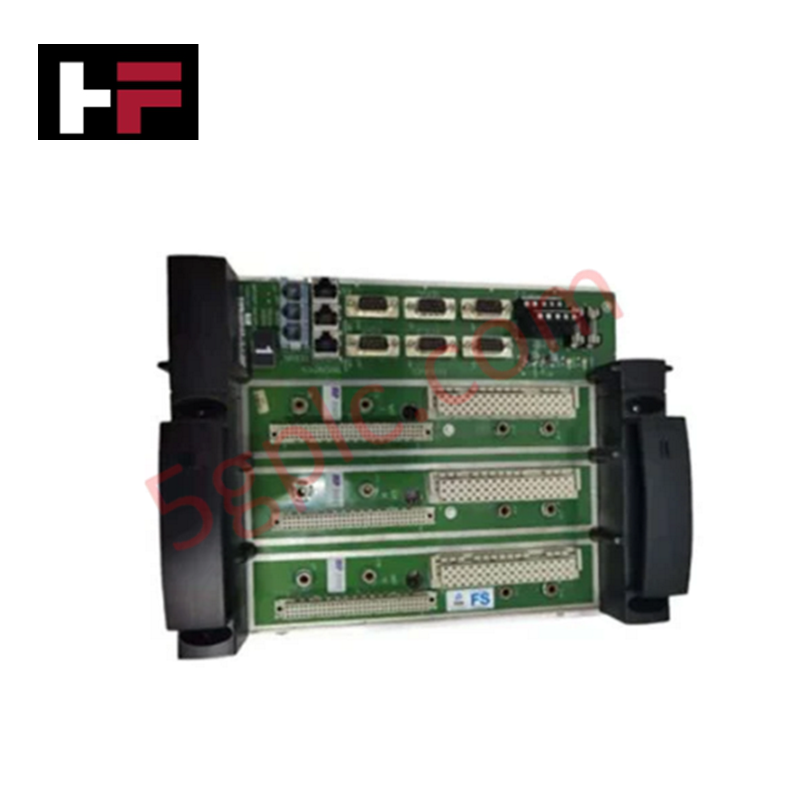
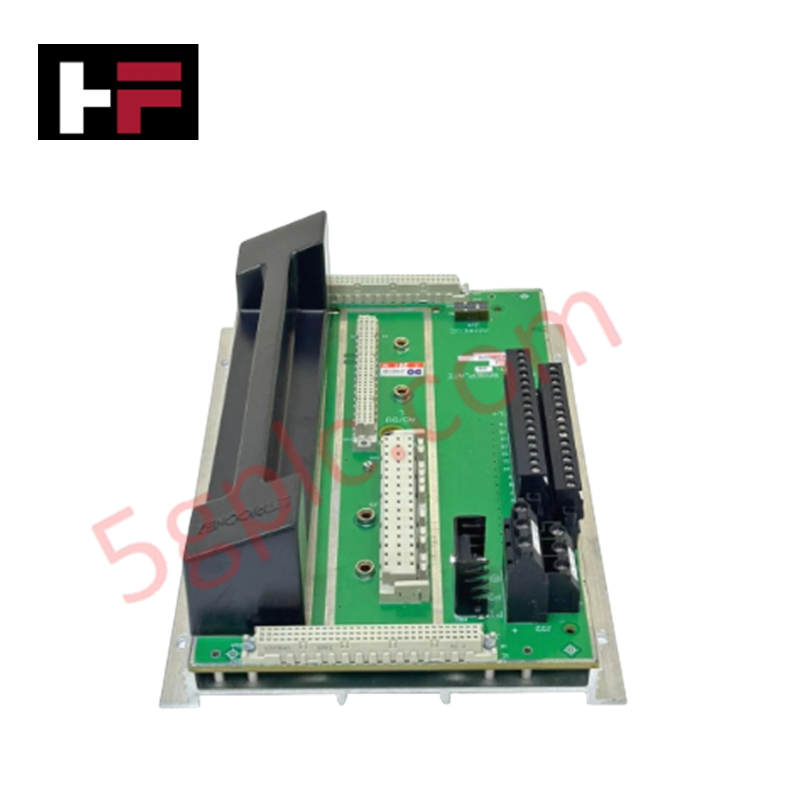
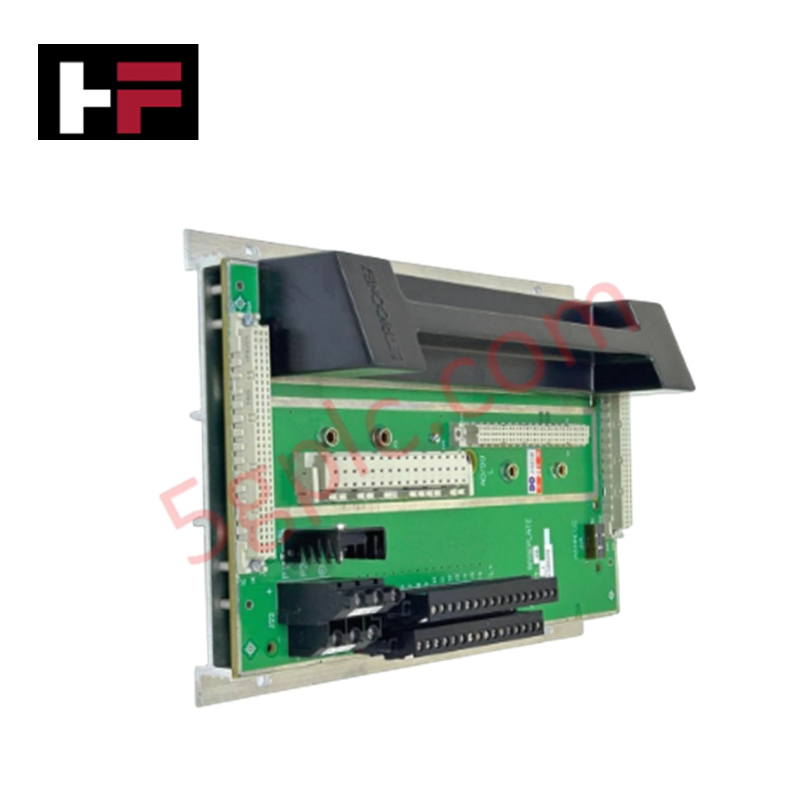
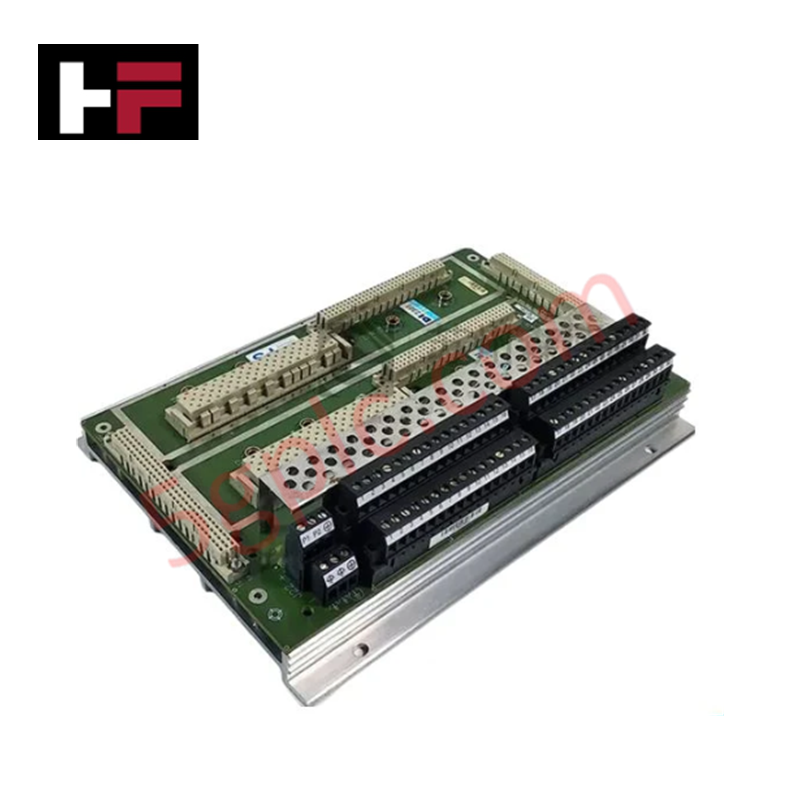
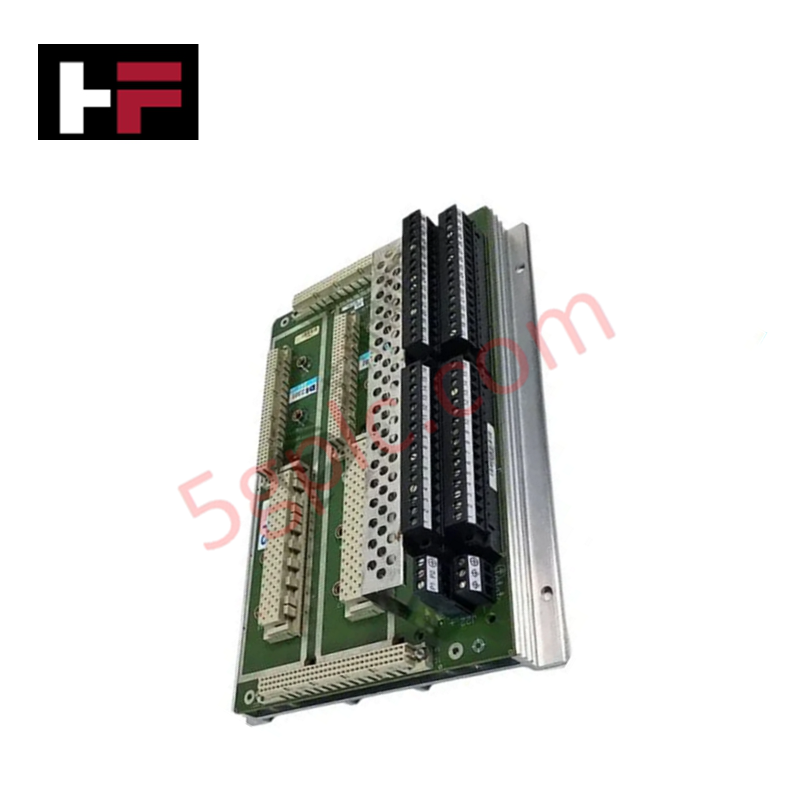
The Triconex 3515 functions as a specialized CPU communication processor module optimized for high-speed pulse acquisition. Unlike standard PLC components, this module integrates a dedicated Ladder Diagram (LD) instruction processor to handle complex frequency-based calculations locally. It serves as a critical interface for monitoring rotating machinery, such as turbines and compressors, by converting raw pulse signals into actionable data for the Triple Modular Redundancy (TMR) system. We supply this unit as 100% Brand New and Original factory stock.
Technical Specifications
| Feature | Specification |
| Manufacturer | Triconex (Invensys / Schneider Electric) |
| Model Number | 3515 |
| Module Type | Pulse Input / Communication Processor |
| Instruction Logic | Dedicated LD (Ladder Diagram) Processor |
| Signal Protection | Integrated Input Overload Protection |
| Noise Suppression | High-Performance Common Mode Rejection |
| System Architecture | TMR (Triple Modular Redundancy) Compatible |
| Input Signal Type | High-frequency pulse / Impulse signals |
Engineering Advantages
-
Decentralized Logic Processing: The integrated LD instruction processor executes frequency calculations independently of the main controller. This design reduces the communication load on the system bus and ensures that high-speed pulse data updates at maximum scan rates for real-time overspeed protection.
-
Superior Noise Immunity: The 3515 employs advanced common mode rejection circuitry to filter out electromagnetic interference (EMI) typical in heavy motor and turbine environments. This ensures that the module counts pulses accurately even in electrically "dirty" industrial settings.
-
Rigid Overload Safeguards: Built-in input overload protection shields the internal triplicated logic from voltage spikes or wiring errors at the field terminal. This protection prevents a single field-side fault from migrating into the main chassis and compromising system integrity.
-
Specialized Pulse Conditioning: Optimized for impulse signals, the module handles rapid transitions and varying duty cycles with precision. This makes it the preferred choice for monitoring flow meters, tachometers, and other frequency-based instrumentation in safety-critical loops.
FAQs
-
How does the 3515 differ from a standard digital input module?
Standard DI modules detect state changes (On/Off), whereas the 3515 processes high-frequency pulse trains and calculates rates or totals using its internal LD processor, specifically for speed and flow applications.
-
Does the module require external signal conditioners?
In most applications, no. The 3515 includes robust internal signal conditioning and common mode rejection to handle raw pulse inputs directly from field sensors.
-
What are the primary installation requirements?
The module slides into any I/O slot of a Tricon chassis. To ensure optimal performance, use shielded twisted-pair cabling for the pulse inputs to maximize the effectiveness of the module's noise rejection features.
Additional Information
- 100% Genuine Parts: All products are original and authentic, ensuring reliable industrial performance.
- 30-Day Refund Guarantee: Return any in-stock item within 30 days in original, unopened packaging for a full refund (excluding shipping and fees).
- 12-Month Warranty: Covers defects in materials or workmanship; excludes misuse, normal wear, or unauthorized modifications.
- Worldwide Shipping: We ship via USPS, UPS, FedEx, and DHL. Delivery times vary by country and may be subject to customs or import fees.
- Support & Contact: Technical and warranty assistance is available anytime. Contact us here: Contact.
- Purchase Guidance: Check product specifications and compatibility carefully before ordering to ensure proper application.
Tech & Buying Guide
Mastering Modern Industrial Joystick Controls in Heavy Automation
Industrial joysticks play a pivotal role in human-machine interaction across heavy material handling and mobile hydraulics. These tactile controllers translate complex operator movements into precise electrical signals for PLCs, motion controllers, and DCS networks. Consequently, selecting and installing the right joystick architecture ensures operator safety, reduces fatigue, and optimizes equipment performance.

Navigating Industrial Automation Failures: Types, Causes, and Mitigation Strategies
Modern manufacturing relies heavily on automated control systems to maximize throughput and maintain product quality. However, unplanned downtime in industrial automation can cost facility operators thousands of dollars per hour. Understanding how programmable logic controllers (PLCs), distributed control systems (DCS), and field instrumentation fail empowers engineering teams to implement robust preventive maintenance strategies.
Essential Motion Control Commands: A Practical Guide for Engineers
Automation engineers often rely on precise position and speed control to drive modern factory machinery. Modern industrial systems, such as Programmable Logic Controllers (PLCs) and Distributed Control Systems (DCS), depend heavily on standardized motion instructions. Mastering these commands ensures operational safety, protects mechanical components, and optimizes cycle times across production lines.