










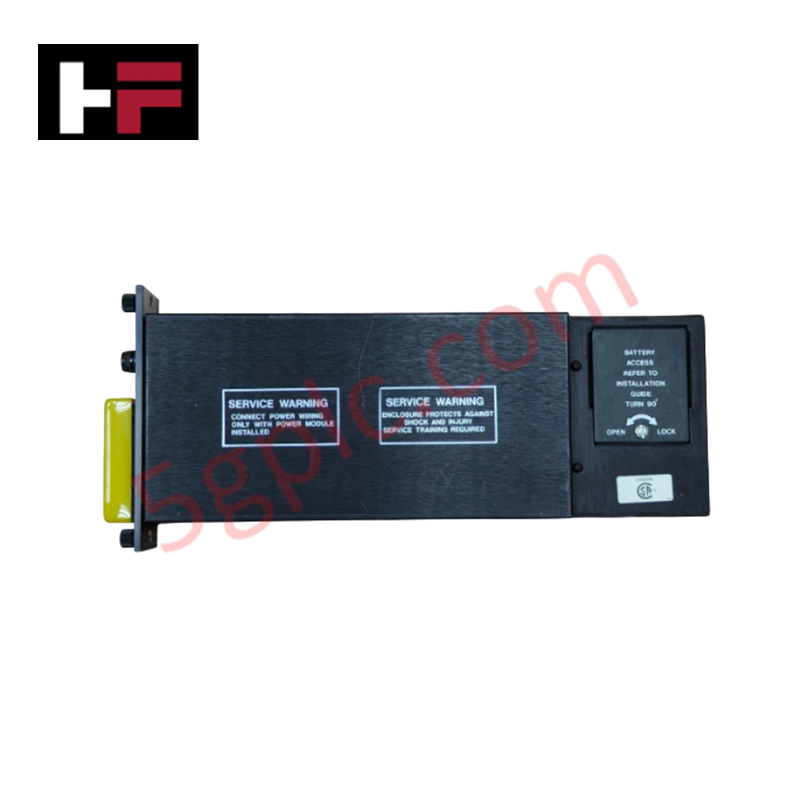
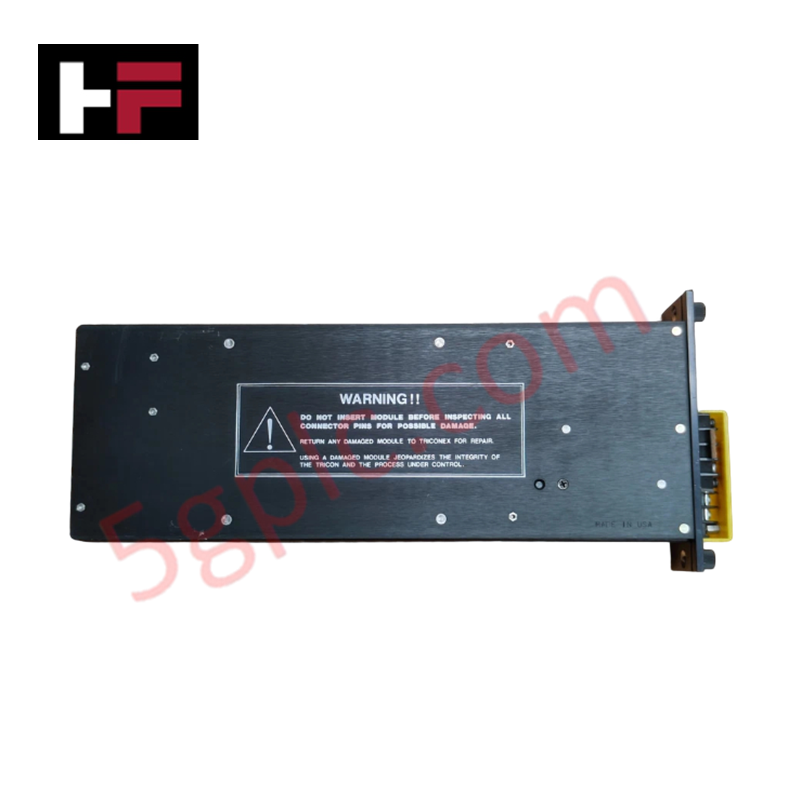
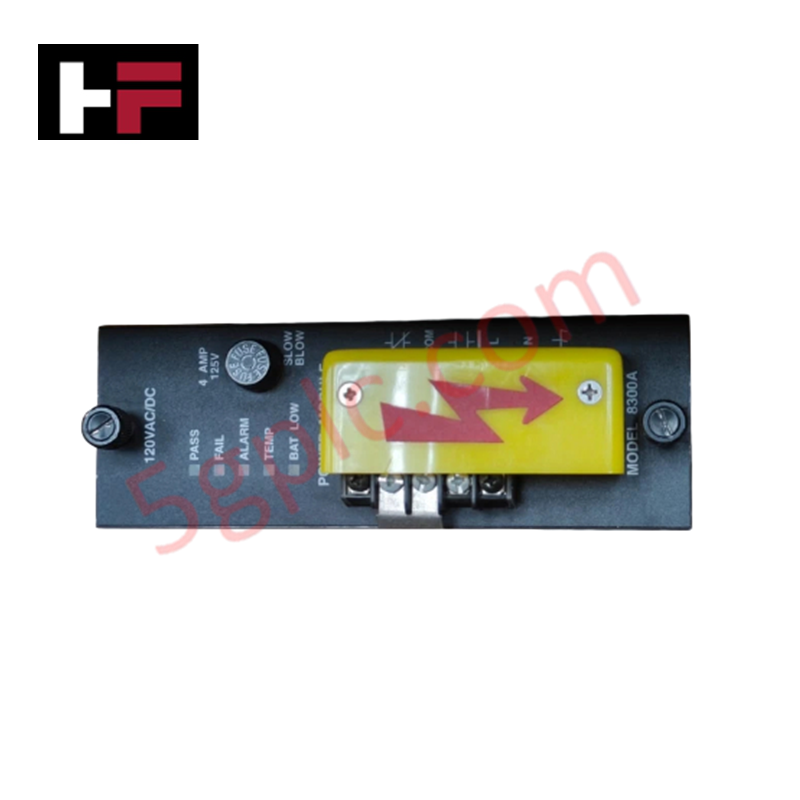
Product Details
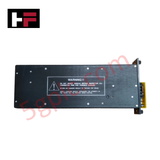
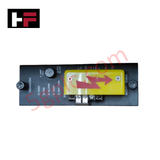
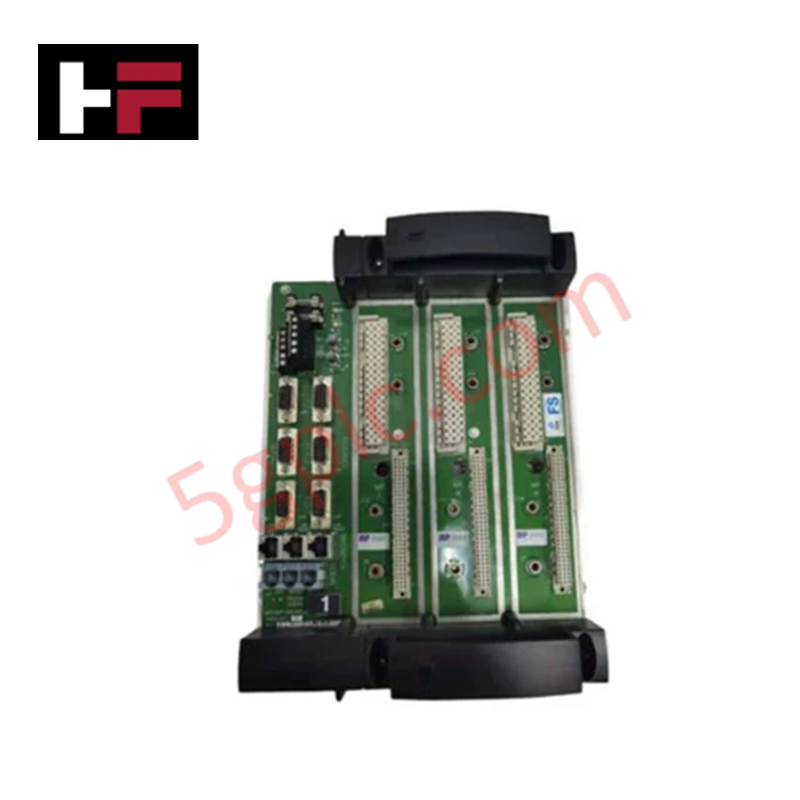
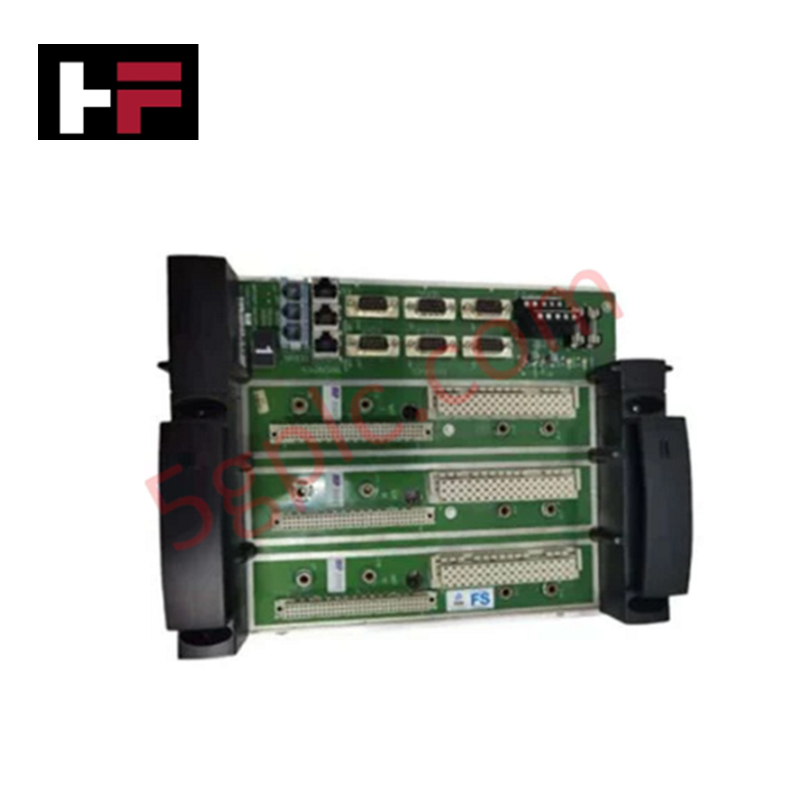
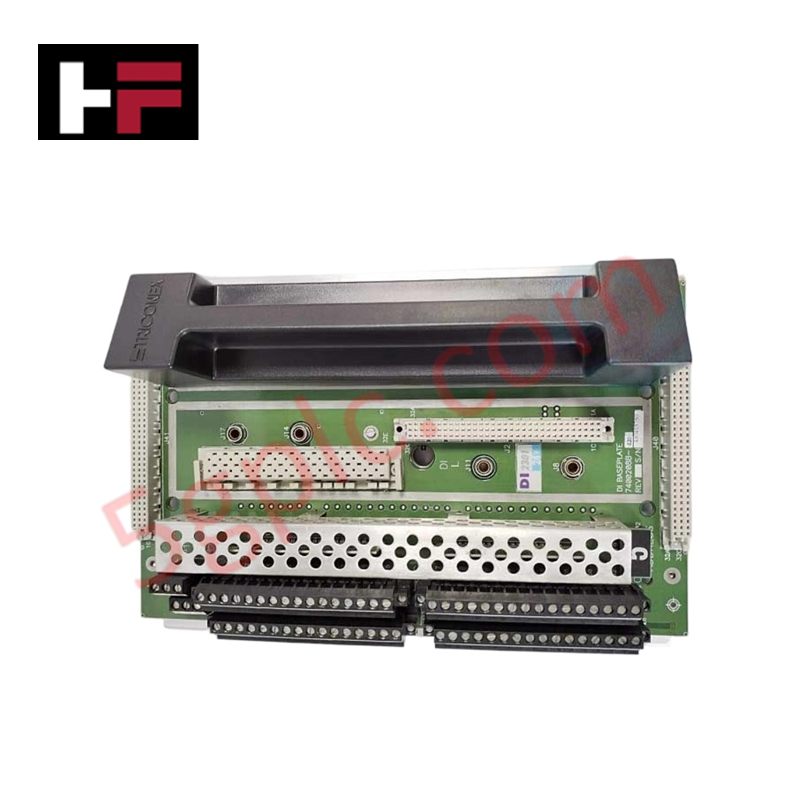
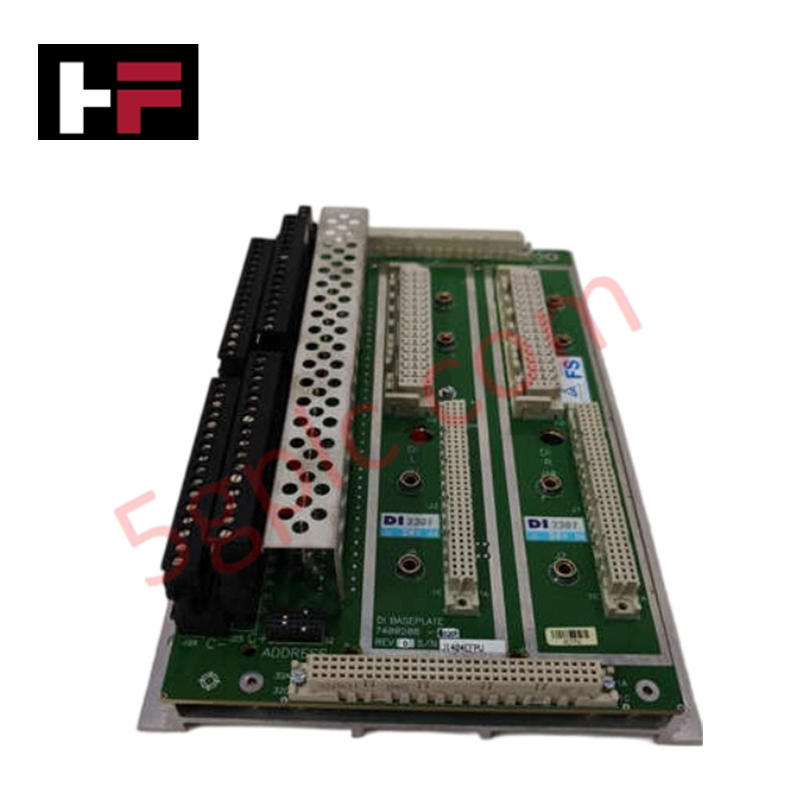
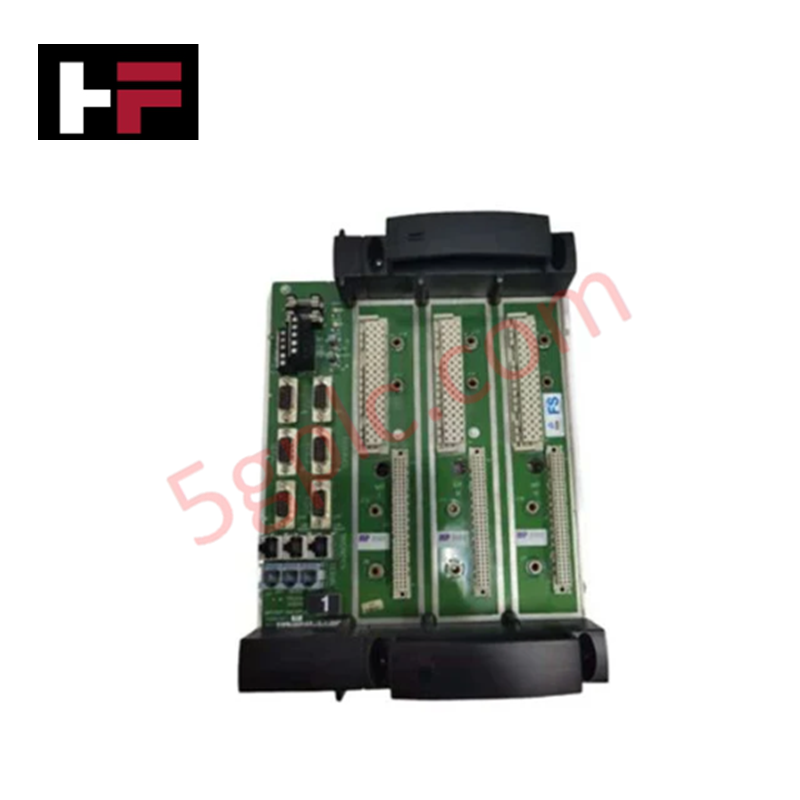
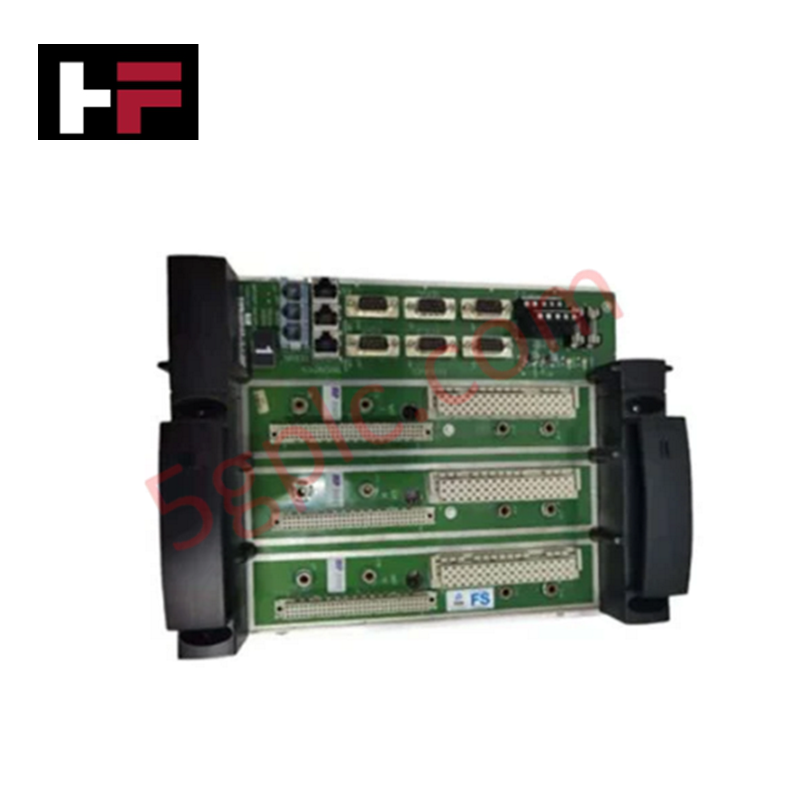
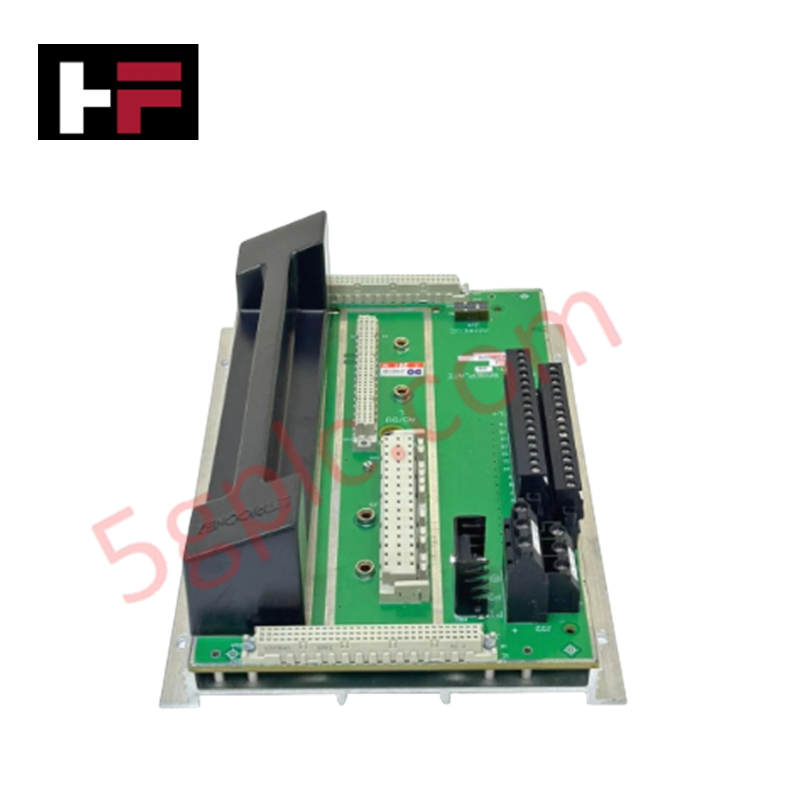
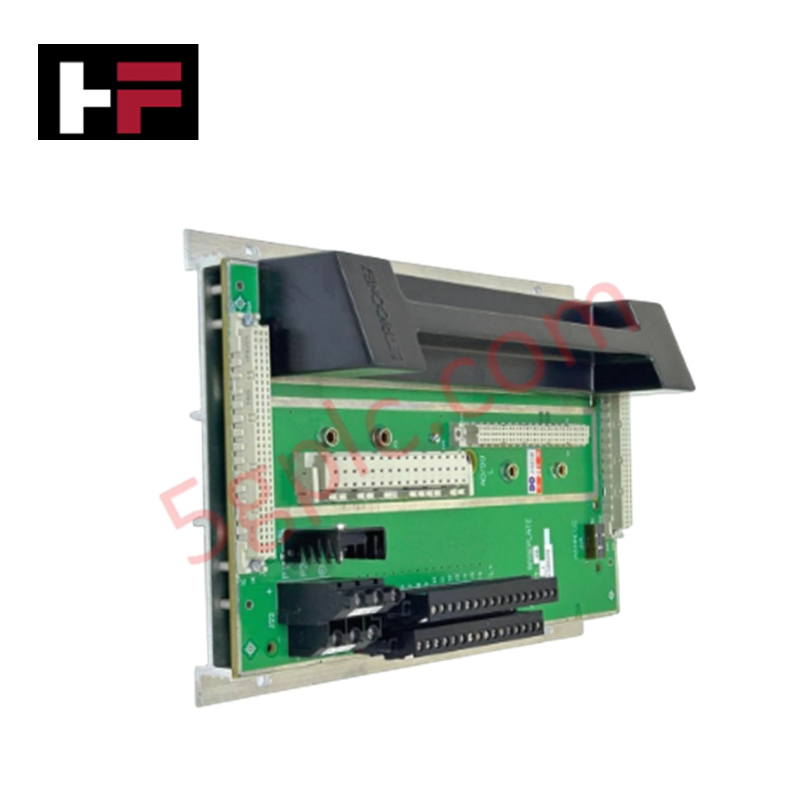
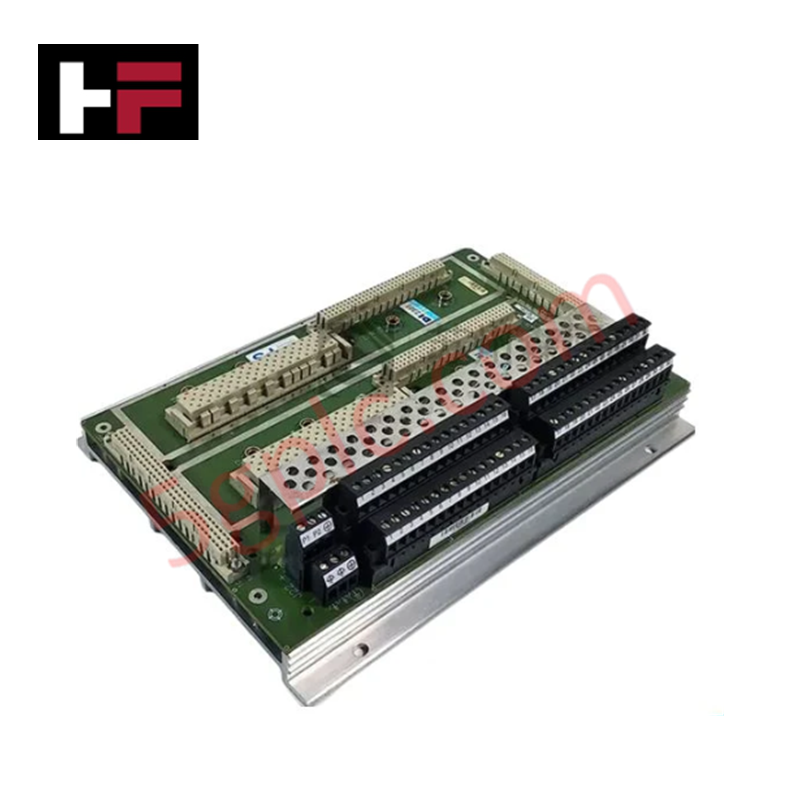
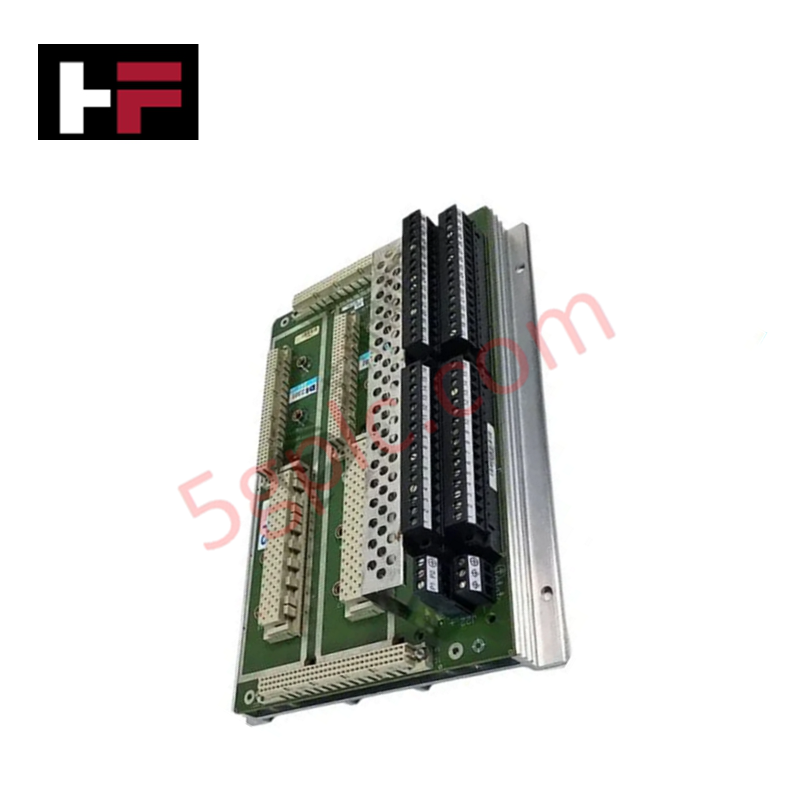
The Triconex 8300A, also cataloged as the 8300A Power Supply Module, operates as a dedicated hardware component for AC to DC power conversion within Tricon safety system networks.
Hardware Specifications
| Parameter | Specification |
|---|---|
| Model | 8300A |
| Brand | Triconex |
| Weight | 4.95 lbs |
| Dimensions | 49 cm x 45.3 cm x 6.8 cm |
| Operating Temp | -40 deg C to 85 deg C |
| Power Consumption | 120 W (Output) |
| Input Voltage | 120 VAC, 50/60 Hz |
| Output Current | 10 A (Maximum) |
TMR Safety System Power Integration
The Triconex 8300A is designed to provide stabilized DC power rails for modules operating within the TMR 2oo3 architecture. To ensure continuous system availability, this module supports redundant power configuration, where multiple power supply units share the system load. The module incorporates galvanic isolation to decouple input AC line transients from the system DC distribution bus. Fail-safe state execution is maintained by the module's internal monitoring circuitry; in the event of an output voltage excursion or thermal overload, the module prevents the transmission of under-voltage conditions to the safety processors, allowing redundant power units to compensate and maintain the logic solver's operational state without interruption.
Frequently Asked Questions
Q: Does the 8300A module support hot-swapping during active system operation?
A: Yes, the 8300A is designed for hot-swap capability within the Tricon chassis. When replacing an active unit, ensure that the redundant power supply is fully functional and capable of sustaining the total system load before extraction.
Q: How does the module react to input frequency fluctuations?
A: The module is designed to operate within a frequency range of 50/60 Hz. Fluctuations within standard industrial tolerances do not impact the output regulation, provided the input voltage remains within the specified nominal 120 VAC threshold.
Field Installation Guidelines
- Verify that the AC input source is disconnected or locked out prior to terminal wiring.
- Install the module into the designated power slot, ensuring the backplane connector is fully seated to prevent intermittent contact.
- Ensure adequate clearance around the module chassis to facilitate convection cooling within the cabinet.
- Tighten all screw terminals to the specified torque settings to ensure low-resistance contact and prevent thermal buildup at the termination points.
- Perform a load-sharing verification check by measuring the output DC bus voltage under normal operational load to ensure stability between redundant modules.
Additional Information
- 100% Genuine Parts: All products are original and authentic, ensuring reliable industrial performance.
- 30-Day Refund Guarantee: Return any in-stock item within 30 days in original, unopened packaging for a full refund (excluding shipping and fees).
- 12-Month Warranty: Covers defects in materials or workmanship; excludes misuse, normal wear, or unauthorized modifications.
- Worldwide Shipping: We ship via USPS, UPS, FedEx, and DHL. Delivery times vary by country and may be subject to customs or import fees.
- Support & Contact: Technical and warranty assistance is available anytime. Contact us here: Contact.
- Purchase Guidance: Check product specifications and compatibility carefully before ordering to ensure proper application.
Tech & Buying Guide
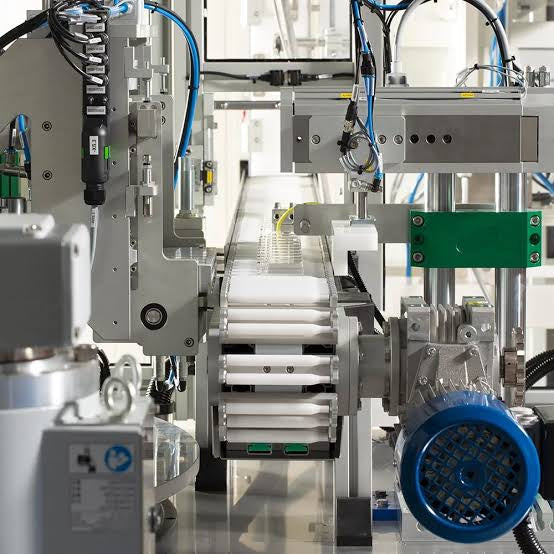
Mastering Modern Industrial Joystick Controls in Heavy Automation
Industrial joysticks play a pivotal role in human-machine interaction across heavy material handling and mobile hydraulics. These tactile controllers translate complex operator movements into precise electrical signals for PLCs, motion controllers, and DCS networks. Consequently, selecting and installing the right joystick architecture ensures operator safety, reduces fatigue, and optimizes equipment performance.

Navigating Industrial Automation Failures: Types, Causes, and Mitigation Strategies
Modern manufacturing relies heavily on automated control systems to maximize throughput and maintain product quality. However, unplanned downtime in industrial automation can cost facility operators thousands of dollars per hour. Understanding how programmable logic controllers (PLCs), distributed control systems (DCS), and field instrumentation fail empowers engineering teams to implement robust preventive maintenance strategies.
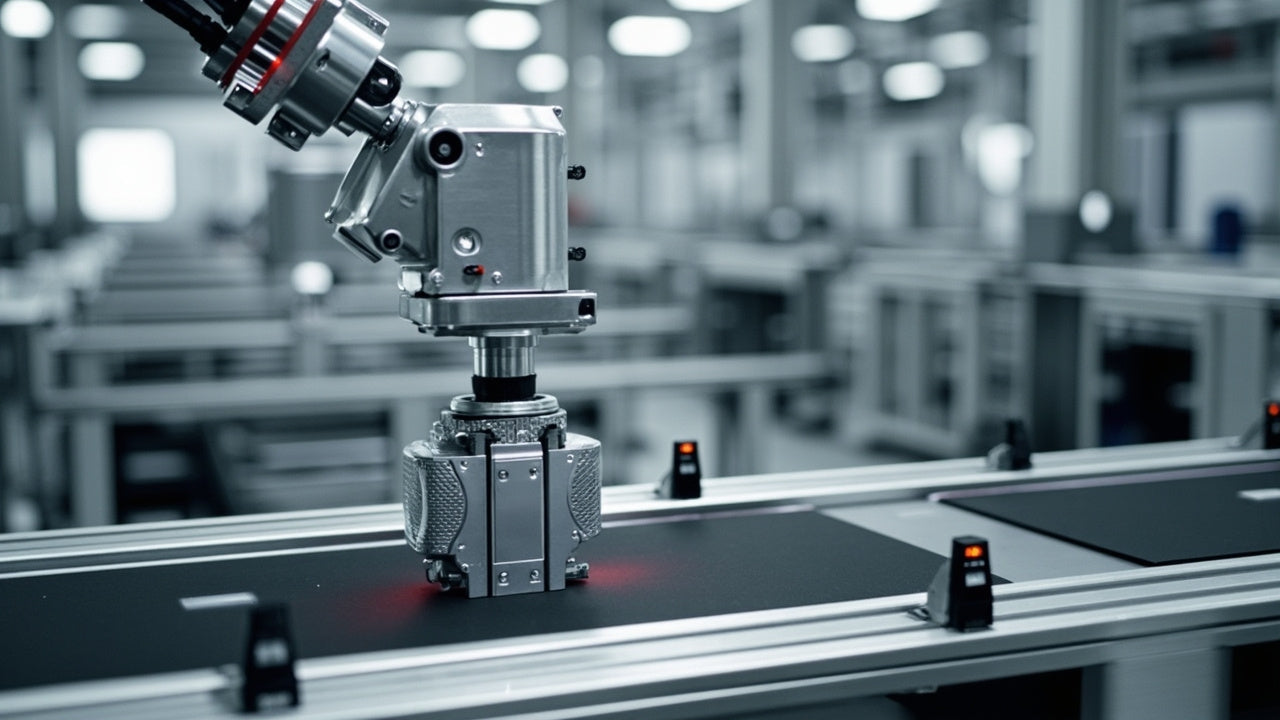
Essential Motion Control Commands: A Practical Guide for Engineers
Automation engineers often rely on precise position and speed control to drive modern factory machinery. Modern industrial systems, such as Programmable Logic Controllers (PLCs) and Distributed Control Systems (DCS), depend heavily on standardized motion instructions. Mastering these commands ensures operational safety, protects mechanical components, and optimizes cycle times across production lines.