












Product Details
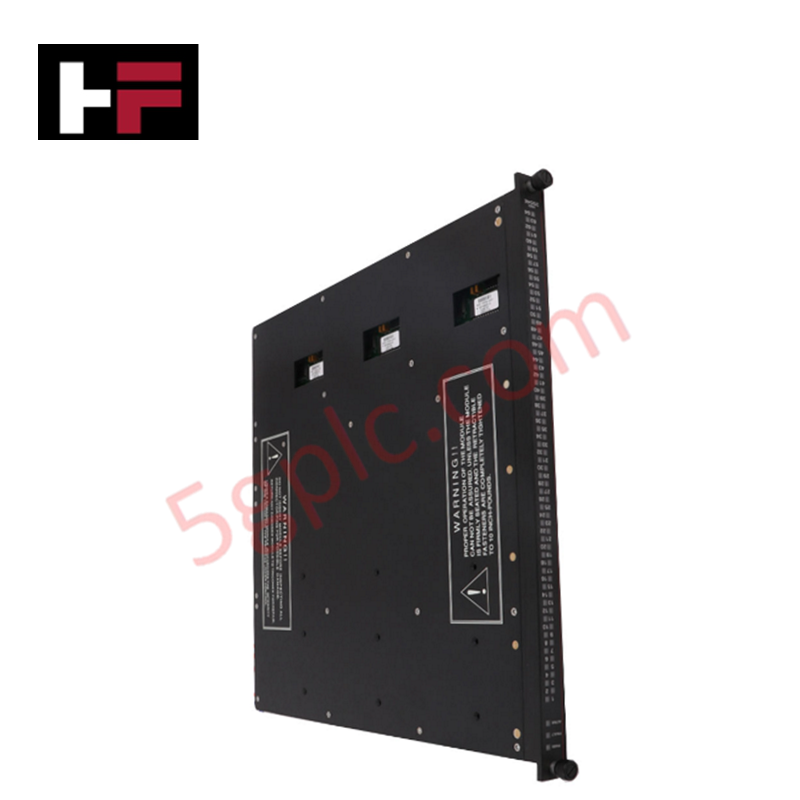
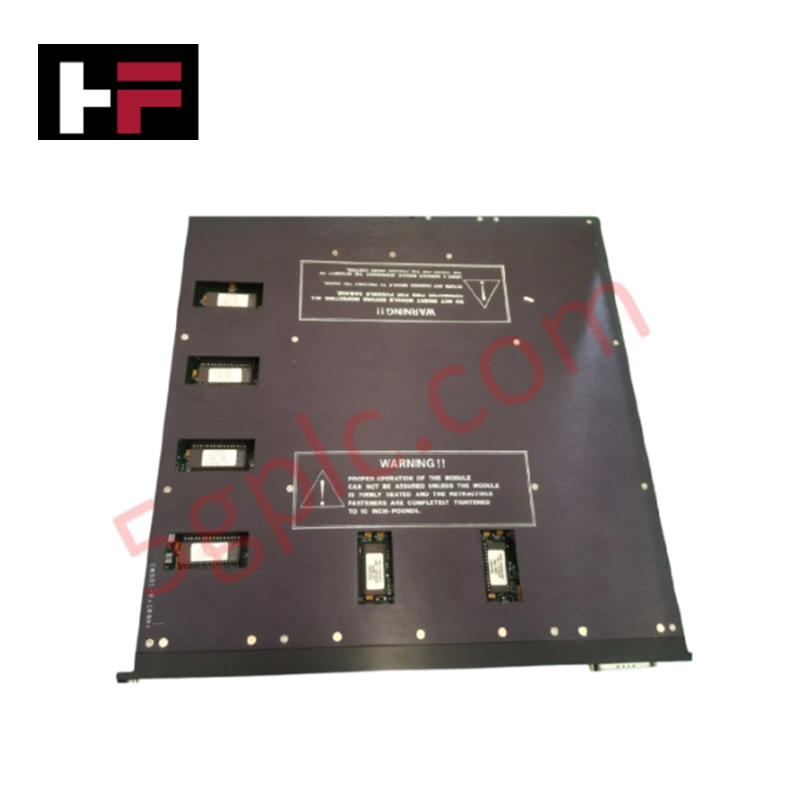
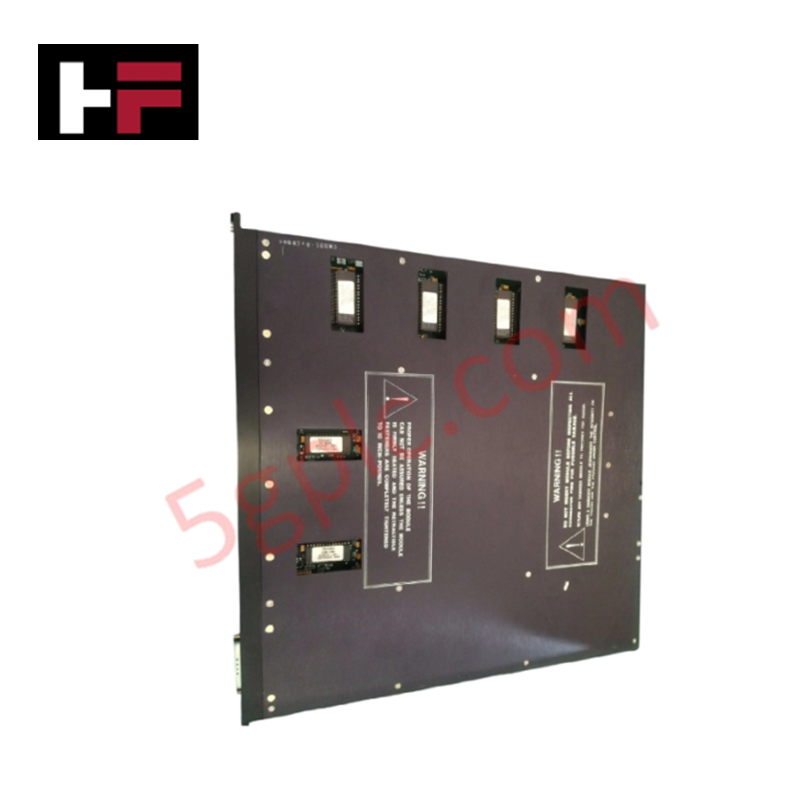
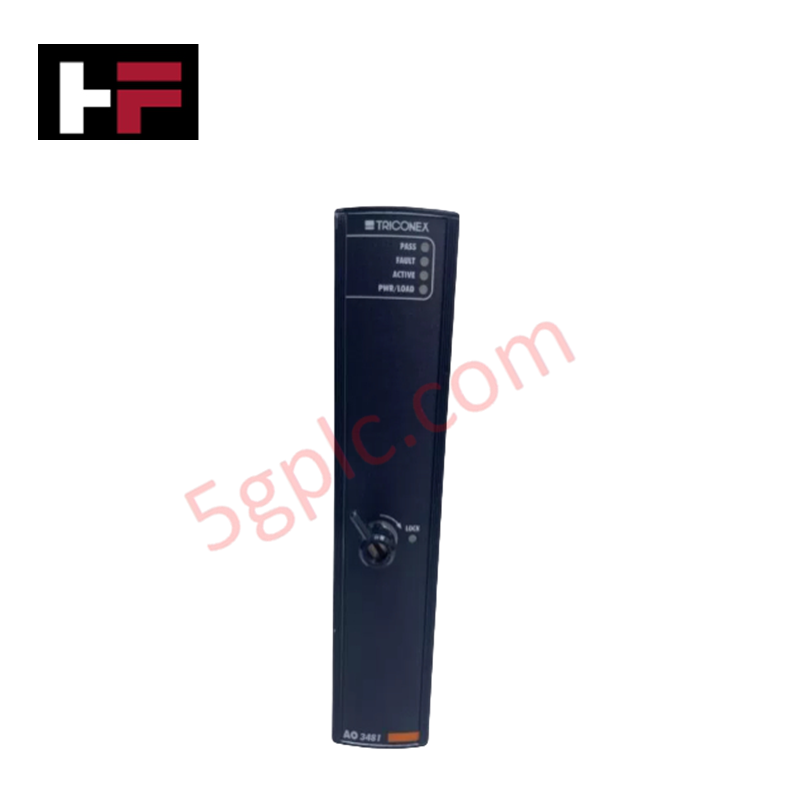
Configured for discrete signal switching in Tricon safety system platforms, the Triconex 3636R (3636R Relay Output Module) provides direct physical/electrical execution of 32 non-commoned relay outputs.
Hardware Specifications
| Parameter | Specification |
|---|---|
| Model | 3636R |
| Brand | Triconex |
| Dimensions | Standard Tricon module form factor |
| Operating Temp | Industrial standard range |
| Points | 32, non-commoned |
| Voltage Range | 125 VAC/VDC maximum |
| Current Load | 2 A maximum |
Fail-Safe State Execution and Output Logic
The Triconex 3636R is utilized for applications requiring non-triplicated relay output switching. As a non-TMR (Triple Modular Redundant) component, the module relies on the system's internal output processing logic to initiate contact state changes. The module supports a minimum permissible load of 10 mA at 5 VDC to ensure reliable contact wetting and minimize oxidation on the relay interface. In accordance with safety system design standards, the 3636R is configured for fail-safe state execution; upon the loss of communication with the logic solver or internal fault detection, the relay contacts transition to a pre-defined safe state to isolate the field-side load.
Frequently Asked Questions
Q: Does the 3636R support hot-swapping during active system operation?
A: The 3636R module is designed for hot-swap capability within the Tricon chassis. Verify that the relay load is de-energized or in a safe state before module extraction to prevent arcing at the backplane or output terminals.
Q: How should the non-commoned outputs be configured for external loads?
A: The non-commoned architecture allows each of the 32 points to switch independent voltage loops. Users must ensure that the voltage and current at each relay contact remain within the 125 VAC/VDC and 2 A maximum limits to prevent contact fusion.
Field Installation Guidelines
- Ensure the module is compatible with the physical slot configuration of the chassis backplane.
- Align the module carefully with the chassis rails to avoid pin damage, then apply firm pressure until the connector is fully seated.
- Secure the front-panel captive screws to ensure a solid electrical ground connection to the chassis frame.
- Route field wiring for each non-commoned relay circuit through separate conduits if required by voltage segregation standards to prevent cross-circuit coupling.
- Perform a functional verification test of all 32 relay contact states following installation to confirm correct logic mapping and field device response.
Additional Information
- 100% Genuine Parts: All products are original and authentic, ensuring reliable industrial performance.
- 30-Day Refund Guarantee: Return any in-stock item within 30 days in original, unopened packaging for a full refund (excluding shipping and fees).
- 12-Month Warranty: Covers defects in materials or workmanship; excludes misuse, normal wear, or unauthorized modifications.
- Worldwide Shipping: We ship via USPS, UPS, FedEx, and DHL. Delivery times vary by country and may be subject to customs or import fees.
- Support & Contact: Technical and warranty assistance is available anytime. Contact us here: Contact.
- Purchase Guidance: Check product specifications and compatibility carefully before ordering to ensure proper application.
Tech & Buying Guide

Top 5 Operational Advantages of HMIs in Modern Factory Automation

Importance of Safety Barriers in PLC and DCS Control Systems
