










Product Details
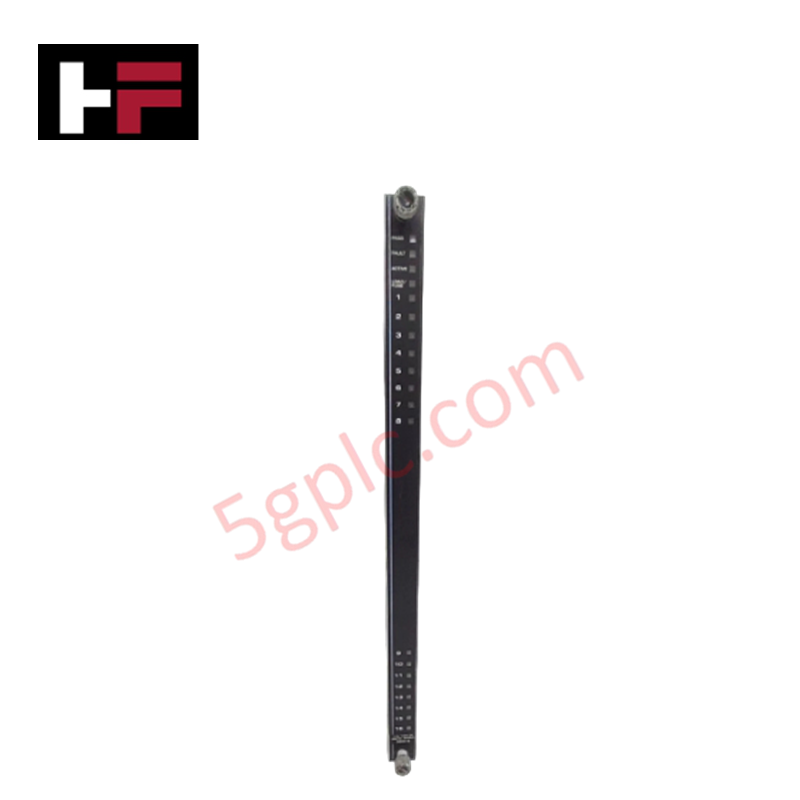
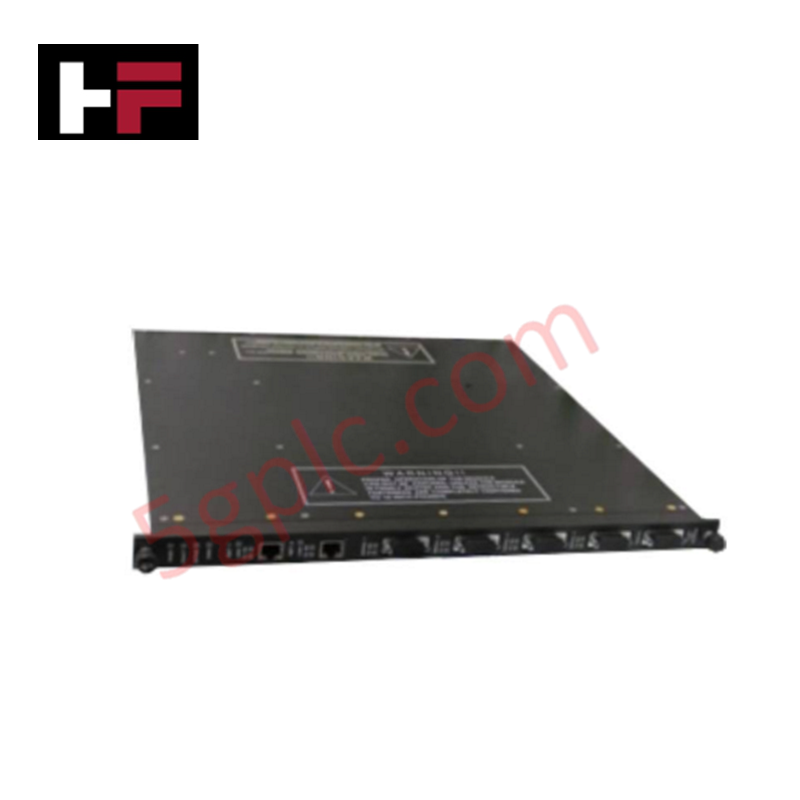
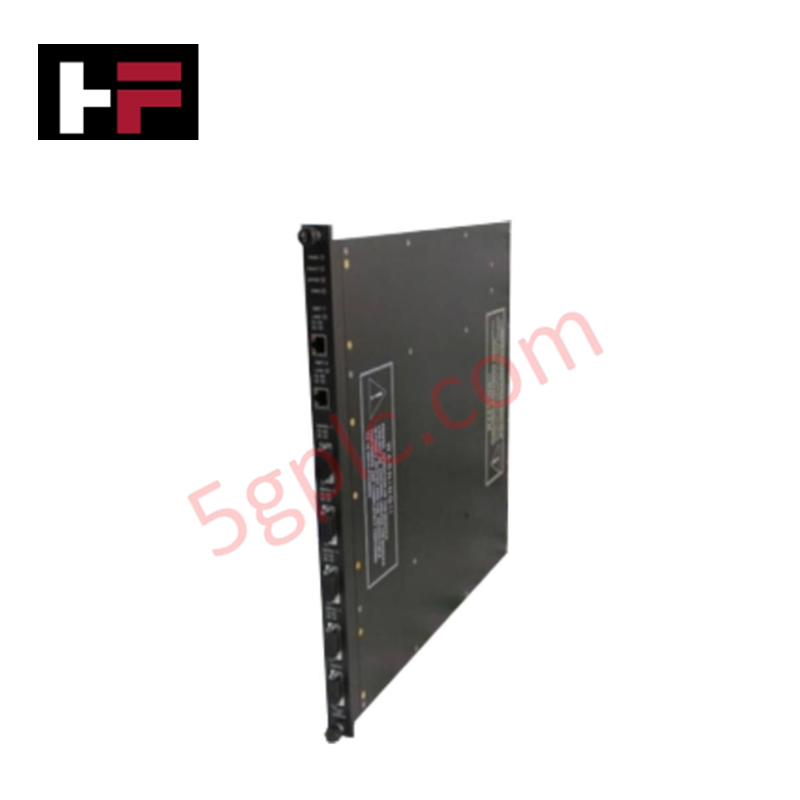
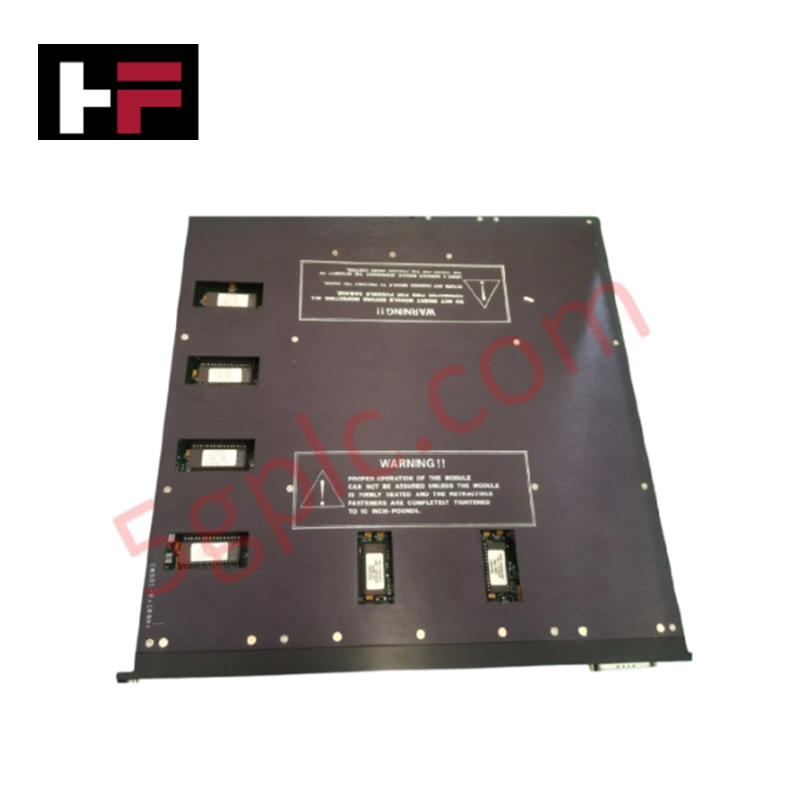
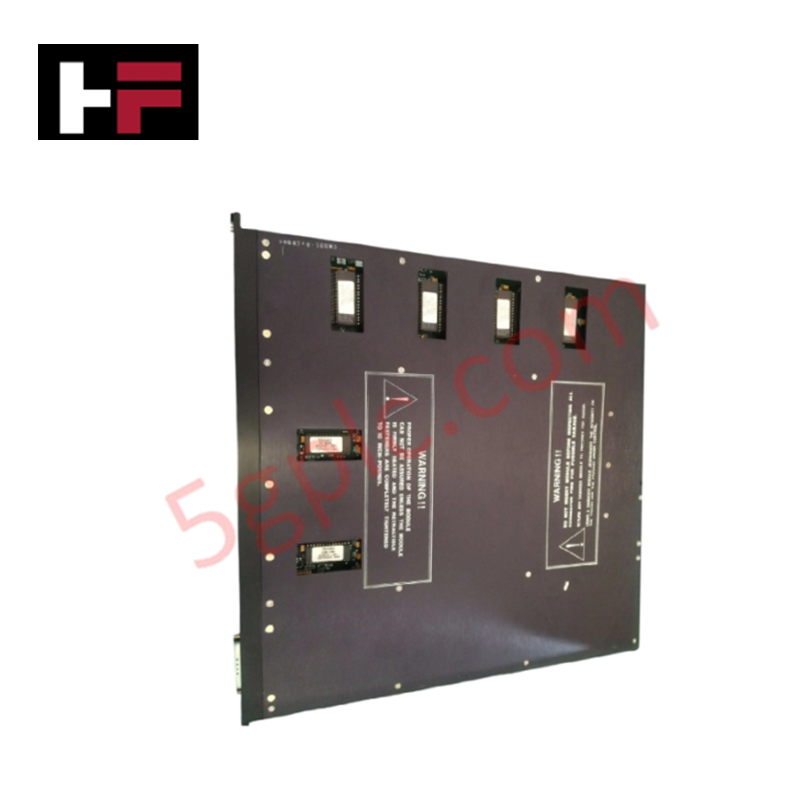
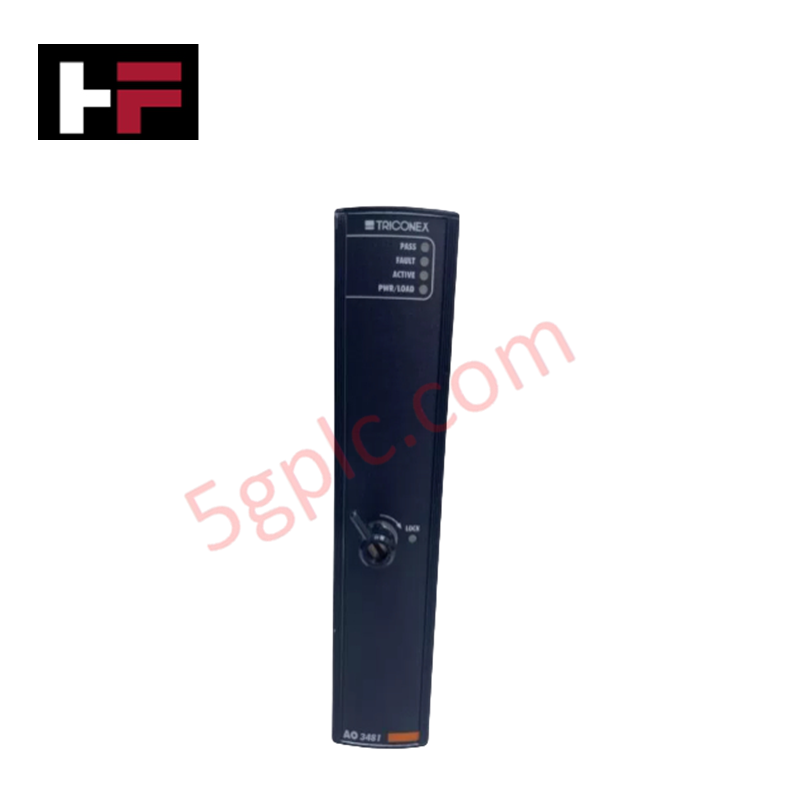
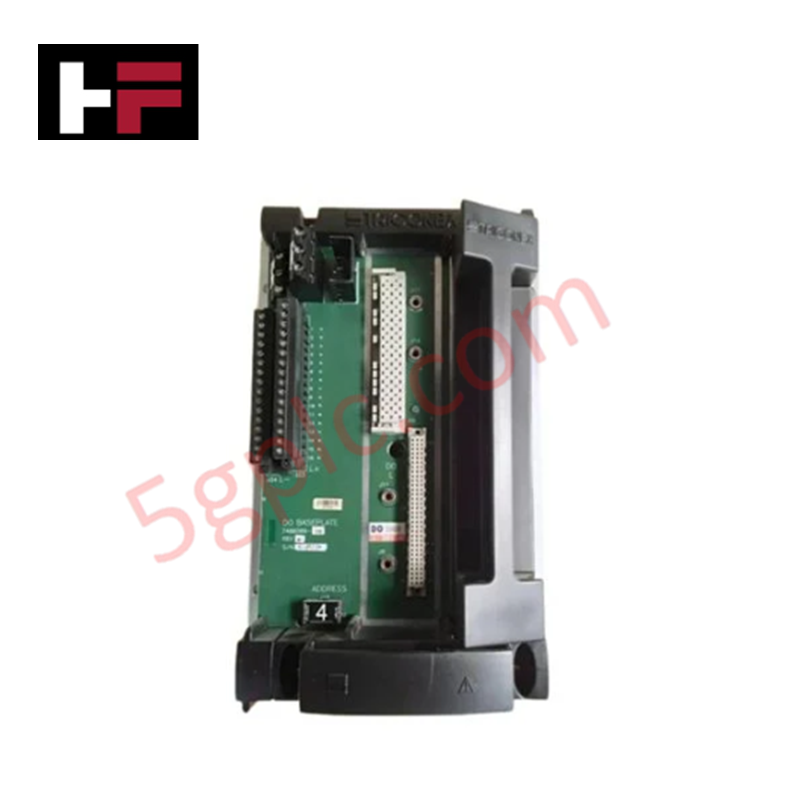
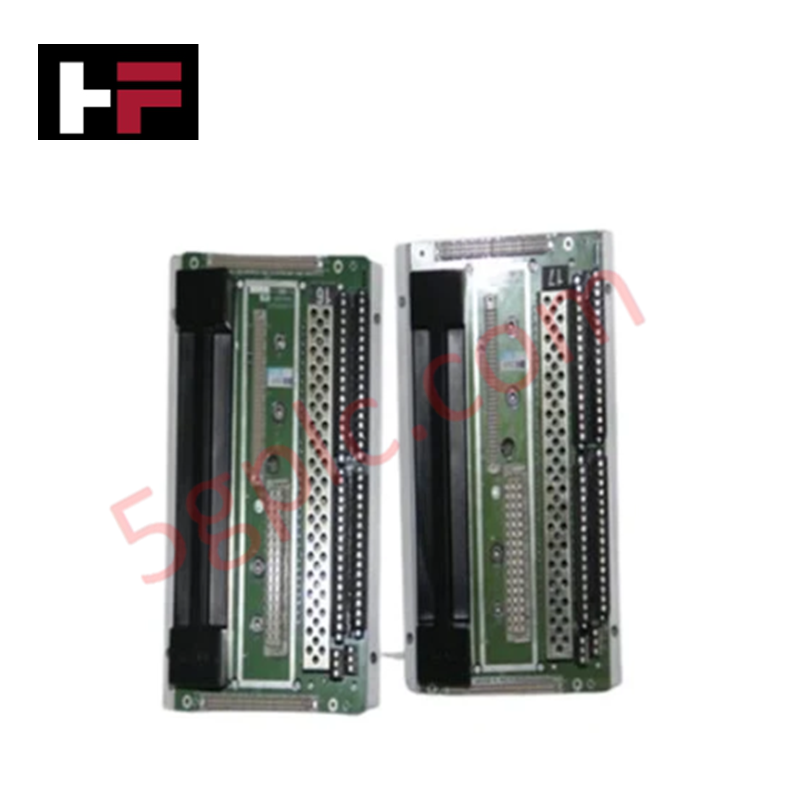
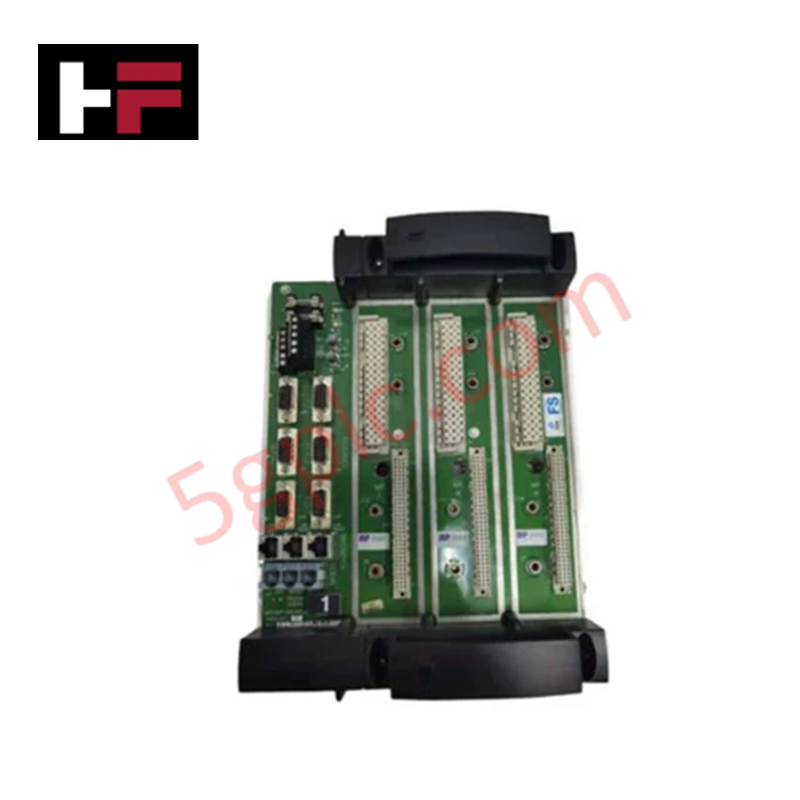
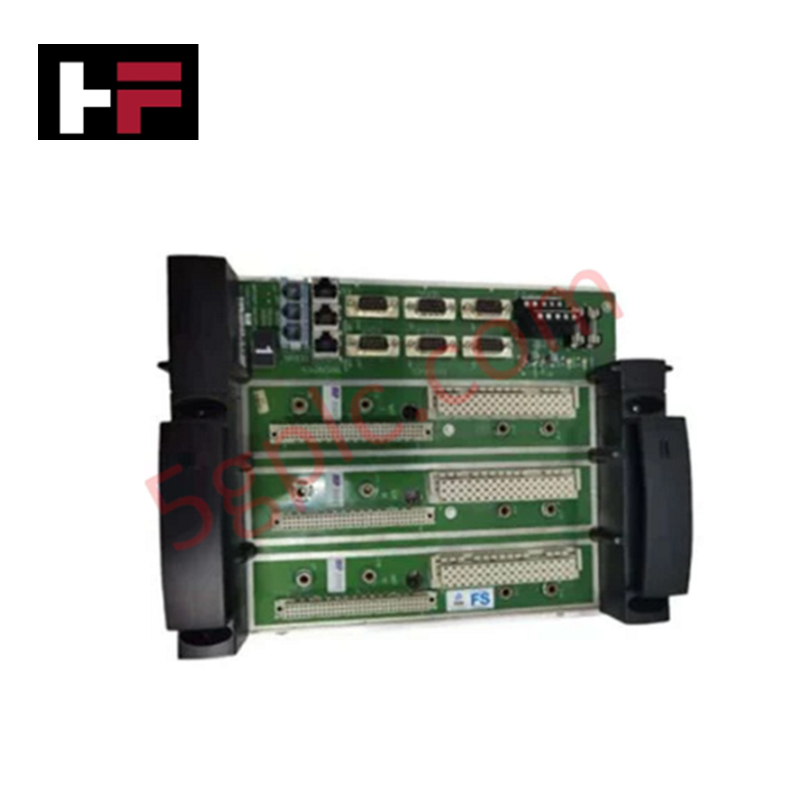
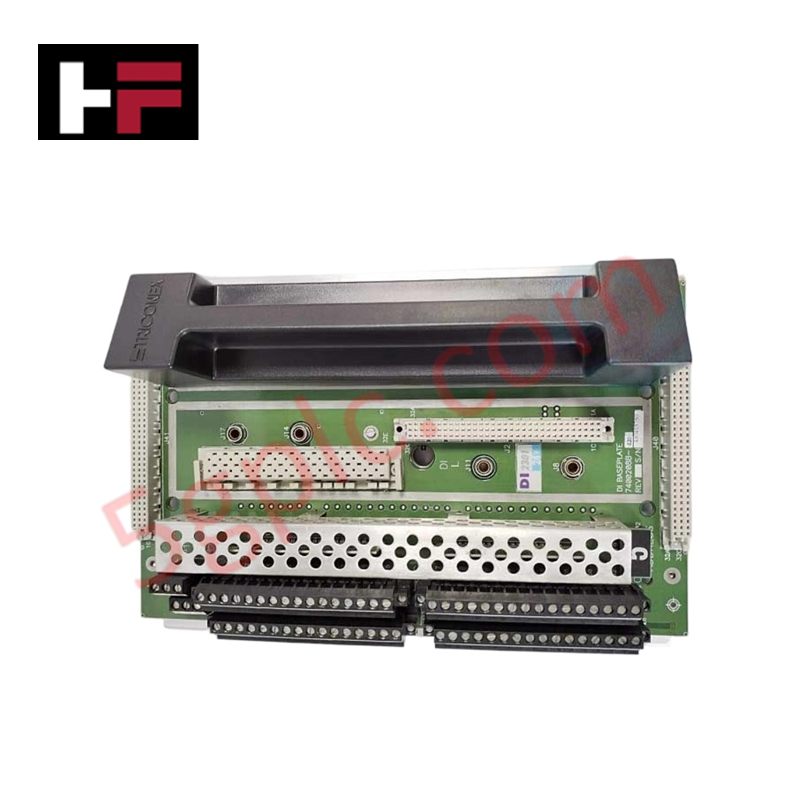
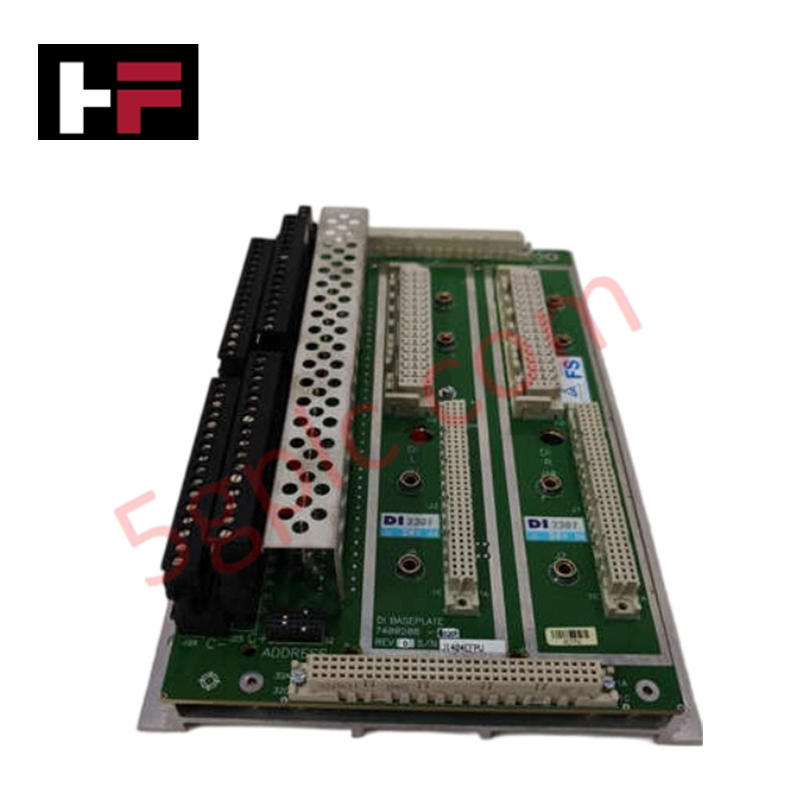
The Triconex PI3381, also cataloged as the 3381 Pulse Input Module, operates as a dedicated hardware component for high-speed pulse signal acquisition and process interface monitoring within Tricon safety system platforms.
Hardware Specifications
| Parameter | Specification |
|---|---|
| Model | PI3381 |
| Brand | Triconex |
| Dimensions | Standard Tricon module form factor |
| Operating Temp | Industrial standard range |
| Input Type | Differential |
| Max Operating Voltage | +/- 33 VDC |
| Sensor Compatibility | Magnetic, active, open-collector |
TMR Safety System and Signal Integrity
The Triconex PI3381 is architected for deployment within a triple modular redundancy (TMR) 2oo3 safety environment. The module performs high-resolution signal processing, utilizing majority-voting logic to determine the validity of incoming pulse data across redundant channels. Galvanic isolation is employed to decouple the field-side sensor loops from the system backplane, preventing the propagation of noise and transient voltages. As a component of a SIL3 certified system, the PI3381 supports fail-safe state execution; should diagnostic monitoring detect an invalid input state or component deviation, the module transitions to a defined safe state to maintain process integrity and ensure deterministic system behavior.
Frequently Asked Questions
Q: Does the PI3381 module support hot-swapping under load?
A: Yes, the module supports hot-swapping within an energized chassis. Upon insertion, the system performs an automated diagnostic handshake to integrate the new module into the TMR voting matrix before active channel processing resumes.
Q: What are the primary input sensitivity requirements for differential signals?
A: The module requires a minimum differential input of 500 mV P-P for the frequency range of 2 Hz to 32,000 Hz. Signal levels below these thresholds may result in intermittent data capture or diagnostic fault triggers.
Field Installation Guidelines
- Confirm the target chassis slot is configured for a pulse/process interface module.
- Align the module with the chassis guide rails and apply firm, steady pressure until the backplane connector is fully seated.
- Tighten the front-panel captive screws to ensure a proper ground connection to the cabinet frame.
- Utilize shielded cabling for all differential input signals, terminating the cable shield at the designated cabinet ground bus to minimize electromagnetic interference.
- Perform a verification check of the input frequency scaling via the system software after installation to ensure alignment with connected sensor pulse outputs.
Additional Information
- 100% Genuine Parts: All products are original and authentic, ensuring reliable industrial performance.
- 30-Day Refund Guarantee: Return any in-stock item within 30 days in original, unopened packaging for a full refund (excluding shipping and fees).
- 12-Month Warranty: Covers defects in materials or workmanship; excludes misuse, normal wear, or unauthorized modifications.
- Worldwide Shipping: We ship via USPS, UPS, FedEx, and DHL. Delivery times vary by country and may be subject to customs or import fees.
- Support & Contact: Technical and warranty assistance is available anytime. Contact us here: Contact.
- Purchase Guidance: Check product specifications and compatibility carefully before ordering to ensure proper application.
Tech & Buying Guide

Top 5 Operational Advantages of HMIs in Modern Factory Automation

Importance of Safety Barriers in PLC and DCS Control Systems
