












Product Details
Overview
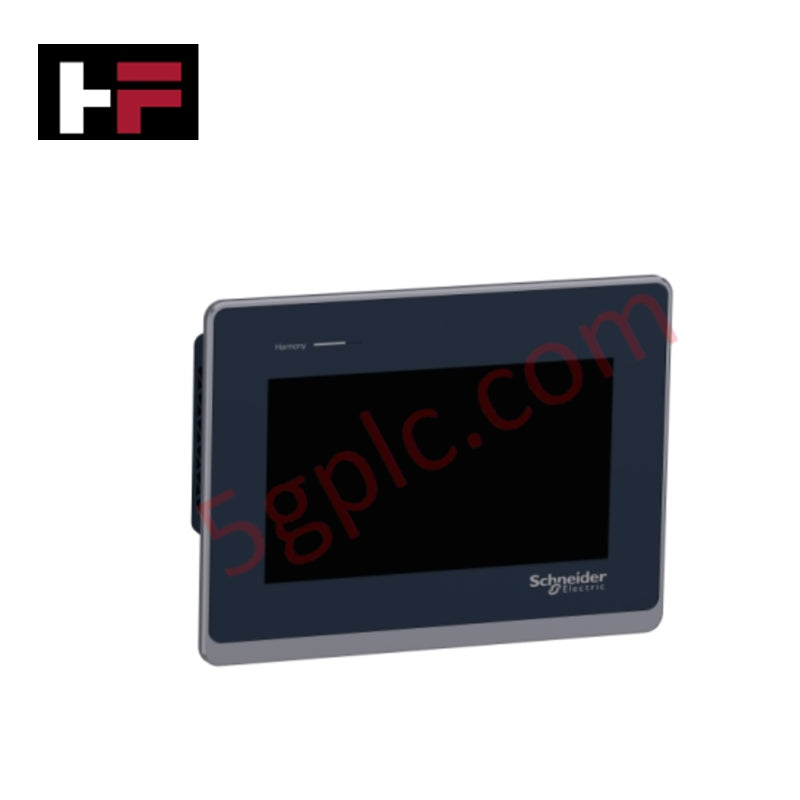
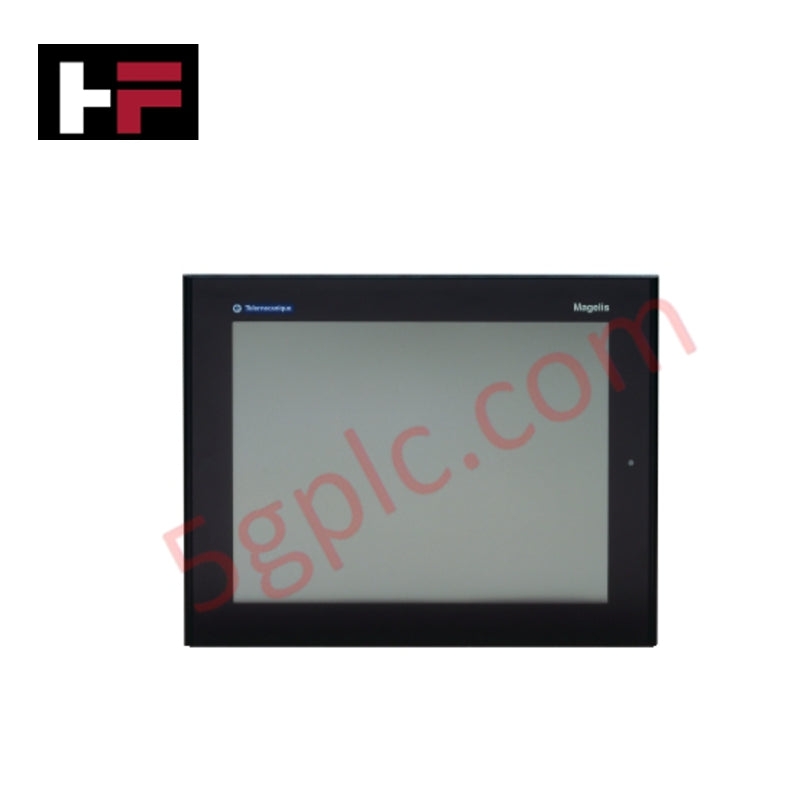
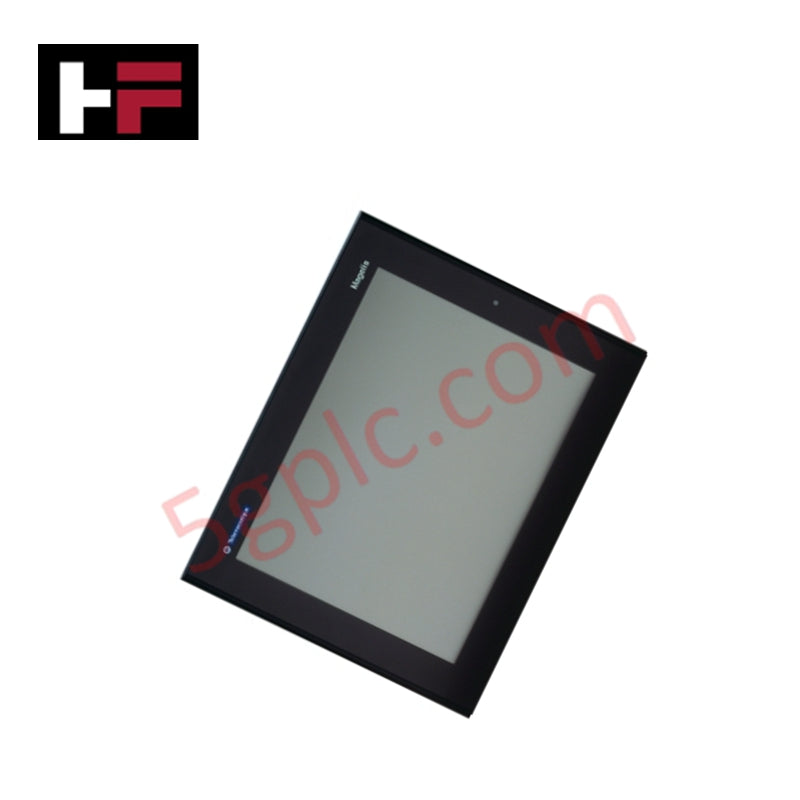
The HMIST6400 by Schneider Electric is a 7-inch touchscreen panel from the Harmony ST6 series, designed for precise control and monitoring of industrial machines. It offers high compatibility with multiple PLC brands, robust connectivity, and reliable operation in demanding production environments.
Display & Touch
-
Screen Size: 7 inches
-
Type: Color TFT LCD
-
Resolution: 800 × 480 pixels (WVGA)
-
Color Depth: 16 million colors
-
Touch Technology: Single-touch analog resistive
-
Backlight Lifetime: 50,000 hours
-
Brightness Levels: 16 adjustable settings
-
Supported Fonts: ASCII, Simplified/Traditional Chinese, Japanese, Korean
Processor & Memory
-
CPU: ARM Cortex-A8, 800 MHz
-
Device Memory: 1 GB
-
User Data Memory: 128 MB
-
Backup Memory: 512 KB
Connectivity
-
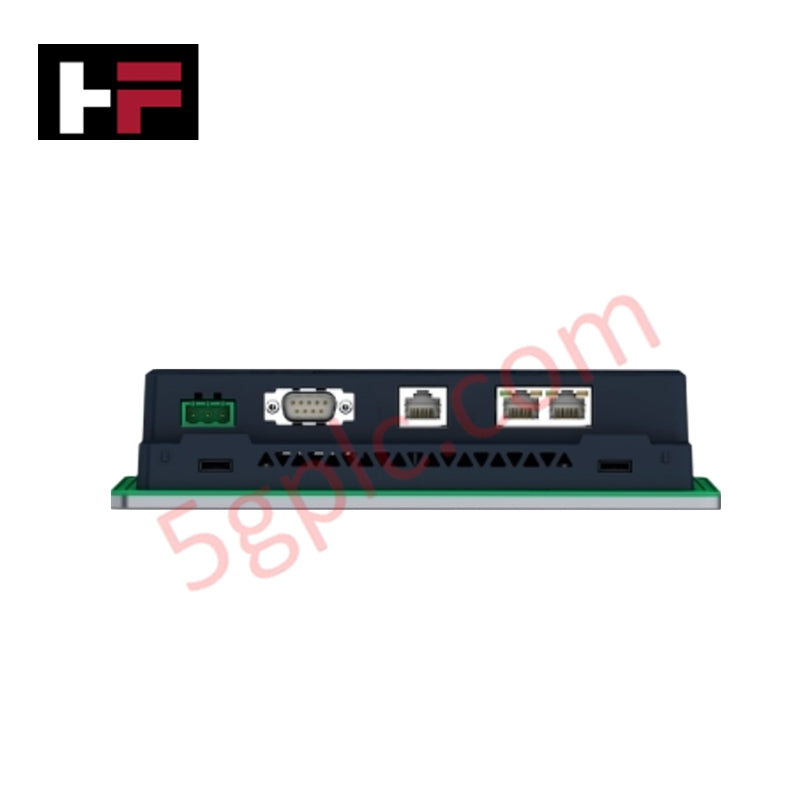
Serial Ports: COM1 (RS-232C, SUB-D 9-pin, 2400–115200 bps), COM2 (RS-485, RJ45, 2400–187500 bps)
-
USB Ports: 1 × USB 2.0 Type A, 1 × USB 2.0 Micro B
-
Ethernet: 2 × 10/100BASE
-
Supported Protocols: Modbus, Uni-TE, and third-party protocols
-
Software Compatibility: EcoStruxure Operator Terminal Expert
-
PLC Compatibility: Schneider Modicon, Mitsubishi Melsec, Omron Sysmac, Allen-Bradley, Siemens Simatic
Power Requirements
-
Supply Voltage: 24 V DC ±20%
-
Power Consumption: 9 W
-
Inrush Current: 30 A
-
External Power: Required
User Interface & Status Indicators
-
Status LEDs: Green (operation), Orange (startup), Red (power)
-
Maximum Application Pages: 200
Mechanical & Mounting
-
Mounting: 4 screws (panel thickness 1.6–5 mm)
-
Cutout Dimensions: 190 × 135 mm
-
Overall Size: 153 × 208 × 45 mm
-
Front Material: Aluminium
-
Enclosure Material: PC
-
Weight: 0.8 kg
Environmental & Mechanical Ratings
-
Front Protection: IP65 / NEMA 4 (indoor)
-
Rear Protection: IP20 / NEMA 13 (enclosure)
-
Operating Temperature: 0–50 °C
-
Storage Temperature: –20–60 °C
-
Humidity: 10–90%, non-condensing
-
Altitude: ≤ 2000 m
-
Shock Resistance: 147 m/s² (11 ms, X/Y/Z axes)
-
Vibration Resistance: ±3.5 mm @ 5–9 Hz, 9.8 m/s² @ 9–150 Hz
-
Microbreak Immunity: 5 ms
Key Features
-
Compact 7-inch panel for small to medium industrial machines
-
Multi-brand PLC compatibility and EcoStruxure software support
-
Analog resistive touchscreen with long-life backlight
-
Robust IP65/NEMA 4 front protection for harsh environments
Additional Information
- 100% Genuine Parts: All products are original and authentic, ensuring reliable industrial performance.
- 30-Day Refund Guarantee: Return any in-stock item within 30 days in original, unopened packaging for a full refund (excluding shipping and fees).
- 12-Month Warranty: Covers defects in materials or workmanship; excludes misuse, normal wear, or unauthorized modifications.
- Worldwide Shipping: We ship via USPS, UPS, FedEx, and DHL. Delivery times vary by country and may be subject to customs or import fees.
- Support & Contact: Technical and warranty assistance is available anytime. Contact us here: Contact.
- Purchase Guidance: Check product specifications and compatibility carefully before ordering to ensure proper application.
Tech & Buying Guide

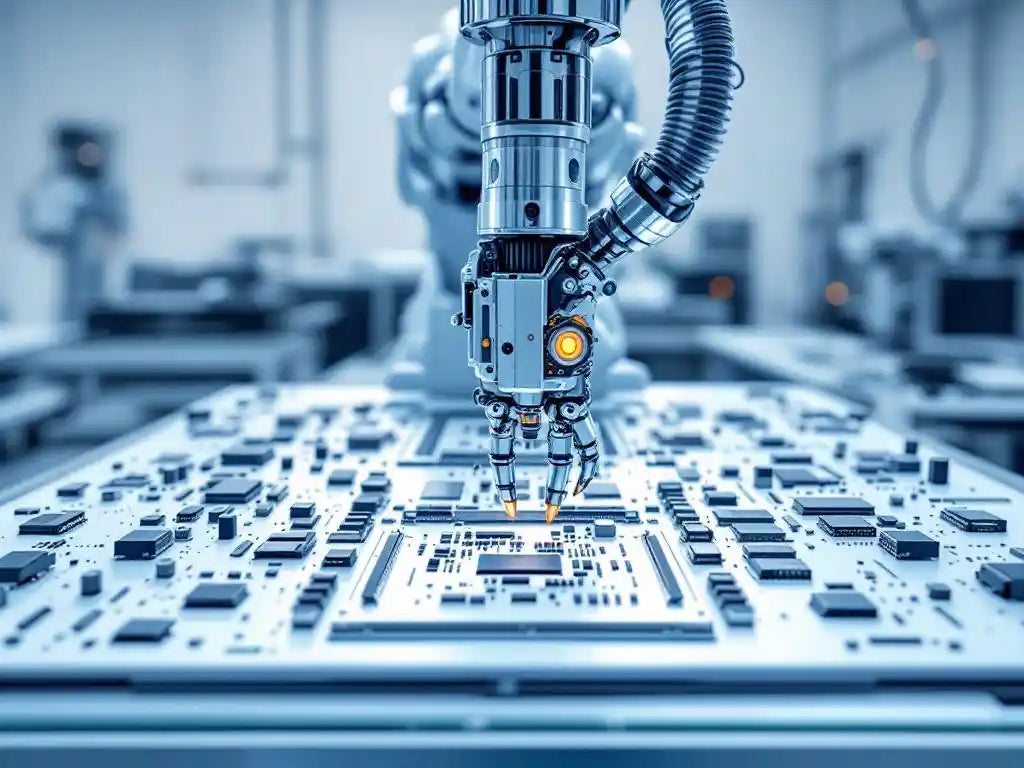
Optimizing Tank Level Control Using Proportional Algorithms in PLC Systems
Industrial automation engineers frequently encounter liquid level regulation challenges across diverse process plants. Traditional ON-OFF control mechanisms often disrupt system stability due to abrupt actuator switching. Therefore, upgrading to closed-loop architectures like proportional control yields smoother responses. In a typical PLC environment, such as Siemens TIA Portal, engineers utilize closed-loop feedback to minimize process errors without requiring full PID complexity.
Understanding Why Your PLC Enters Stop Mode: Causes and Troubleshooting
In industrial automation, programmable logic controllers (PLCs) serve as the core intelligence of modern factory automation and distributed control systems (DCS). Understanding how a PLC transitions between modes is vital for maintenance engineers. Typically, a PLC operates across four primary modes: Run, Stop, Start-Up, and Hold. When power is applied, the system immediately boots into Stop mode before initiating the Start-Up sequence. If the controller encounters a critical error during execution, it automatically reverts to Stop mode to prevent equipment damage. Therefore, monitoring these state transitions helps technicians maintain high system availability.
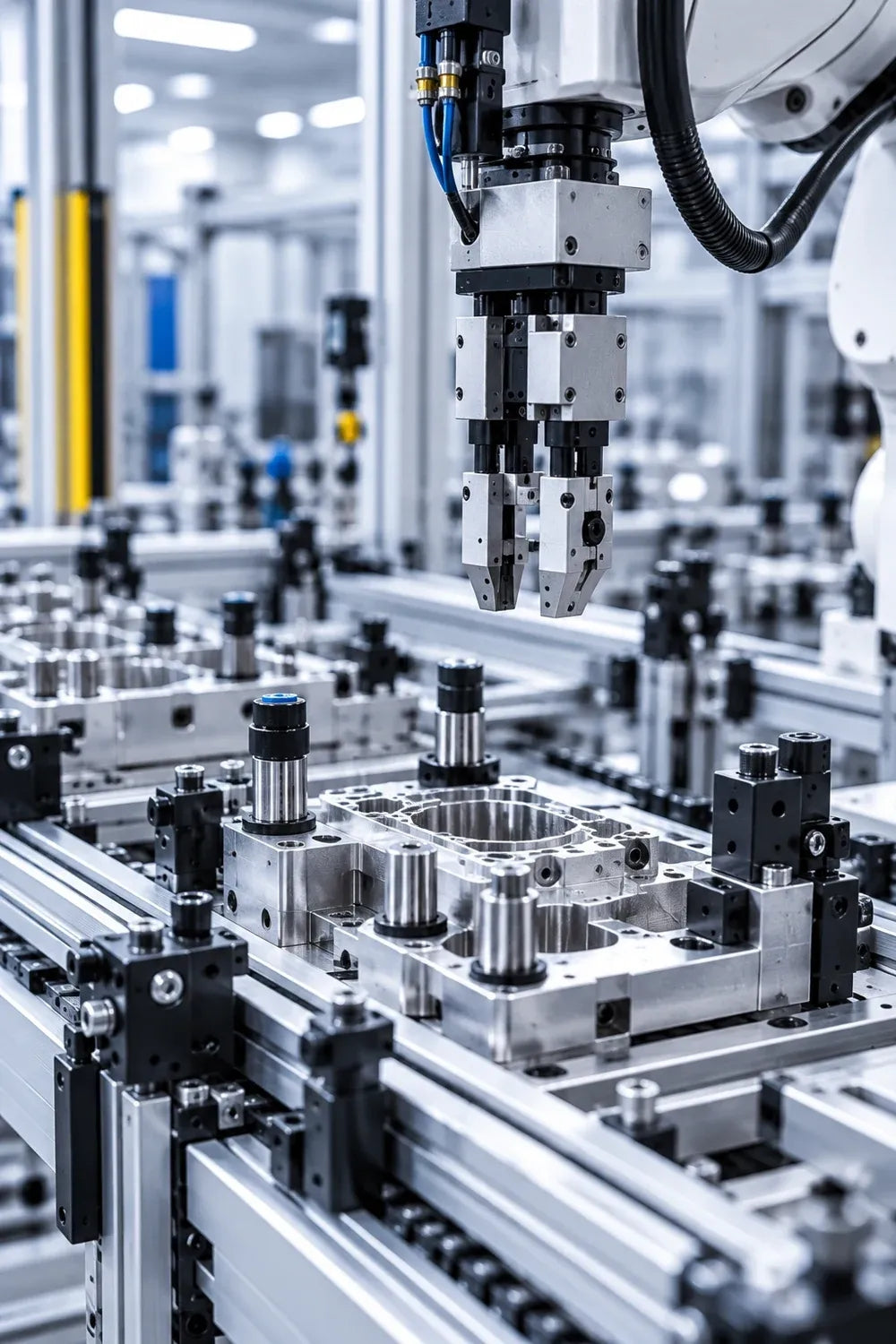
Comprehensive Guide to Servo Motor Drive Control Techniques in Industrial Automation
Precision motion control systems drive high-throughput manufacturing across modern industrial automation environments. Unlike standard induction motors running on basic variable frequency drives, servo motor systems deliver sub-millimeter positioning accuracy and fast dynamic response.