














Product Details
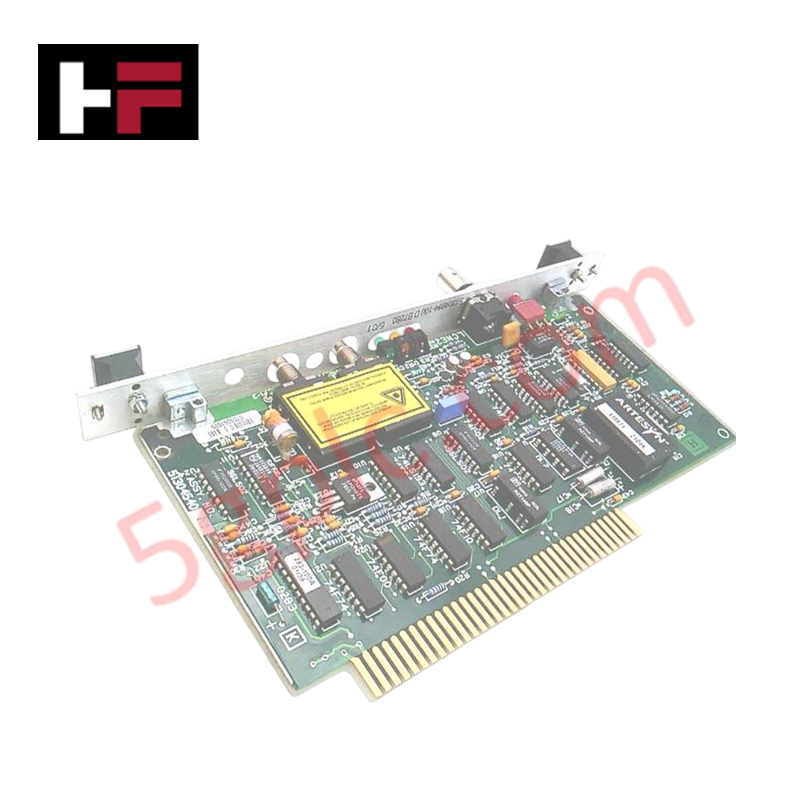
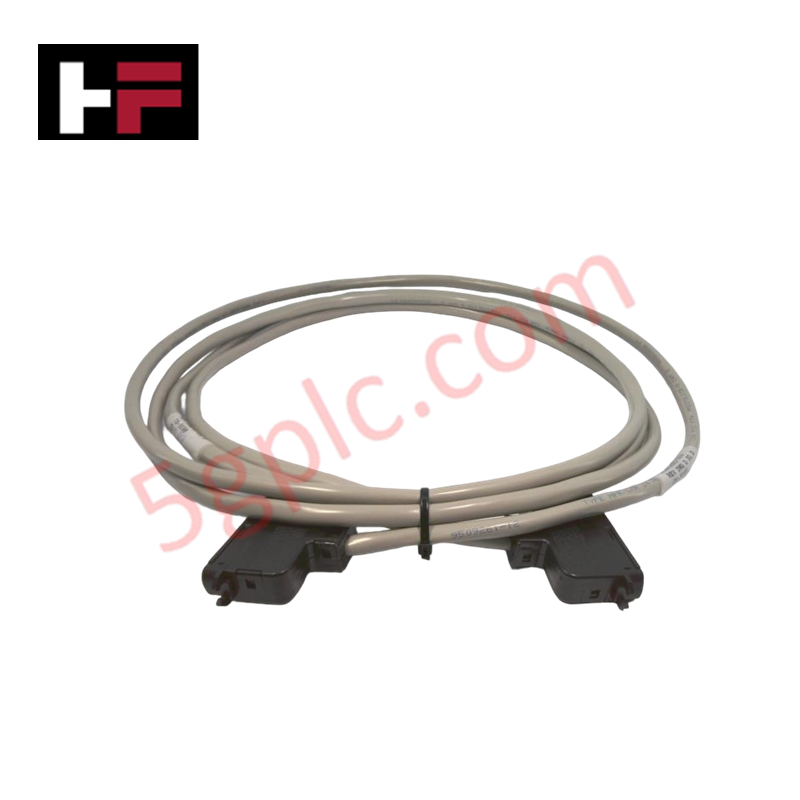
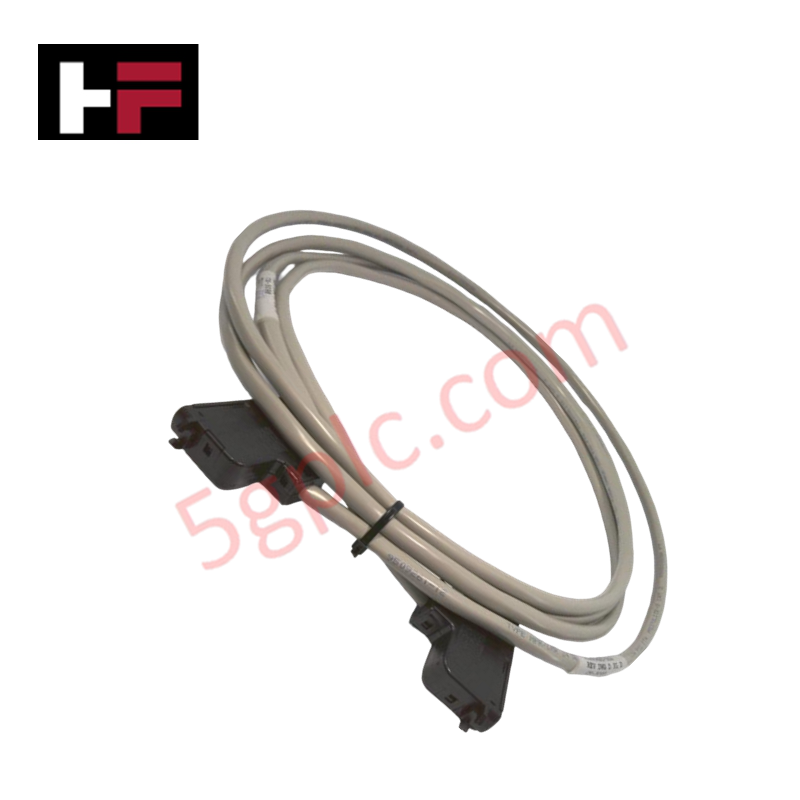
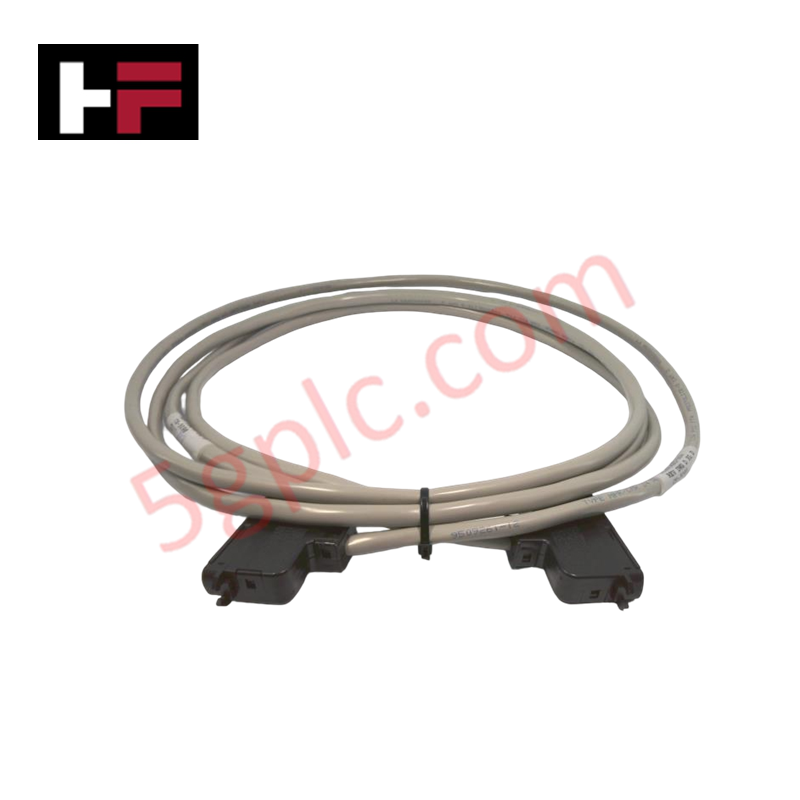
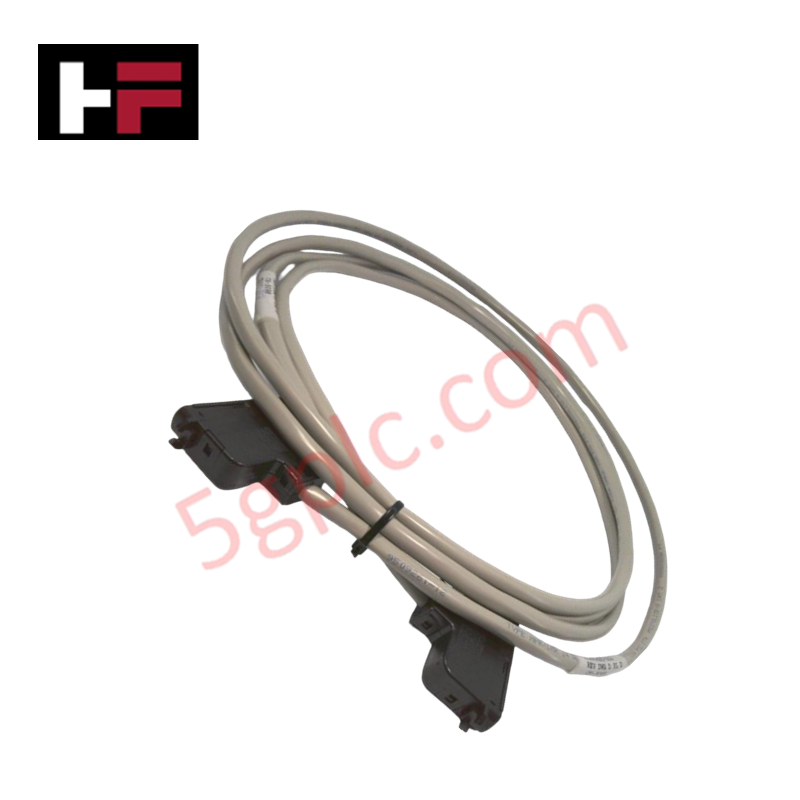
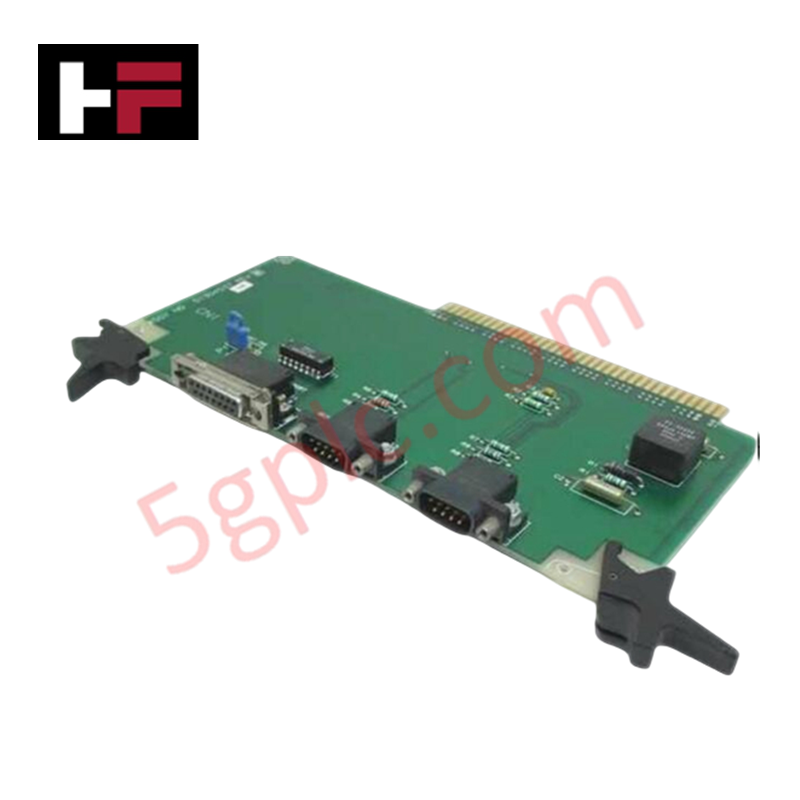
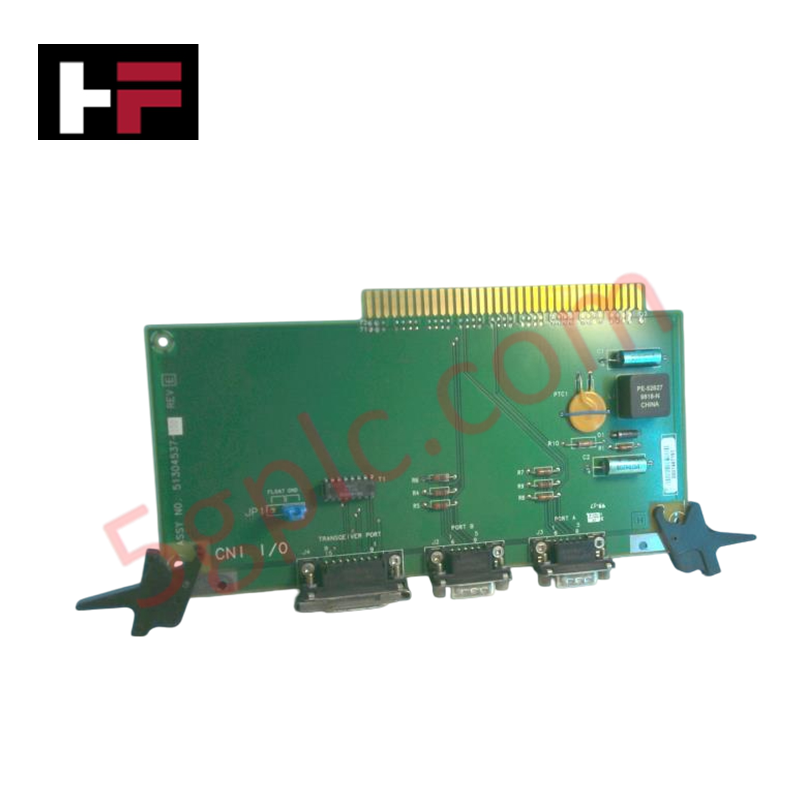
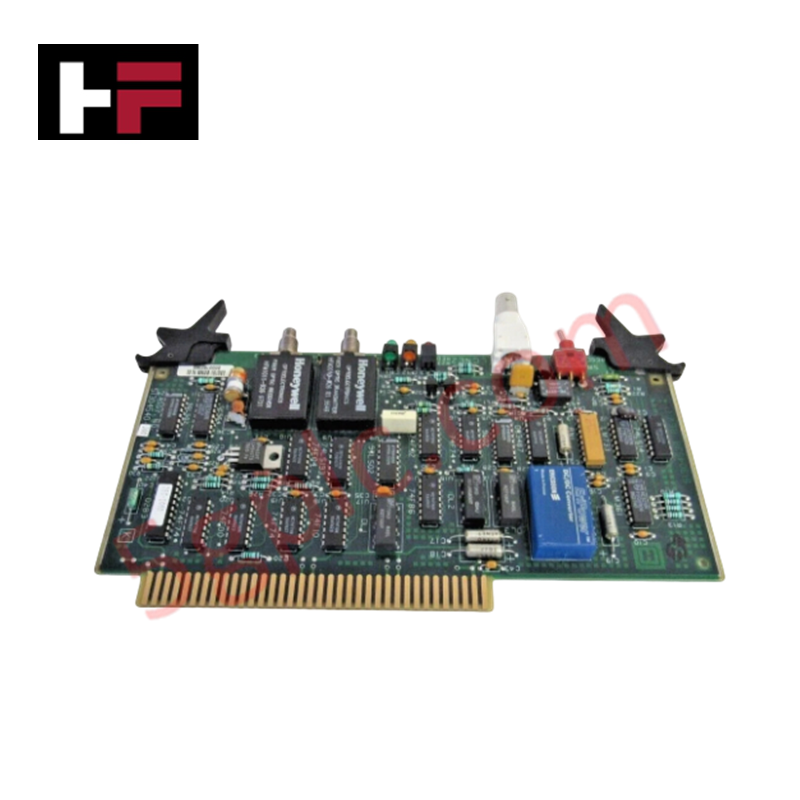
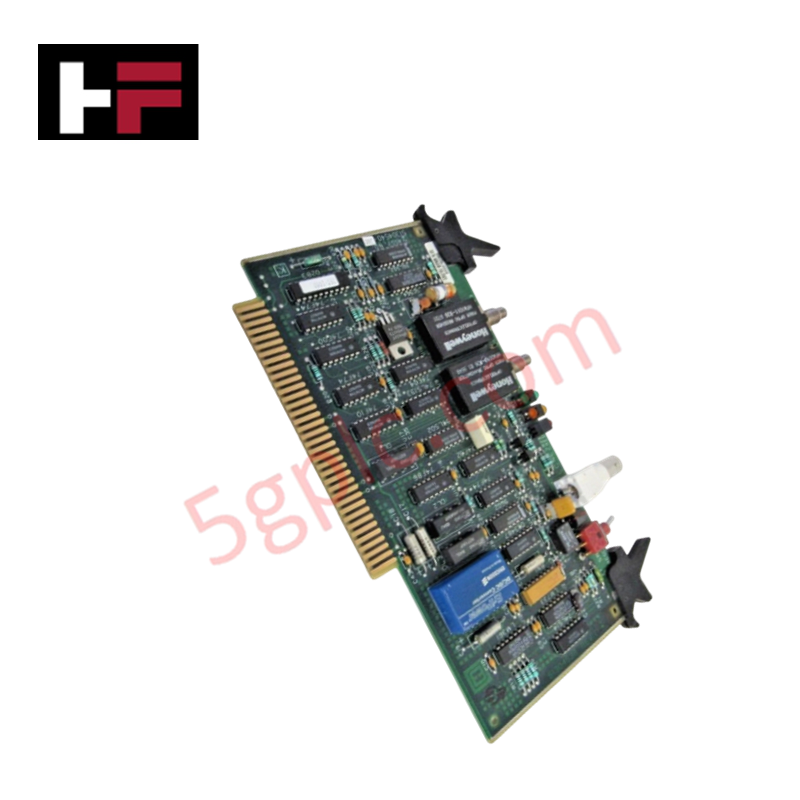
Configured for data transmission within TDC 3000 control architectures, the Honeywell 51304540-200 (51304540-200 LCNE2 Paddle Board) provides direct physical execution of network communication between the Local Control Network (LCN) and station components.
Hardware Specifications
| Parameter | Specification |
|---|---|
| Model | 51304540-200 |
| Brand | Honeywell |
| Weight | 0.43 kg |
| Module Type | LCNE2 Paddle Board |
| Compatibility | TDC 3000 Series |
DCS Process Control and Connectivity
The 51304540-200 module acts as a communication interface within the TDC 3000 environment, facilitating data packet routing between the control network and localized station hardware. The assembly features channel-to-channel isolation on the backplane interface, which limits electromagnetic interference (EMI) transmission between the communication bus and local module circuitry. This isolation maintains the integrity of high-speed data frames and prevents backplane-level ground loops from inducing communication errors. By offloading specific communication protocol tasks, the module ensures consistent latency for critical control loops, supporting integration with 4-20 mA HART loop protocol instruments when bridged through the network interface.
Frequently Asked Questions
Q: Does this module support hot-swapping within the TDC 3000 rack?
A: No. The 51304540-200 is not designed for hot-swapping. Removal or installation while the rack is powered will induce bus voltage transients, which may result in communication loss, processor re-initialization, or permanent damage to the board's interface components.
Q: How is the module linked to the LCN network?
A: The module is designed as a paddle board interface that connects directly to the network bus via designated station backplane slots. Ensure all connection pins are free of oxidation and the board is firmly seated to prevent intermittent signal loss.
Field Installation Guidelines
- Ensure the station rack is completely de-energized and all power sources are isolated before handling the module.
- Align the paddle board with the dedicated backplane slot guides and insert slowly to avoid mechanical stress on the interface pins.
- Apply uniform pressure to the board face to seat the edge connector fully into the backplane socket.
- Secure any auxiliary retention hardware to the rack frame to maintain mechanical stability and ensure effective grounding of the module chassis.
- Confirm network communication status through the station diagnostic interface once the system has been re-powered to verify link synchronization.
Additional Information
- 100% Genuine Parts: All products are original and authentic, ensuring reliable industrial performance.
- 30-Day Refund Guarantee: Return any in-stock item within 30 days in original, unopened packaging for a full refund (excluding shipping and fees).
- 12-Month Warranty: Covers defects in materials or workmanship; excludes misuse, normal wear, or unauthorized modifications.
- Worldwide Shipping: We ship via USPS, UPS, FedEx, and DHL. Delivery times vary by country and may be subject to customs or import fees.
- Support & Contact: Technical and warranty assistance is available anytime. Contact us here: Contact.
- Purchase Guidance: Check product specifications and compatibility carefully before ordering to ensure proper application.
Tech & Buying Guide
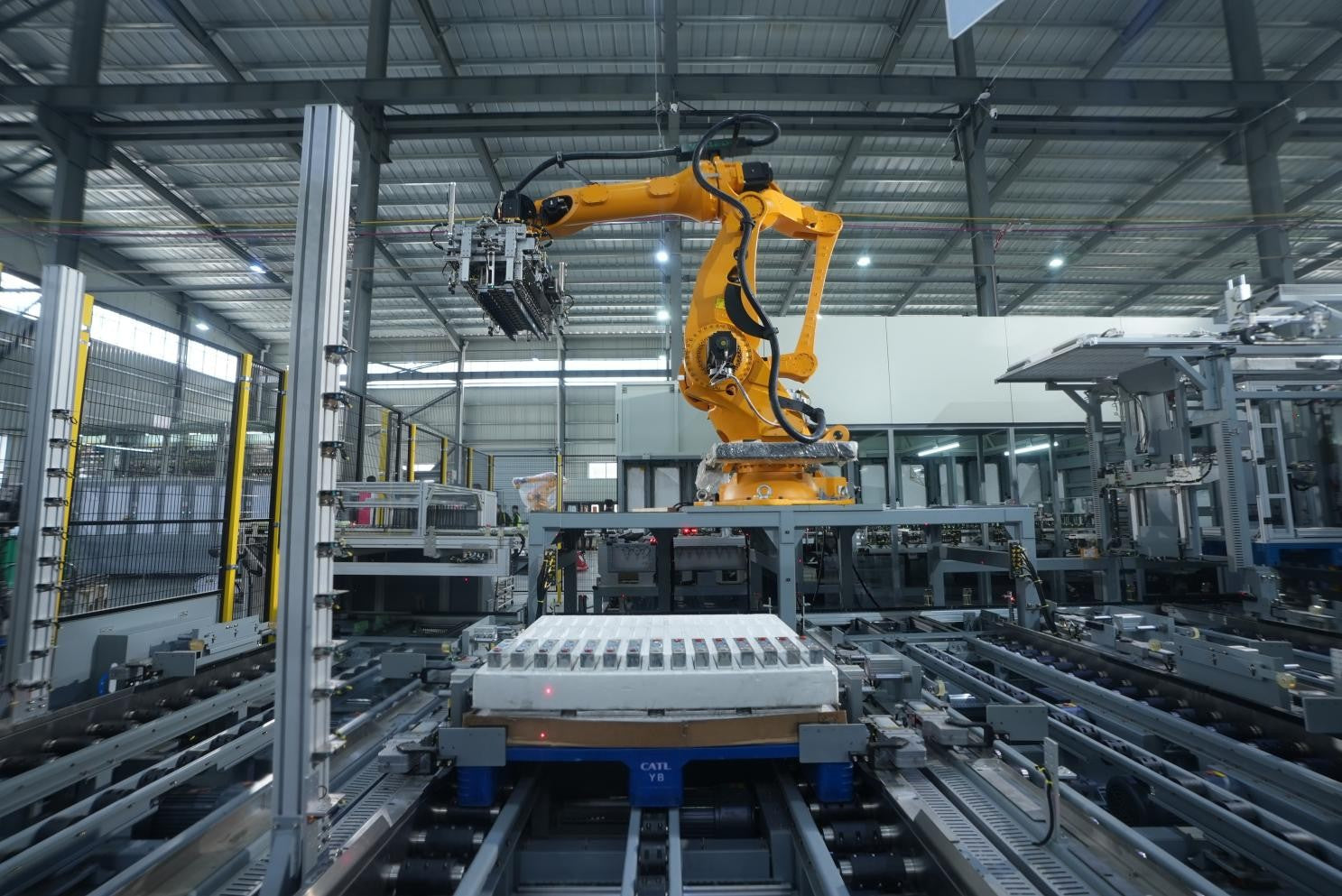
Strategic Selection: Choosing the Right SCADA Software for Your PLC Project
In industrial automation, the SCADA (Supervisory Control and Data Acquisition) system acts as the bridge between raw machine data and actionable human intelligence. Selecting the incorrect software platform can lead to integration bottlenecks, scalability issues, and excessive long-term maintenance costs. As an automation consultant with 15 years of experience, I have guided many projects through the selection process. Below are the essential criteria for choosing a platform that ensures both performance and longevity.

Ensuring Operational Continuity: The Strategic Value of Redundant Automation Systems
In modern industrial landscapes, unplanned downtime is the ultimate adversary. For sectors relying on complex PLC and DCS architectures, a single hardware failure can trigger catastrophic production losses. Therefore, implementing redundant automation systems is no longer a luxury; it is a fundamental requirement for mission-critical operations. In this article, I analyze why redundancy remains the backbone of reliable industrial infrastructure.
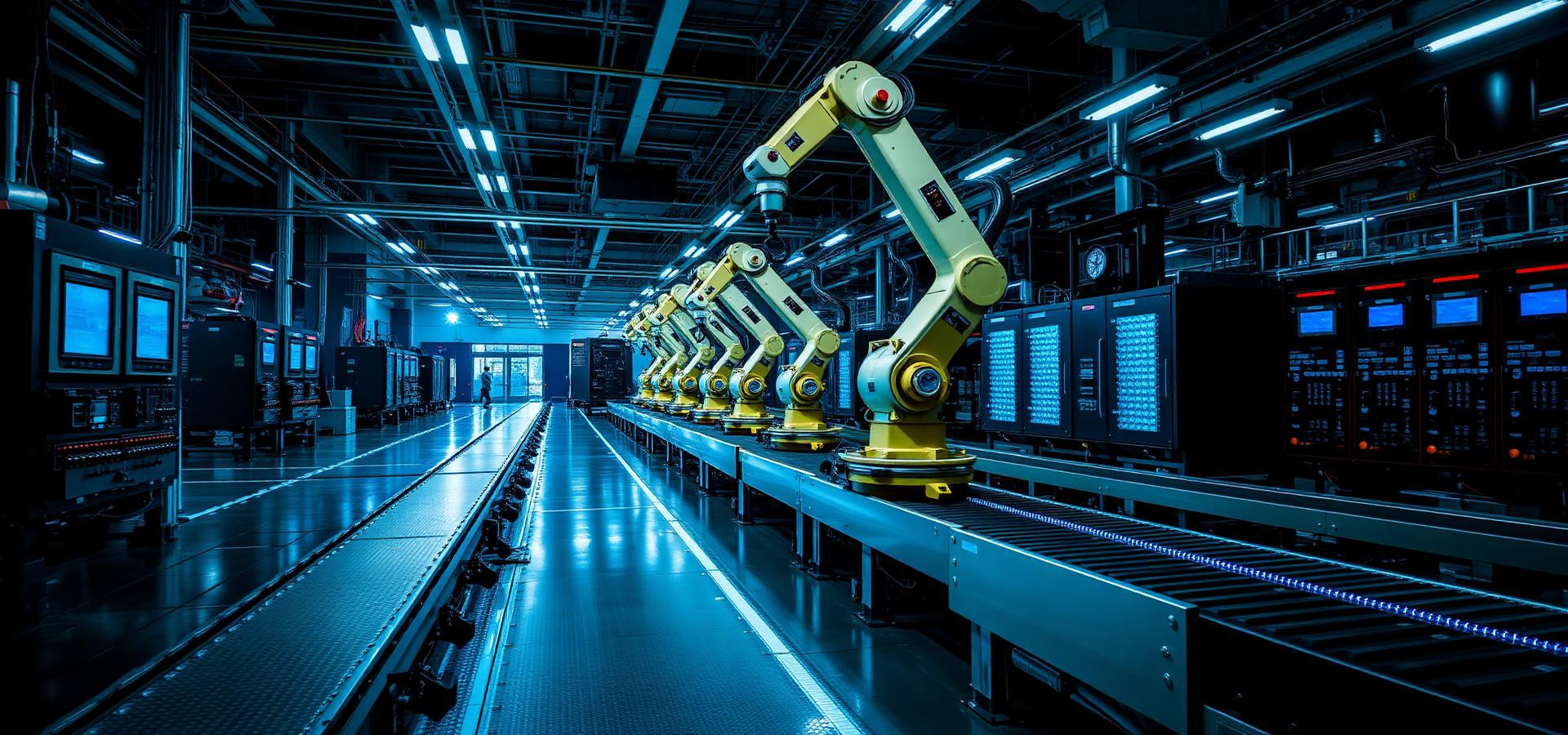
Selecting the Right Cables for Industrial Automation: A Comprehensive Guide
Selecting the appropriate cabling infrastructure is critical for the success of any industrial automation project. Improper cable selection often leads to signal degradation, system instability, and costly downtime. As an automation engineer, I frequently see projects compromised by poor cabling choices in harsh industrial environments. This guide simplifies the complex landscape of cabling to help you make informed decisions for your PLC, DCS, and control systems.