










Product Details
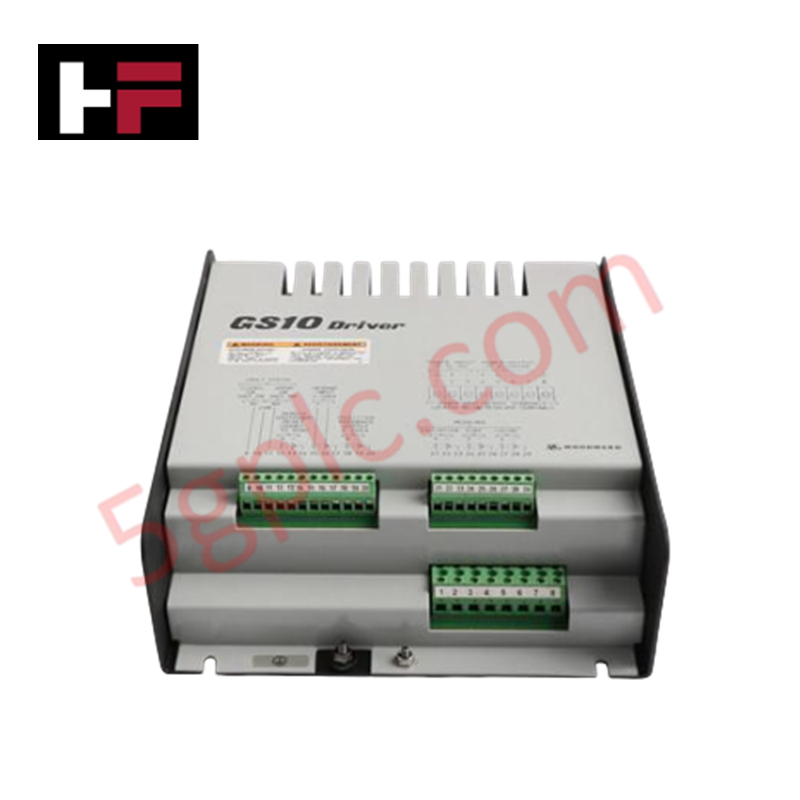
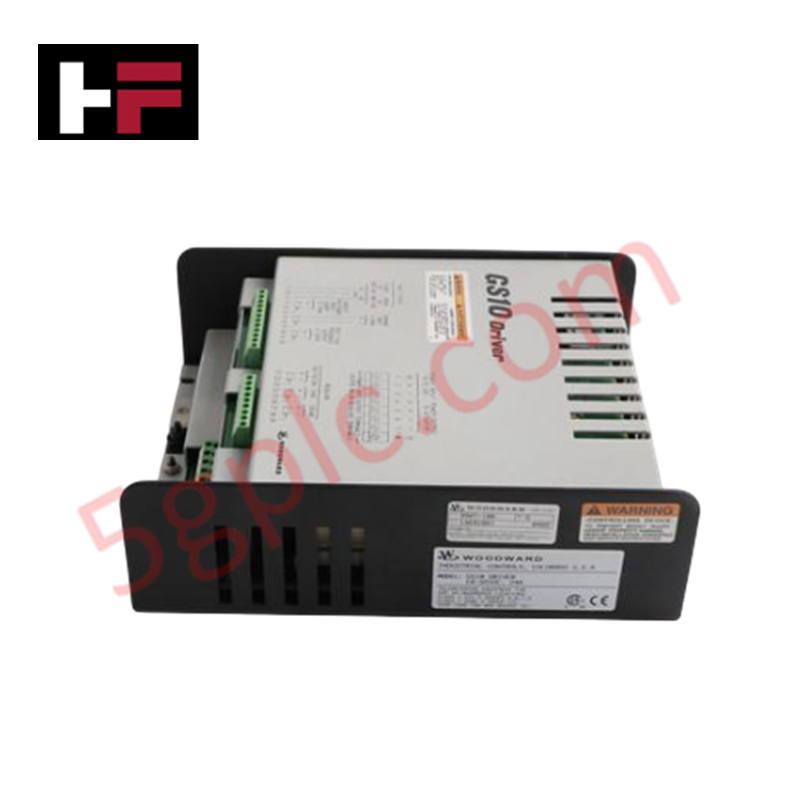
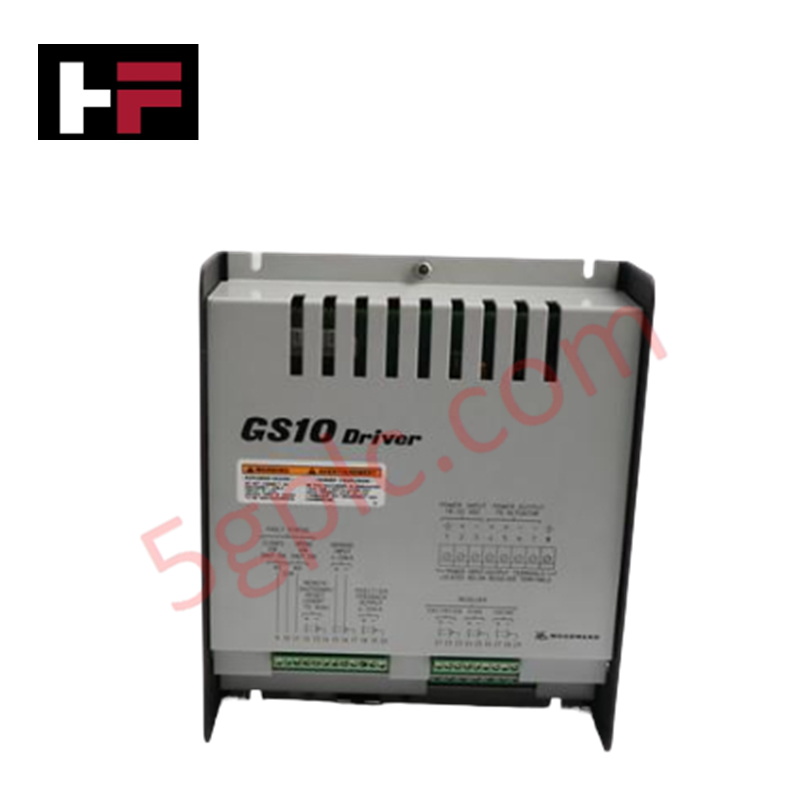
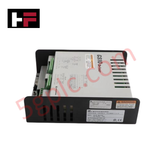
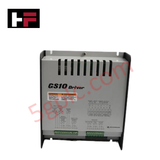
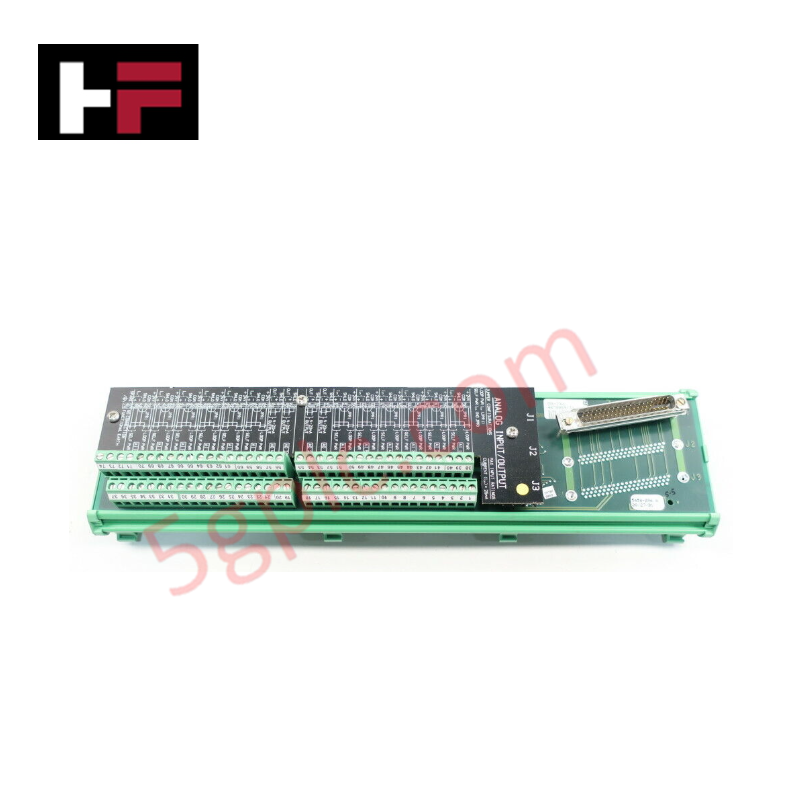
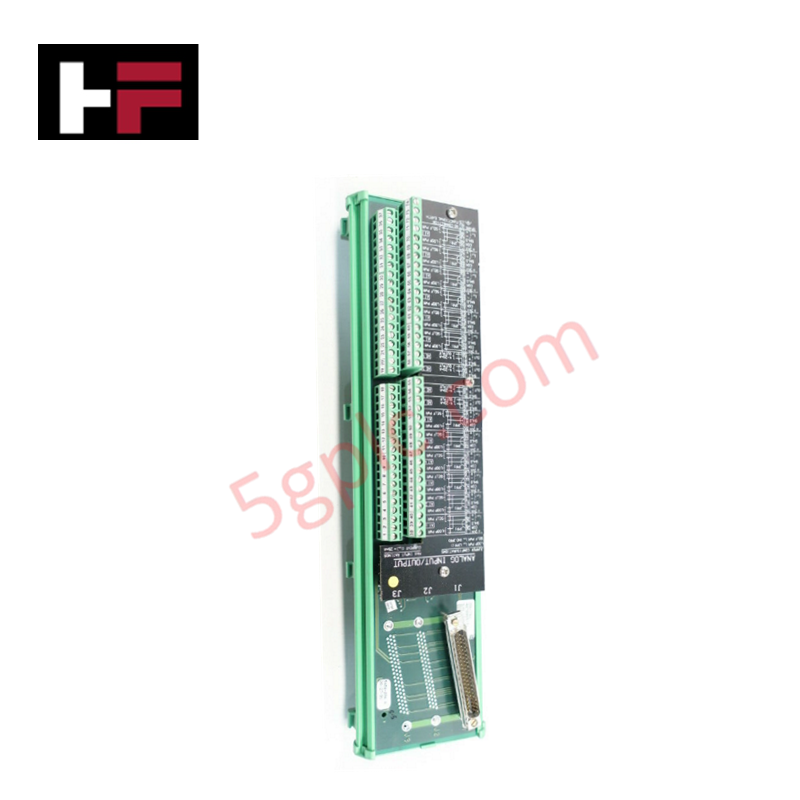
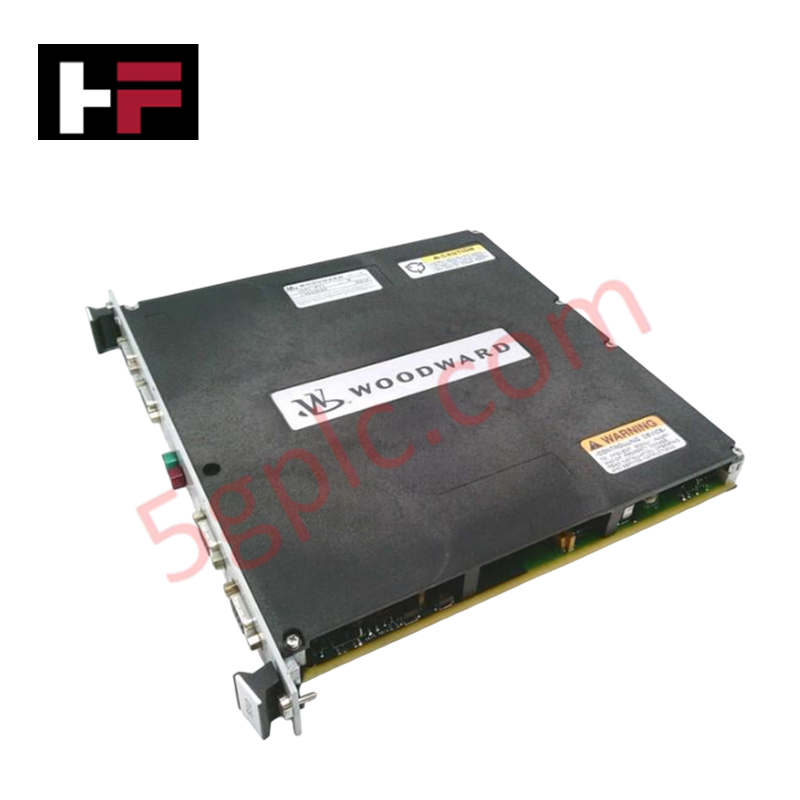
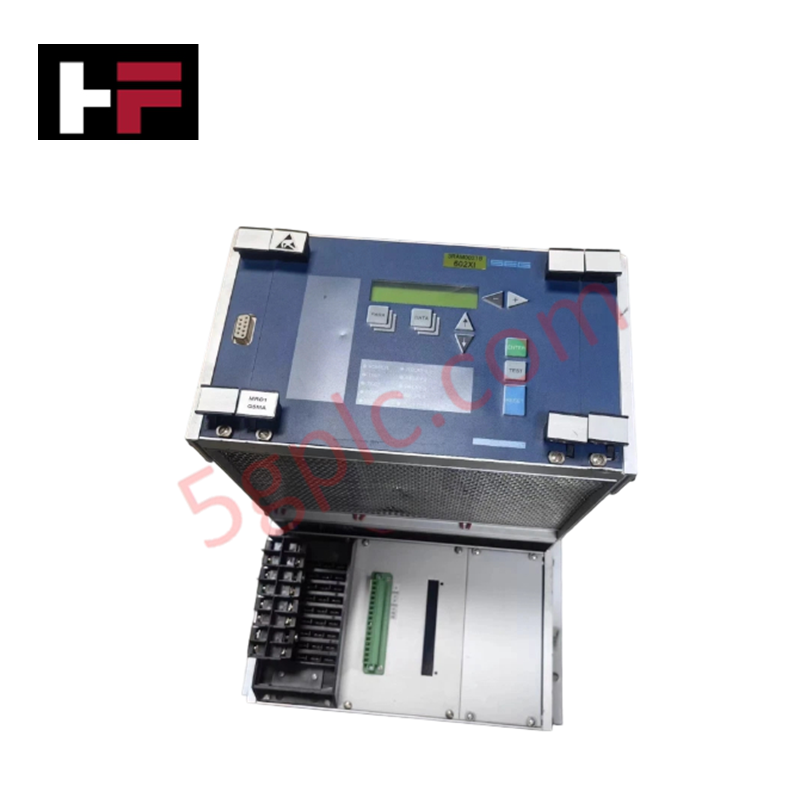
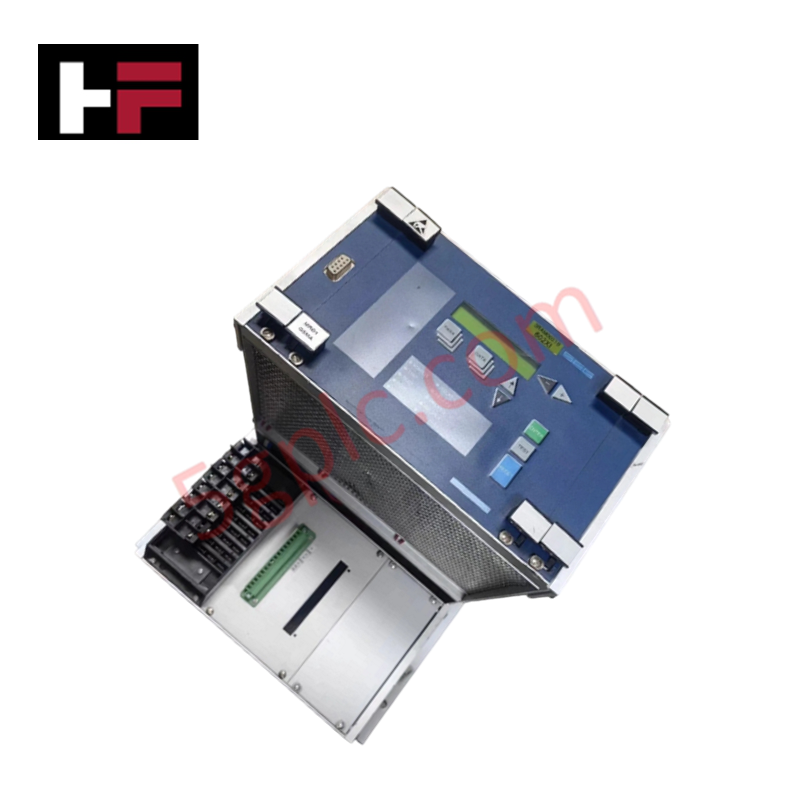
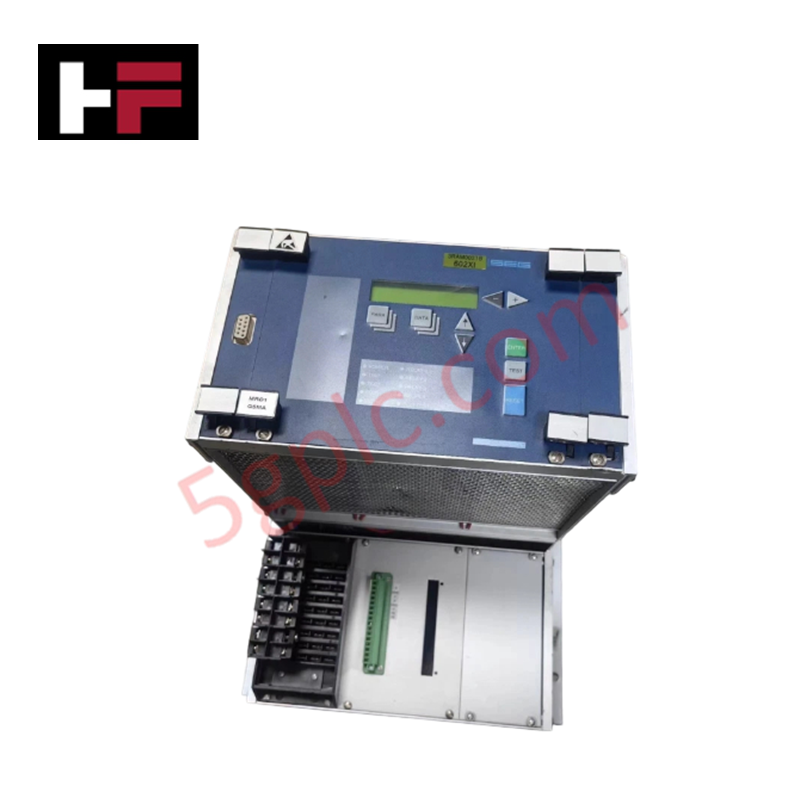
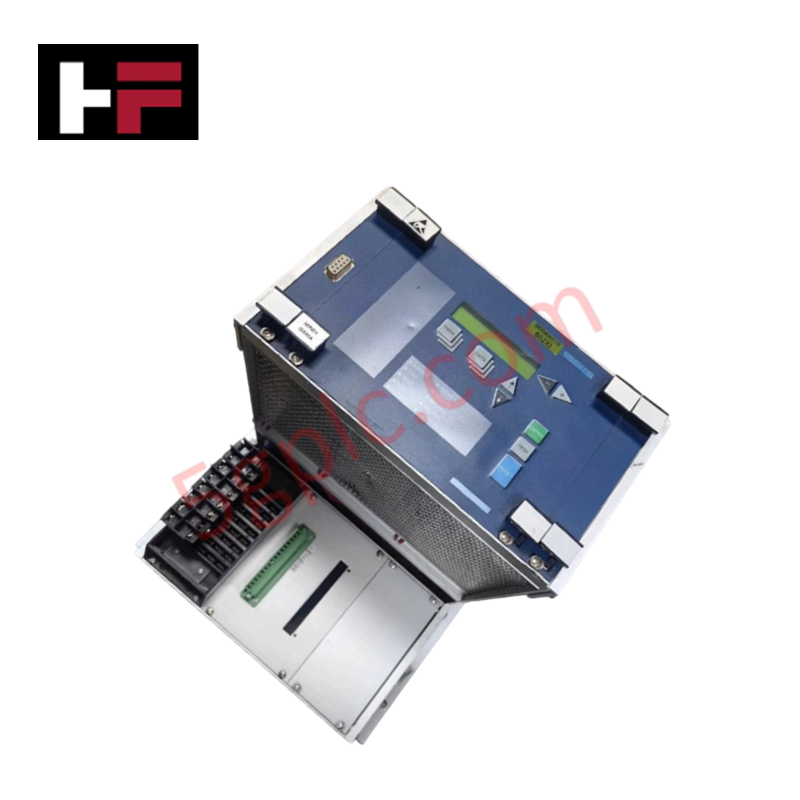
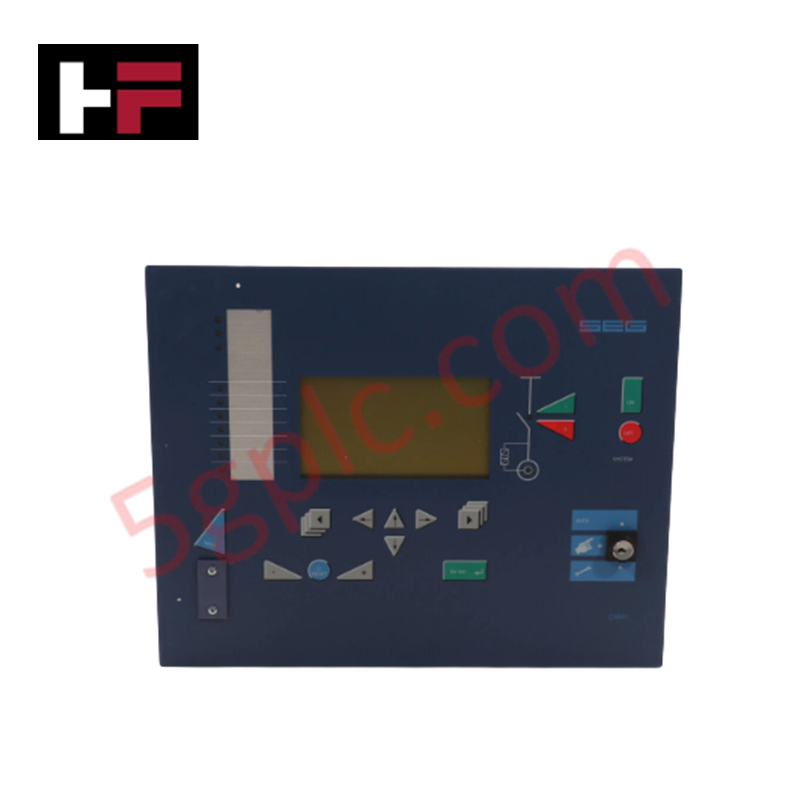
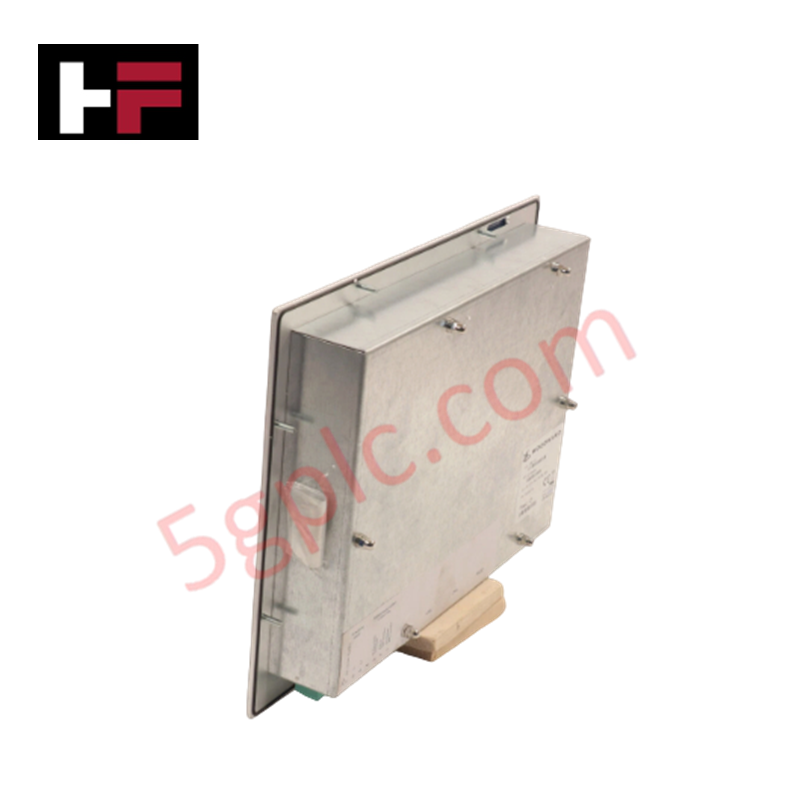
Configured for power management in generator control systems, the Woodward 9907-186 (GS10 Load Sharing Module) provides direct electrical execution of load distribution logic across parallel power generation units.
Hardware Specifications
| Parameter | Specification |
|---|---|
| Model | 9907-186 |
| Brand | Woodward |
| Origin | USA |
| Weight | 2.16 kg |
| Dimensions | 22.2 cm x 8 cm x 26.6 cm |
Actuator Loop Feedback Response and Load Management
The 9907-186 GS10 module modulates the actuator loop feedback response to ensure precise fuel control and load stabilization between paralleled generator sets. During operation, the module compares the active load sharing signal with the local bus frequency and voltage references. Corrective output is applied to the speed control governor to maintain proportional load distribution. Thermal management is necessary; ensure that the heat sink dissipation profiles are respected by maintaining adequate clearance around the module housing to prevent component overheating during sustained high-load conditions.
Frequently Asked Questions
Q: Does the 9907-186 support hot-swap capabilities while the generator is running?
A: No. The module is not designed for hot-swapping. Removal or installation must be performed while the control system is de-energized to prevent electrical arcing and potential damage to the backplane communication circuitry.
Q: How should the load sharing signal wiring be shielded to prevent interference?
A: Use twisted-shielded pair cabling for all load-share and speed-trim signals. The shield should be grounded at the control cabinet common point only to prevent ground loops that introduce voltage offsets into the control algorithm.
Field Installation Guidelines
- Mounting: Ensure the module is mounted vertically on a DIN rail or cabinet backplane to facilitate proper thermal convection.
- Wiring: Keep load-sharing signal wires separate from high-power AC output cables and motor control wiring to avoid electromagnetic interference (EMI).
- Connections: Verify that all terminal block screws are tightened to the specified torque. Loose connections can result in erratic load-sharing behavior and instability in the governor actuator signal.
- Grounding: Confirm that the module chassis is properly bonded to the control system earth ground to provide surge protection and signal stability.
Additional Information
- 100% Genuine Parts: All products are original and authentic, ensuring reliable industrial performance.
- 30-Day Refund Guarantee: Return any in-stock item within 30 days in original, unopened packaging for a full refund (excluding shipping and fees).
- 12-Month Warranty: Covers defects in materials or workmanship; excludes misuse, normal wear, or unauthorized modifications.
- Worldwide Shipping: We ship via USPS, UPS, FedEx, and DHL. Delivery times vary by country and may be subject to customs or import fees.
- Support & Contact: Technical and warranty assistance is available anytime. Contact us here: Contact.
- Purchase Guidance: Check product specifications and compatibility carefully before ordering to ensure proper application.
Tech & Buying Guide

Spatial Computing in Industrial Automation: Elevating PLC and DCS Operations with AR and VR
Industry 4.0 integrates digital intelligence into field operations, transforming factory automation landscapes worldwide. Spatial technologies—specifically Augmented Reality (AR) and Virtual Reality (VR)—redefine how engineers interact with industrial control systems. By bridging computer-generated CAD models with real-time operational technology (OT) data, immersive displays enable intuitive monitoring, rapid diagnostics, and safer maintenance across complex processing facilities.

Master Acceptance Testing: Understanding FAT and SAT in Industrial Control Systems
Factory Acceptance Testing (FAT) and Site Acceptance Testing (SAT) serve as critical quality assurance gateways in complex industrial control systems. Both procedures verify that programmable logic controllers (PLCs), distributed control systems (DCS), and associated field devices meet strict functional specifications. However, executing these tests effectively requires clear delineation between off-site staging and final field commissioning.

Industrial Networking Essentials: Demystifying Hubs, Switches, and Routers in Control Systems
Industrial automation relies heavily on robust networking infrastructure to connect programmable logic controllers (PLCs), distributed control systems (DCS), and human-machine interfaces (HMIs). Modern factory automation environments generate vast amounts of real-time operational data across deterministic networks. Understanding the structural differences between hubs, switches, and routers ensures optimal traffic segmentation, minimizes latency, and maintains high network availability.