










Product Details
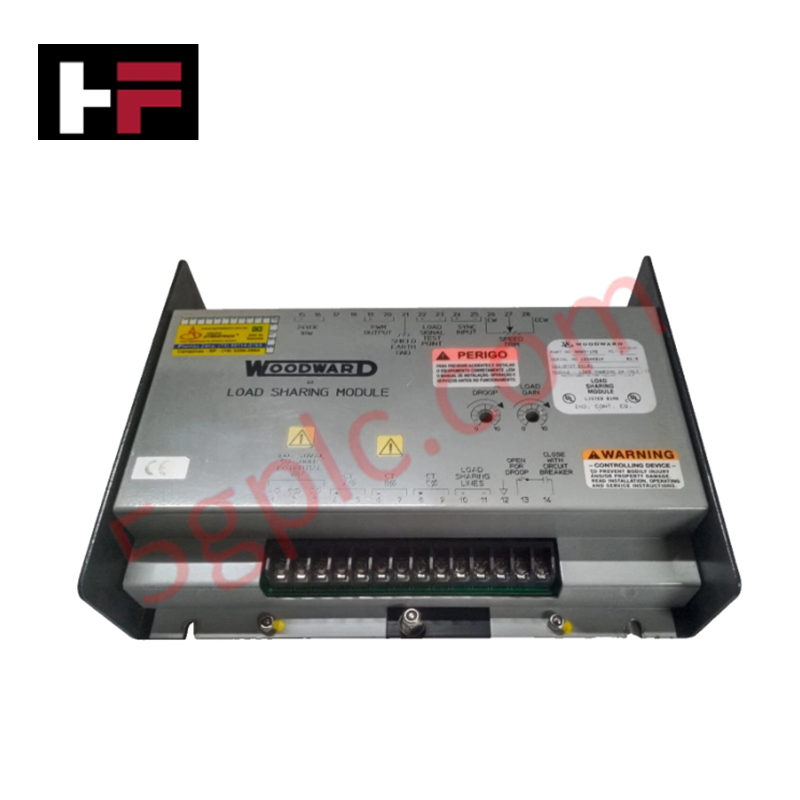
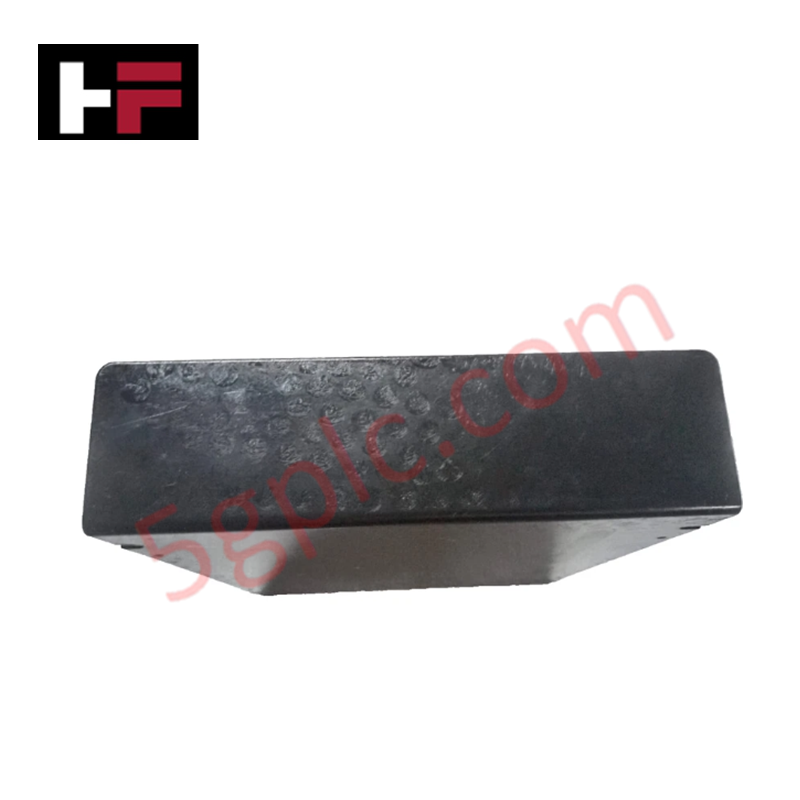
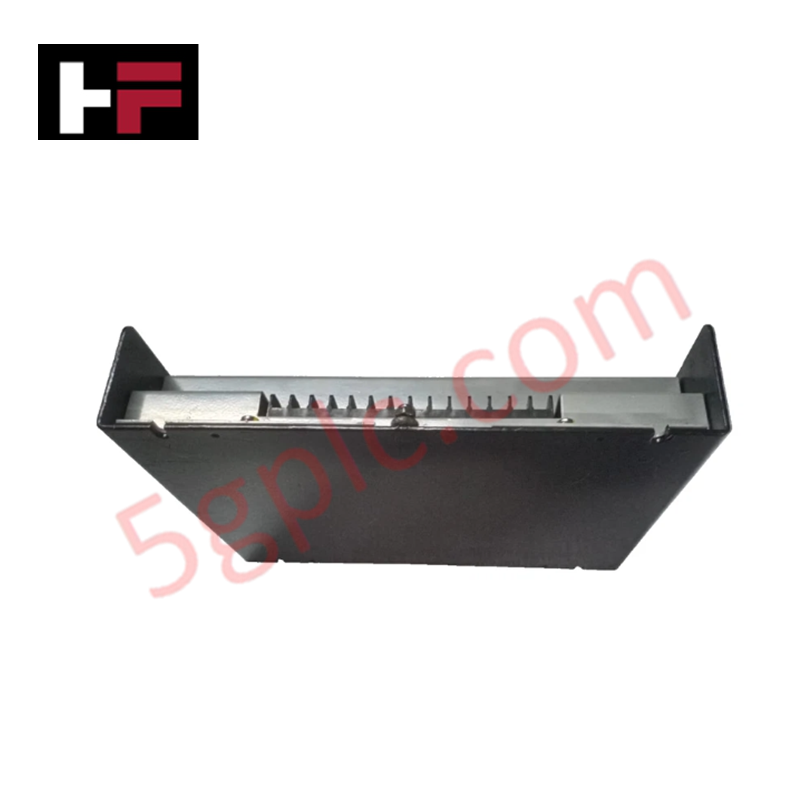
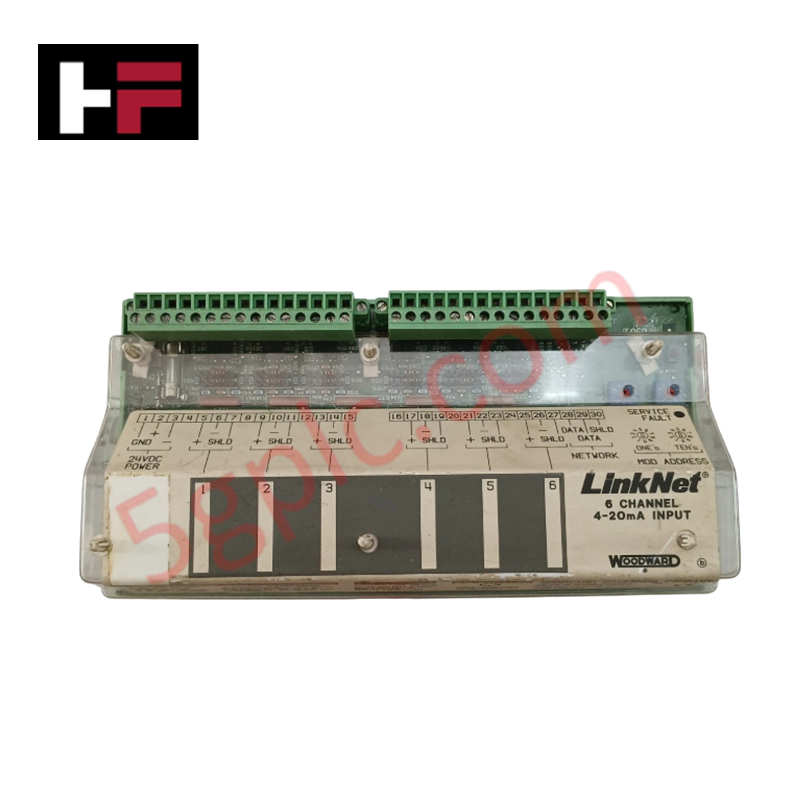
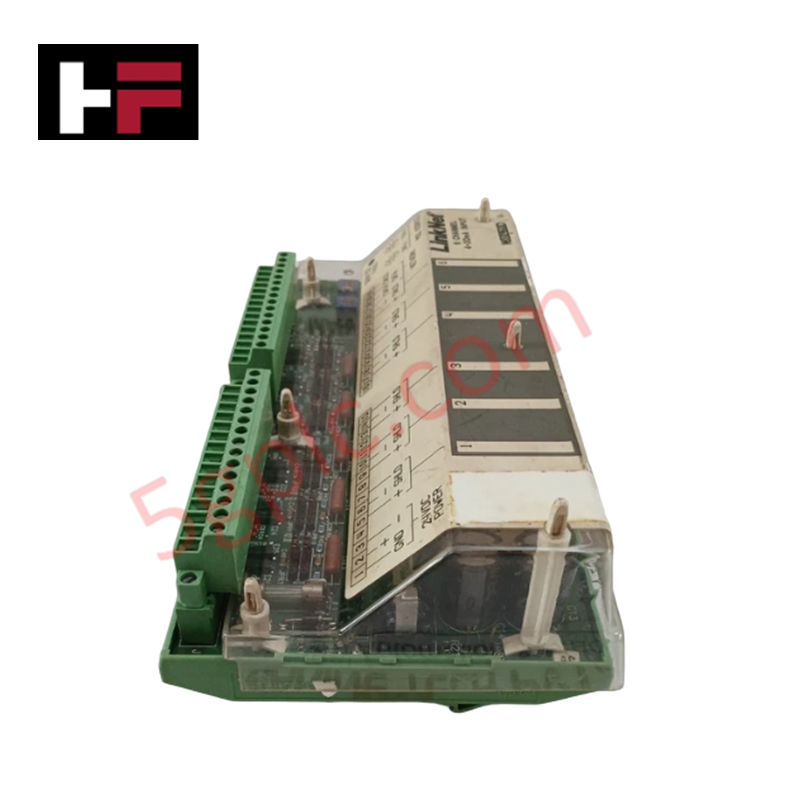
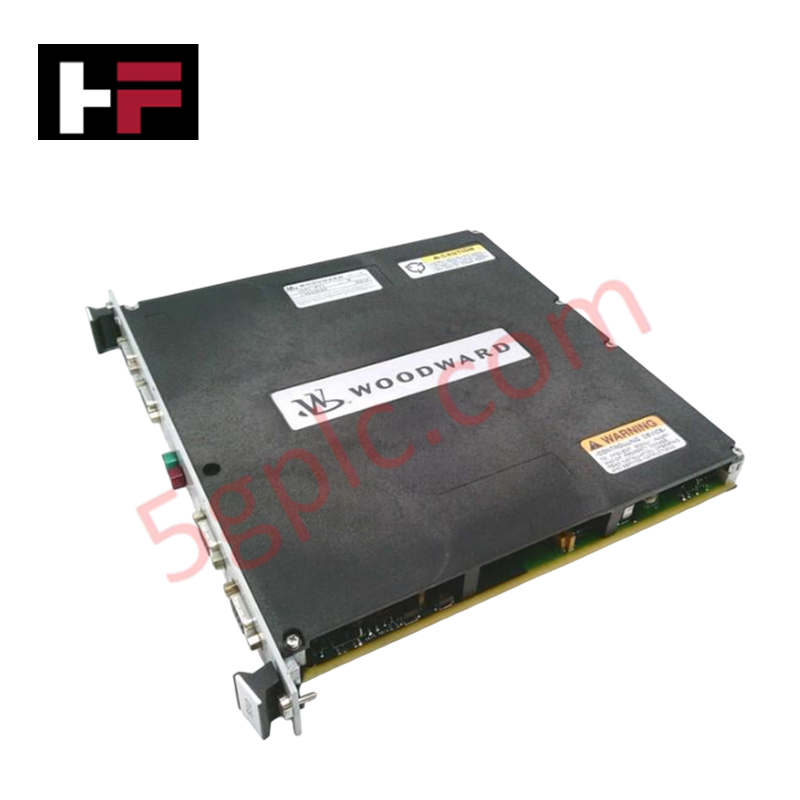
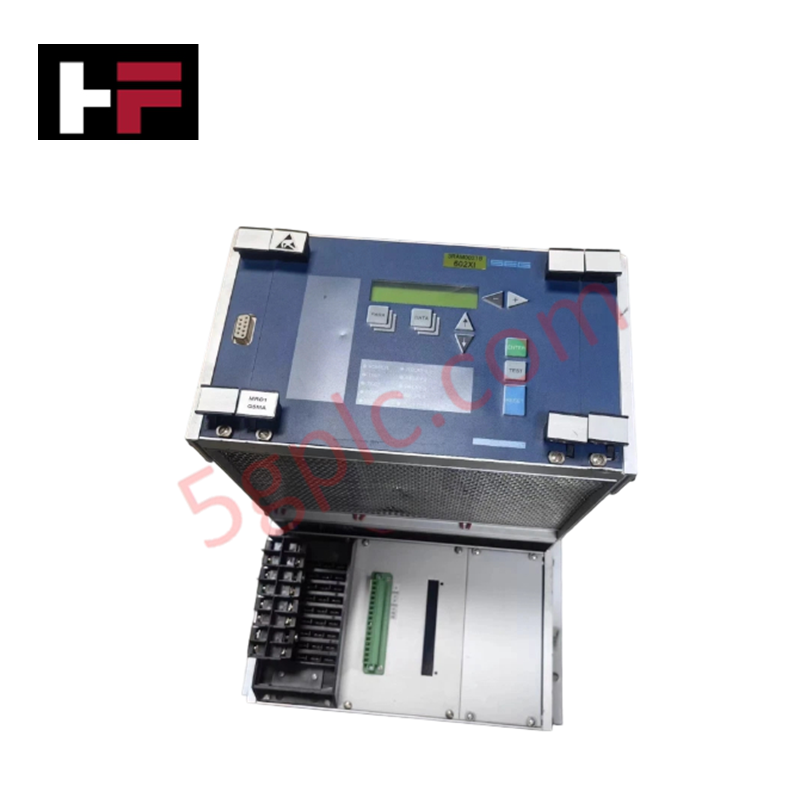
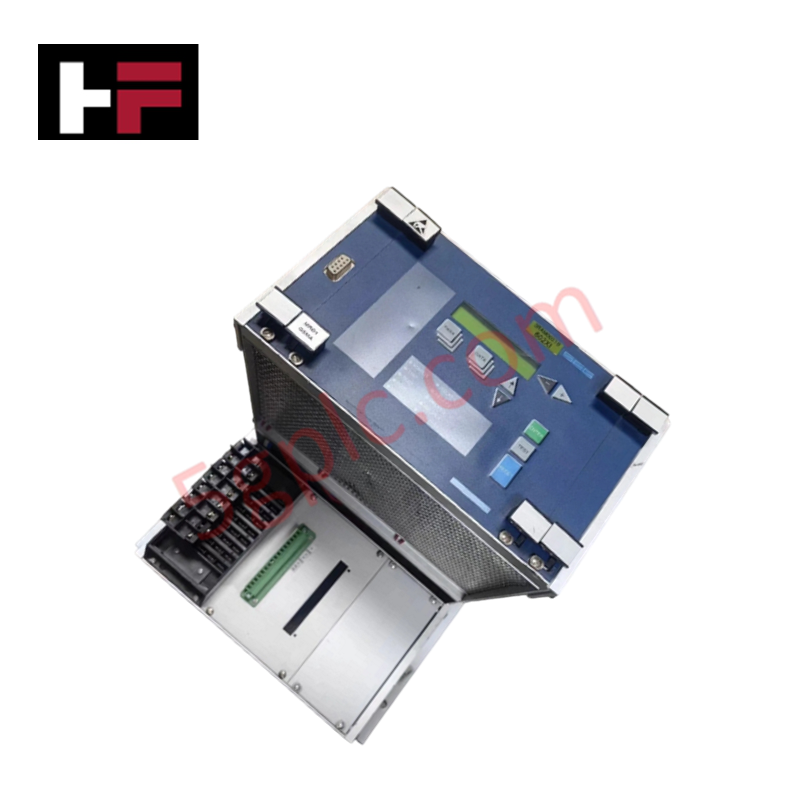
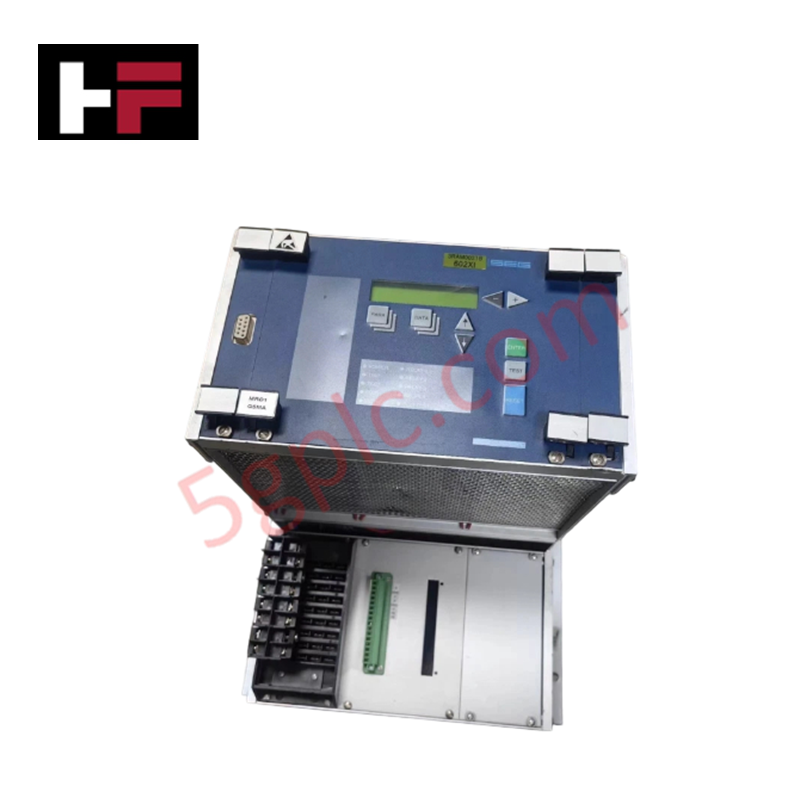
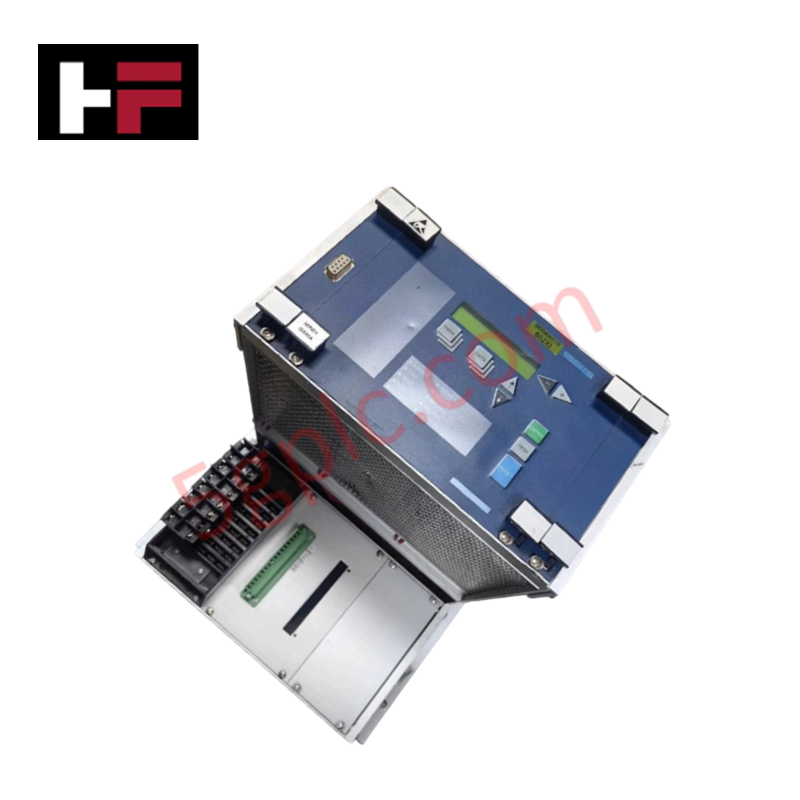
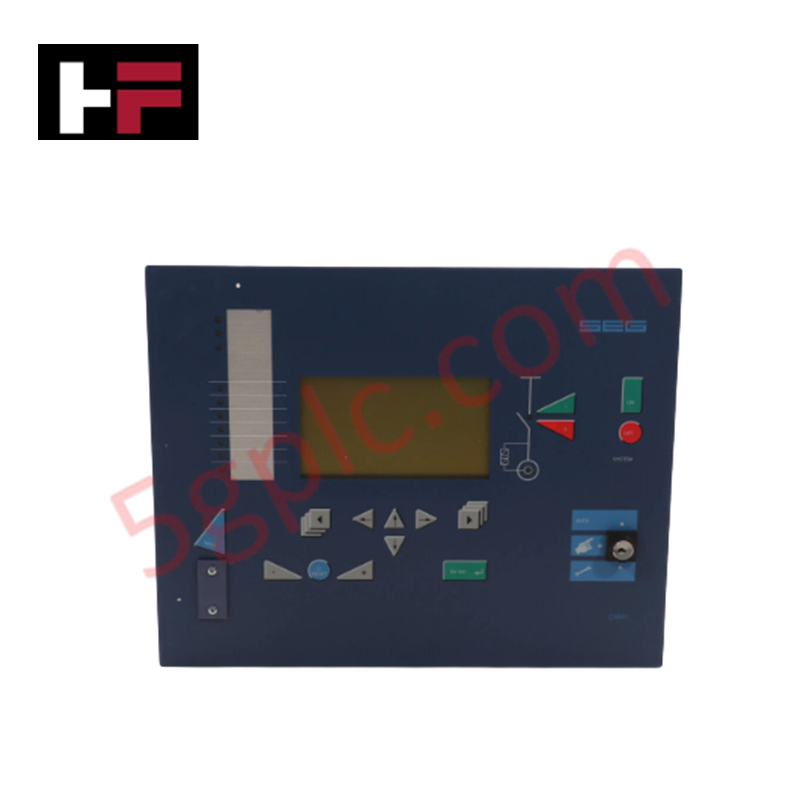
Configured for power management in generator control systems, the Woodward 9907-175 (Load Sharing Module) provides direct electrical execution of load distribution logic between paralleled power generation units and external speed controllers.
Hardware Specifications
| Parameter | Specification |
|---|---|
| Model | 9907-175 |
| Brand | Woodward |
| Weight | 4.08 lb |
| Dimensions | 273.6 mm x 214.1 mm x 59.2 mm |
| Operating Temp | -40 deg C to 70 deg C |
| Power Consumption | Approximately 5 W |
| Input Voltage | 18 to 32 VDC |
| PT Input Burden | 1.5 - 1.7 VA (240 VAC) / 0.4 - 0.5 VA (120 VAC) |
Actuator Loop Feedback Response and Load Management
The 9907-175 module modulates actuator loop feedback response by processing three-phase potential transformer (PT) inputs to ensure stable load sharing across parallel-connected generators. The unit is engineered to interface with Caterpillar speed controllers via 0-5 VDC speed signal references, ensuring precise frequency and load matching. Integrated protective measures include under-voltage detection, overvoltage clamping above 80 VDC, and reverse voltage protection down to -32 VDC. Thermal dissipation must be managed by ensuring adequate airflow in the control cabinet; the module is rated for Category III environments with Pollution Degree 2, requiring installation away from high humidity or excessive dust accumulation.
Frequently Asked Questions
Q: Is the 9907-175 compatible with Woodward SPM-A synchronizers?
A: Yes. The synchronization input circuitry on the 9907-175 is specifically designed to be compatible with Woodward SPM-A series synchronizers for seamless integration into multi-unit power generation arrays.
Q: What are the primary electrical protection limits for the PT inputs?
A: The three-phase PT inputs are designed for line-to-line operation at 100 to 240 VAC. Exceeding these voltage levels or operating outside the specified burden ranges can result in signal inaccuracies or internal damage to the sensing transformers.
Field Installation Guidelines
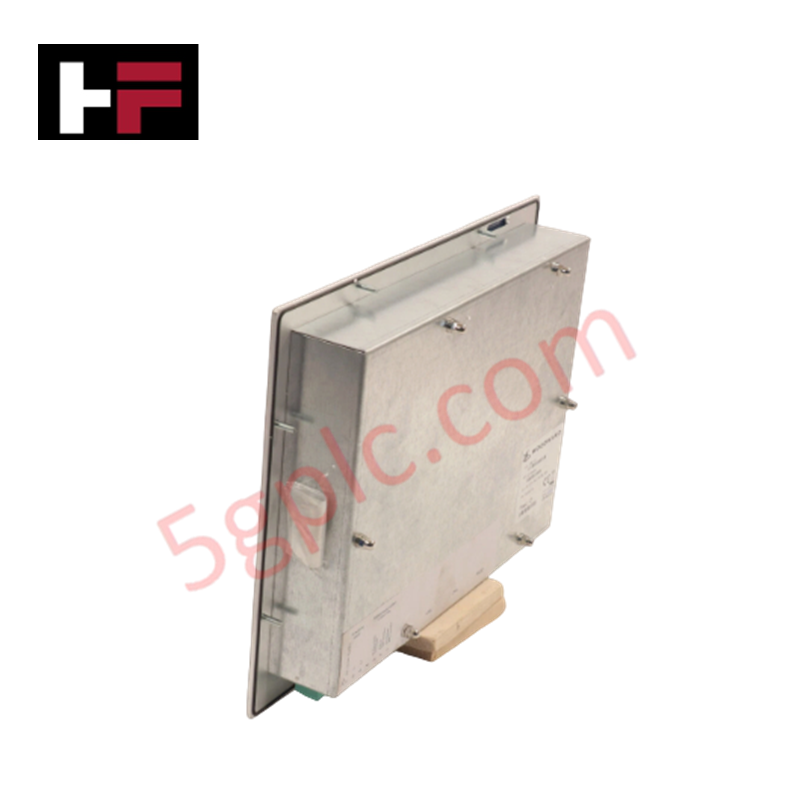
- Mounting: Secure the module using the four corner mounting points on a flat, vibration-dampened surface. Ensure the beige chassis is grounded to the control cabinet common bus to prevent electromagnetic interference.
- Wiring: Utilize shielded twisted-pair cables for all low-voltage control signals, including the 0-5 VDC speed reference. Keep these lines physically isolated from high-power AC output cabling.
- PT Connections: Verify phase sequence and voltage levels at the PT inputs before energizing. Improper phase connections will lead to unstable load sharing and potential governor instability.
- Environment: Avoid installation locations prone to condensation or high dust concentrations, as the module's ingress protection is limited. Ensure the operating ambient temperature remains within -40 deg C to 70 deg C.
Additional Information
- 100% Genuine Parts: All products are original and authentic, ensuring reliable industrial performance.
- 30-Day Refund Guarantee: Return any in-stock item within 30 days in original, unopened packaging for a full refund (excluding shipping and fees).
- 12-Month Warranty: Covers defects in materials or workmanship; excludes misuse, normal wear, or unauthorized modifications.
- Worldwide Shipping: We ship via USPS, UPS, FedEx, and DHL. Delivery times vary by country and may be subject to customs or import fees.
- Support & Contact: Technical and warranty assistance is available anytime. Contact us here: Contact.
- Purchase Guidance: Check product specifications and compatibility carefully before ordering to ensure proper application.
Tech & Buying Guide

Spatial Computing in Industrial Automation: Elevating PLC and DCS Operations with AR and VR
Industry 4.0 integrates digital intelligence into field operations, transforming factory automation landscapes worldwide. Spatial technologies—specifically Augmented Reality (AR) and Virtual Reality (VR)—redefine how engineers interact with industrial control systems. By bridging computer-generated CAD models with real-time operational technology (OT) data, immersive displays enable intuitive monitoring, rapid diagnostics, and safer maintenance across complex processing facilities.

Master Acceptance Testing: Understanding FAT and SAT in Industrial Control Systems
Factory Acceptance Testing (FAT) and Site Acceptance Testing (SAT) serve as critical quality assurance gateways in complex industrial control systems. Both procedures verify that programmable logic controllers (PLCs), distributed control systems (DCS), and associated field devices meet strict functional specifications. However, executing these tests effectively requires clear delineation between off-site staging and final field commissioning.

Industrial Networking Essentials: Demystifying Hubs, Switches, and Routers in Control Systems
Industrial automation relies heavily on robust networking infrastructure to connect programmable logic controllers (PLCs), distributed control systems (DCS), and human-machine interfaces (HMIs). Modern factory automation environments generate vast amounts of real-time operational data across deterministic networks. Understanding the structural differences between hubs, switches, and routers ensures optimal traffic segmentation, minimizes latency, and maintains high network availability.