










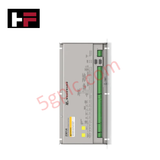
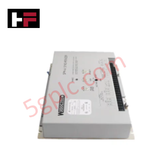
Product Details
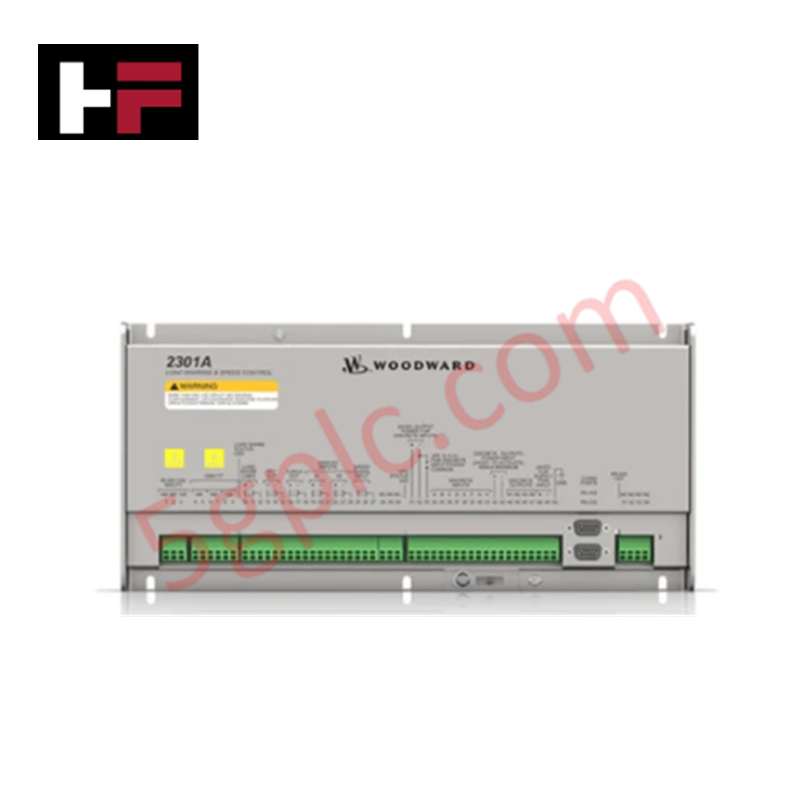
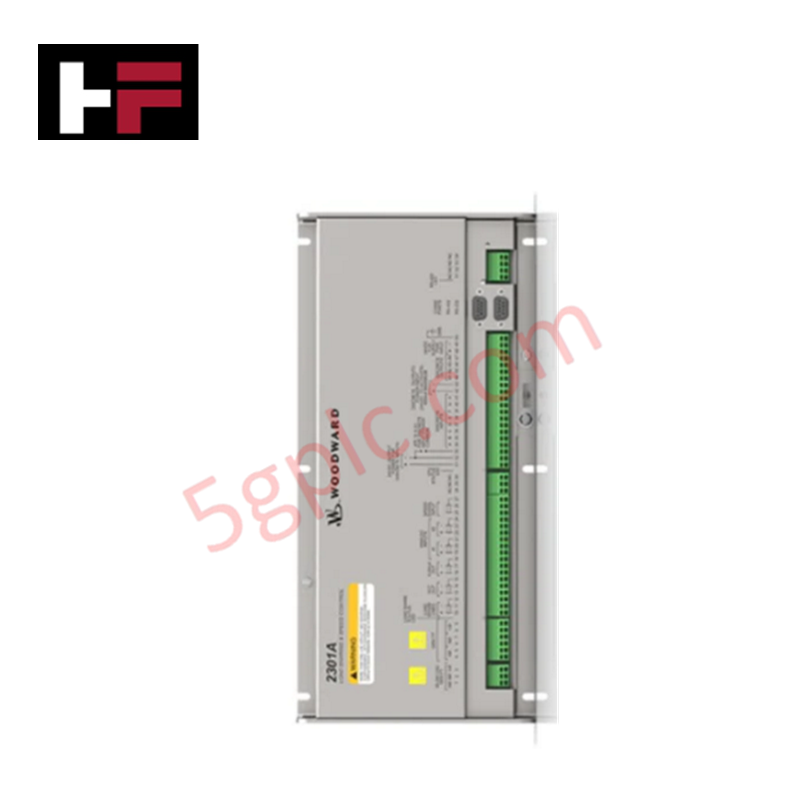
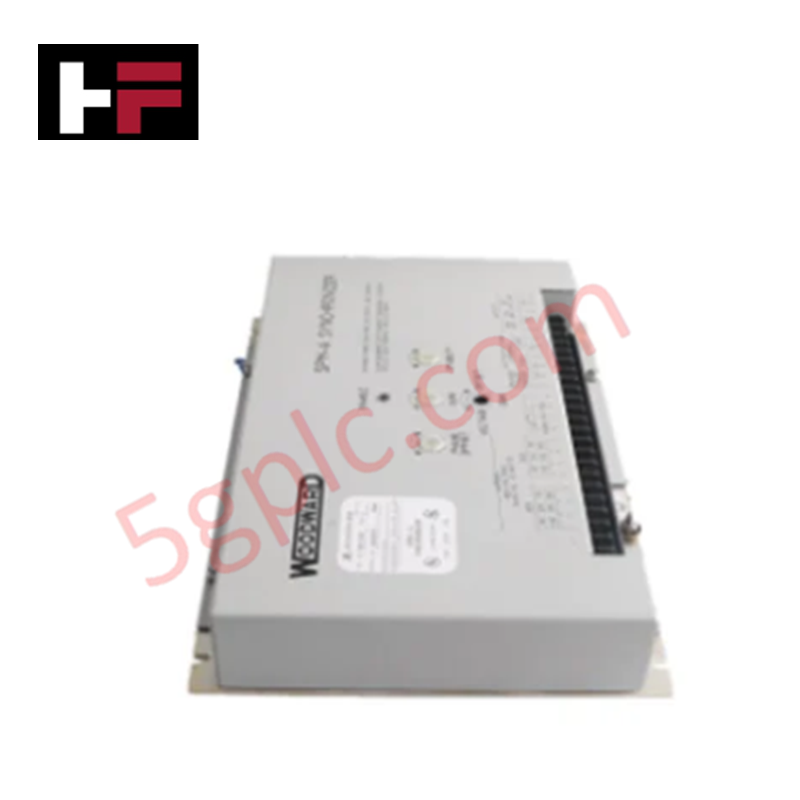
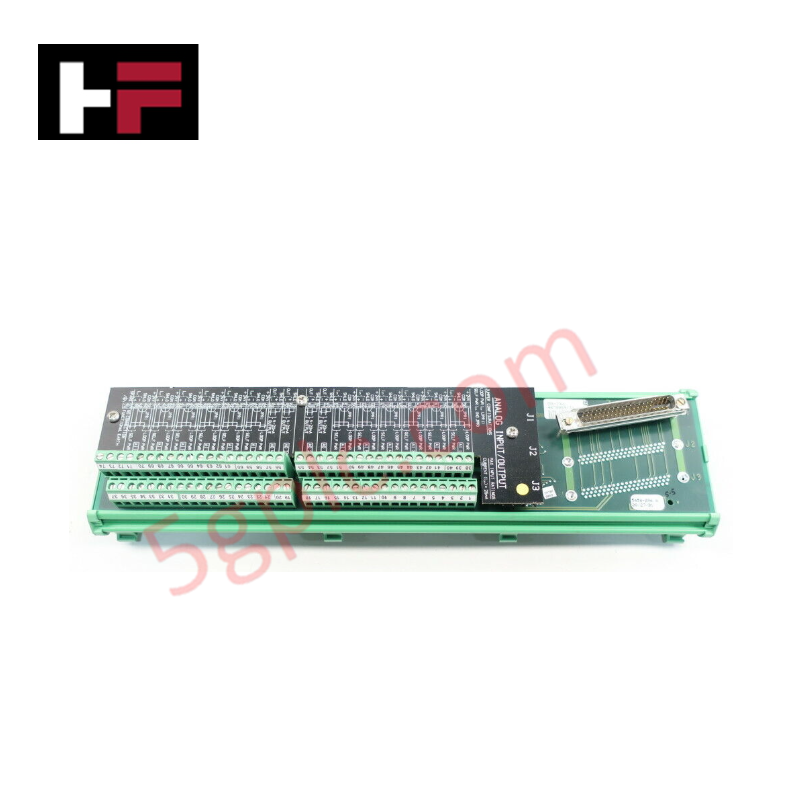
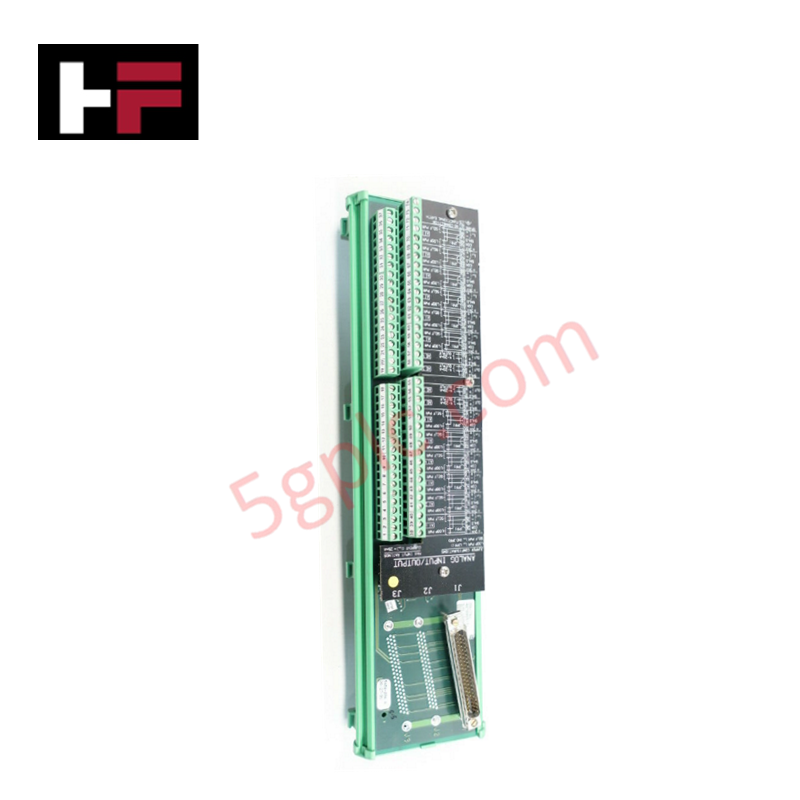
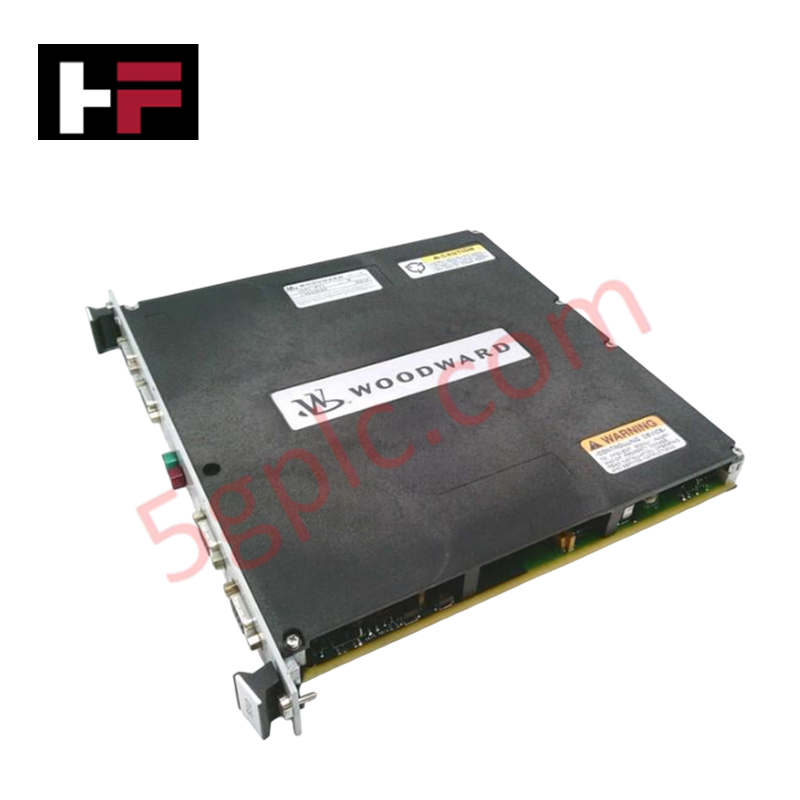
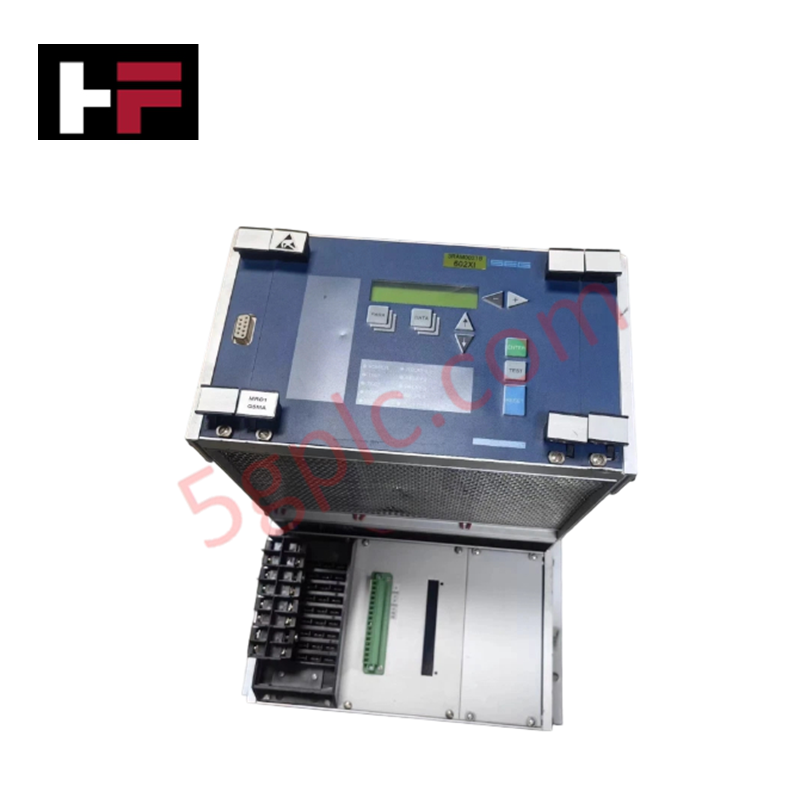
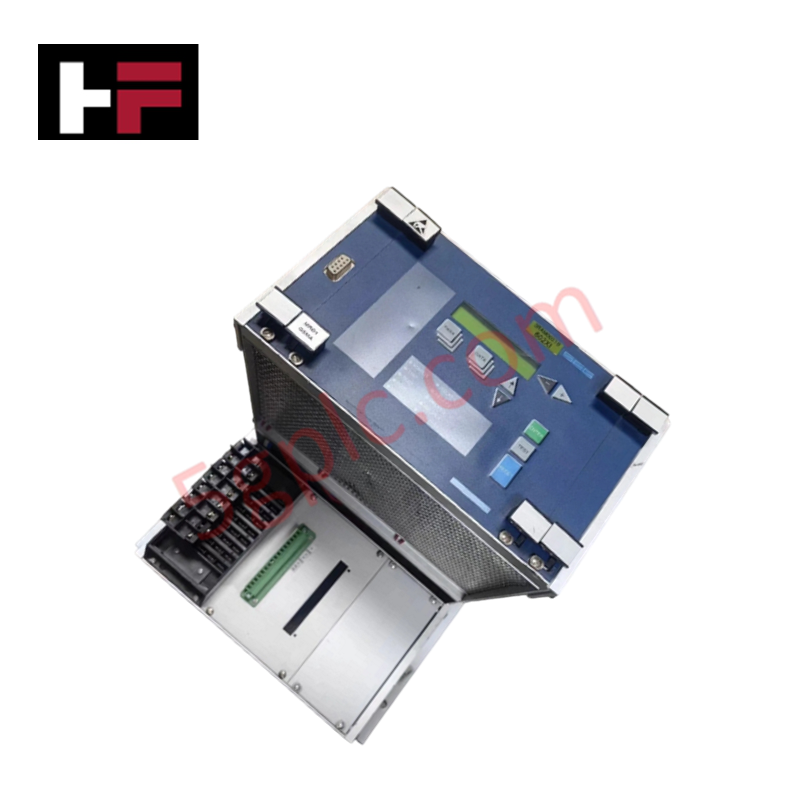
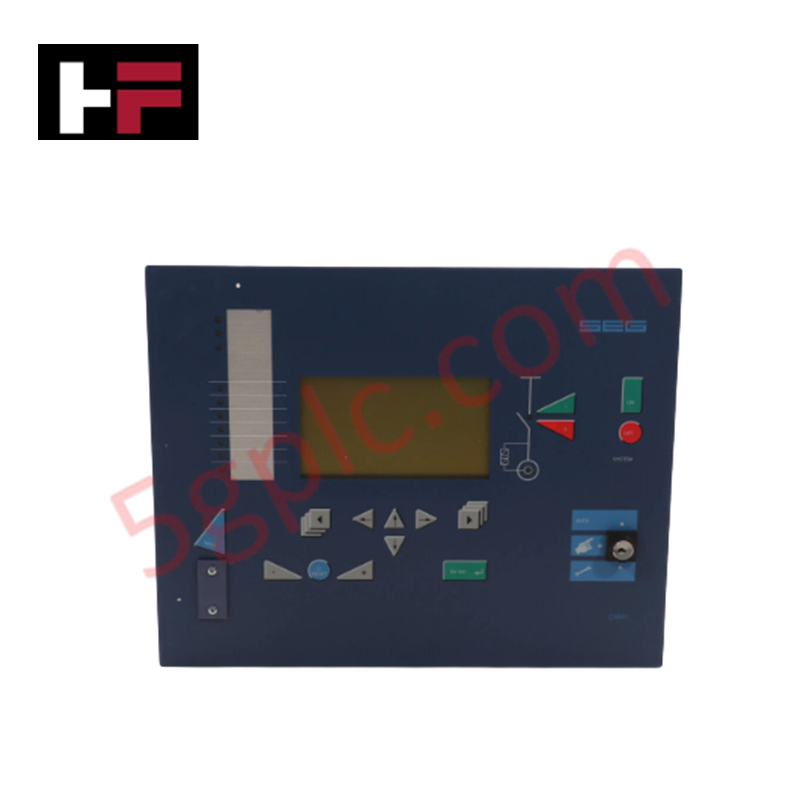
Configured for multi-unit generator synchronization in governor control platforms, the Woodward 9907-023 (9907-023 Load Sharing and Speed Control) provides direct physical/electrical execution of fuel actuator positioning based on load demand and rotational speed feedback.
Hardware Specifications
| Parameter | Specification |
|---|---|
| Model | 9907-023 |
| Brand | Woodward |
| Origin | Not specified |
| Weight | 3.875 lbs |
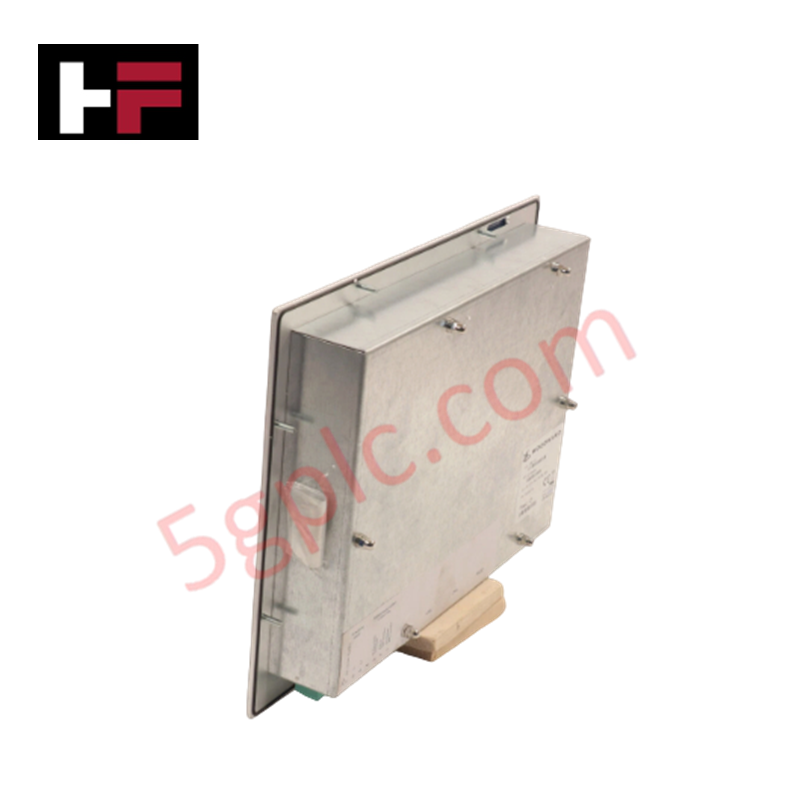
| Dimensions | 15.25 x 7.125 x 2.5 inches |
| Operating Temp | -40 to 85 deg C |
| Power Consumption | Not specified |
| Rated Speed Adjustment | 11,450 Hz |
Actuator Loop Feedback Response
The 9907-023 LSSC maintains precision regulation of the prime mover by adjusting fuel flow proportional to the load-sharing demand. The control architecture enables either isochronous or droop speed control modes, allowing for seamless integration into multi-unit electrical generator systems. The internal circuitry is optimized to provide a stable actuator loop feedback response, minimizing transient oscillations during load shifts. Furthermore, the unit incorporates specific signal processing to facilitate start fuel limiting and maintains immunity against electromagnetic interference (EMI) and radio frequency interference (RFI), ensuring that the actuator drive signal remains free of noise-induced instability.
Frequently Asked Questions
Q: Can the 9907-023 be configured for both isochronous and droop speed control?
A: Yes, the unit allows for selection between isochronous and droop speed control modes based on application requirements. Users must configure the specific operating mode to match the parallel unit synchronization strategy of the electrical system.
Q: How is the speed range configured for different engine types?
A: The control features four switch-selectable speed ranges. These switches must be set to correspond with the MPU or proximity probe signal frequency ranges expected from the monitored prime mover to ensure accurate speed tracking.
Field Installation Guidelines
- Mounting: Secure the LSSC console in a control cabinet ensuring the 15.25 x 7.125 x 2.5 inch dimensions are accounted for within the panel cutout. Ensure sufficient clearance for heat dissipation to maintain the operating temperature below 85 deg C.
- Signal Wiring: Connect the speed sensor input and the actuator output using shielded cable. Route all signal cables away from high-current AC lines or motor power cabling to prevent induced noise which could degrade actuator loop feedback response.
- Grounding: Terminate cable shields at the designated chassis grounding terminal to maintain RFI/EMI resistance. Ensure the console housing is bonded to a low-impedance earth ground to satisfy EMC shielding requirements.
- Validation: During initial startup, verify that the fuel actuator output responds proportionally to speed fluctuations. Use the switch-selectable ranges to calibrate the module to the engine's specific idle and full-load frequency characteristics before finalizing grid synchronization.
Additional Information
- 100% Genuine Parts: All products are original and authentic, ensuring reliable industrial performance.
- 30-Day Refund Guarantee: Return any in-stock item within 30 days in original, unopened packaging for a full refund (excluding shipping and fees).
- 12-Month Warranty: Covers defects in materials or workmanship; excludes misuse, normal wear, or unauthorized modifications.
- Worldwide Shipping: We ship via USPS, UPS, FedEx, and DHL. Delivery times vary by country and may be subject to customs or import fees.
- Support & Contact: Technical and warranty assistance is available anytime. Contact us here: Contact.
- Purchase Guidance: Check product specifications and compatibility carefully before ordering to ensure proper application.
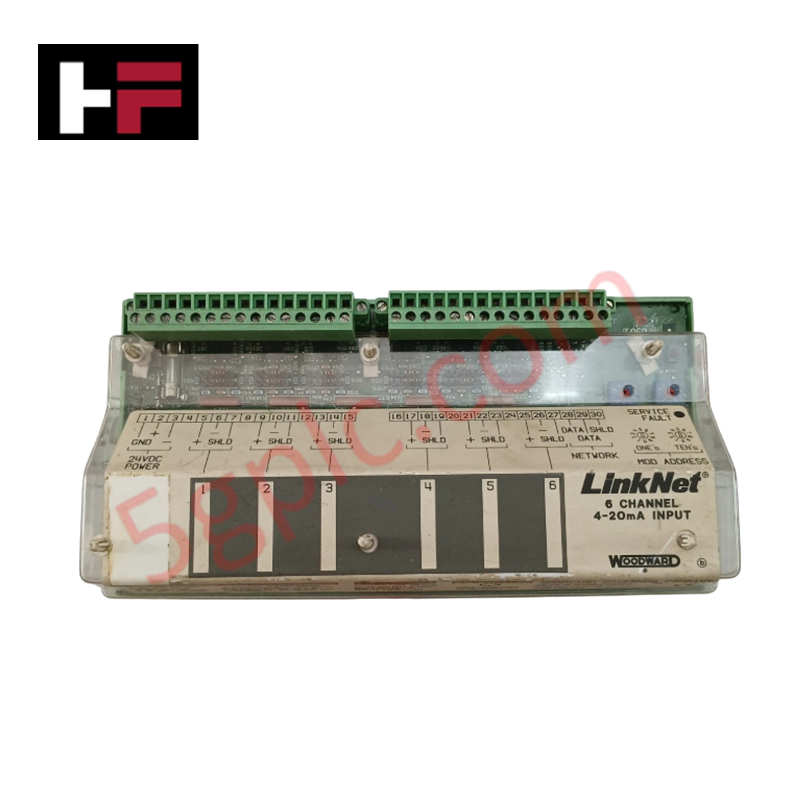
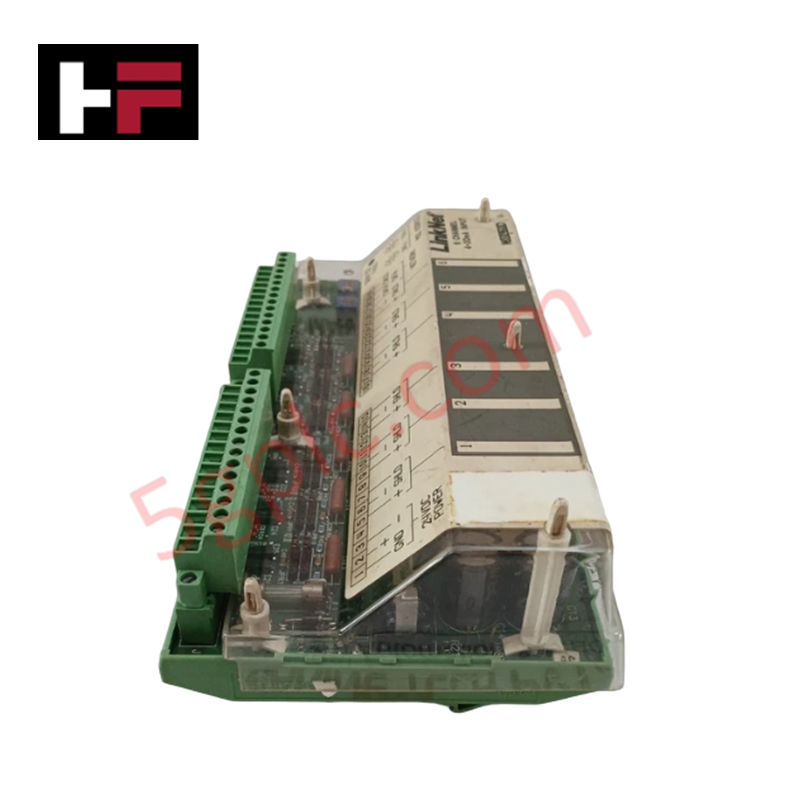
Tech & Buying Guide

Spatial Computing in Industrial Automation: Elevating PLC and DCS Operations with AR and VR
Industry 4.0 integrates digital intelligence into field operations, transforming factory automation landscapes worldwide. Spatial technologies—specifically Augmented Reality (AR) and Virtual Reality (VR)—redefine how engineers interact with industrial control systems. By bridging computer-generated CAD models with real-time operational technology (OT) data, immersive displays enable intuitive monitoring, rapid diagnostics, and safer maintenance across complex processing facilities.

Master Acceptance Testing: Understanding FAT and SAT in Industrial Control Systems
Factory Acceptance Testing (FAT) and Site Acceptance Testing (SAT) serve as critical quality assurance gateways in complex industrial control systems. Both procedures verify that programmable logic controllers (PLCs), distributed control systems (DCS), and associated field devices meet strict functional specifications. However, executing these tests effectively requires clear delineation between off-site staging and final field commissioning.

Industrial Networking Essentials: Demystifying Hubs, Switches, and Routers in Control Systems
Industrial automation relies heavily on robust networking infrastructure to connect programmable logic controllers (PLCs), distributed control systems (DCS), and human-machine interfaces (HMIs). Modern factory automation environments generate vast amounts of real-time operational data across deterministic networks. Understanding the structural differences between hubs, switches, and routers ensures optimal traffic segmentation, minimizes latency, and maintains high network availability.