










Product Details
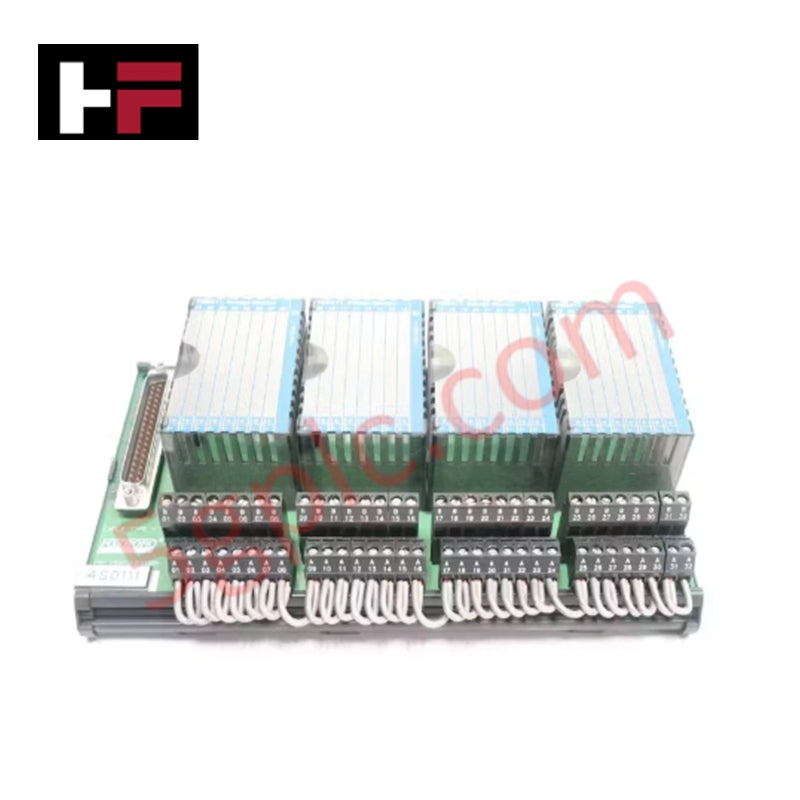
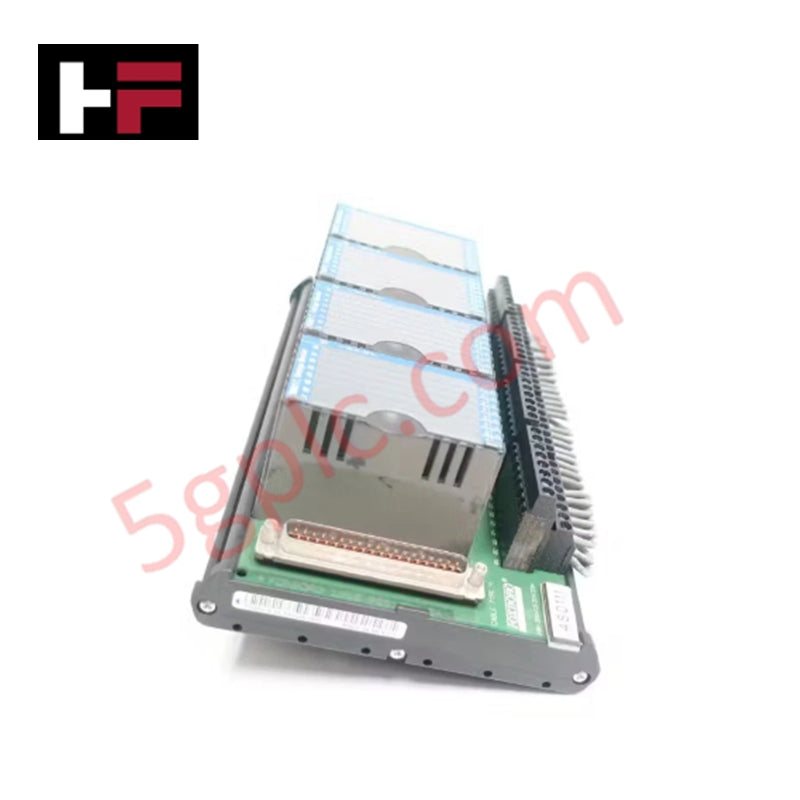
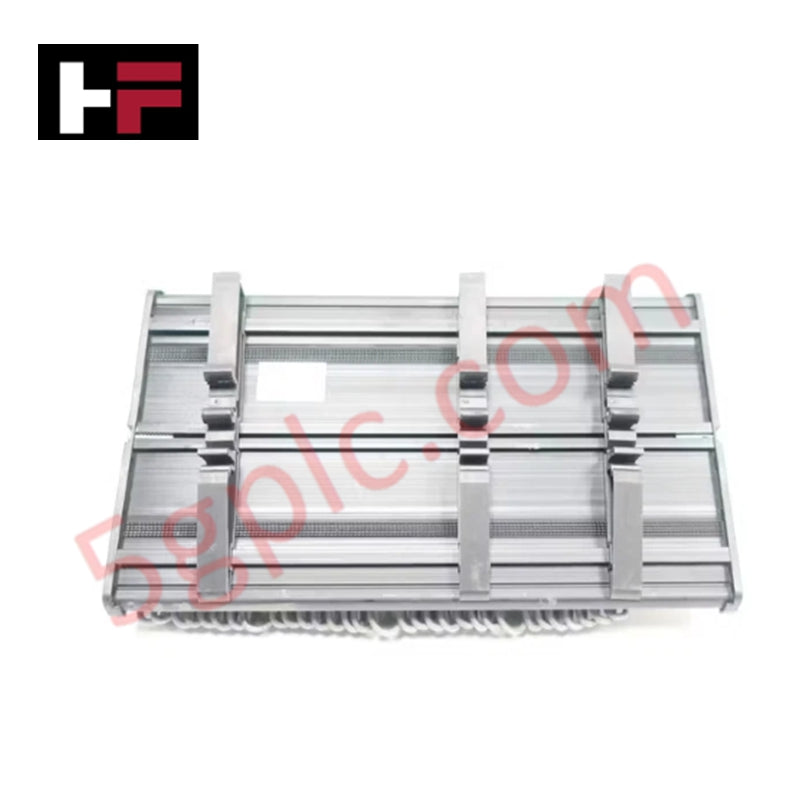
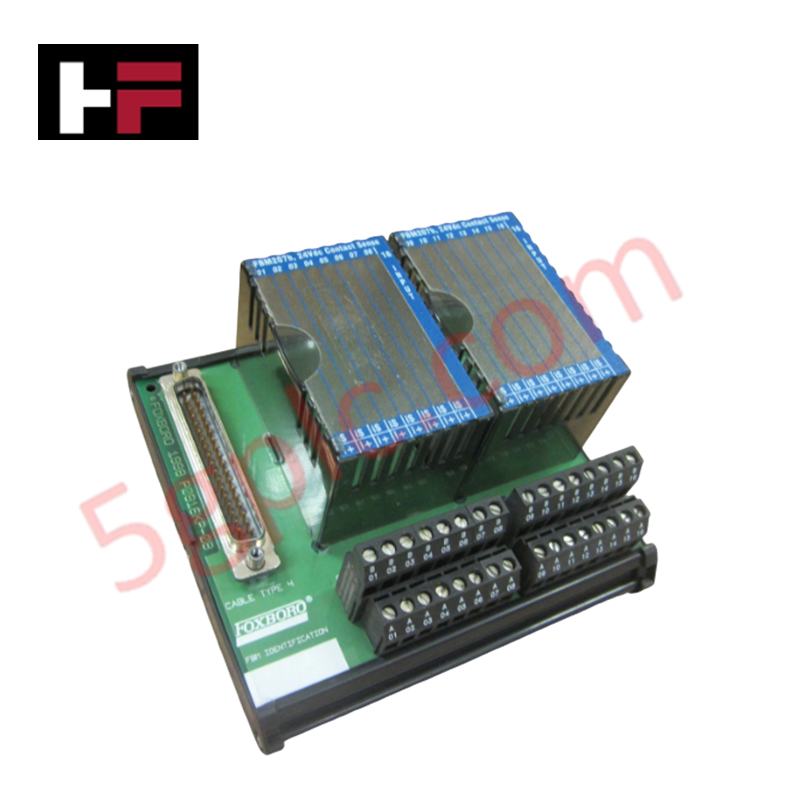
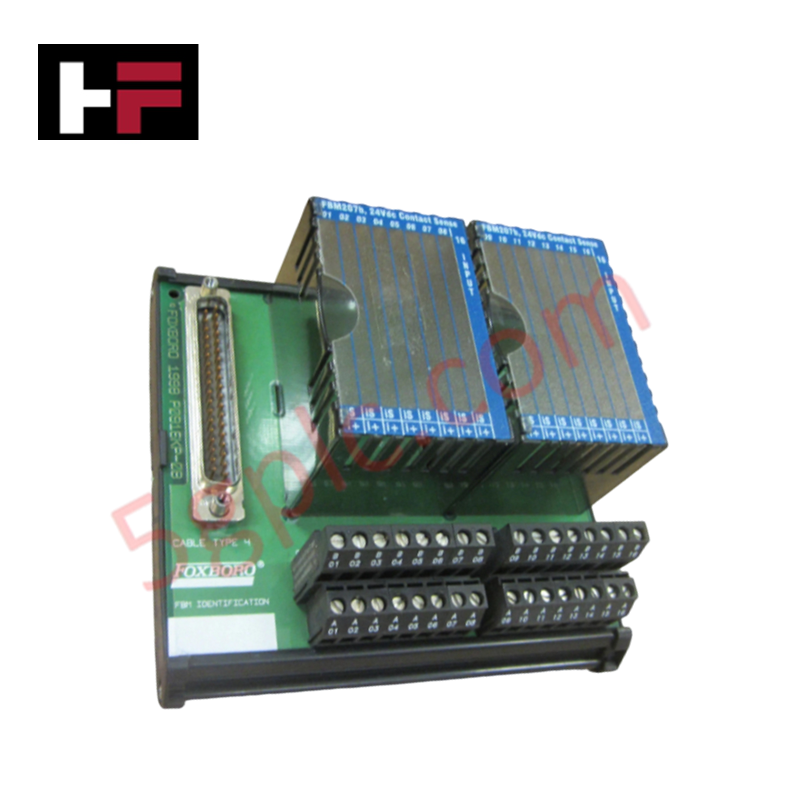
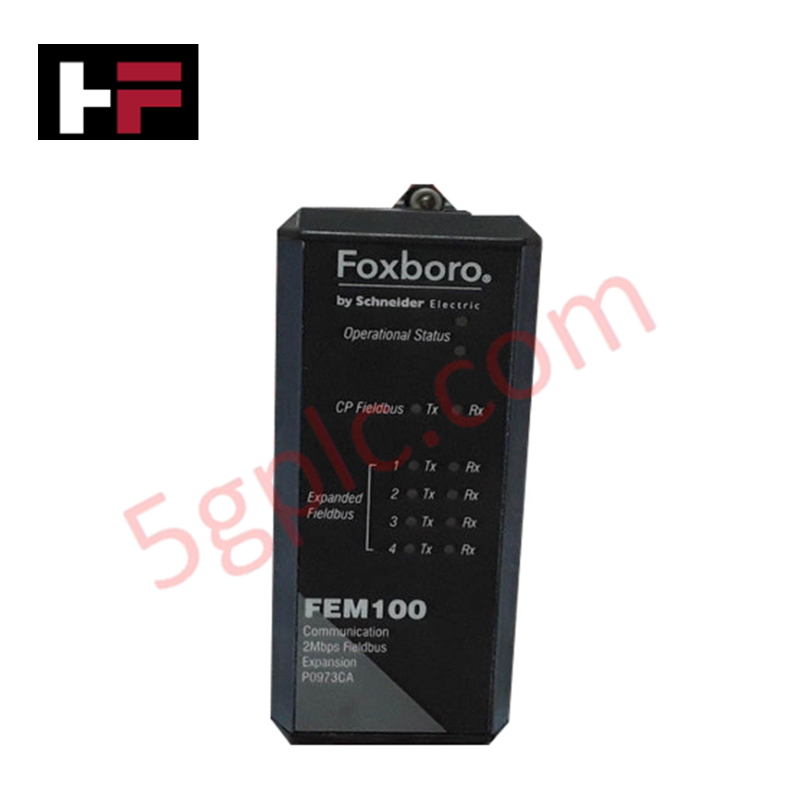
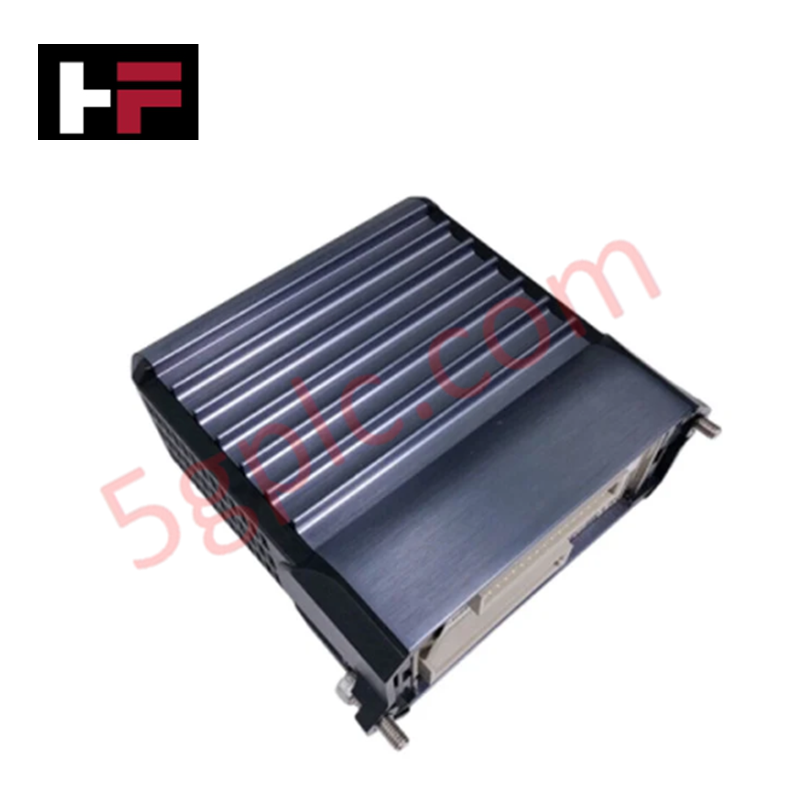
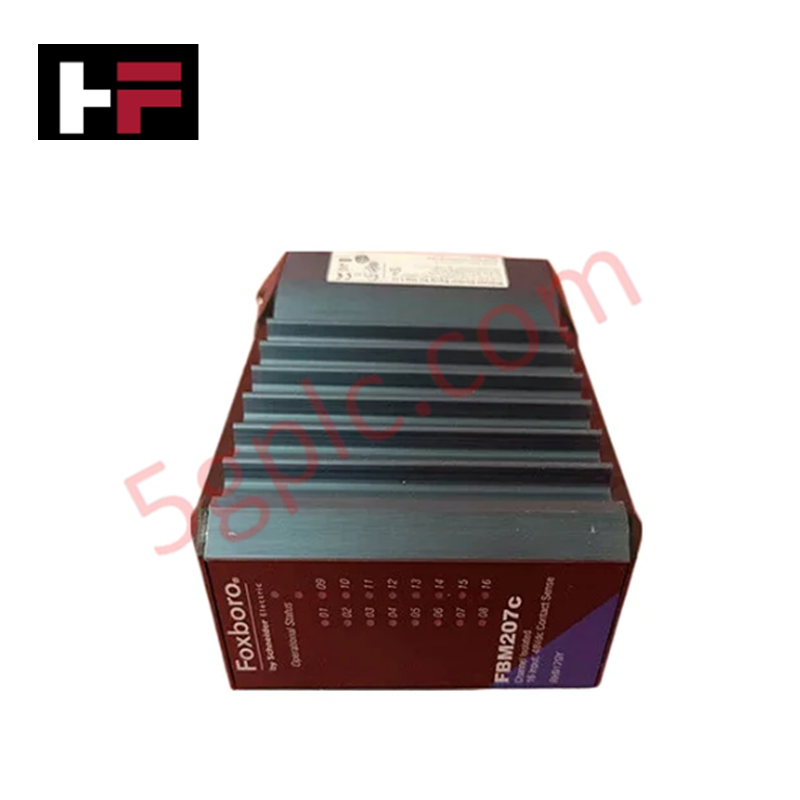
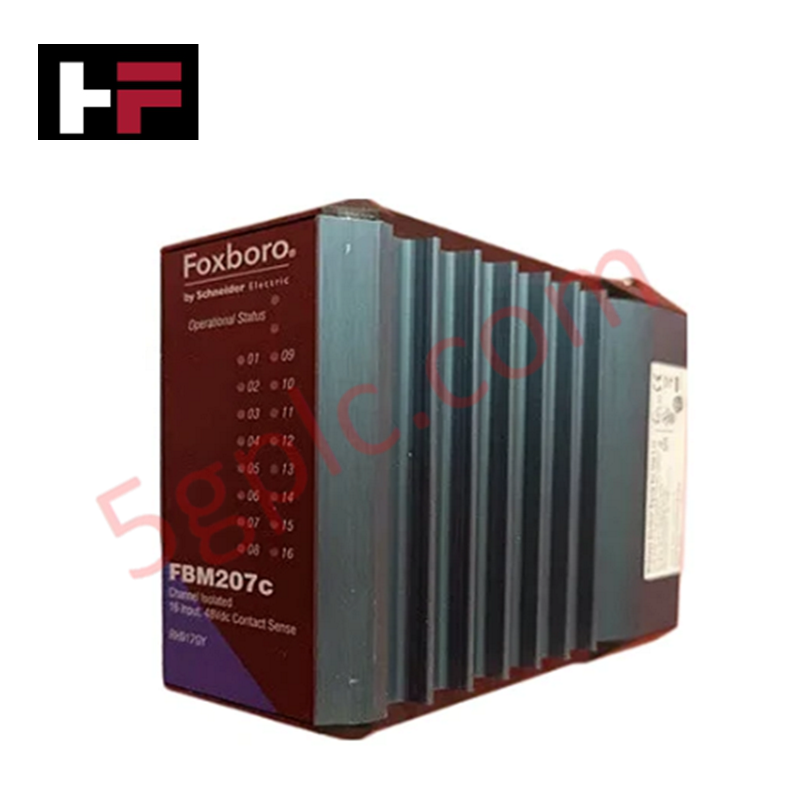
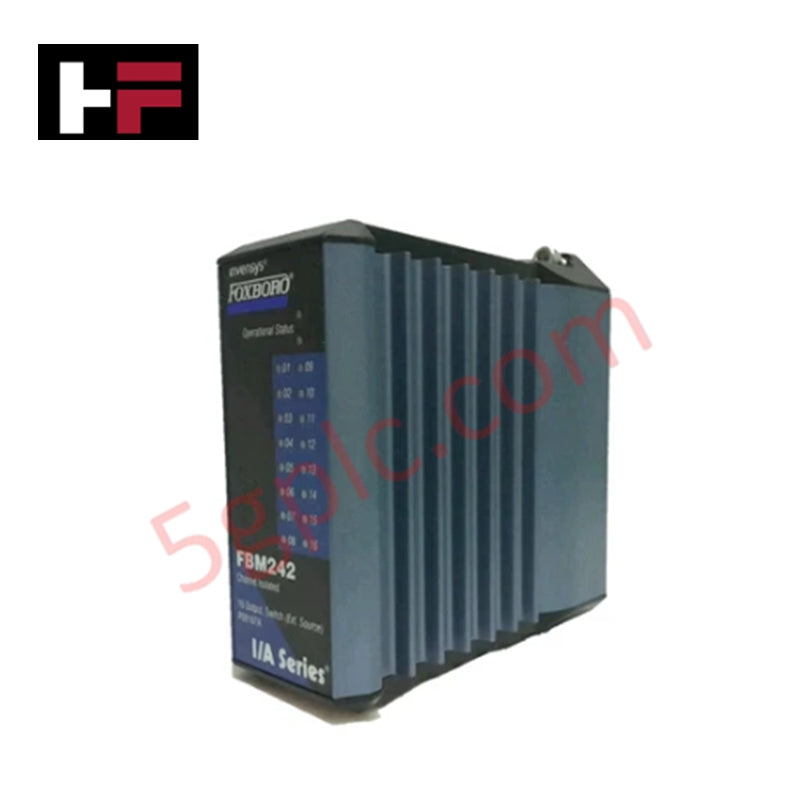
Configured for discrete signal termination in I/A Series distributed control systems, the Foxboro P0916PW (P0916PW Termination Assembly) provides direct physical/electrical execution for field-to-module signal interfacing.
Hardware Specifications
| Parameter | Specification |
|---|---|
| Model | P0916PW |
| Brand | Foxboro |
| Power Consumption | External for device excitation |
| Input Channels | 32 discrete inputs |
| Voltage Compatibility | 15-60 VDC, 120 VAC/125 VDC, 240 VAC |
Process Instrumentation Connectivity and Isolation
The P0916PW assembly provides a high-density interface for up to 32 discrete input channels, utilizing optical isolation and high-voltage attenuation circuitry. This interface design is engineered to ensure signal integrity by protecting the downstream I/O module from transient surges and over-voltage conditions present at the field connection point. The assembly supports both single and redundant module configurations, facilitating continuous monitoring. By incorporating onboard excitation power distribution, the P0916PW allows for direct field contact sensing without requiring supplemental relay panels for standard binary input detection.
Frequently Asked Questions
Q: Does the P0916PW assembly require external excitation power?
A: Yes, external power must be provided to the assembly for field device excitation. Ensure the voltage applied matches the requirements of the connected field sensors (e.g., dry contacts or powered discrete devices).
Q: Can this termination assembly be utilized in a redundant I/O configuration?
A: Yes, the P0916PW is designed to support both single and redundant module configurations to satisfy system requirements for input signal availability and fault tolerance.
Field Installation Guidelines
- Mounting: Secure the assembly to the designated mounting surface within the I/O cabinet. Ensure the ribbon cable or connector interface to the I/O module is fully seated to prevent signal intermittency.
- Grounding: Terminate all cable shields at the designated ground terminals on the assembly to minimize electromagnetic interference (EMI). Ensure the ground path is continuous back to the instrument common ground bus.
- Wiring: Maintain proper segregation between high-voltage AC (240 VAC) input signals and low-voltage DC signals. Use appropriate wire management to avoid crosstalk and comply with local industrial electrical standards.
Additional Information
- 100% Genuine Parts: All products are original and authentic, ensuring reliable industrial performance.
- 30-Day Refund Guarantee: Return any in-stock item within 30 days in original, unopened packaging for a full refund (excluding shipping and fees).
- 12-Month Warranty: Covers defects in materials or workmanship; excludes misuse, normal wear, or unauthorized modifications.
- Worldwide Shipping: We ship via USPS, UPS, FedEx, and DHL. Delivery times vary by country and may be subject to customs or import fees.
- Support & Contact: Technical and warranty assistance is available anytime. Contact us here: Contact.
- Purchase Guidance: Check product specifications and compatibility carefully before ordering to ensure proper application.
Tech & Buying Guide

Core Components of Programmable Logic Controllers (PLC) in Industrial Automation
A Programmable Logic Controller (PLC) serves as the digital backbone of modern factory automation. Whether you are managing complex assembly lines or simple process loops, understanding the hardware and software architecture of a PLC is essential for any control systems engineer.
PLC vs. PC: Navigating the Architectural Differences in Industrial Automation
In the realm of factory automation, professionals often debate the roles of Programmable Logic Controllers (PLCs) and Personal Computers (PCs). While both devices share fundamental computing architectures—including a processor, memory, and an operating system—their design philosophies diverge significantly. Understanding these distinctions is critical for selecting the right hardware for your industrial control systems.

Essential SCADA Features for Modern IoT-Enabled Industrial Automation
The convergence of traditional SCADA systems with the Industrial Internet of Things (IIoT) has redefined factory automation. Choosing a robust platform requires more than just standard monitoring capabilities. In this era of Industry 4.0, your supervisory system must bridge the gap between legacy control systems and enterprise-level data integration.