










Product Details
Overview
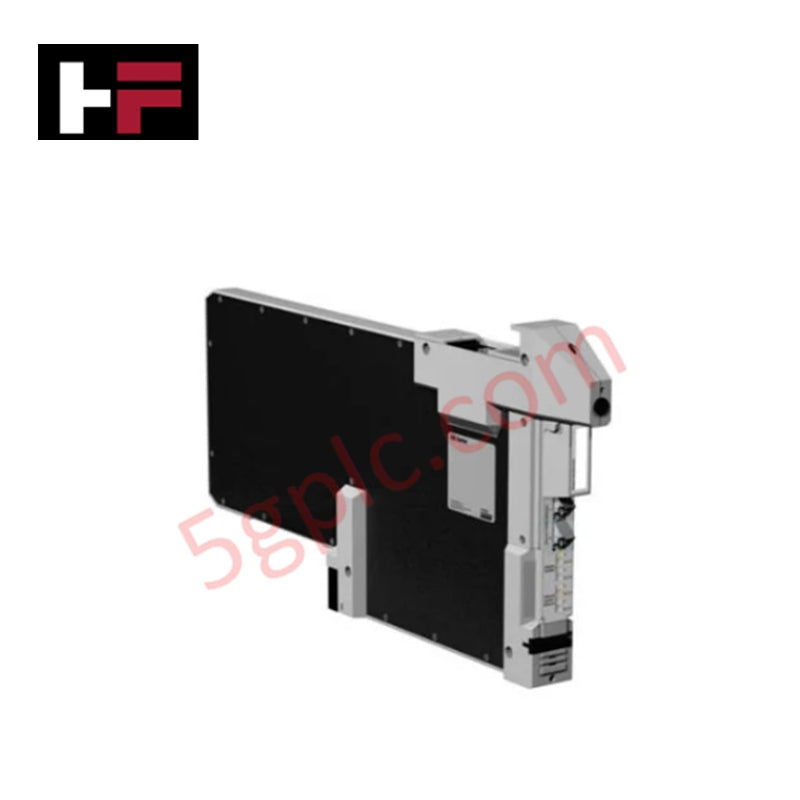
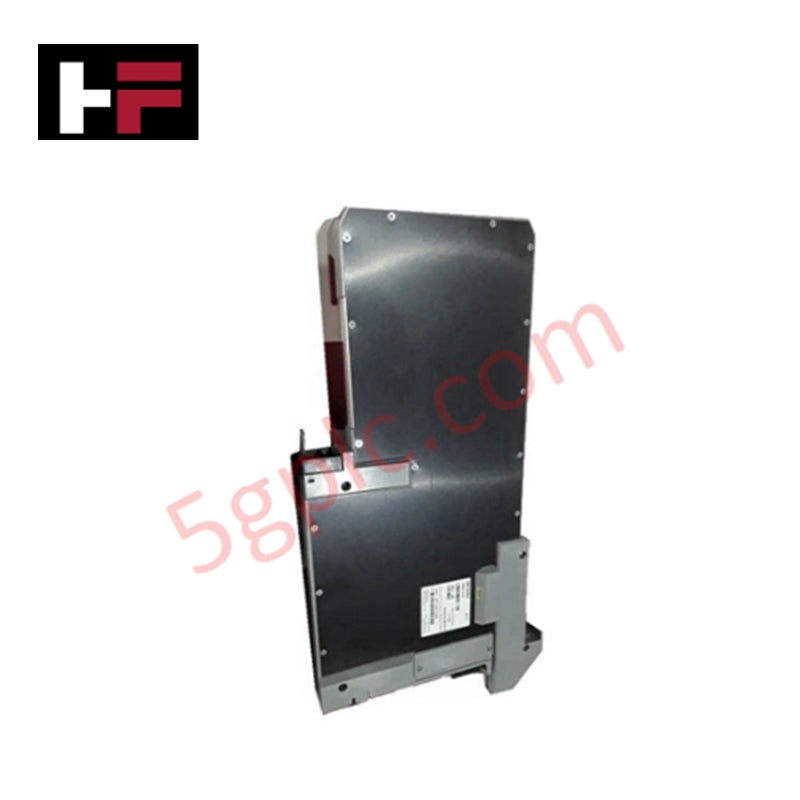
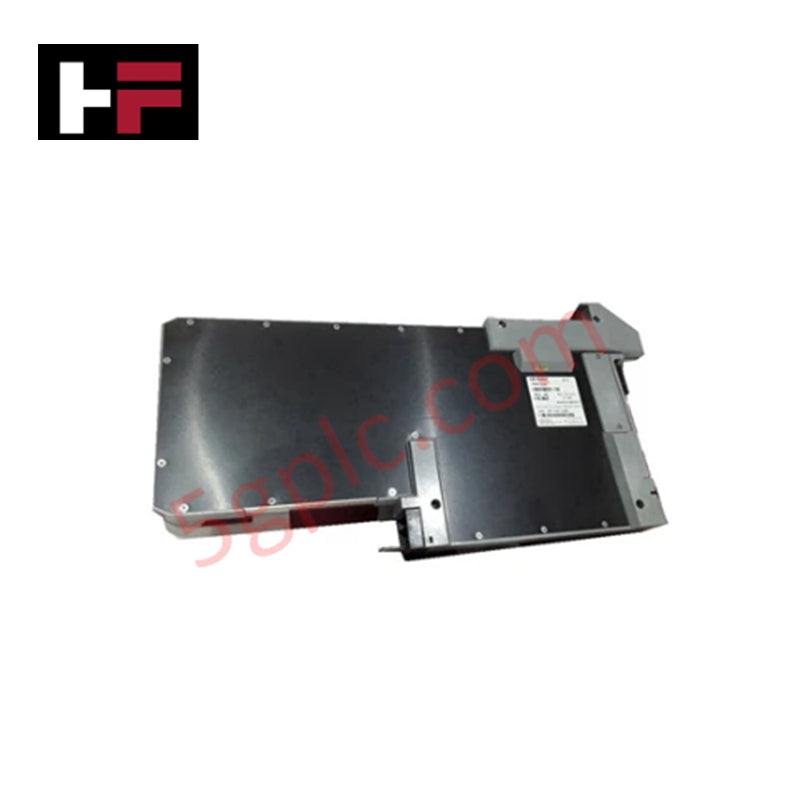
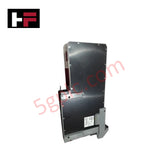
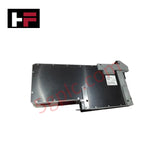
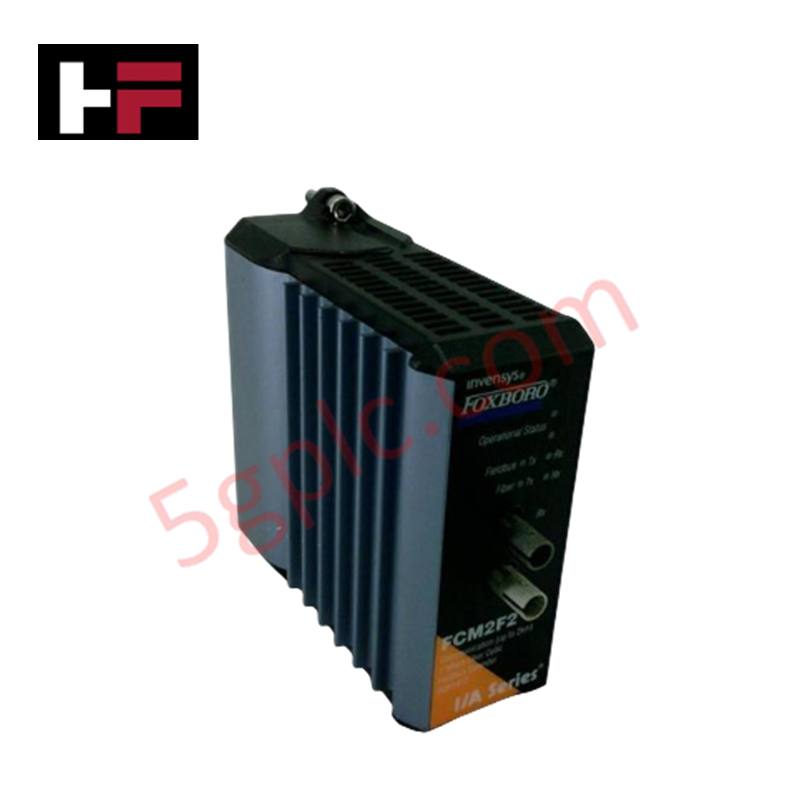
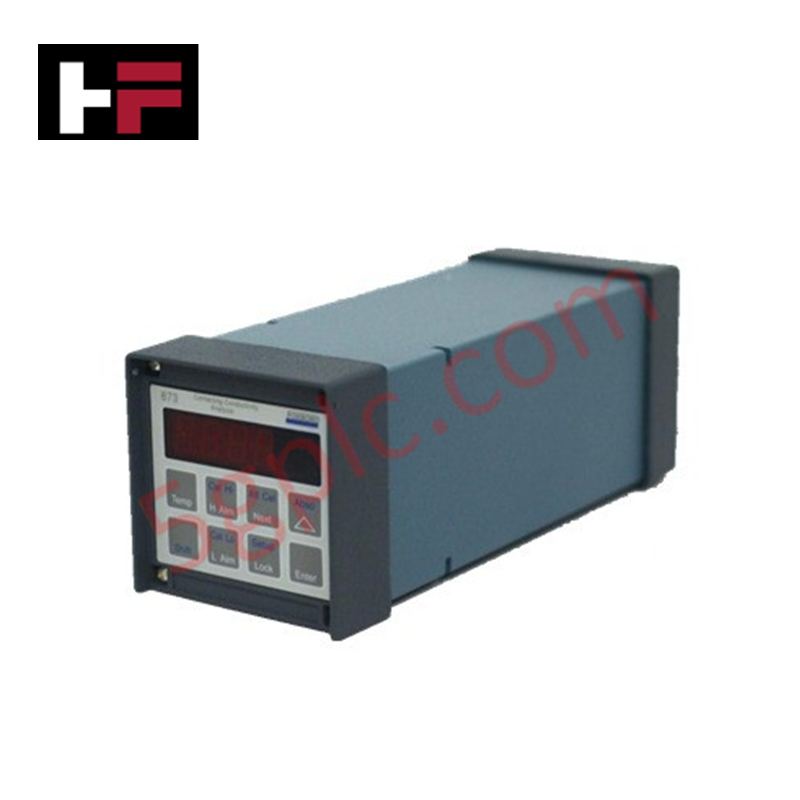
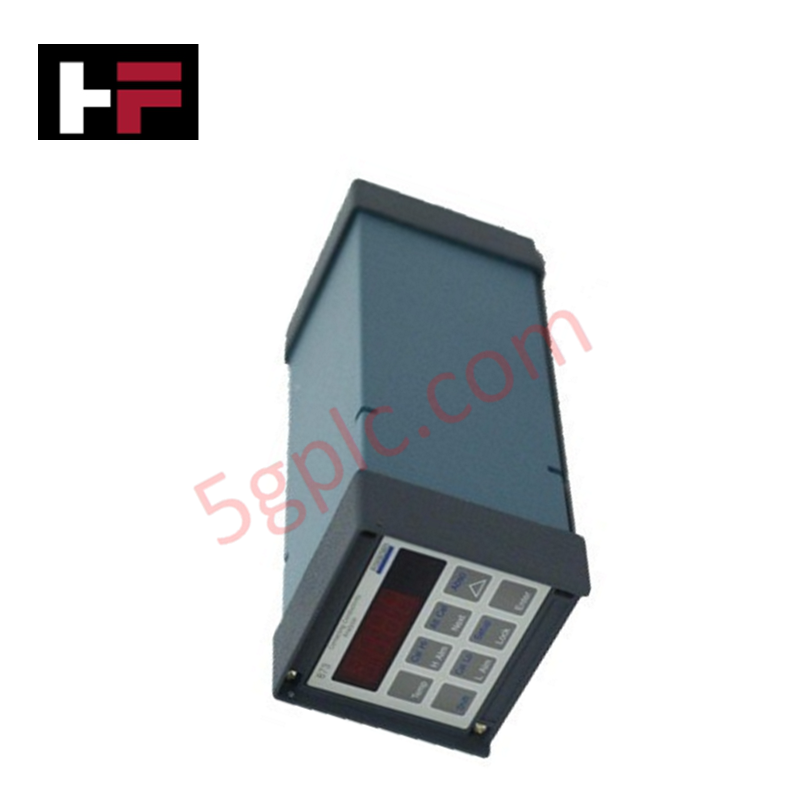
The Foxboro P0961FR CP60 is a high-performance control processor module designed for use within the Foxboro I/A Series Distributed Control System (DCS). It provides advanced computational capability for executing control strategies, logic sequences, and timing operations. The module communicates seamlessly with Fieldbus Modules (FBMs) over the I/A Series fieldbus network, enabling efficient real-time data exchange between sensors, actuators, and supervisory systems.
Technical Specifications
-
Model Number: P0961FR CP60
-
Manufacturer: Foxboro (by Schneider Electric)
-
Series: I/A Series
-
Processor Function: Executes control logic, sequencing, timing, and regulatory control algorithms
-
Communication Interface: I/A Series Fieldbus for connection with FBMs
-
Memory Capacity: Onboard memory for control program storage and execution
-
Dimensions: 3.5 × 45 × 23 cm
-
Weight: 1.2 kg
-
Construction: Compact and modular design for easy rack integration
-
Operating Environment: Designed for continuous operation in process and power applications
Key Features
-
Executes complex control algorithms for process automation and system coordination
-
Provides deterministic control with high data throughput
-
Enables reliable communication with multiple Fieldbus Modules (FBMs)
-
Integrated diagnostics and fault-tolerant design enhance system reliability
-
Suitable for continuous operation in harsh industrial conditions
Applications
The P0961FR CP60 is widely used in critical industrial environments such as:
-
Chemical and petrochemical process plants
-
Oil and gas refining and transportation systems
-
Power generation and energy distribution
-
Advanced manufacturing automation and batch control systems
FAQ
Q: What systems are compatible with the P0961FR CP60?
A: It is designed specifically for use in Foxboro I/A Series DCS architectures.
Q: What type of communication network does it support?
A: The CP60 interfaces with Foxboro Fieldbus Modules (FBMs) for distributed control and data acquisition.
Q: Can this processor store and execute multiple control programs?
A: Yes, the CP60 has onboard memory capable of executing and managing multiple concurrent control applications.
Q: Is this product suitable for continuous industrial use?
A: Yes, it is engineered for 24/7 reliability in demanding process and energy sectors.
Additional Information
- 100% Genuine Parts: All products are original and authentic, ensuring reliable industrial performance.
- 30-Day Refund Guarantee: Return any in-stock item within 30 days in original, unopened packaging for a full refund (excluding shipping and fees).
- 12-Month Warranty: Covers defects in materials or workmanship; excludes misuse, normal wear, or unauthorized modifications.
- Worldwide Shipping: We ship via USPS, UPS, FedEx, and DHL. Delivery times vary by country and may be subject to customs or import fees.
- Support & Contact: Technical and warranty assistance is available anytime. Contact us here: Contact.
- Purchase Guidance: Check product specifications and compatibility carefully before ordering to ensure proper application.


Tech & Buying Guide

Understanding Marshalling Cabinets in Industrial Control Systems Architecture
Industrial control system deployments rely on structured signal distribution to bridge field instrumentation with central processing hardware. A marshalling cabinet serves as the vital intermediate connection point between heavy field home-run multi-pair cables and delicate input/output (I/O) modules housed inside Programmable Logic Controller (PLC) or Distributed Control System (DCS) enclosures. By segregating field cable terminations from control hardware, engineers maintain system flexibility, safeguard controller components, and streamline commissioning workflows.

FAT vs SAT in Industrial Control Systems: Key Differences and Execution Guide
Industrial control system deployment relies on strict verification protocols to guarantee operational safety, system stability, and regulatory compliance. Commissioning complex Programmable Logic Controller (PLC) racks, Distributed Control Systems (DCS), and Safety Instrumented Systems (SIS) requires two critical milestones: the Factory Acceptance Test (FAT) and the Site Acceptance Test (SAT). Both procedures validate that system automation meets design specifications, but they occur at different stages of project execution and target distinct operational risks.

Hub vs Switch vs Router in Industrial Automation Architecture
Modern factory automation relies on reliable industrial networking infrastructure to exchange real-time field data across operational technology systems. Engineers often encounter networking hardware like hubs, switches, and routers when integrating Programmable Logic Controllers, Distributed Control Systems, and SCADA monitoring nodes. Although these devices share physical ports, they operate at different layers of the Open Systems Interconnection reference model and deliver distinct traffic management capabilities.