










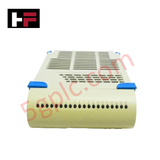
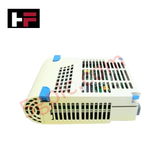
Product Details
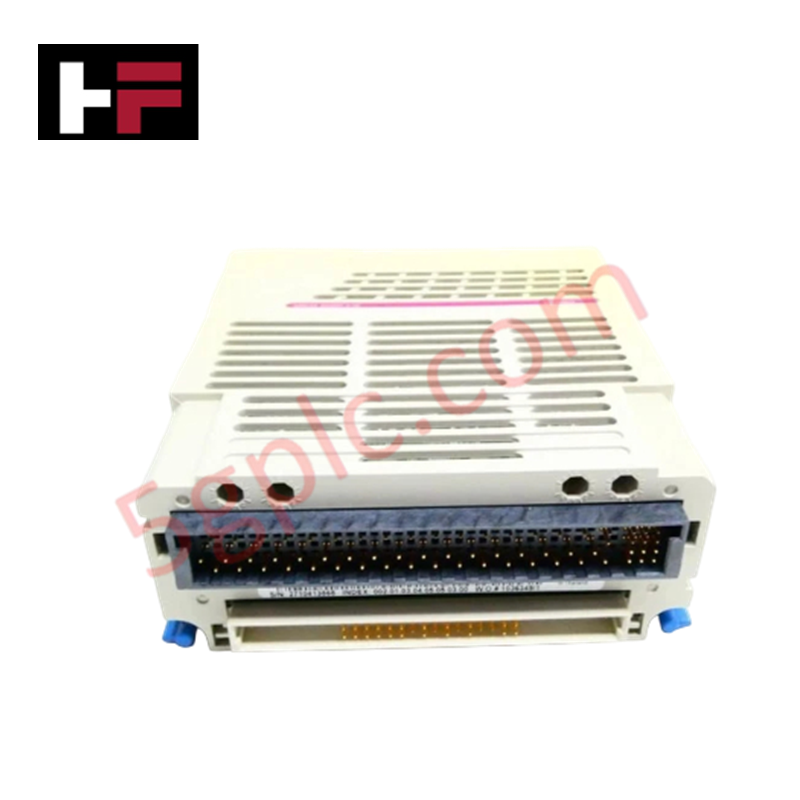
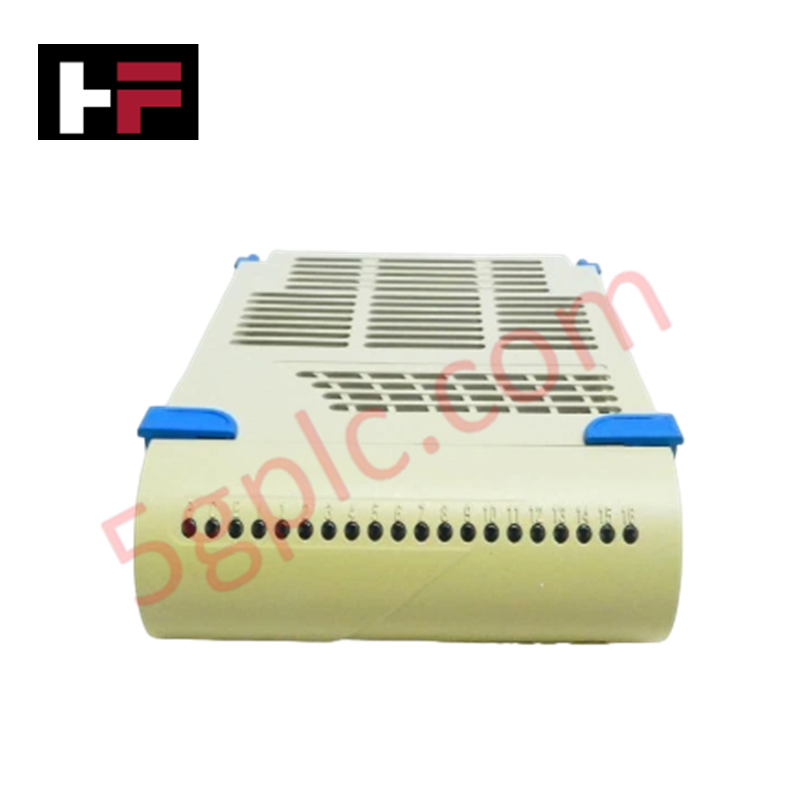
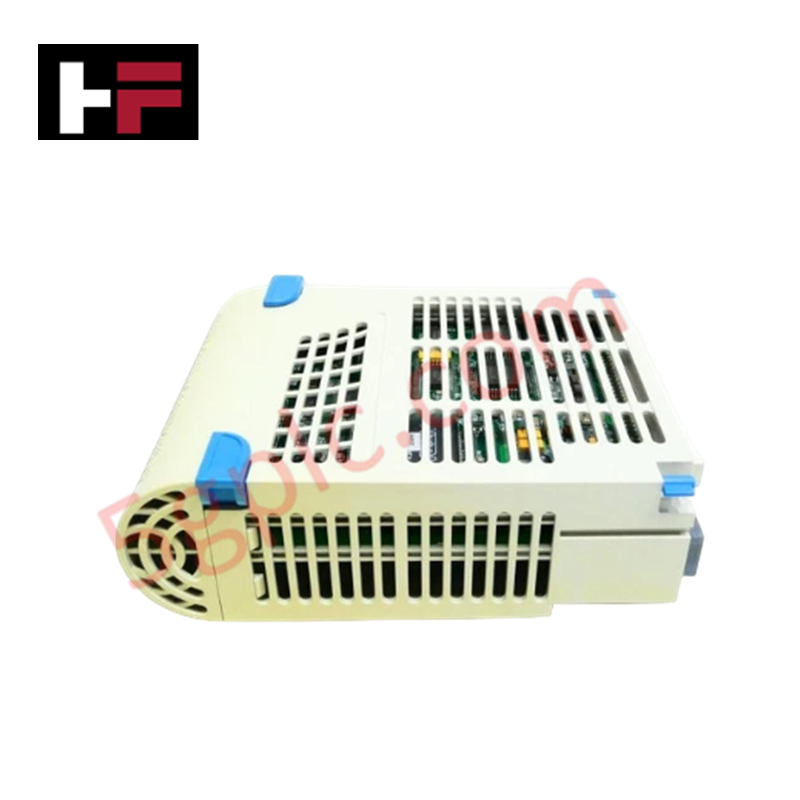
Configured for high-speed signal processing in Ovation distributed control systems, the Westinghouse Ovation 1C31233G02 (1C31233G02 Digital I/O Module) provides direct physical electrical execution for monitoring and controlling binary field states. The module supports bi-directional communication, facilitating the exchange of logic-level data between industrial sensors and the host controller platform.
Hardware Specifications
| Parameter | Specification |
|---|---|
| Model | 1C31233G02 |
| Brand | Westinghouse |
| Origin | USA |
| Weight | 0.35 kg |
| Dimensions | 150 mm x 100 mm x 30 mm |
| Operating Temp | -40 to 70 deg C |
| Power Consumption | 5 W |
| Power Supply | 24 / 48 VDC |
| Data Bus Speed | 1 Mbps |
I/O Density Scaling and Network Determinism
The 1C31233G02 architecture supports I/O density scaling, allowing for configuration in redundant pairs to maintain system availability during hardware failure events. The module manages deterministic network communication via Modbus, HART, and Profibus DP protocols, maintaining a backplane bus communication velocity of 1 Mbps. These features ensure synchronized data acquisition and command output, permitting the controller to execute precise timing-sensitive logic across multiple I/O nodes without latency degradation.
Frequently Asked Questions (FAQ)
Q: Does the 1C31233G02 support hot-swapping in a redundant pair configuration?
A: Yes, the module is designed for hot-swap capability. When configured in a redundant pair, the standby module assumes control upon the removal or failure of the primary module without interrupting the process loop.
Q: How is the security access level managed on this module?
A: The module implements internal security protocols that restrict unauthorized firmware modification and unauthorized read/write access to the I/O data registers via the communication bus.
Field Installation Guidelines
- Ensure the control rack backplane is powered down before module insertion to prevent transient electrical stresses.
- Align the module with the chassis guides and seat the backplane connector fully to establish a low-resistance interface.
- Secure the module using the top and bottom captive fasteners to prevent mechanical displacement in high-vibration environments.
- Route field wiring through segregated cable troughs, maintaining a physical distance from high-voltage AC lines to minimize electromagnetic interference (EMI).
- Terminate all signal wiring at the I/O terminal block and verify that field-side common references are appropriately bonded to the cabinet ground bus.
Additional Information
- 100% Genuine Parts: All products are original and authentic, ensuring reliable industrial performance.
- 30-Day Refund Guarantee: Return any in-stock item within 30 days in original, unopened packaging for a full refund (excluding shipping and fees).
- 12-Month Warranty: Covers defects in materials or workmanship; excludes misuse, normal wear, or unauthorized modifications.
- Worldwide Shipping: We ship via USPS, UPS, FedEx, and DHL. Delivery times vary by country and may be subject to customs or import fees.
- Support & Contact: Technical and warranty assistance is available anytime. Contact us here: Contact.
- Purchase Guidance: Check product specifications and compatibility carefully before ordering to ensure proper application.
Tech & Buying Guide

Why 24V DC Power Supplies Standardize Modern Industrial Automation
Industrial control cabinets worldwide rely on 24V DC as the universal power standard for field instrumentation, sensors, and controllers. Walk into any manufacturing plant, and you will find PLCs, human-machine interfaces (HMIs), and smart actuators running on extra-low voltage DC. Standardizing on 24V DC enhances operational safety, lowers cabinet footprint, and maintains steady control performance across factory networks.

Essential Motion Control Commands: A Practical Guide for Engineers
Automation engineers often rely on precise position and speed control to drive modern factory machinery. Modern industrial systems, such as Programmable Logic Controllers (PLCs) and Distributed Control Systems (DCS), depend heavily on standardized motion instructions. Mastering these commands ensures operational safety, protects mechanical components, and optimizes cycle times across production lines.
Mastering Modern Industrial Joystick Controls in Heavy Automation
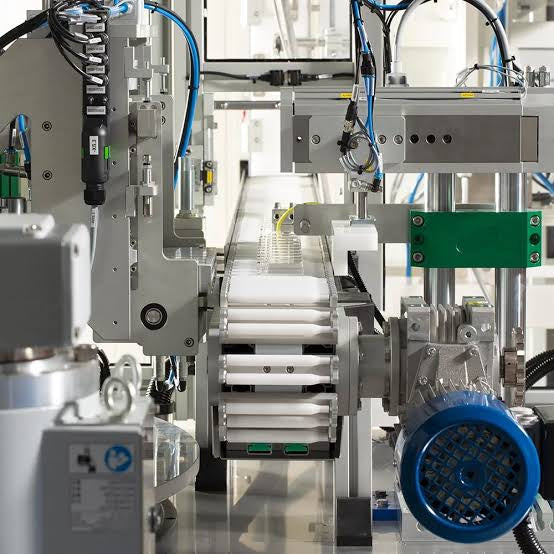
Industrial joysticks play a pivotal role in human-machine interaction across heavy material handling and mobile hydraulics. These tactile controllers translate complex operator movements into precise electrical signals for PLCs, motion controllers, and DCS networks. Consequently, selecting and installing the right joystick architecture ensures operator safety, reduces fatigue, and optimizes equipment performance.