










Product Details
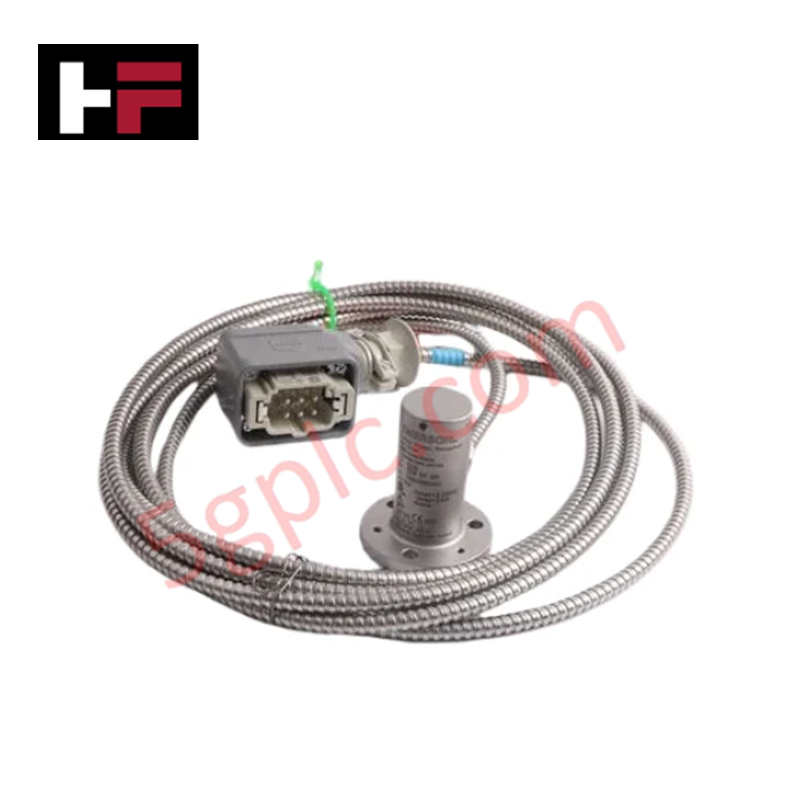
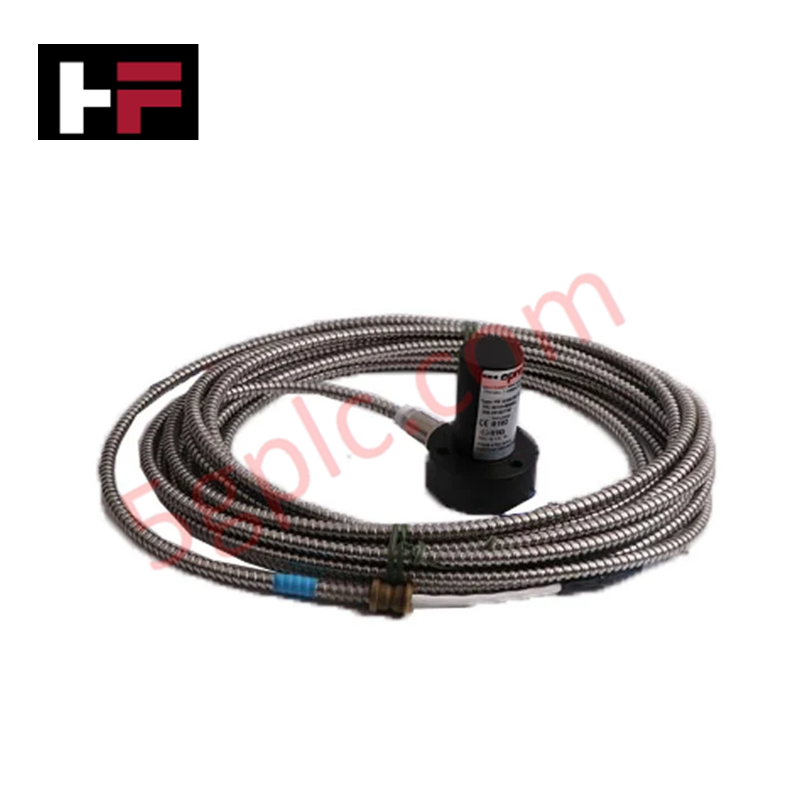
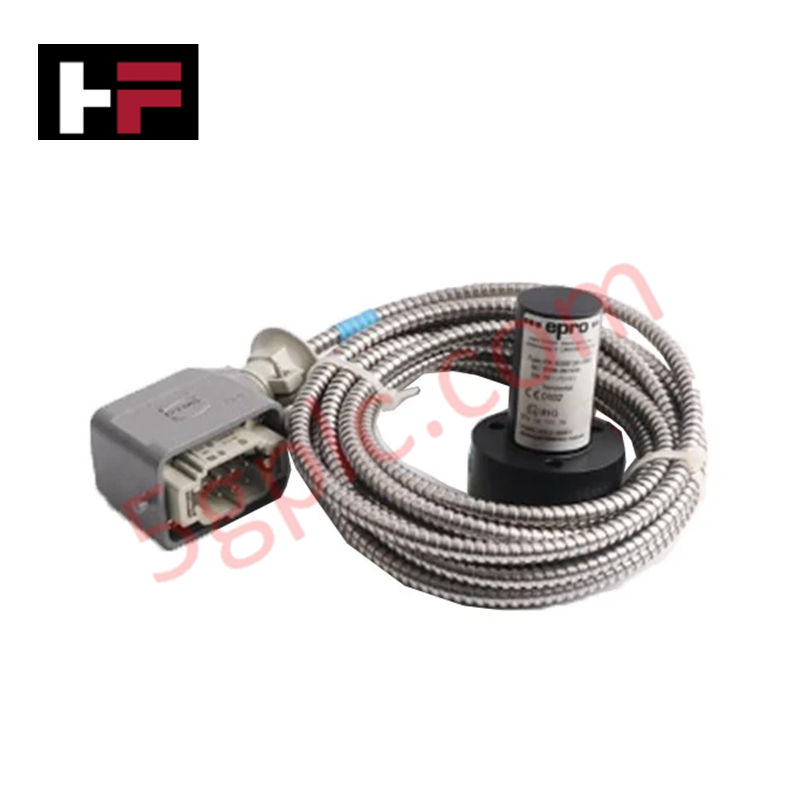
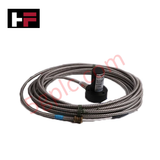
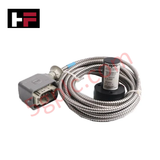
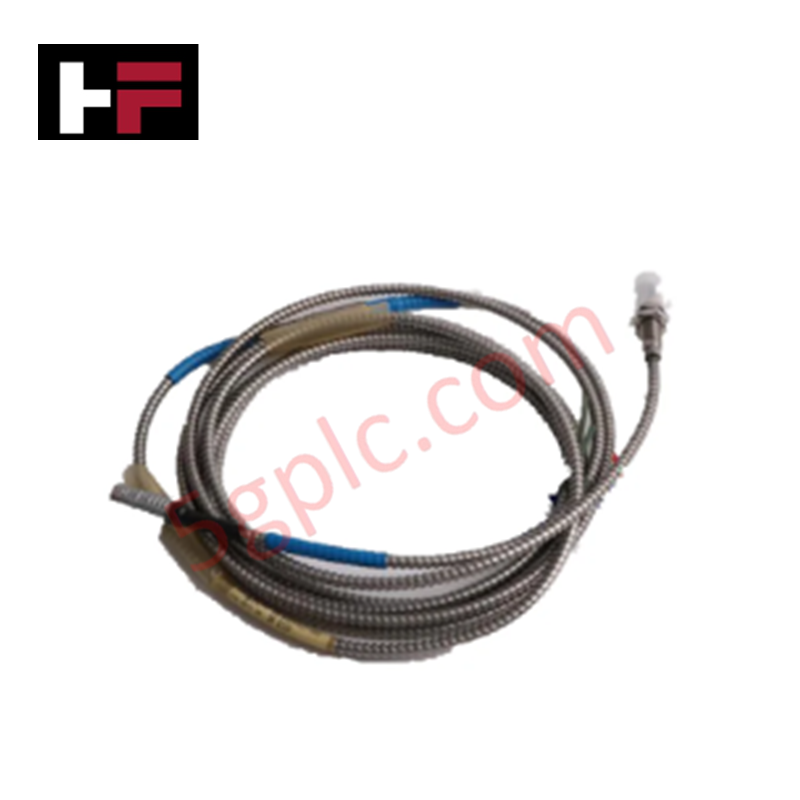
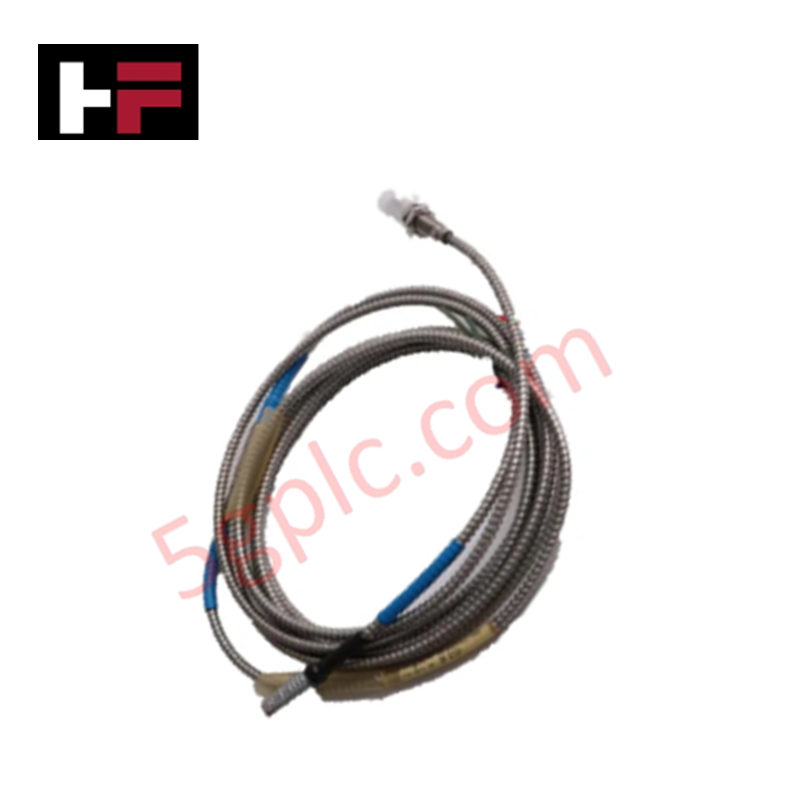
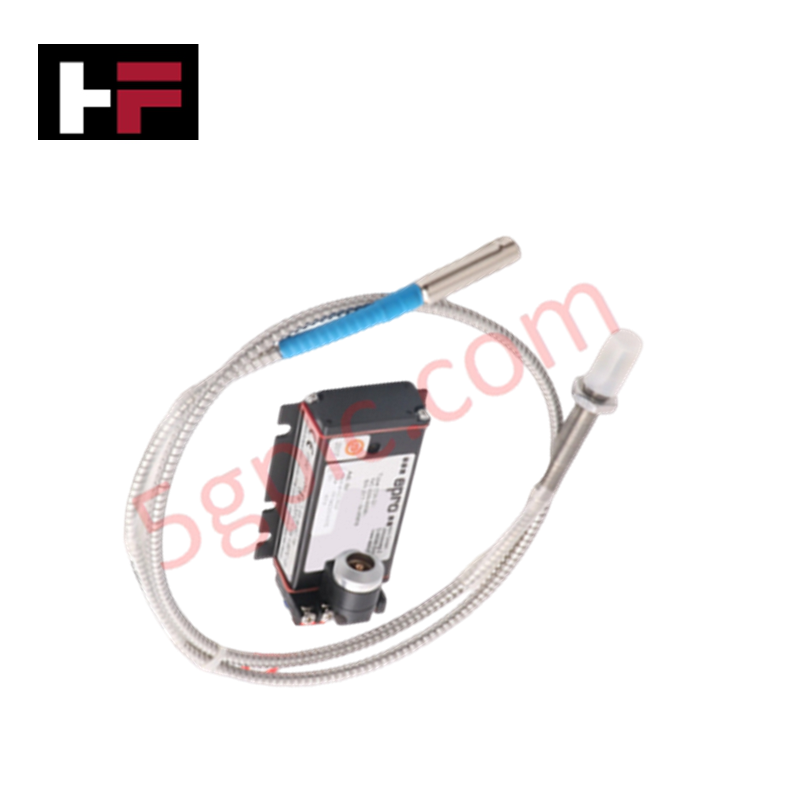
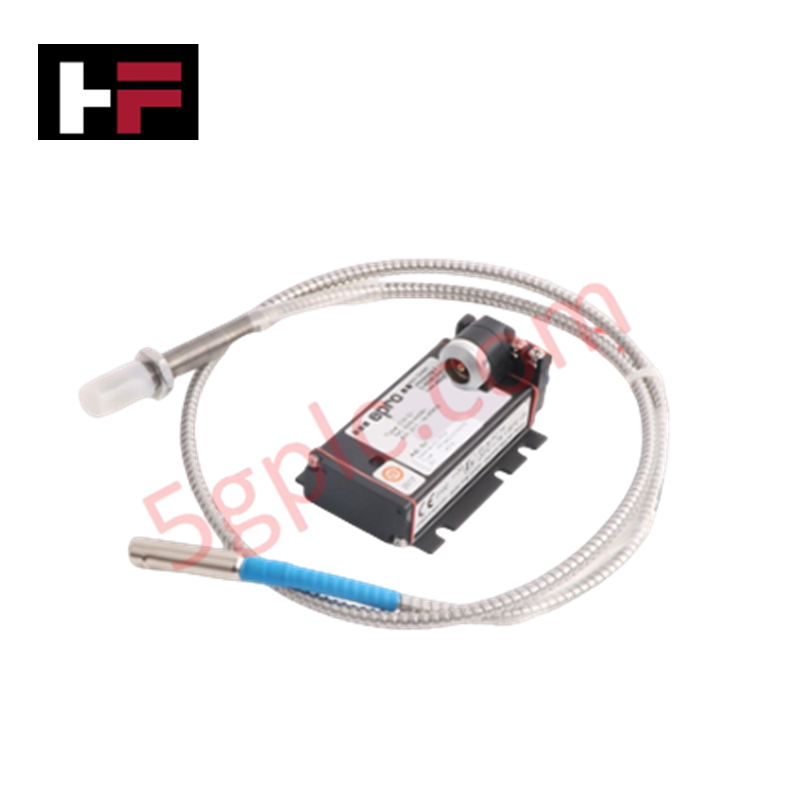
Configured for seismic vibration acquisition in rotating machinery, the Epro PR9268/20 (PR9268/20) Electrodynamic Velocity Sensor Probe provides direct electrical execution of velocity-based vibration monitoring.
Hardware Specifications
| Parameter | Specification |
|---|---|
| Model | PR9268/20 |
| Brand | Epro |
| Weight | 0.8 kg |
| Dimensions | 160 mm x 160 mm x 120 mm |
| Operating Temp | -20 deg C to +100 deg C |
| Power Consumption | Passive (Self-powered) |
| Sensitivity | 28.5 mV/mm/s (+/- 5%) |
| Frequency Response | 4 Hz to 1000 Hz |
| Coil Resistance | 1875 Ohm +/- 10% |
Mechanical Monitoring and TSI Characteristics
The PR9268/20 employs a magnetic induction principle to generate an analog velocity signal, necessitating precise mounting to ensure the internal mass-spring system maintains its 4.5 Hz natural frequency. Deviations from the specified vertical or horizontal orientation will introduce gravitational bias and degrade measurement linearity. When integrated into TSI racks, signal integrity is managed through careful impedance matching with the signal conditioner to account for the 1875 Ohm coil resistance. To ensure rotor dynamics fidelity, operators must verify that the machine casing vibration does not exceed the 10 g continuous acceleration limit, and employ cross-talk suppression by isolating the sensor from adjacent high-energy magnetic fields or other inductive transducers.
Frequently Asked Questions
Q: Does this sensor require an external DC power supply?
A: No. The PR9268/20 is a passive electrodynamic transducer that generates an analog signal via electromagnetic induction. It requires no excitation voltage; however, the connected monitoring system input must have high impedance (nominally 100 kOhm) to maintain the specified sensitivity.
Q: How should the transducer be tested during commissioning?
A: A physical bump test or low-frequency shaker table verification is required to confirm the output signal matches the 28.5 mV/mm/s sensitivity. Ensure the signal polarity is consistent with the TSI channel configuration to prevent phase inversion during vibration processing.
Field Installation Guidelines
- Mount the sensor housing firmly to the bearing housing or machinery casing using the specified stud or bracket; ensure the mating surface is clean and flat to guarantee high-frequency coupling.
- Verify the orientation of the transducer aligns with the intended measurement axis; incorrect orientation will shift the natural frequency and distort amplitude readings.
- Terminate the cable using a shielded connection, ensuring the cable shield is grounded at the signal conditioner input only to prevent ground loop noise.
- Route the sensor cable away from high-power AC motor leads or VFD cabling to minimize electromagnetic interference (EMI).
- Ensure the ingress protection (IP55/IP65) is maintained by properly securing the connector or cable gland; avoid exposing the PTFE cable insulation to aggressive solvents or excessive mechanical abrasion.
Additional Information
- 100% Genuine Parts: All products are original and authentic, ensuring reliable industrial performance.
- 30-Day Refund Guarantee: Return any in-stock item within 30 days in original, unopened packaging for a full refund (excluding shipping and fees).
- 12-Month Warranty: Covers defects in materials or workmanship; excludes misuse, normal wear, or unauthorized modifications.
- Worldwide Shipping: We ship via USPS, UPS, FedEx, and DHL. Delivery times vary by country and may be subject to customs or import fees.
- Support & Contact: Technical and warranty assistance is available anytime. Contact us here: Contact.
- Purchase Guidance: Check product specifications and compatibility carefully before ordering to ensure proper application.




Tech & Buying Guide

Marshalling Cabinet Preventive Maintenance: Essential Healthiness Checks for PLC, DCS, and ESD Systems
Marshalling cabinets serve as the vital interface between field instrumentation and control room electronics in modern process facilities. Regular preventive maintenance of these cabinets ensures signal integrity across programmable logic controllers (PLCs), distributed control systems (DCS), and emergency shutdown (ESD) networks. System technicians must execute structured inspection protocols to mitigate environmental risks, identify loose wiring, and maintain continuous operational readiness.

Spatial Computing in Industrial Automation: Elevating PLC and DCS Operations with AR and VR
Industry 4.0 integrates digital intelligence into field operations, transforming factory automation landscapes worldwide. Spatial technologies—specifically Augmented Reality (AR) and Virtual Reality (VR)—redefine how engineers interact with industrial control systems. By bridging computer-generated CAD models with real-time operational technology (OT) data, immersive displays enable intuitive monitoring, rapid diagnostics, and safer maintenance across complex processing facilities.

Master Acceptance Testing: Understanding FAT and SAT in Industrial Control Systems
Factory Acceptance Testing (FAT) and Site Acceptance Testing (SAT) serve as critical quality assurance gateways in complex industrial control systems. Both procedures verify that programmable logic controllers (PLCs), distributed control systems (DCS), and associated field devices meet strict functional specifications. However, executing these tests effectively requires clear delineation between off-site staging and final field commissioning.