












Product Details
Product Overview
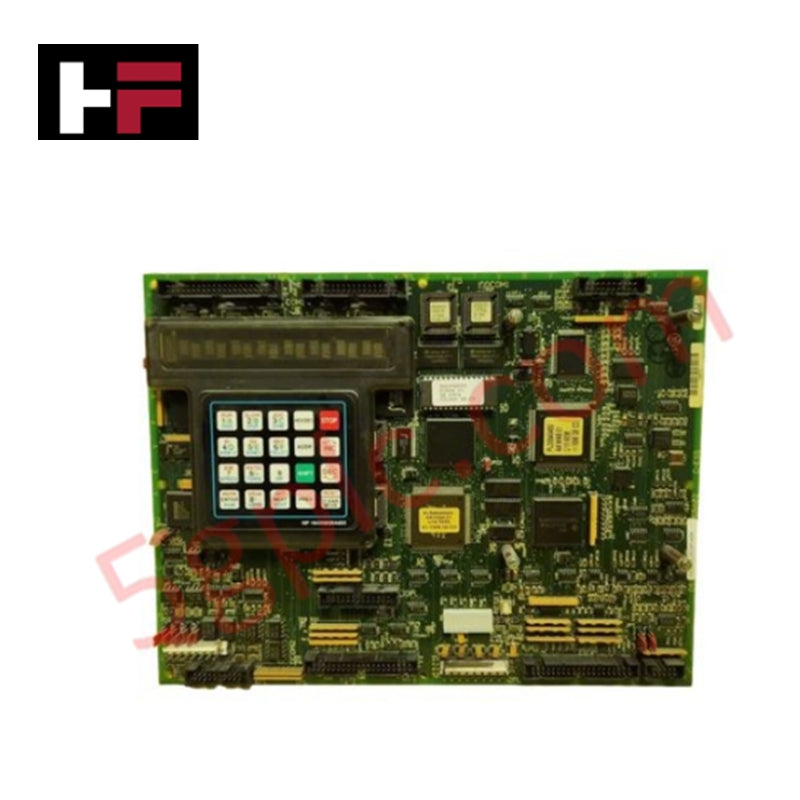
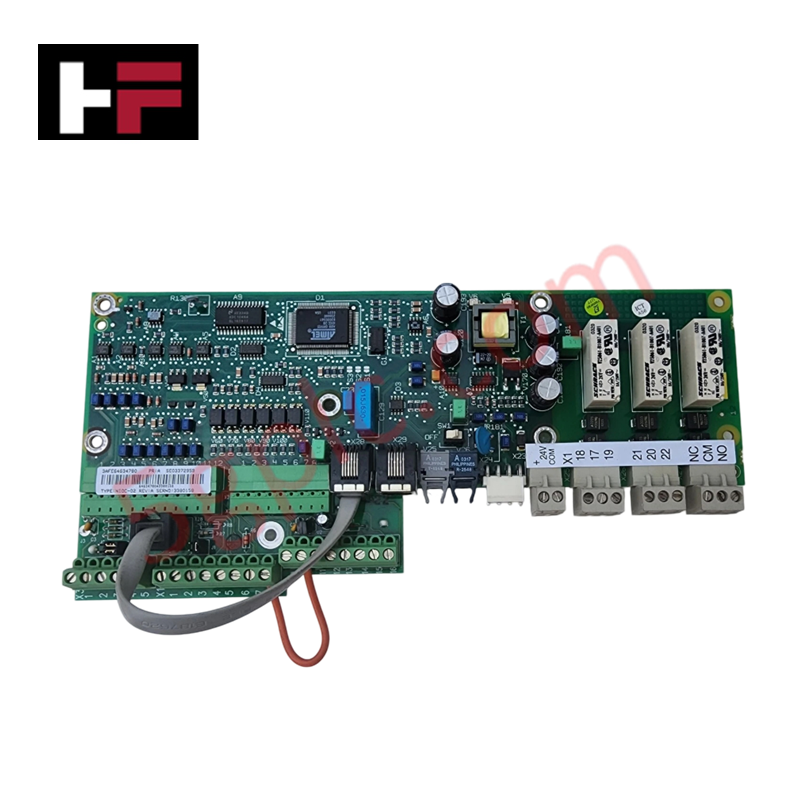
The DS200LDCCG1ADA serves as the primary computational hub for the GE Mark V Speedtronic drive system. This high-density Drive Control and LAN Communication Board (LDCC) executes core motor control algorithms while simultaneously managing high-speed data exchange across the local area network. By utilizing the Intel 80196 microcontroller, this board synchronizes complex turbine operations with nanosecond precision. We supply this unit as 100% Brand New, ensuring your system maintains peak original manufacturer performance and factory-certified stability.
Technical Specifications
The DS200LDCCG1ADA integrates a robust electrical architecture to handle high-demand industrial loads:
| Parameter | Specification |
| Manufacturer | GE General Electric |
| Microprocessor | Intel 80196 Microcontroller |
| Memory Architecture | Integrated EPROM and RAM |
| Isolation Voltage | 1500 VAC |
| Exciter Control Current | 10 to 30 A |
| Input Voltage Range | 90 to 264 VAC |
| Analog Output | 0 to 10 VDC |
| Power Consumption | 20 W |
| Operating Temperature | -10°C to +60°C |
| Weight | 0.8 kg |
Engineering Advantages
-
High-Performance Computation: The Intel 80196 microcontroller processes real-time data from turbine sensors and executes drive regulation commands without perceptible latency.
-
Superior Circuit Isolation: A 1500 VAC isolation rating shields sensitive logic components from high-voltage transients and ground loops common in industrial power environments.
-
Unified Communication Interface: The dual-port design features a dedicated LAN interface for system-wide networking and a serial diagnostic port for localized troubleshooting and parameter configuration.
-
Wide Voltage Input Tolerance: The board accepts a broad AC input range (90–264 VAC), allowing stable operation across various global power standards without auxiliary transformers.
-
Robust Exciter Management: This module regulates exciter currents between 10 A and 30 A, providing the necessary overhead for large-scale turbine startup and load adjustment phases.
Installation & Maintenance Protocol
-
Revision Synchronization: The G1ADA designation signifies specific functional revisions (A and D). Ensure your system’s master controller recognizes this revision level to maintain full feature compatibility.
-
Thermal Management: The board dissipates 20 W of power during operation. Mount the unit in a well-ventilated cabinet to maintain the temperature within the -10°C to +60°C window.
-
Firmware Integrity: The onboard EPROM stores critical drive firmware. If your application requires site-specific parameters, transfer the EPROM chips from the legacy board or flash the new unit using the serial diagnostic port.
-
Circuit Safety: Integrated onboard fuses protect against overcurrent. Verify all downstream wiring for shorts before applying power to the unit for the first time.
FAQs
Q: Can the DS200LDCCG1ADA replace an older LDCC board with different revision letters? A: Yes. This "ADA" revision typically maintains backward compatibility within the Mark V series. However, you must verify your drive's firmware version via the serial port to ensure the software supports the specific hardware features included in Revision D.
Q: What is the primary function of the diagnostic LEDs? A: The onboard LEDs display real-time status codes. They allow technicians to instantly differentiate between processor errors, LAN communication failures, or power supply issues without connecting an external computer.
Q: How does the 1500 VAC isolation protect the system? A: This isolation barrier prevents electrical noise and high-voltage surges on the power side from crossing into the sensitive microcontroller and LAN circuits, effectively preventing catastrophic board failure during grid fluctuations.
Q: Does this board arrive with pre-installed RAM and EPROM? A: This 100% Brand New unit includes factory-standard RAM and EPROM. For specialized turbine applications, engineers often swap the EPROM chips to match the custom control logic of the specific installation site.
Additional Information
- 100% Genuine Parts: All products are original and authentic, ensuring reliable industrial performance.
- 30-Day Refund Guarantee: Return any in-stock item within 30 days in original, unopened packaging for a full refund (excluding shipping and fees).
- 12-Month Warranty: Covers defects in materials or workmanship; excludes misuse, normal wear, or unauthorized modifications.
- Worldwide Shipping: We ship via USPS, UPS, FedEx, and DHL. Delivery times vary by country and may be subject to customs or import fees.
- Support & Contact: Technical and warranty assistance is available anytime. Contact us here: Contact.
- Purchase Guidance: Check product specifications and compatibility carefully before ordering to ensure proper application.

Tech & Buying Guide

Why 24V DC Power Supplies Standardize Modern Industrial Automation
Industrial control cabinets worldwide rely on 24V DC as the universal power standard for field instrumentation, sensors, and controllers. Walk into any manufacturing plant, and you will find PLCs, human-machine interfaces (HMIs), and smart actuators running on extra-low voltage DC. Standardizing on 24V DC enhances operational safety, lowers cabinet footprint, and maintains steady control performance across factory networks.

Essential Motion Control Commands: A Practical Guide for Engineers
Automation engineers often rely on precise position and speed control to drive modern factory machinery. Modern industrial systems, such as Programmable Logic Controllers (PLCs) and Distributed Control Systems (DCS), depend heavily on standardized motion instructions. Mastering these commands ensures operational safety, protects mechanical components, and optimizes cycle times across production lines.
Mastering Modern Industrial Joystick Controls in Heavy Automation
Industrial joysticks play a pivotal role in human-machine interaction across heavy material handling and mobile hydraulics. These tactile controllers translate complex operator movements into precise electrical signals for PLCs, motion controllers, and DCS networks. Consequently, selecting and installing the right joystick architecture ensures operator safety, reduces fatigue, and optimizes equipment performance.