










Product Details
Product Overview
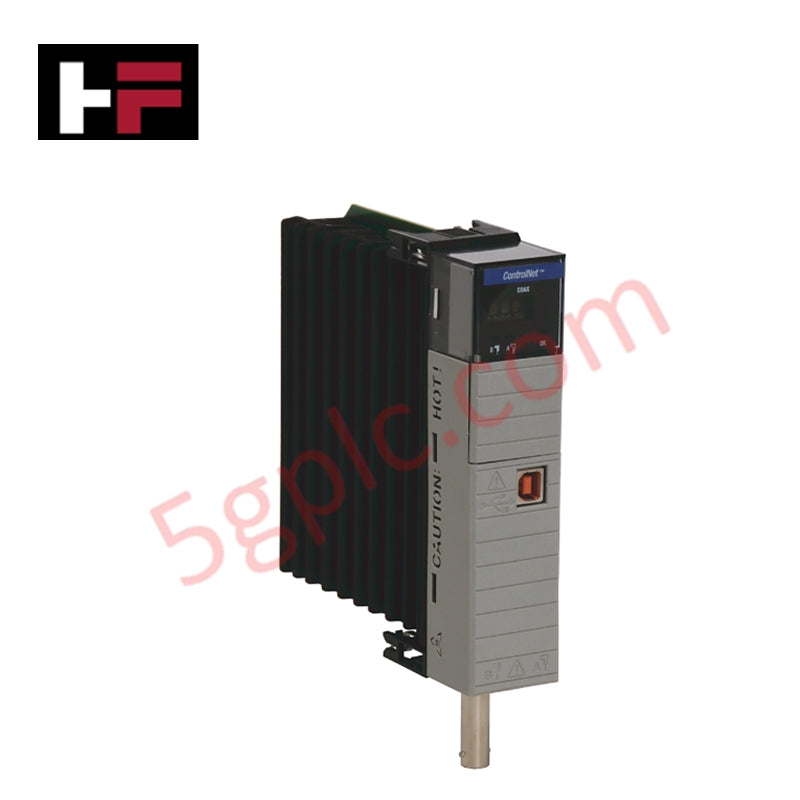
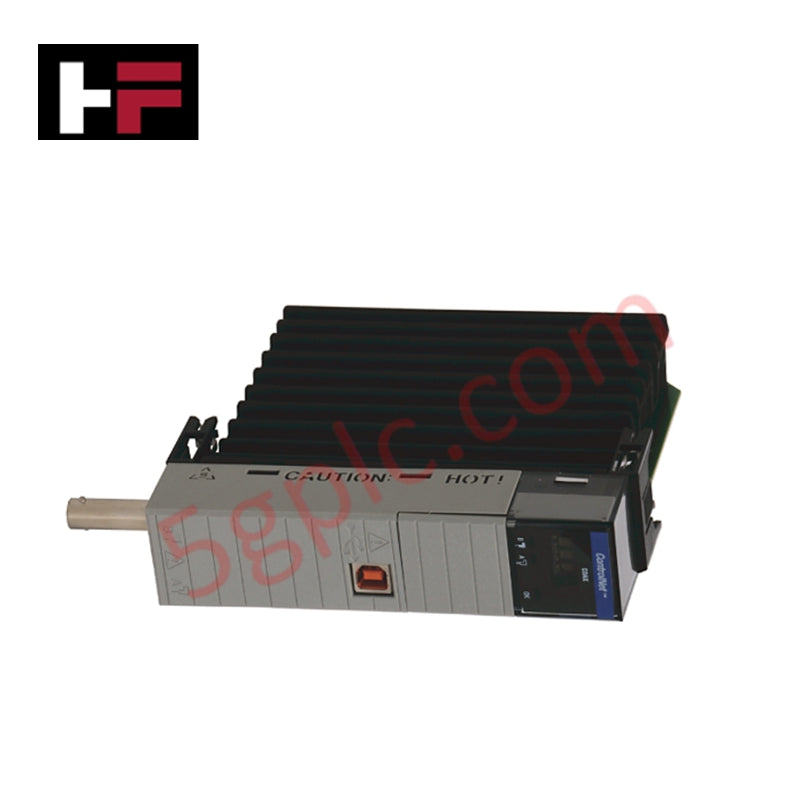
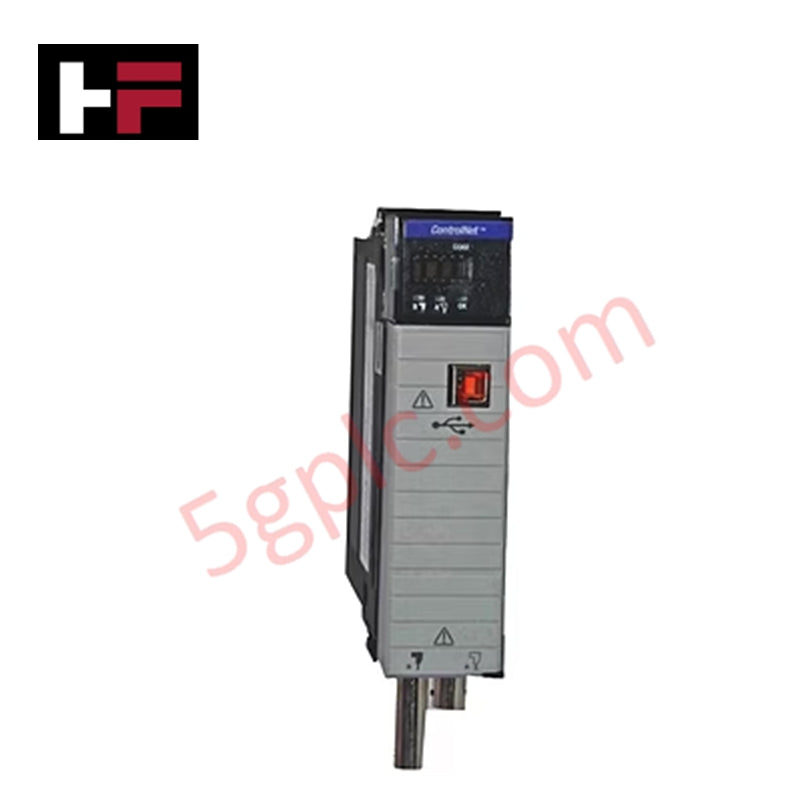
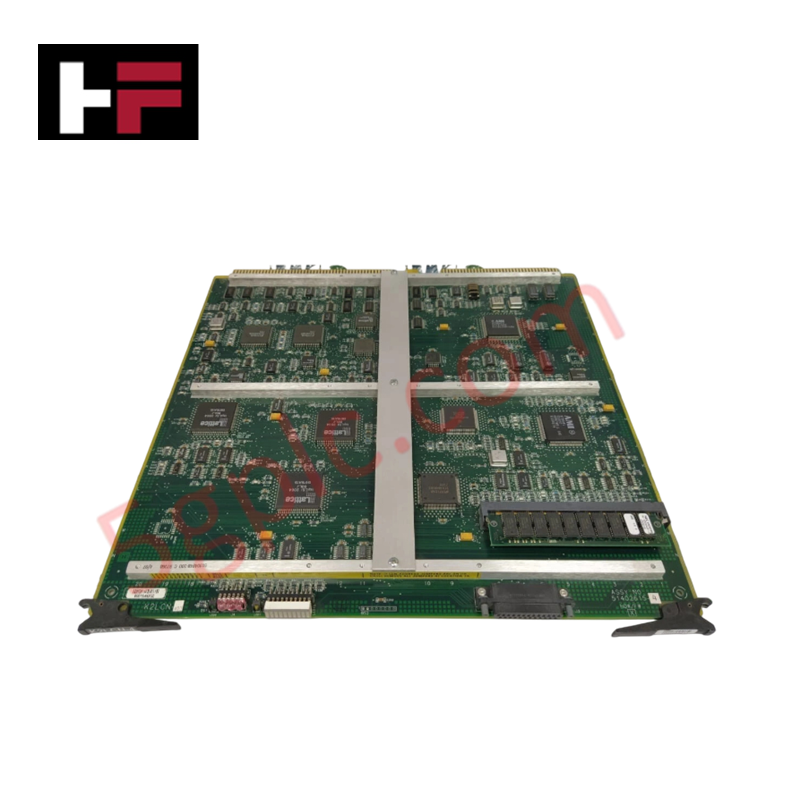
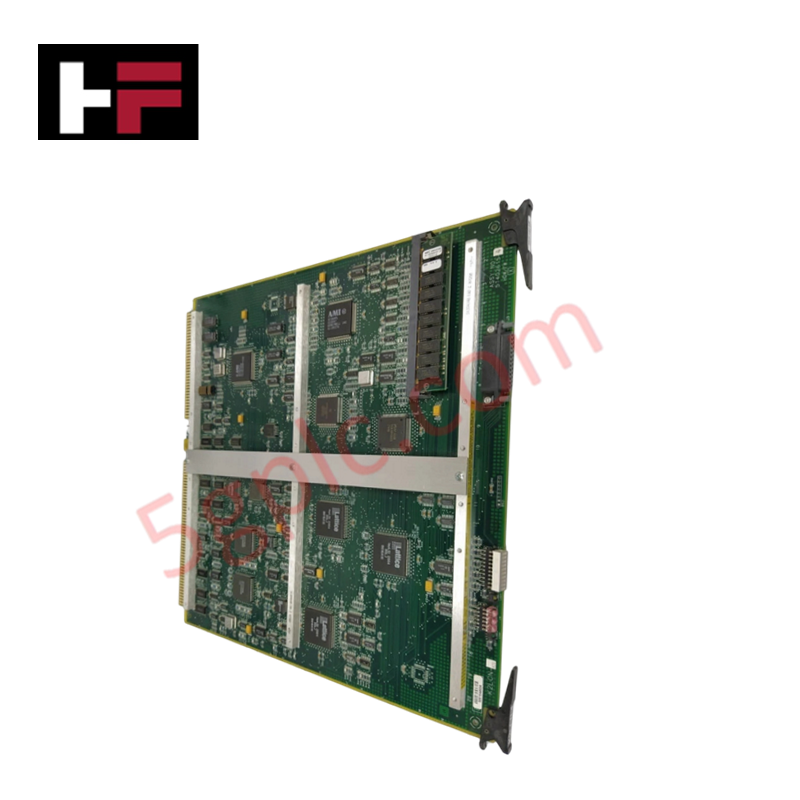
The Allen Bradley 1756-CN2RK serves as a high-performance ControlNet communication bridge within the ControlLogix ecosystem. This module facilitates deterministic, high-speed data exchange between controllers and I/O devices across a redundant media topology. We provide this unit as 100% Brand New and Original, featuring factory-applied Conformal Coating to ensure long-term hardware integrity in corrosive or humid industrial atmospheres.
Part Number Breakdown
The 1756-CN2RK alphanumeric code identifies specific technical capabilities:
-
1756: Identifies the ControlLogix platform compatibility.
-
CN: Designates the ControlNet protocol interface.
-
2: Indicates the enhanced "High Performance" series with expanded connection capacity.
-
R: Specifies Redundant media support (Dual BNC channels).
-
K: Denotes Conformal Coating for environmental hardening.
Technical Specifications
This module manages complex network traffic with the following engineering parameters:
| Feature | Specification |
| Network Protocol | ControlNet |
| Communication Rate | 5 Mbps |
| Channels | Dual (Redundant Media Support) |
| Logix Connections | 128 Maximum |
| Environmental Protection | Conformal Coated PCB |
| Slot Width | Single Slot |
| Weight | 0.88 lbs (0.40 kg) |
| Module Type | Communication Bridge / Rack Mount |
Engineering Advantages
-
Redundant Data Pathways: Dual BNC ports allow for media redundancy. If a primary cable fails, the module switches to the secondary path instantly, preventing process downtime and maintaining deterministic control.
-
Aggressive Corrosion Resistance: The "K" version conformal coating protects internal circuitry from salt spray, humidity, and chemical contaminants. This makes it essential for wastewater treatment, oil and gas, and chemical processing facilities.
-
Expanded Connection Density: Supporting up to 128 Logix connections, this module handles massive I/O counts and multi-controller interlocking without bottlenecking the backplane.
-
Deterministic Performance: Unlike standard Ethernet, this module utilizes a scheduled Network Update Time (NUT) to guarantee that critical control data arrives precisely when the logic demands it, eliminating network jitter.
FAQs
-
What is the benefit of the "K" suffix on the 1756-CN2RK?
The "K" signifies a conformal coating. This protective layer shields the electronic components from environmental hazards like moisture and corrosive vapors, significantly extending the module's lifespan in harsh plant conditions.
-
Does this module support redundant controllers?
Yes. The 1756-CN2RK supports redundant ControlLogix controller architectures. It facilitates the high-speed synchronization required to maintain a seamless transition between primary and secondary processors.
-
Can I replace a 1756-CNB with this module?
The 1756-CN2RK offers significantly higher performance and connection capacity than the legacy 1756-CNB. However, you must verify your firmware compatibility and RSLogix/Studio 5000 project configuration before upgrading.
-
Is this a factory-sealed unit?
Absolutely. We only supply 100% Brand New original Allen Bradley hardware. Each 1756-CN2RK arrives in its original factory packaging with a clear chain of custody.
Additional Information
- 100% Genuine Parts: All products are original and authentic, ensuring reliable industrial performance.
- 30-Day Refund Guarantee: Return any in-stock item within 30 days in original, unopened packaging for a full refund (excluding shipping and fees).
- 12-Month Warranty: Covers defects in materials or workmanship; excludes misuse, normal wear, or unauthorized modifications.
- Worldwide Shipping: We ship via USPS, UPS, FedEx, and DHL. Delivery times vary by country and may be subject to customs or import fees.
- Support & Contact: Technical and warranty assistance is available anytime. Contact us here: Contact.
- Purchase Guidance: Check product specifications and compatibility carefully before ordering to ensure proper application.






Tech & Buying Guide

Understanding Marshalling Cabinets in Industrial Control Systems Architecture
Industrial control system deployments rely on structured signal distribution to bridge field instrumentation with central processing hardware. A marshalling cabinet serves as the vital intermediate connection point between heavy field home-run multi-pair cables and delicate input/output (I/O) modules housed inside Programmable Logic Controller (PLC) or Distributed Control System (DCS) enclosures. By segregating field cable terminations from control hardware, engineers maintain system flexibility, safeguard controller components, and streamline commissioning workflows.

FAT vs SAT in Industrial Control Systems: Key Differences and Execution Guide
Industrial control system deployment relies on strict verification protocols to guarantee operational safety, system stability, and regulatory compliance. Commissioning complex Programmable Logic Controller (PLC) racks, Distributed Control Systems (DCS), and Safety Instrumented Systems (SIS) requires two critical milestones: the Factory Acceptance Test (FAT) and the Site Acceptance Test (SAT). Both procedures validate that system automation meets design specifications, but they occur at different stages of project execution and target distinct operational risks.

Hub vs Switch vs Router in Industrial Automation Architecture
Modern factory automation relies on reliable industrial networking infrastructure to exchange real-time field data across operational technology systems. Engineers often encounter networking hardware like hubs, switches, and routers when integrating Programmable Logic Controllers, Distributed Control Systems, and SCADA monitoring nodes. Although these devices share physical ports, they operate at different layers of the Open Systems Interconnection reference model and deliver distinct traffic management capabilities.