










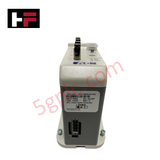
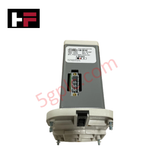
Product Details
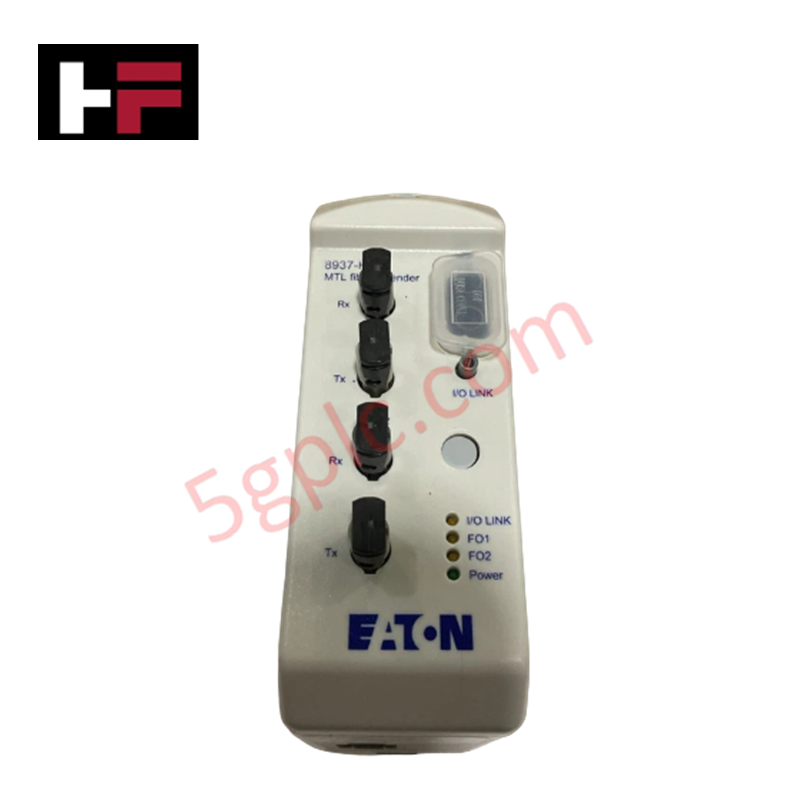
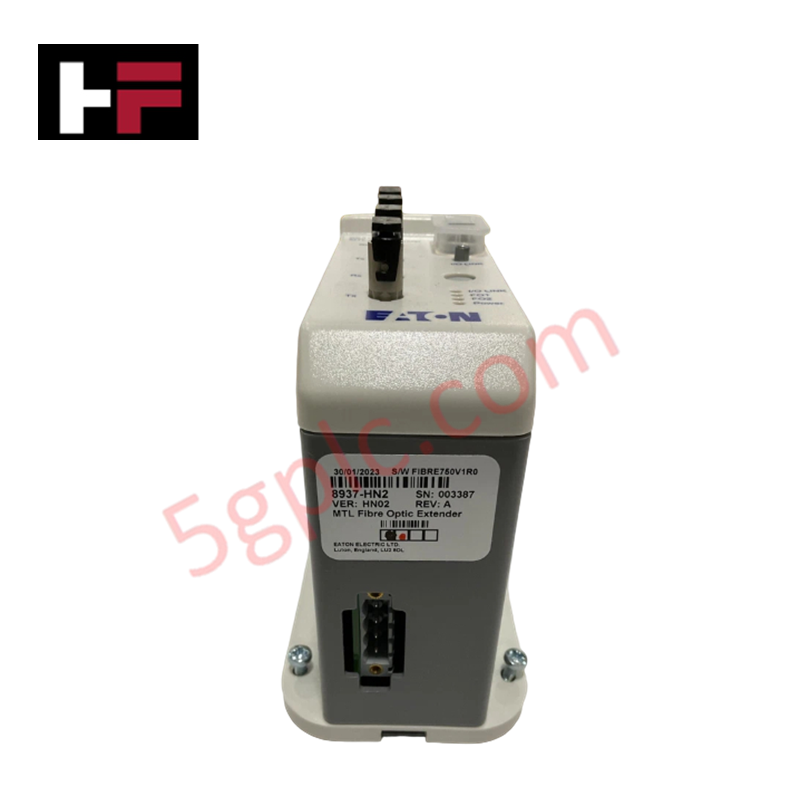
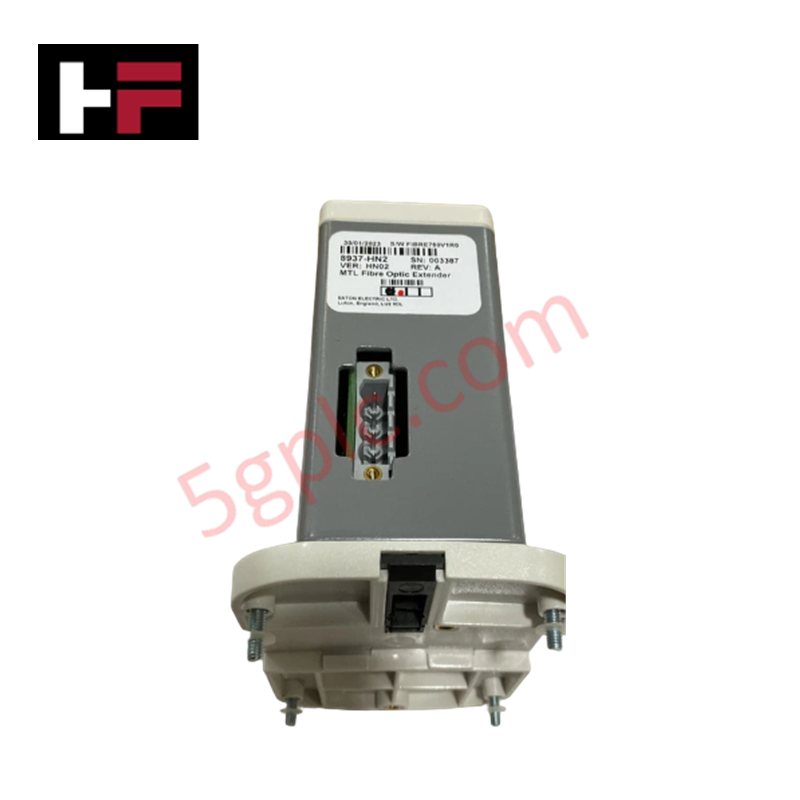
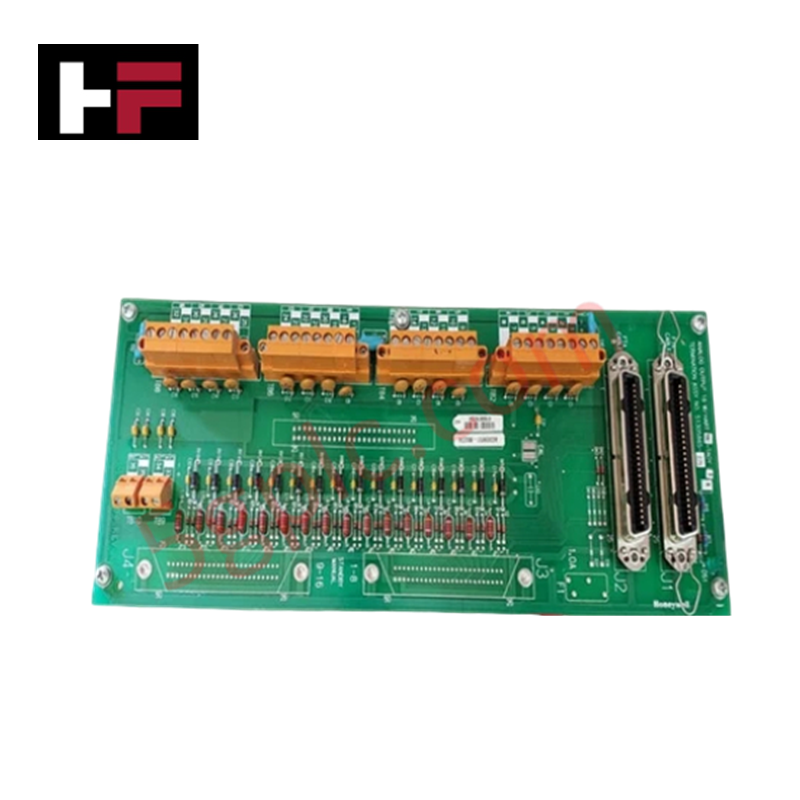
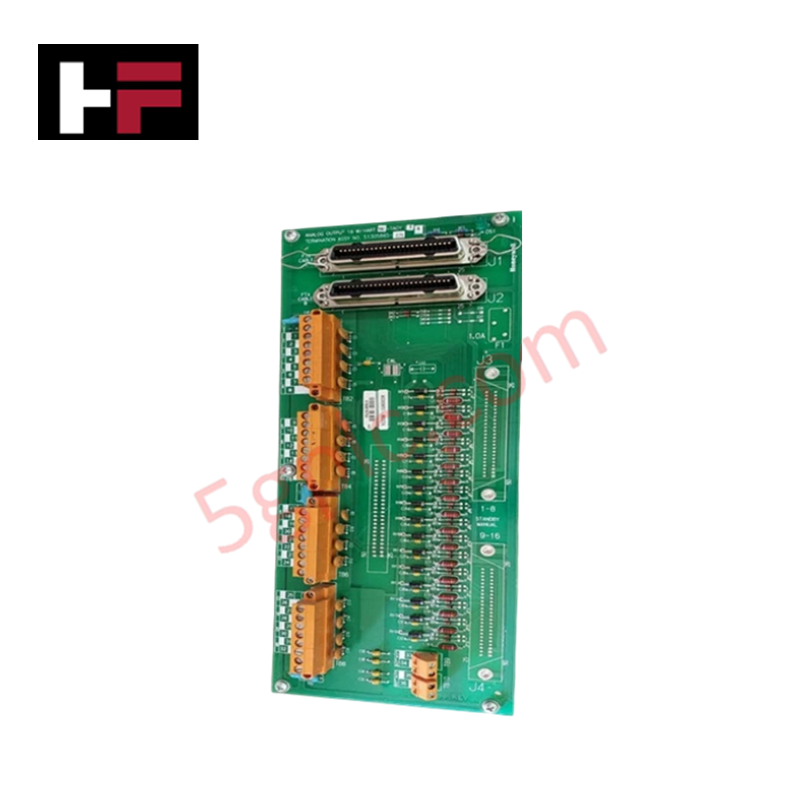
The Honeywell 8937-HN2, also cataloged as the 8937-HN2 Fiber Optic Extender Module, operates as a dedicated hardware component for extending I/O link signal transmission over optical fiber networks within Honeywell industrial control platforms.
Hardware Specifications
| Parameter | Specification |
|---|---|
| Model | 8937-HN2 |
| Brand | Honeywell |
| Origin | USA / As specified on hardware label |
| Weight | 500 g (1.10 lbs) |
| Dimensions | 150 mm x 100 mm x 50 mm |
| Operating Temp | -40 to 85 deg C |
| Power Consumption | 12-36 VDC input voltage range |
| Module Type | Fiber Optic Extender Module |
| Output Voltage Range | 0-10 VDC |
| Maximum Output Current | 5 A |
| Protection Rating | IP67 |
FOUNDATION Fieldbus and Channel-to-Channel Isolation
The 8937-HN2 optical transceiver conversion circuitry drives serial data streams over optical link topologies to bypass copper distance limitations. Integrated signal conditioning provides channel-to-channel isolation across internal power and communication pathways, preventing ground loop circulation and electromagnetic interference from corrupting critical field data. This optical isolation framework ensures deterministic telemetry routing for connected remote devices, supporting 4-20 mA HART loop protocol interfaces and FOUNDATION Fieldbus segments extended across distributed control networks.
Frequently Asked Questions
Q: What is the operating voltage range supported by the 8937-HN2 power terminal block?
A: The module accepts a wide direct current input range from 12 VDC to 36 VDC.
Q: How does optical conversion protect control system signals in high-noise environments?
A: Converting copper signal links to optical fiber provides total galvanic isolation, eliminating common-mode noise, ground potential differences, and inductive surge interference across long transmission paths.
Field Installation Guidelines
- Mount the 8937-HN2 enclosure securely using the integral mounting points, ensuring the IP67 seal integrity is maintained if exposed to harsh ambient conditions.
- Inspect all optical fiber connectors for cleanliness and dust contamination before inserting them into the transceiver ports.
- Connect incoming 12-36 VDC power leads to the designated screw terminals, verifying correct polarity prior to energizing the module.
- Ensure all metallic cable glands and shield drain wires are tied to a dedicated local earth ground point to maintain noise suppression standards.
Additional Information
- 100% Genuine Parts: All products are original and authentic, ensuring reliable industrial performance.
- 30-Day Refund Guarantee: Return any in-stock item within 30 days in original, unopened packaging for a full refund (excluding shipping and fees).
- 12-Month Warranty: Covers defects in materials or workmanship; excludes misuse, normal wear, or unauthorized modifications.
- Worldwide Shipping: We ship via USPS, UPS, FedEx, and DHL. Delivery times vary by country and may be subject to customs or import fees.
- Support & Contact: Technical and warranty assistance is available anytime. Contact us here: Contact.
- Purchase Guidance: Check product specifications and compatibility carefully before ordering to ensure proper application.


Tech & Buying Guide

Spatial Computing in Industrial Automation: Elevating PLC and DCS Operations with AR and VR
Industry 4.0 integrates digital intelligence into field operations, transforming factory automation landscapes worldwide. Spatial technologies—specifically Augmented Reality (AR) and Virtual Reality (VR)—redefine how engineers interact with industrial control systems. By bridging computer-generated CAD models with real-time operational technology (OT) data, immersive displays enable intuitive monitoring, rapid diagnostics, and safer maintenance across complex processing facilities.

Master Acceptance Testing: Understanding FAT and SAT in Industrial Control Systems
Factory Acceptance Testing (FAT) and Site Acceptance Testing (SAT) serve as critical quality assurance gateways in complex industrial control systems. Both procedures verify that programmable logic controllers (PLCs), distributed control systems (DCS), and associated field devices meet strict functional specifications. However, executing these tests effectively requires clear delineation between off-site staging and final field commissioning.

Industrial Networking Essentials: Demystifying Hubs, Switches, and Routers in Control Systems
Industrial automation relies heavily on robust networking infrastructure to connect programmable logic controllers (PLCs), distributed control systems (DCS), and human-machine interfaces (HMIs). Modern factory automation environments generate vast amounts of real-time operational data across deterministic networks. Understanding the structural differences between hubs, switches, and routers ensures optimal traffic segmentation, minimizes latency, and maintains high network availability.