










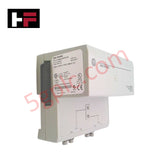
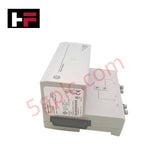
Product Details
Product Overview
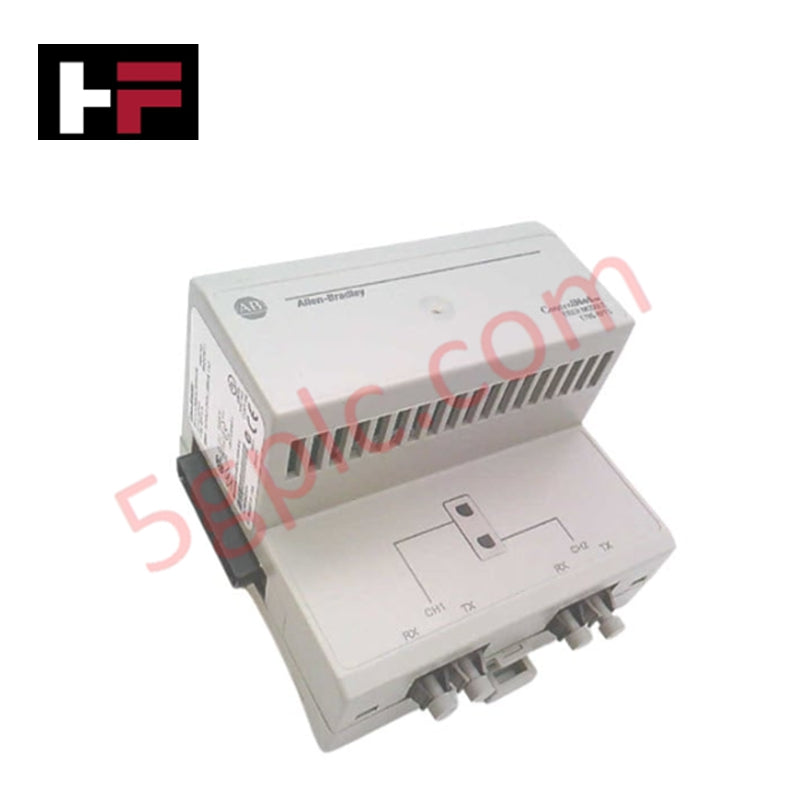
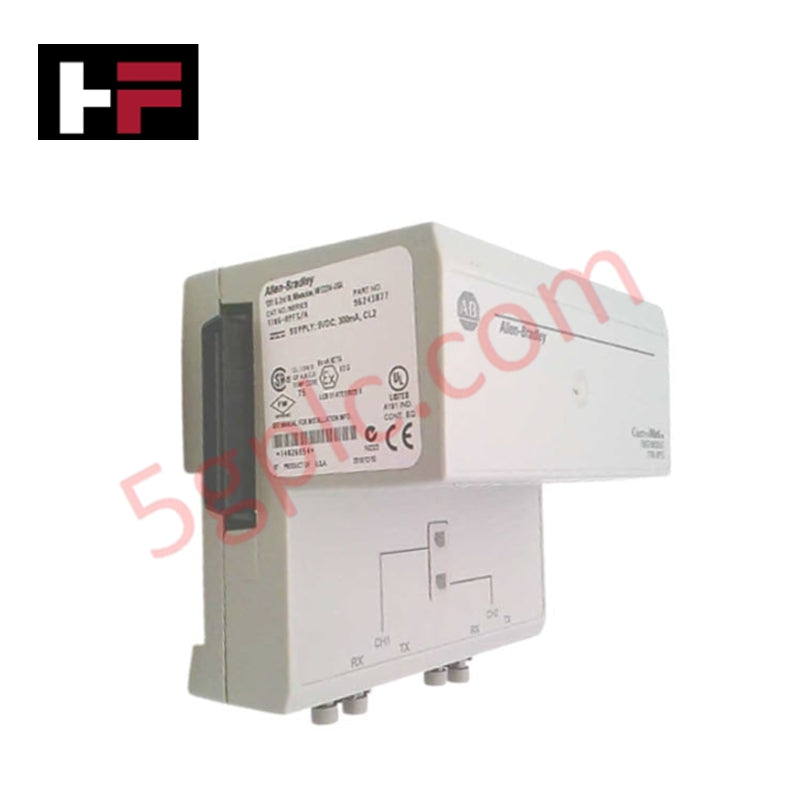
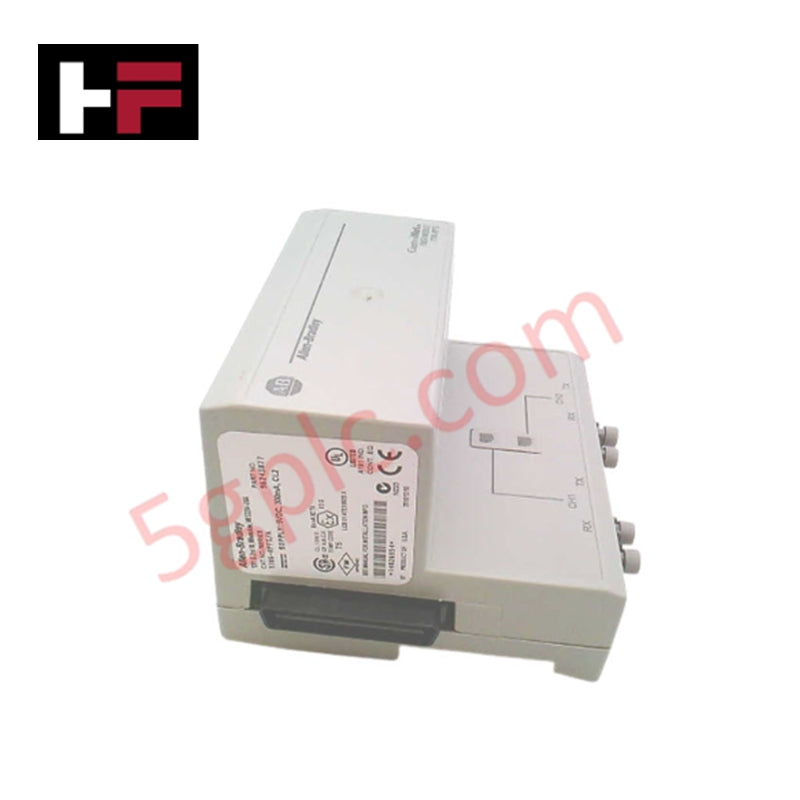
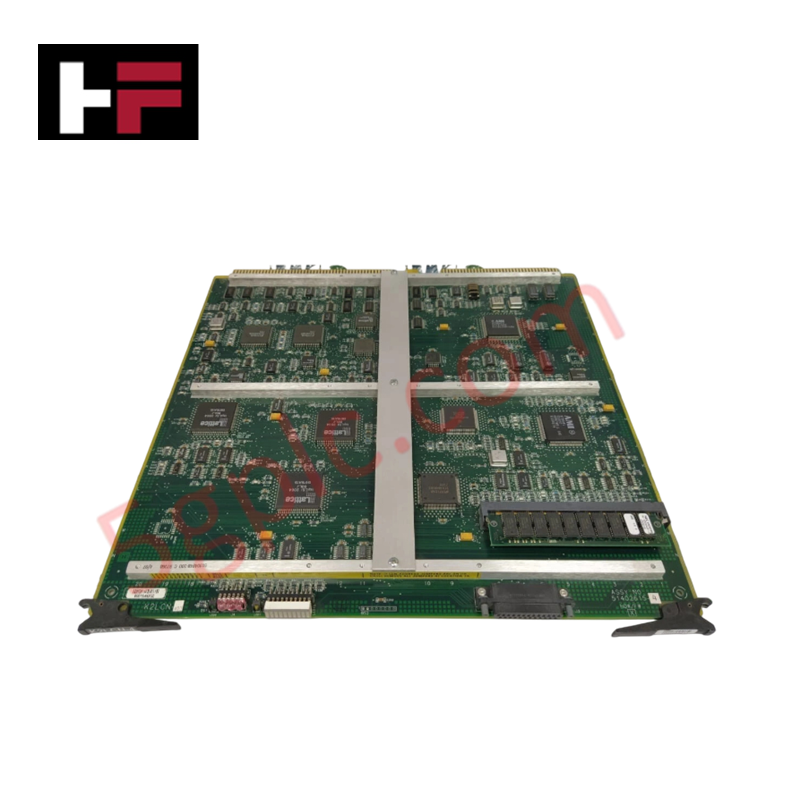
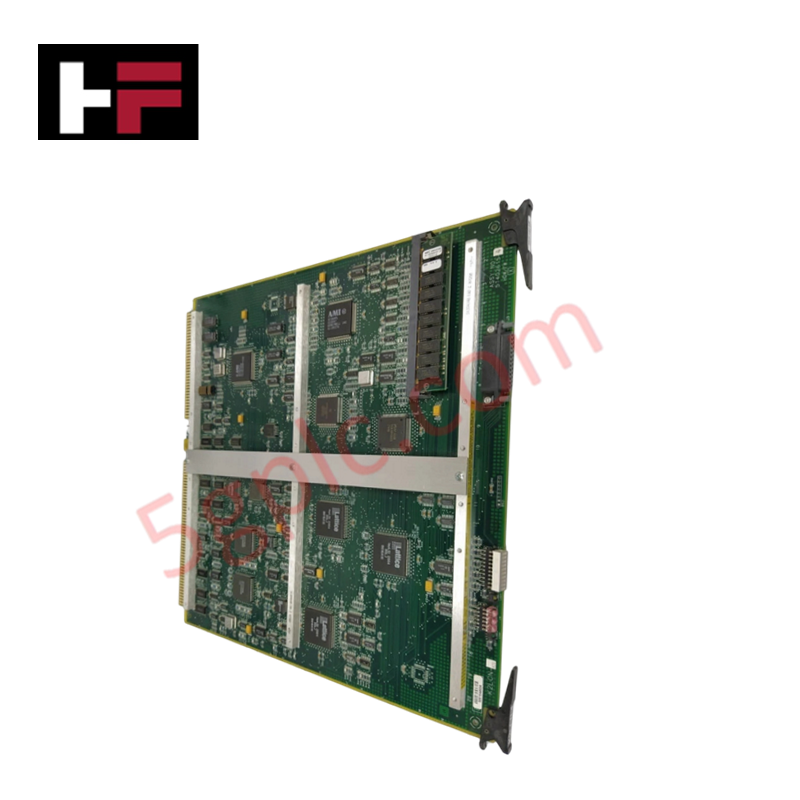
The Allen-Bradley 1786-RPFS serves as a specialized high-speed communication link for ControlNet industrial networks. This ring repeater converts electrical signals into light pulses, allowing data transmission over dual fiber optic channels. It facilitates long-distance communication in environments where traditional copper cabling fails due to distance limitations or heavy electrical interference. We supply this unit as 100% Brand New original factory stock, ensuring your network maintains maximum throughput and deterministic performance.
Technical Specifications
| Feature | Specification |
| Manufacturer | Allen-Bradley / Rockwell Automation |
| Product Line | ControlNet 1786 Series |
| Module Type | Fiber Optic Ring Repeater |
| Channels | Dual Fiber Optic Channel |
| Fiber Compatibility | 200/230 $\mu$m Single-Mode Fiber |
| Maximum Distance | 300 Meters (984 ft) |
| Input Voltage | 24V DC Nominal |
| Mounting | 35mm DIN-Rail Mount |
| Communication Rate | 5 Mbps (ControlNet Standard) |
| Weight | 0.25 lbs (0.11 kg) |
Engineering Advantages
-
Immunity to Electromagnetic Interference (EMI): The 1786-RPFS uses fiber optic media to carry data, which completely eliminates the risk of ground loops and electrical noise induction. This makes it the preferred choice for connecting ControlNet nodes located near high-voltage motor drives or arc-welding equipment.
-
Deterministic Network Extension: By repeating the signal at the physical layer, this module extends the network span up to 300 meters without introducing variable latency. This ensures that time-critical I/O data remains synchronized across large manufacturing floors.
-
Redundant Ring Capability: The dual-channel architecture supports the creation of fiber optic rings. If one fiber link breaks, the repeater instantly utilizes the secondary path to maintain communication, preventing a total system shutdown.
-
Simplified DIN-Rail Integration: The compact, lightweight 0.25 lb housing snaps directly onto standard DIN rails. This allows engineers to place repeaters inside localized junction boxes or remote I/O cabinets without specialized mounting plates.
-
Efficient Power Management: The unit operates on standard 24V DC industrial power. This simplifies the wiring architecture as it shares the same power bus as most PLC modules and field sensors.
FAQs
-
Does the 1786-RPFS support multi-mode fiber?
This specific model identifies compatibility with 200/230 $\mu$m single-mode fiber. Always verify your cable specifications before installation to prevent excessive signal attenuation or connector mismatch.
-
Can I mix fiber and copper ControlNet segments?
Yes. You typically use the 1786-RPFS alongside a copper-to-fiber modular repeater (such as the 1786-RPFM) to transition from standard BNC coaxial cable to the fiber optic backbone.
-
What are the termination requirements for unused ports?
Unlike coaxial ControlNet segments which require 75-ohm terminators, fiber ports require no physical termination; however, we recommend using protective dust caps to prevent contamination of the optical lens.
-
Is this a factory-sealed new unit?
Yes. We guarantee this 1786-RPFS is 100% Brand New. It ships in original Allen-Bradley packaging with intact factory seals to ensure the optical components remain in pristine, unexposed condition.
Additional Information
- 100% Genuine Parts: All products are original and authentic, ensuring reliable industrial performance.
- 30-Day Refund Guarantee: Return any in-stock item within 30 days in original, unopened packaging for a full refund (excluding shipping and fees).
- 12-Month Warranty: Covers defects in materials or workmanship; excludes misuse, normal wear, or unauthorized modifications.
- Worldwide Shipping: We ship via USPS, UPS, FedEx, and DHL. Delivery times vary by country and may be subject to customs or import fees.
- Support & Contact: Technical and warranty assistance is available anytime. Contact us here: Contact.
- Purchase Guidance: Check product specifications and compatibility carefully before ordering to ensure proper application.






Tech & Buying Guide

Understanding Marshalling Cabinets in Industrial Control Systems Architecture
Industrial control system deployments rely on structured signal distribution to bridge field instrumentation with central processing hardware. A marshalling cabinet serves as the vital intermediate connection point between heavy field home-run multi-pair cables and delicate input/output (I/O) modules housed inside Programmable Logic Controller (PLC) or Distributed Control System (DCS) enclosures. By segregating field cable terminations from control hardware, engineers maintain system flexibility, safeguard controller components, and streamline commissioning workflows.

FAT vs SAT in Industrial Control Systems: Key Differences and Execution Guide
Industrial control system deployment relies on strict verification protocols to guarantee operational safety, system stability, and regulatory compliance. Commissioning complex Programmable Logic Controller (PLC) racks, Distributed Control Systems (DCS), and Safety Instrumented Systems (SIS) requires two critical milestones: the Factory Acceptance Test (FAT) and the Site Acceptance Test (SAT). Both procedures validate that system automation meets design specifications, but they occur at different stages of project execution and target distinct operational risks.

Hub vs Switch vs Router in Industrial Automation Architecture
Modern factory automation relies on reliable industrial networking infrastructure to exchange real-time field data across operational technology systems. Engineers often encounter networking hardware like hubs, switches, and routers when integrating Programmable Logic Controllers, Distributed Control Systems, and SCADA monitoring nodes. Although these devices share physical ports, they operate at different layers of the Open Systems Interconnection reference model and deliver distinct traffic management capabilities.