












Product Details
Product Overview
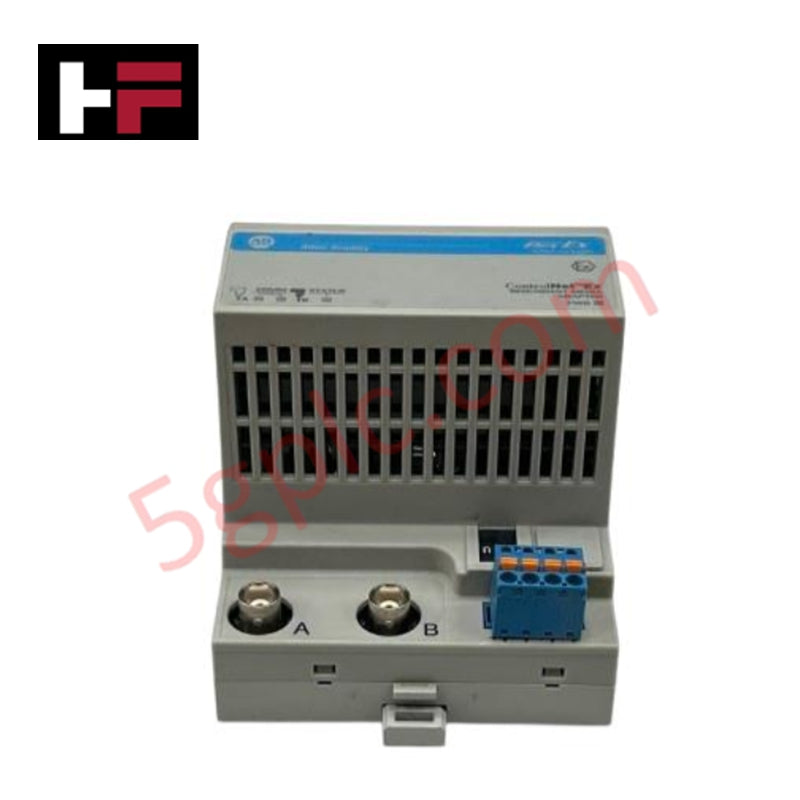
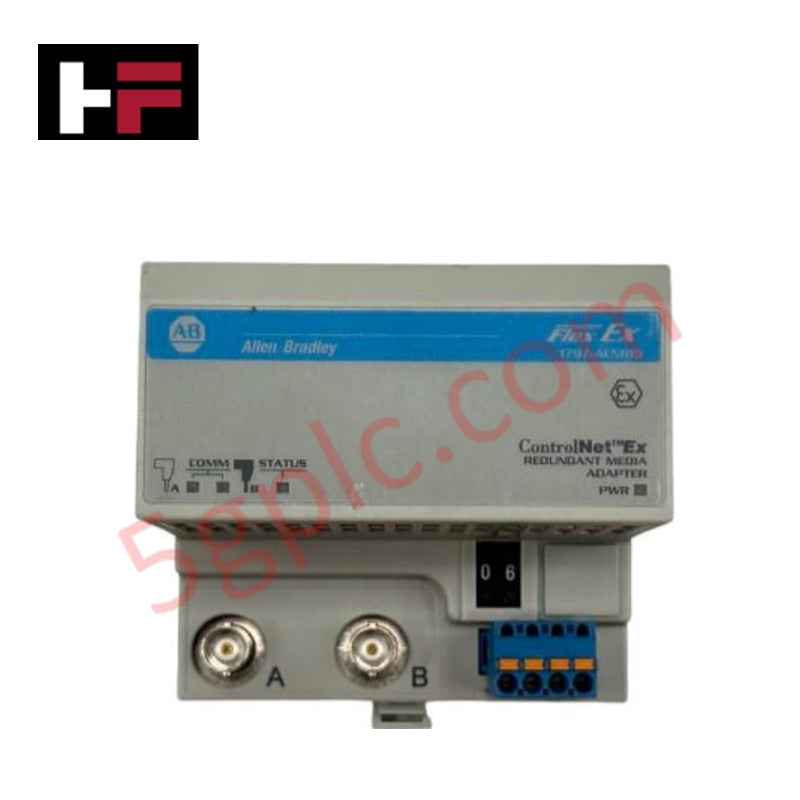
The Allen Bradley 1797-ACNR15 functions as a high-performance communication interface for the FLEX Ex™ I/O platform. This adapter enables seamless data exchange between a ControlNet network and up to eight intrinsically safe (IS) I/O modules located in Zone 1 or Class I, Division 1 hazardous areas. We supply this unit as 100% Brand New and Original, featuring dual ControlNet BNC ports to provide physical media redundancy for critical process control loops in explosive atmospheres.
Technical Specifications
The 1797-ACNR15 operates with specific power and environmental ratings required for volatile industrial sites:
| Feature | Specification |
| I/O Capacity | Supports up to 8 Modules |
| Network Protocol | ControlNet V 1.5 |
| Communication Rate | 5 Mbps |
| Redundancy | Dual (2) BNC ControlNet Ports |
| Intrinsic Safety Rating | Class I Div 1 Groups A-D; Ex ib IIB/IIC T4 |
| Operating Temperature | -20 to 70 °C (-4 to 158 °F) |
| Power Consumption | 8.5 W |
| Output Power | 5.4V DC |
| Vibration Resistance | 2 g @ 10–500 Hz |
| Wire Size (Max) | 3.31 mm² (12 AWG) |
| Status Indicators | Comm A/B, Module Status, Power (LED) |
Engineering Advantages
-
Intrinsically Safe Architecture: The 1797-ACNR15 eliminates the need for bulky explosion-proof enclosures or long cable runs from safe zones. By mounting directly in Class I Division 1 areas, it reduces installation costs and simplifies field-side wiring.
-
Fault-Tolerant Networking: Dual ControlNet ports ensure system availability. If one coaxial cable fails, the adapter switches communication to the redundant path instantly, preventing process shutdowns in oil, gas, or chemical refinery operations.
-
Extreme Thermal Performance: A surrounding temperature rating of up to 85 °C allows this adapter to function in high-heat process environments without the risk of thermal shutdown or signal degradation.
-
Streamlined DIN Rail Integration: The module snaps onto standard DIN rails and connects to the FLEX Ex backplane. This modular design permits rapid hardware replacement and scales easily as process requirements expand.
-
Rugged Mechanical Build: IEC 68-2-6 compliant vibration testing (2 g) ensures that the unit maintains electrical integrity even when mounted on heavy processing equipment or near high-vibration machinery.
FAQs
-
What type of ControlNet cable does this adapter require?
Use Allen-Bradley RG-6/U Quad shield coax. For standard installations, use part number 1786-RG6. For applications requiring high flexibility, select the 1786-RG6F/A cable.
-
How many I/O modules can a single 1797-ACNR15 support?
This adapter manages a maximum of eight FLEX Ex I/O modules. Ensure your total backplane power consumption does not exceed the adapter's output limits.
-
Can I use this module in non-hazardous areas?
While technically possible, the 1797-ACNR15 is specifically engineered and certified for Intrinsically Safe environments. For standard non-hazardous applications, the 1794-ACNR15 provides a more cost-effective alternative.
-
Does this unit arrive in factory-sealed packaging?
Yes. We guarantee this 1797-ACNR15 is 100% Brand New and Original. Each module arrives in the original manufacturer's box with full documentation and quality seals intact.
Additional Information
- 100% Genuine Parts: All products are original and authentic, ensuring reliable industrial performance.
- 30-Day Refund Guarantee: Return any in-stock item within 30 days in original, unopened packaging for a full refund (excluding shipping and fees).
- 12-Month Warranty: Covers defects in materials or workmanship; excludes misuse, normal wear, or unauthorized modifications.
- Worldwide Shipping: We ship via USPS, UPS, FedEx, and DHL. Delivery times vary by country and may be subject to customs or import fees.
- Support & Contact: Technical and warranty assistance is available anytime. Contact us here: Contact.
- Purchase Guidance: Check product specifications and compatibility carefully before ordering to ensure proper application.






Tech & Buying Guide

Understanding Marshalling Cabinets in Industrial Control Systems Architecture
Industrial control system deployments rely on structured signal distribution to bridge field instrumentation with central processing hardware. A marshalling cabinet serves as the vital intermediate connection point between heavy field home-run multi-pair cables and delicate input/output (I/O) modules housed inside Programmable Logic Controller (PLC) or Distributed Control System (DCS) enclosures. By segregating field cable terminations from control hardware, engineers maintain system flexibility, safeguard controller components, and streamline commissioning workflows.

FAT vs SAT in Industrial Control Systems: Key Differences and Execution Guide
Industrial control system deployment relies on strict verification protocols to guarantee operational safety, system stability, and regulatory compliance. Commissioning complex Programmable Logic Controller (PLC) racks, Distributed Control Systems (DCS), and Safety Instrumented Systems (SIS) requires two critical milestones: the Factory Acceptance Test (FAT) and the Site Acceptance Test (SAT). Both procedures validate that system automation meets design specifications, but they occur at different stages of project execution and target distinct operational risks.

Hub vs Switch vs Router in Industrial Automation Architecture
Modern factory automation relies on reliable industrial networking infrastructure to exchange real-time field data across operational technology systems. Engineers often encounter networking hardware like hubs, switches, and routers when integrating Programmable Logic Controllers, Distributed Control Systems, and SCADA monitoring nodes. Although these devices share physical ports, they operate at different layers of the Open Systems Interconnection reference model and deliver distinct traffic management capabilities.