
Product Details
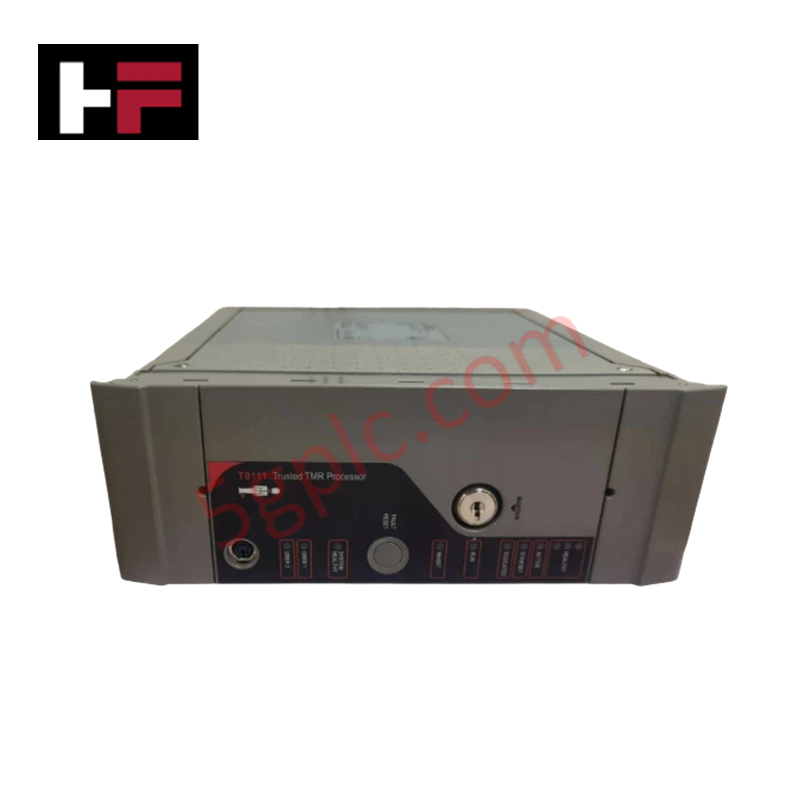
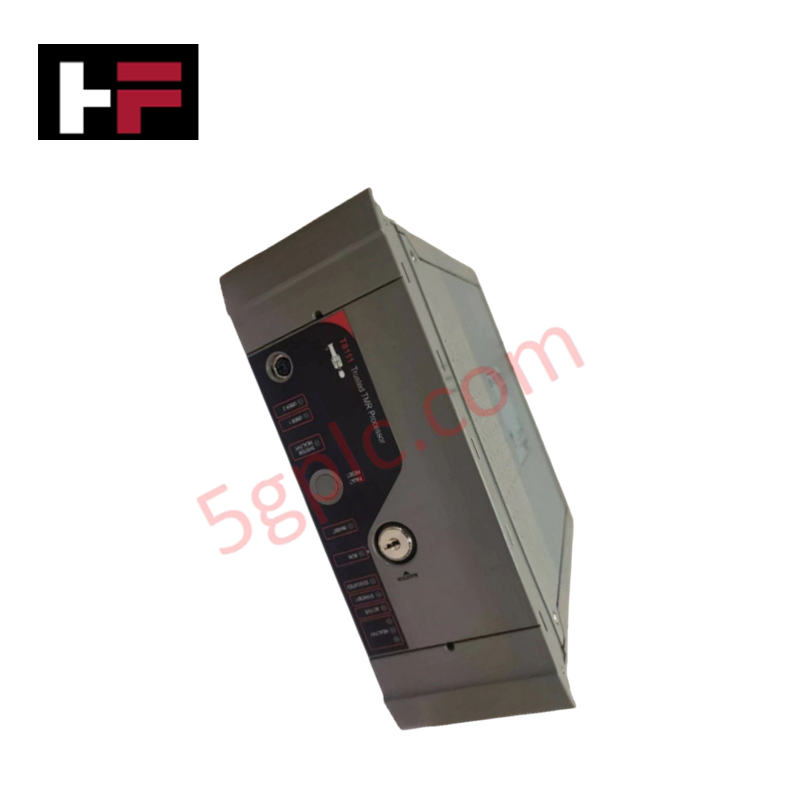
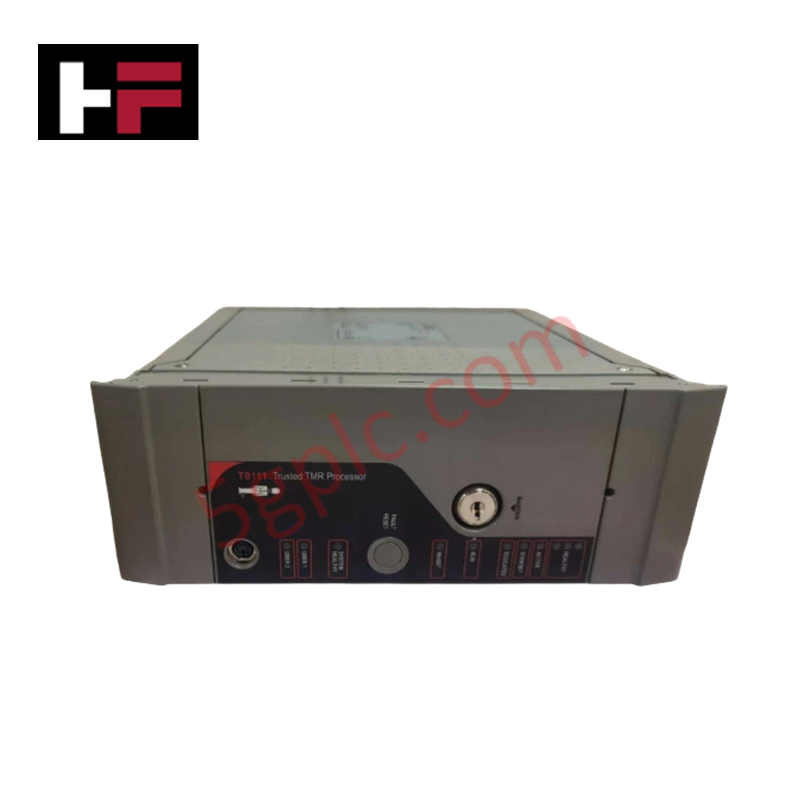
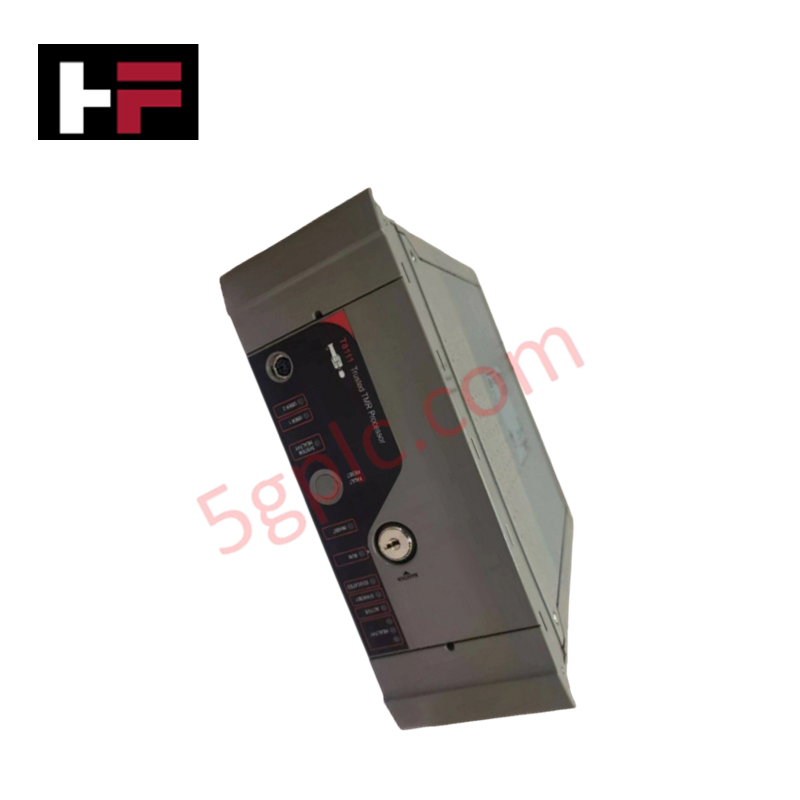
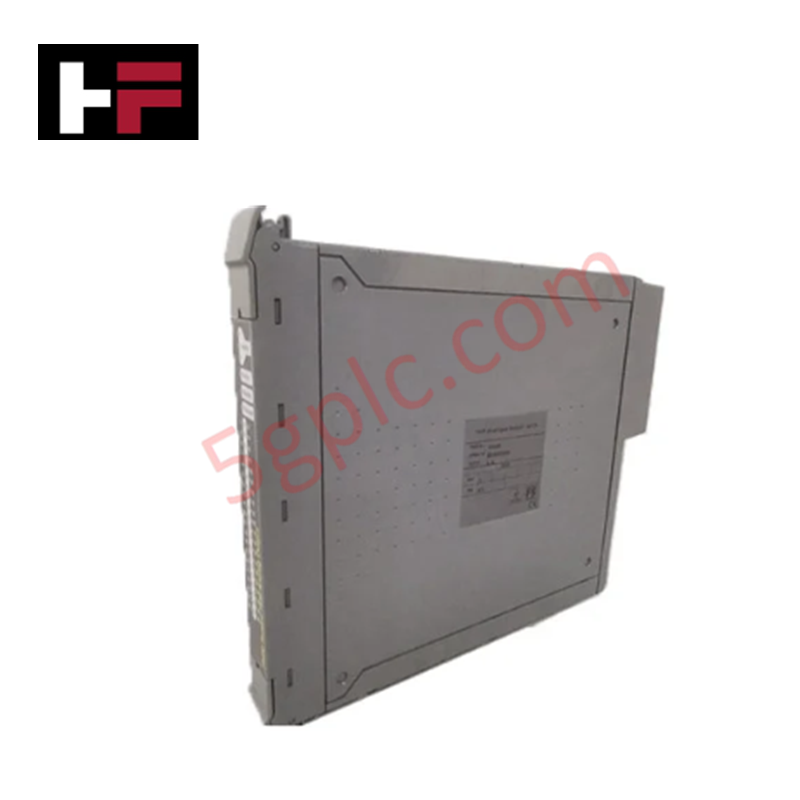
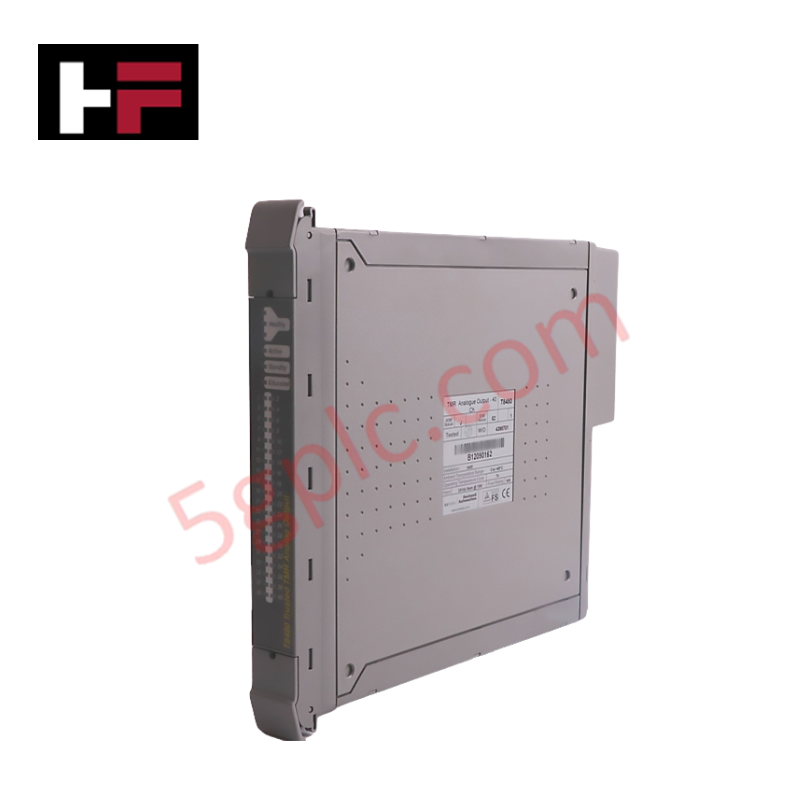
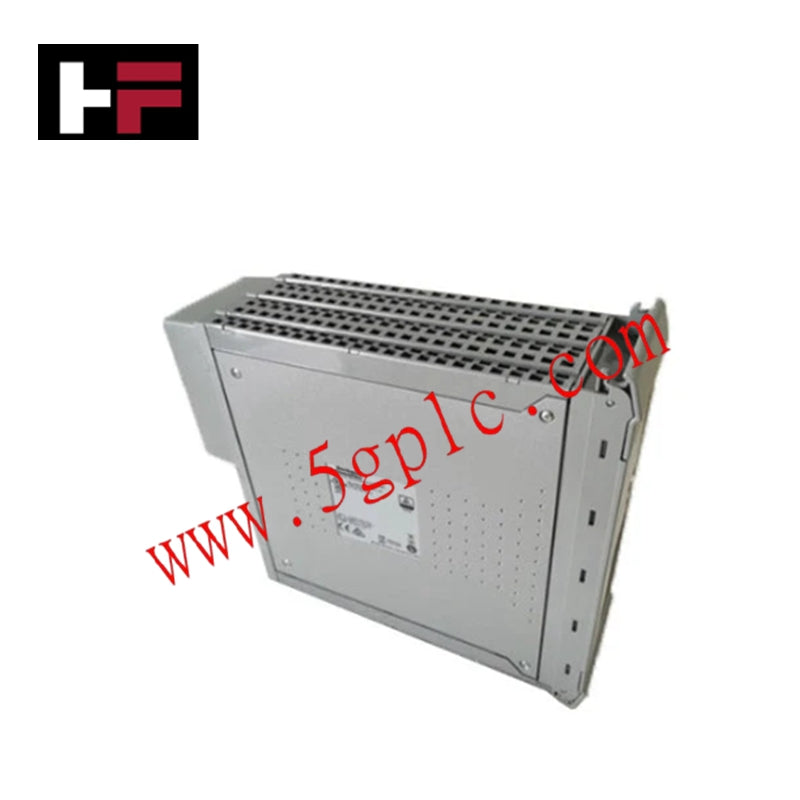
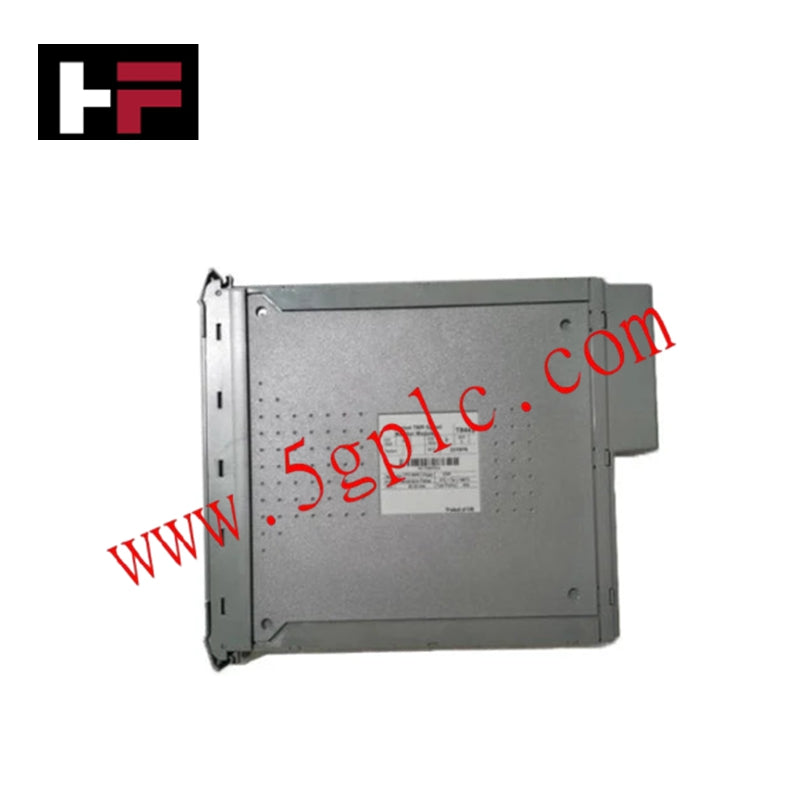
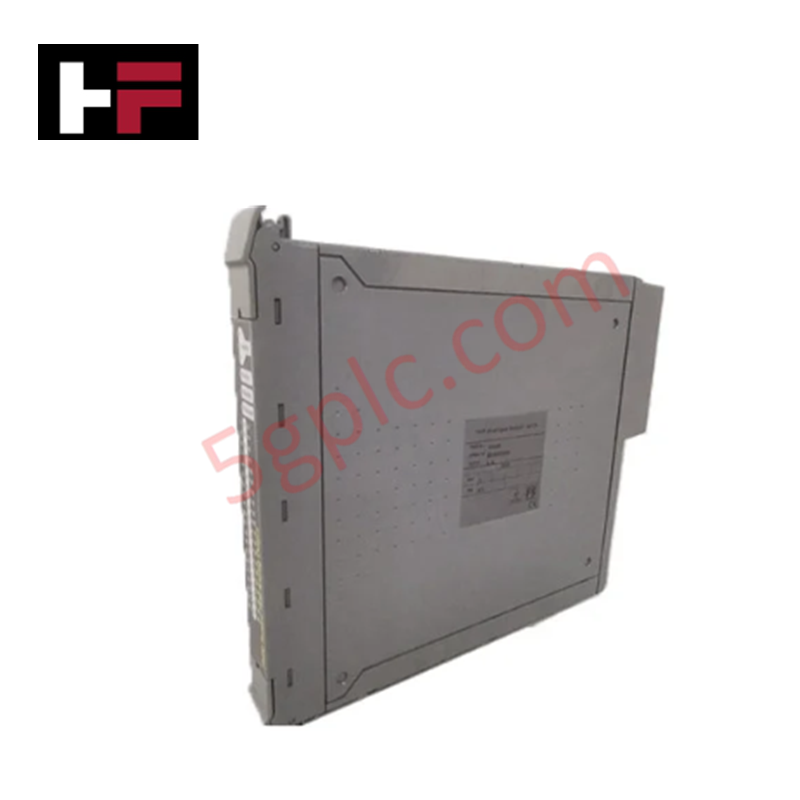
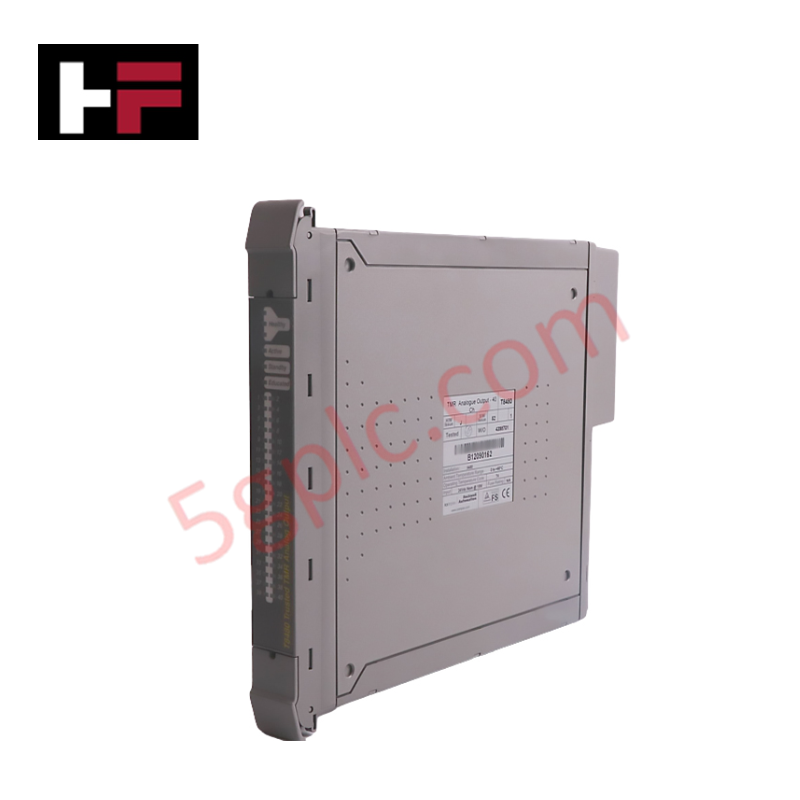
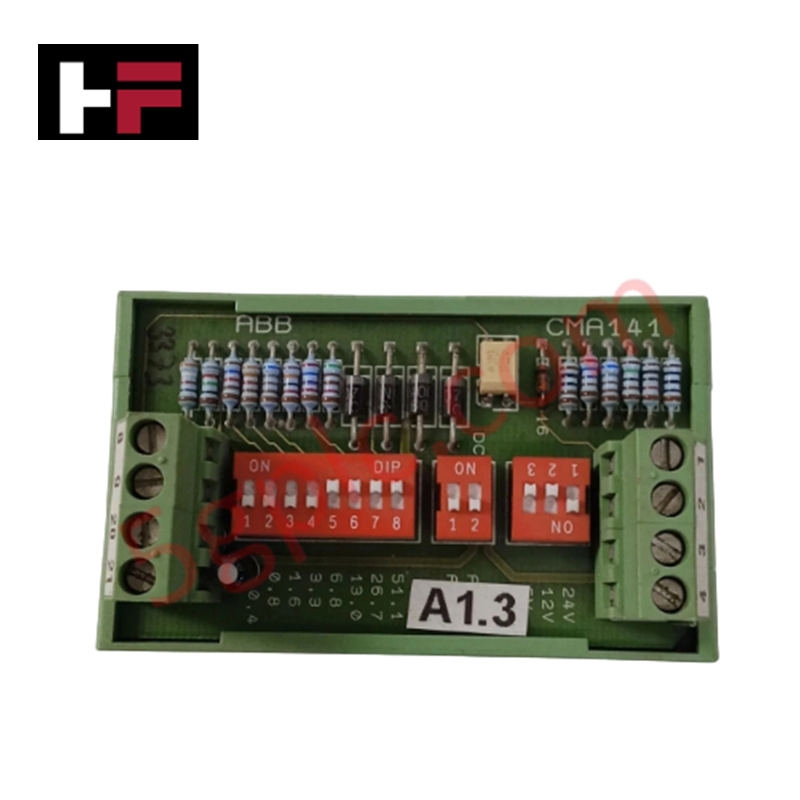
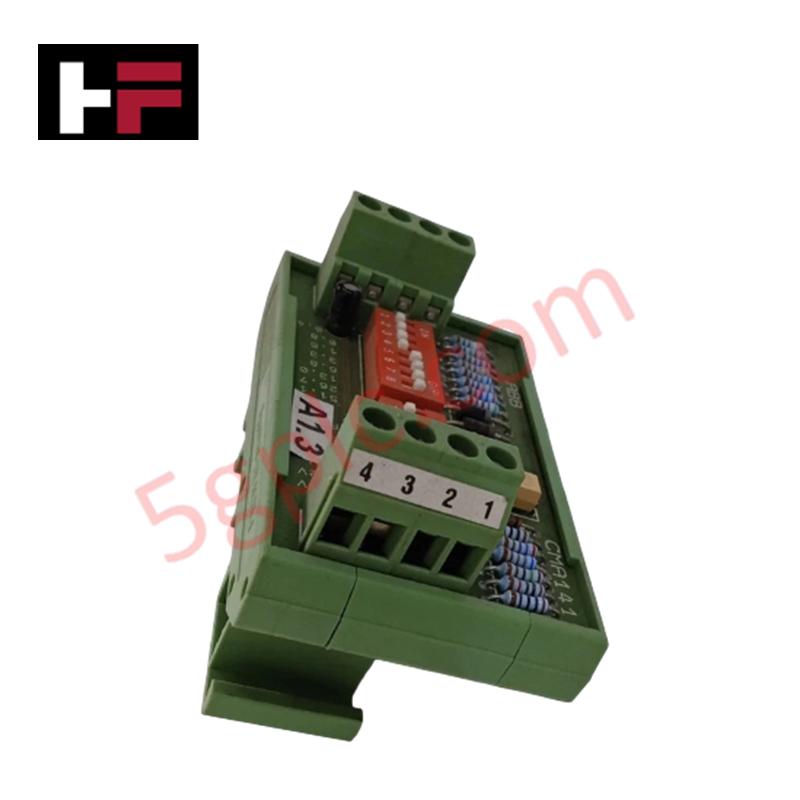
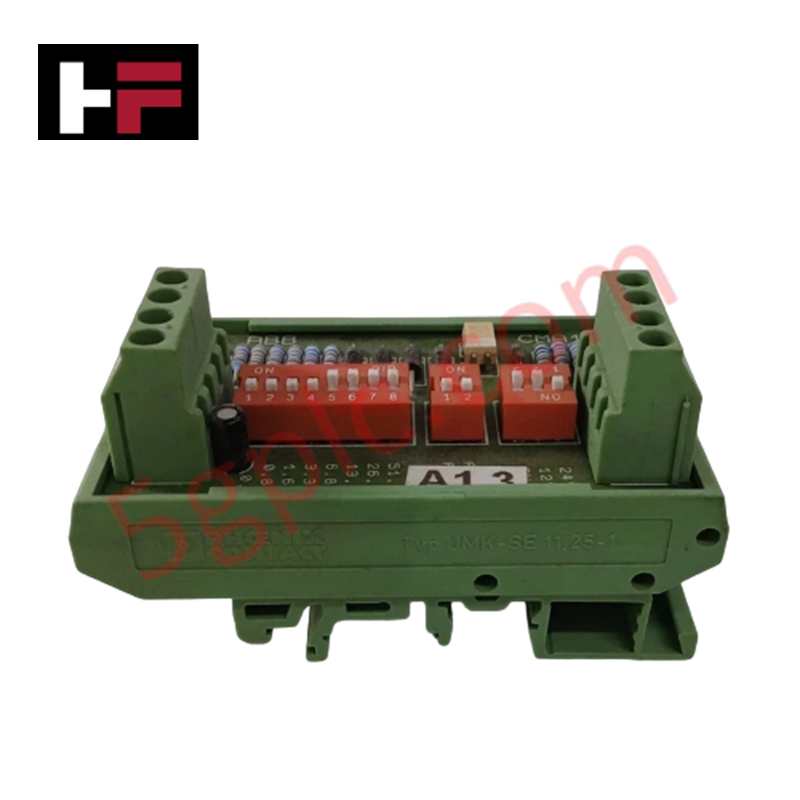
The ABB CMA141, also cataloged as the CMA141 Terminal Module, operates as a dedicated hardware component for discrete signal field wiring consolidation within distributed I/O and PLC sub-assemblies.
Hardware Specifications
| Parameter | Specification |
|---|---|
| Model | CMA141 |
| Brand | ABB |
| Origin | Sweden / Switzerland |
| Weight | 0.45 kg |
| Dimensions | 178 mm (Height) x 125 mm (Width) x 42 mm (Depth) |
| Operating Temp | -20 to +60 deg C |
| Power Consumption | Passive connection block (Zero internal power draw) |
| Number of Terminals | 16 points |
| Maximum Rated Voltage | 400 VAC / VDC |
| Continuous Current Rating | 10 A maximum per individual terminal track |
| Protection Class | IP20 (solid object protection > 12 mm) |
| Mounting Configuration | Standard DIN-rail or direct sub-panel cabinet installation |
| Certifications | CE compliance |
Profinet / EtherNet/IP Deterministic Networks and I/O Density Scaling
The passive routing block acts as the mechanical interface layer for high-density I/O density scaling profiles, securing high-voltage AC and DC termination lines outside the local processor cards. By isolating field-side transients and distributing currents up to 10 A per point, the module allows stable backplane performance without inducing thermal shifts or noise spikes that could degrade Profinet / EtherNet/IP deterministic networks or cause local memory state register faults during active processor scans.
Frequently Asked Questions
Q: What are the current and voltage safety limits when running concurrent inductive loads?
A: Each separate terminal path is structurally rated to handle up to 400 VAC/VDC and a continuous load of 10 A. However, when switching inductive actuators or solenoid coils, external suppressor flyback diodes or RC snubber networks must be mounted across the load to eliminate arc generation across the terminal contacts.
Q: Is this termination hardware hot-swappable under a active 400 V electrical load?
A: No. The CMA141 is a fixed, non-disconnecting terminal block assembly. All field side power lines up to 400 V must be isolated and proven dead at the main circuit breaker before removing conductor wires or unlatching the terminal unit from the DIN rail.
Field Installation Guidelines
- DIN Rail Mounting: Snap the module onto standard symmetrically aligned DIN rails. Ensure the internal grounding clip makes direct steel-to-steel contact with a clean, unpainted segment of the chassis rail.
- Conductor Strip Lengths: Strip field wiring insulation back by standard specifications. Insert the bare copper strands fully into the screw clamp terminal box to ensure the IP20 dead-front touch barrier remains unbroken.
- Wire Routing Barriers: Route high-voltage AC supply wires (up to 400 V) in physical wire ducts that are separated from low-voltage DC communication bus cables to suppress capacitive cross-talk.
Additional Information
- 100% Genuine Parts: All products are original and authentic, ensuring reliable industrial performance.
- 30-Day Refund Guarantee: Return any in-stock item within 30 days in original, unopened packaging for a full refund (excluding shipping and fees).
- 12-Month Warranty: Covers defects in materials or workmanship; excludes misuse, normal wear, or unauthorized modifications.
- Worldwide Shipping: We ship via USPS, UPS, FedEx, and DHL. Delivery times vary by country and may be subject to customs or import fees.
- Support & Contact: Technical and warranty assistance is available anytime. Contact us here: Contact.
- Purchase Guidance: Check product specifications and compatibility carefully before ordering to ensure proper application.


Tech & Buying Guide
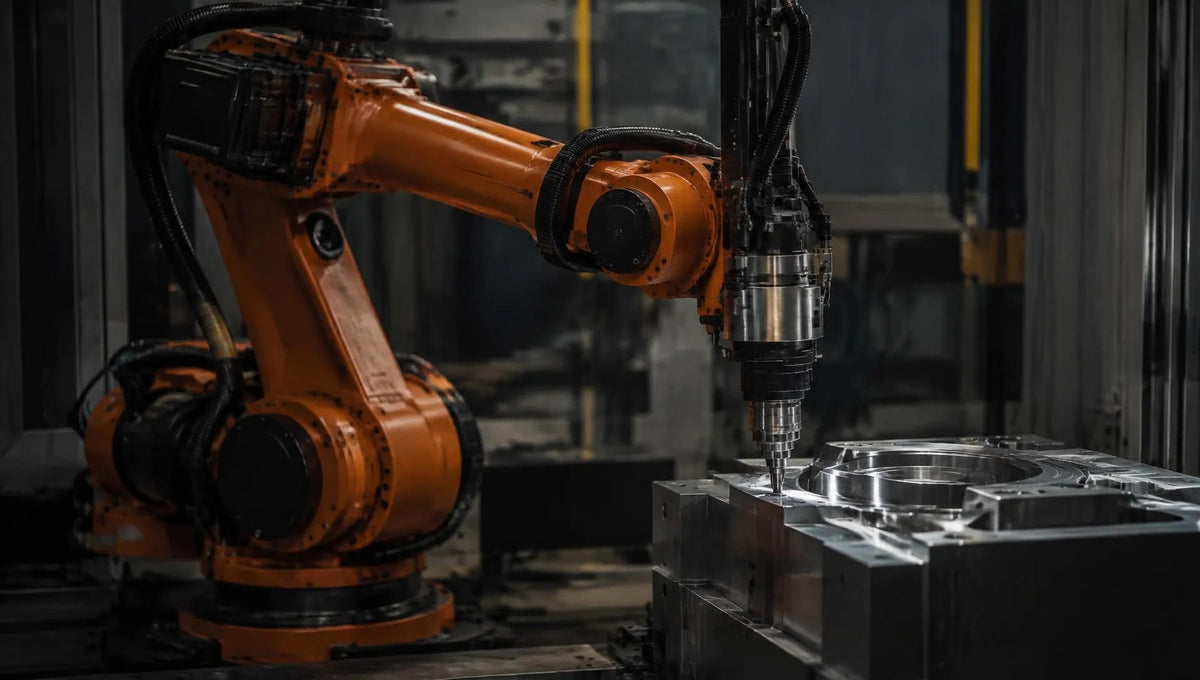
Understanding Instrumentation Control Systems in Modern Industrial Automation
An instrumentation control system (ICS) serves as the central nervous system of modern manufacturing plants and processing facilities. Engineers classify these setups as Electrical, Electronic, or Programmable Electronic Systems (E/E/PES). In practice, an ICS bridges the physical world of industrial machinery with digital decision-making tools. Therefore, understanding its architecture is essential for anyone working in factory automation, process control, or plant safety.

Mastering Electrical Grounding Fundamentals in Industrial Automation and Control Systems
Electrical grounding is a complex engineering discipline. It requires deep knowledge of soil composition and conductor materials. National Electrical Code (NEC) Article 250 outlines these requirements clearly. Many engineers confuse grounding, earthing, and bonding. Grounding connects circuits to a common reference point. Earthing specifically links equipment directly to the planet. Bonding permanently joins metallic parts to ensure electrical continuity.

Architectural Blueprint of Industrial Automation and Control Systems (IACS): Standards, Safety, and Remote Operations
According to IEC 62443, Industrial Automation and Control Systems (IACS) integrate personnel, hardware, and software. These components collectively influence the safety and reliability of any industrial process. Modern control systems allow extensive remote monitoring and operation. However, enabling remote capabilities introduces complex cybersecurity challenges. Therefore, facility operators must evaluate system functions carefully before expanding connectivity.