










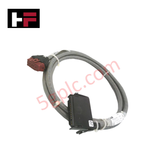
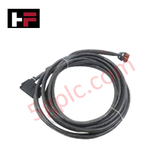
Product Details
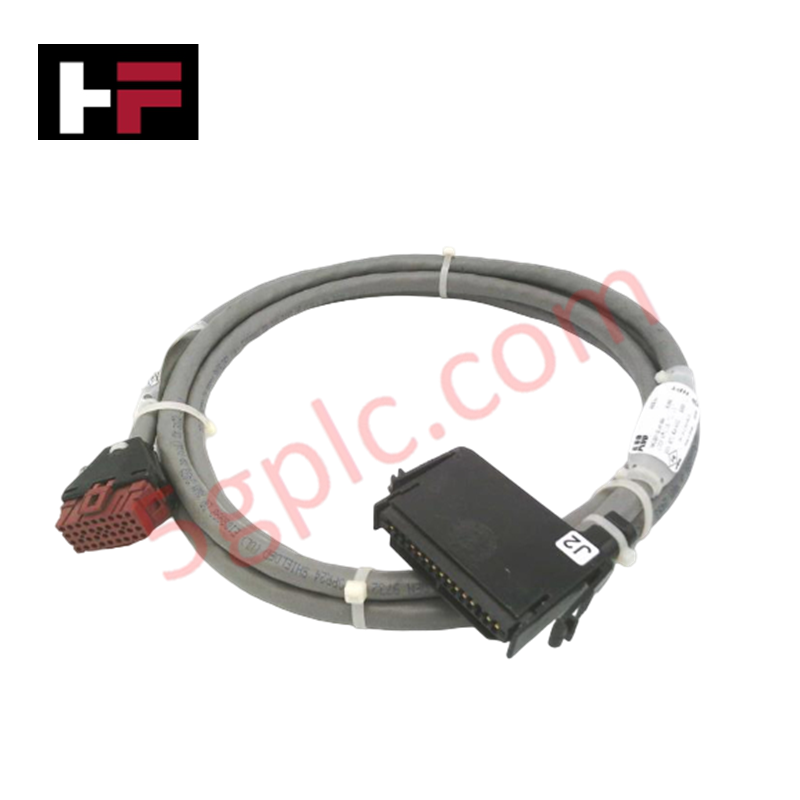
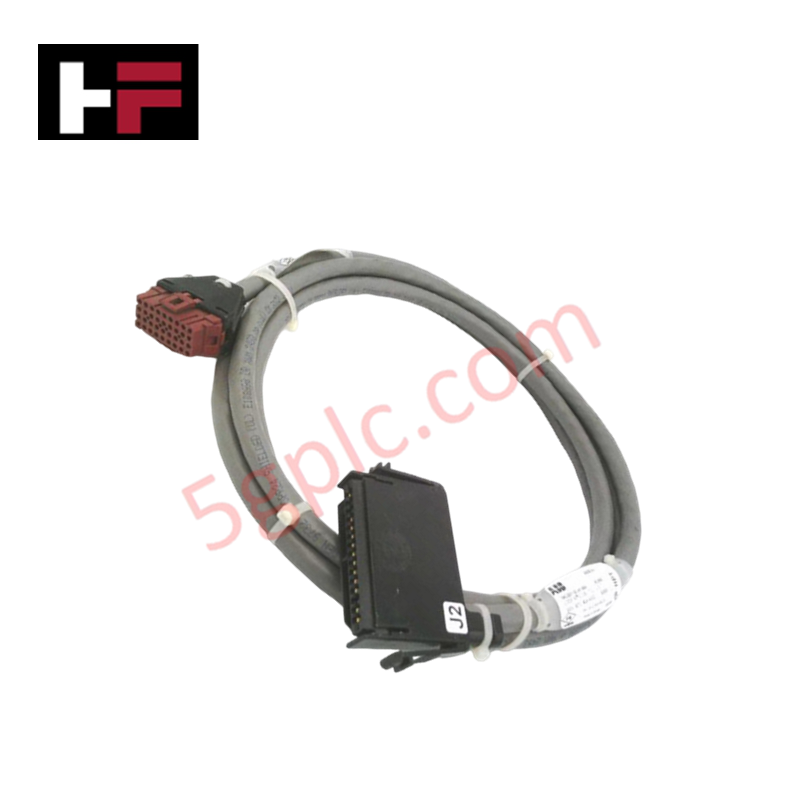
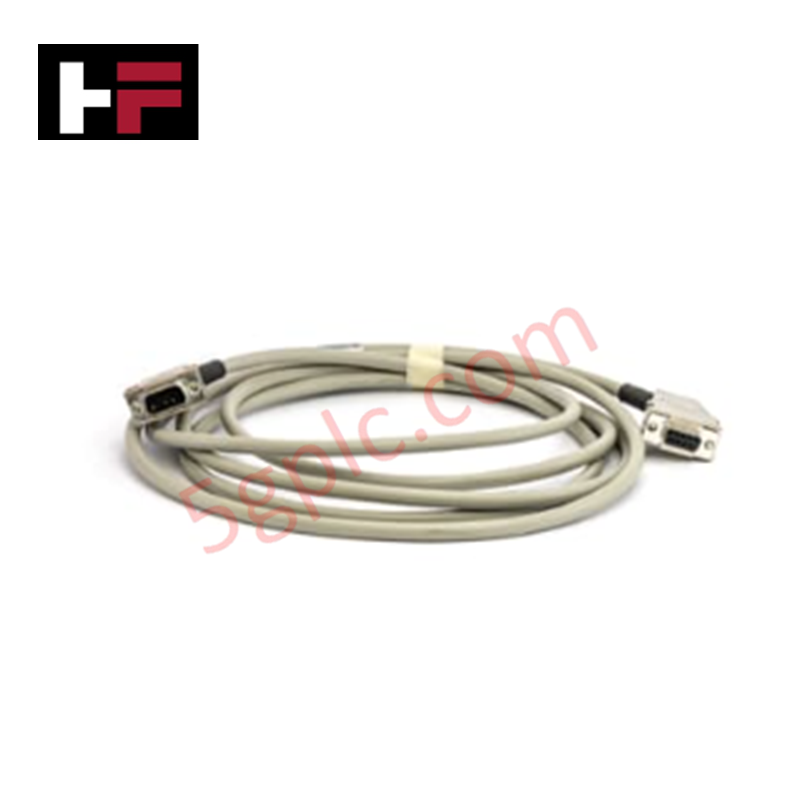
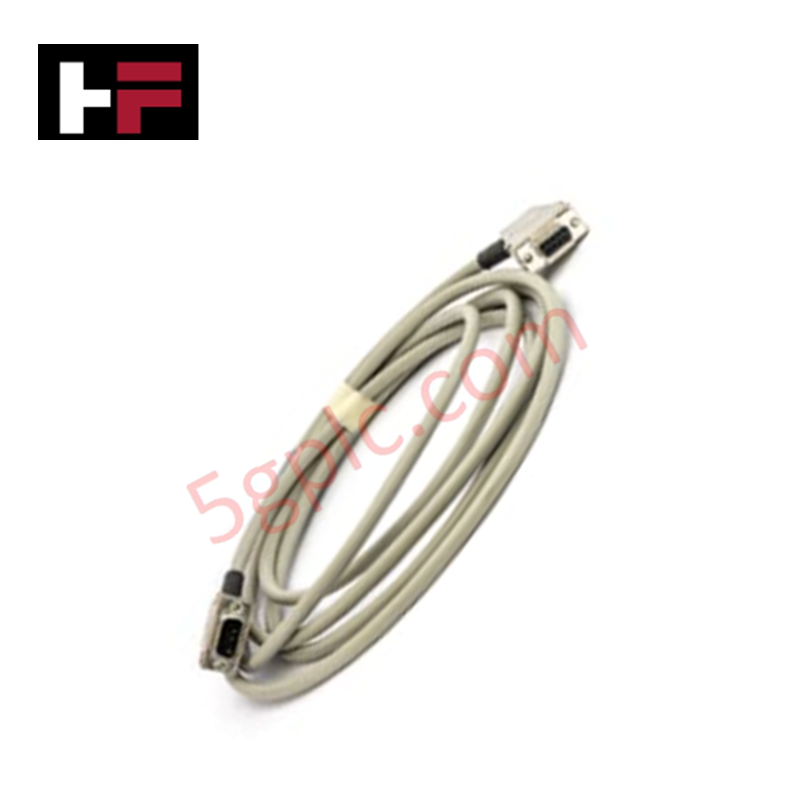
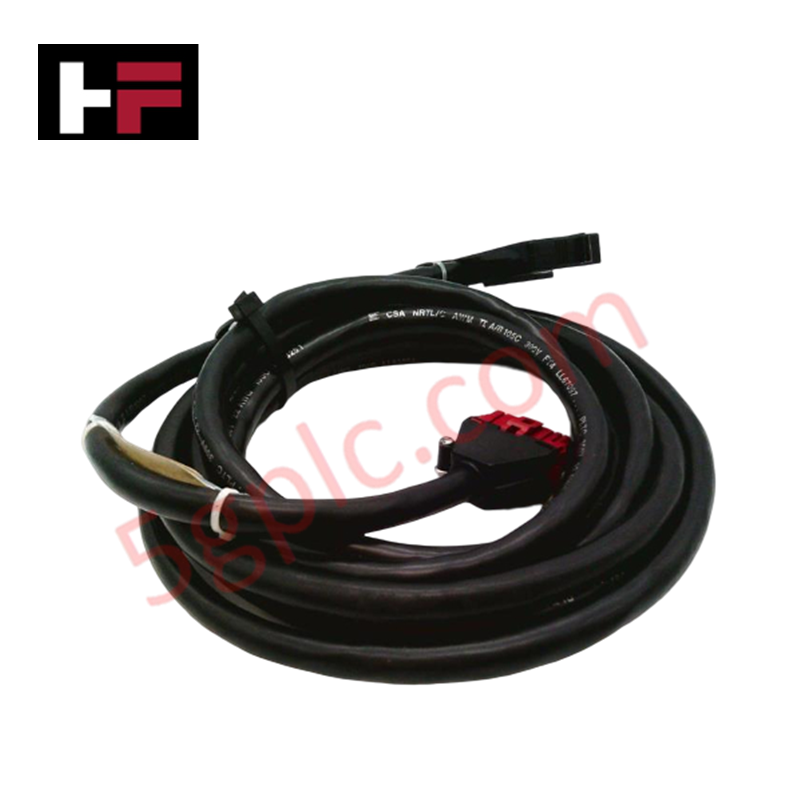
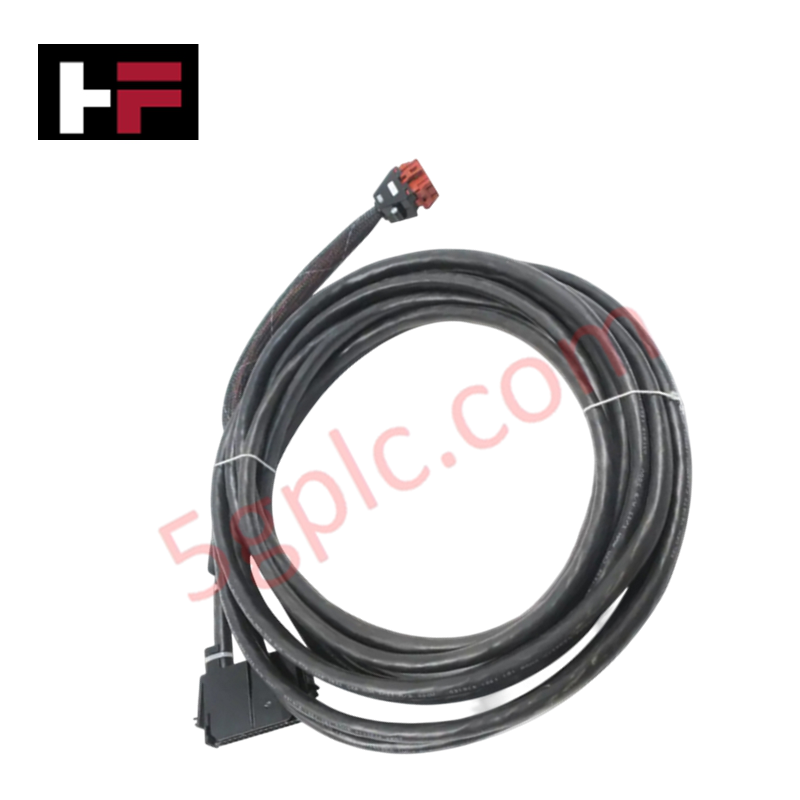
Configured for connecting the Network Interface Submodule (NIS) to the Termination Unit (NTCL) in INFI 90 systems, the ABB NKLS01-10 (ABB NKLS01 Prefabricated Cable) provides direct physical/electrical execution. This ten-foot cable assembly functions as the dedicated physical interface link that secures continuous serial data pathways between the primary network node communication components and local bus termination terminals.
Hardware Specifications
| Parameter | Specification |
|---|---|
| Model | NKLS01-10 |
| Brand | ABB |
| Origin | Romania (SCIP Registered) |
| Weight | 0.85 kg (Approximate nominal weight) |
| Dimensions | 292.1 mm x 292.1 mm x 63.5 mm |
| Operating Temp | 0 to 60 deg C |
| Power Consumption | None (Passive cable assembly) |
| Cable Diameter | 0.0635 mm (Core conductor subset) |
| Cable Length | 10 ft (3.05 m) |
| Product Type | Prefabricated Cables |
| WEEE Category | Product Not in WEEE Scope |
Profinet / EtherNet/IP Deterministic Networks and I/O Density Scaling
Within modern hybrid migrations or traditional INFI 90 processing layers, the physical media properties of the ABB NKLS01-10 control data transmission consistency. Precise shielding attenuation metrics inside this assembly support localized I/O density scaling without risking signal degeneration or coupling. When interfacing terminal arrays to Profinet or EtherNet/IP deterministic networks via bridging submodules, the controlled impedance attributes of this cable structure eliminate reflection anomalies and preserve localized backplane bus communication velocity across the NIS-to-NTCL physical connection map.
Frequently Asked Questions
Q: Is hot-swapping or live disconnection of the NKLS01-10 cable permitted during active network runtime?
A: No. Disconnecting the cable while the NIS submodule or NTCL termination module is powered drops active communication on that local INFI-Net node. This break disrupts node data synchronization and can induce loop network errors or halt backplane bus data execution. Always power down the node segment prior to servicing.
Q: How is the 0 kg weight listing resolved during panel load calculations?
A: The 0 kg value indicates a standard unentered parameter in the product master database. For mechanical calculation, assign a default structural estimation based on a standard 10-foot multi-conductor industrial cable and implement strain relief clips to remove deadweight load from the pins.
Field Installation Guidelines
- Pathway Routing Isolation: Route the communication cable through low-voltage data raceways. Keep a mandatory physical clearance of at least 100 mm from high-voltage AC conductors and motor power lines to prevent electromagnetic induction.
- Static Bend Limits: Do not exceed the minimum mechanical bend radius during installation. Maintain a radius greater than 10 times the cable diameter to protect internal conductor elements from micro-fractures.
- Shield Connection Criteria: Ground the internal shielding mesh at the designated single-point instrument chassis grounding bar inside the panel. Do not ground both ends of the shield to prevent the formation of ground current loops.
- Connector Mating and Fastening: Inspect connector alignment pins before insertion. Once aligned with the NIS/NTCL receptacle, push axially until seated, then tighten the securing screws to prevent intermittent physical connection issues from cabinet vibration.
Additional Information
- 100% Genuine Parts: All products are original and authentic, ensuring reliable industrial performance.
- 30-Day Refund Guarantee: Return any in-stock item within 30 days in original, unopened packaging for a full refund (excluding shipping and fees).
- 12-Month Warranty: Covers defects in materials or workmanship; excludes misuse, normal wear, or unauthorized modifications.
- Worldwide Shipping: We ship via USPS, UPS, FedEx, and DHL. Delivery times vary by country and may be subject to customs or import fees.
- Support & Contact: Technical and warranty assistance is available anytime. Contact us here: Contact.
- Purchase Guidance: Check product specifications and compatibility carefully before ordering to ensure proper application.
Tech & Buying Guide

Executing a PLC System Site Acceptance Test (SAT): The Definitive Engineering Guide
The transition of a Programmable Logic Controller (PLC) cabinet from a controlled factory floor to a volatile plant environment represents a critical milestone in factory automation. While a Factory Acceptance Test (FAT) validates standalone hardware compliance under ideal conditions, it cannot replicate real-world process dynamics. Therefore, deploying an industrial automation system requires a rigorous Site Acceptance Test (SAT) to verify total loop integrity, field wiring wiring metrics, and process control parameters before final customer handover.

Advanced Integration: Master Protocol for VFD Commissioning and Testing
Deploying variable frequency drives (VFDs) requires precise execution during the initial commissioning phase. Junior automation engineers often find the first power-up sequence intimidating. However, following a rigorous engineering framework ensures equipment safety and system reliability. Proper startup procedures protect both the drive electronics and the connected motor.

Optimizing Factory Automation: The Definitive Guide to VFD Preventive Maintenance
Variable Frequency Drives (VFDs) serve as critical assets in modern industrial automation. These power electronic devices regulate electric motors by adjusting the supplied frequency and voltage. Consequently, industries utilize VFDs to reduce energy consumption and optimize process control. Major manufacturers like Siemens, ABB, and Yaskawa design highly efficient drives. However, sustained efficiency requires a rigorous preventive maintenance program.