










Product Details
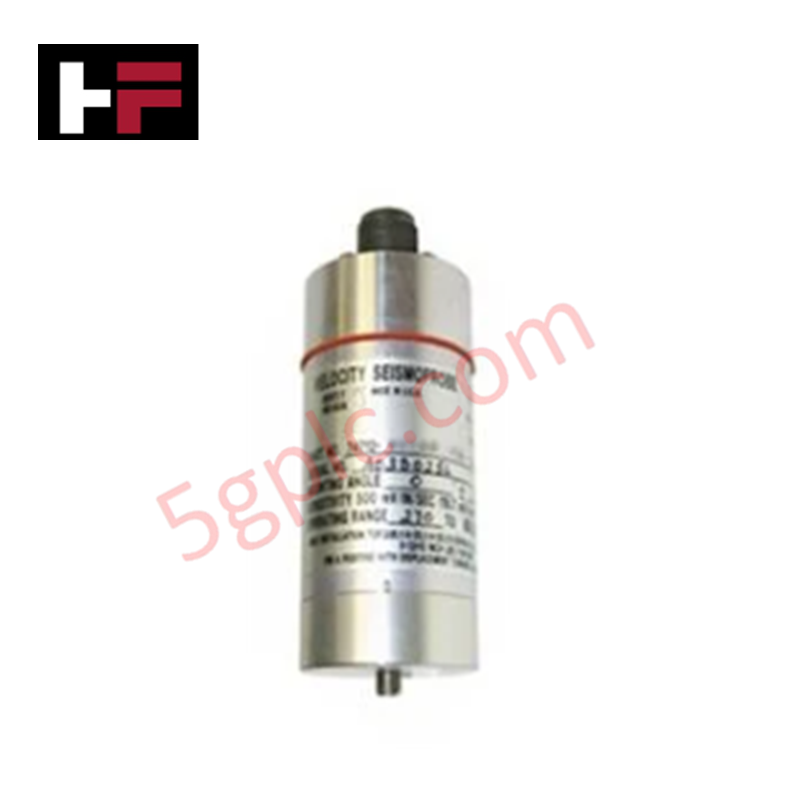
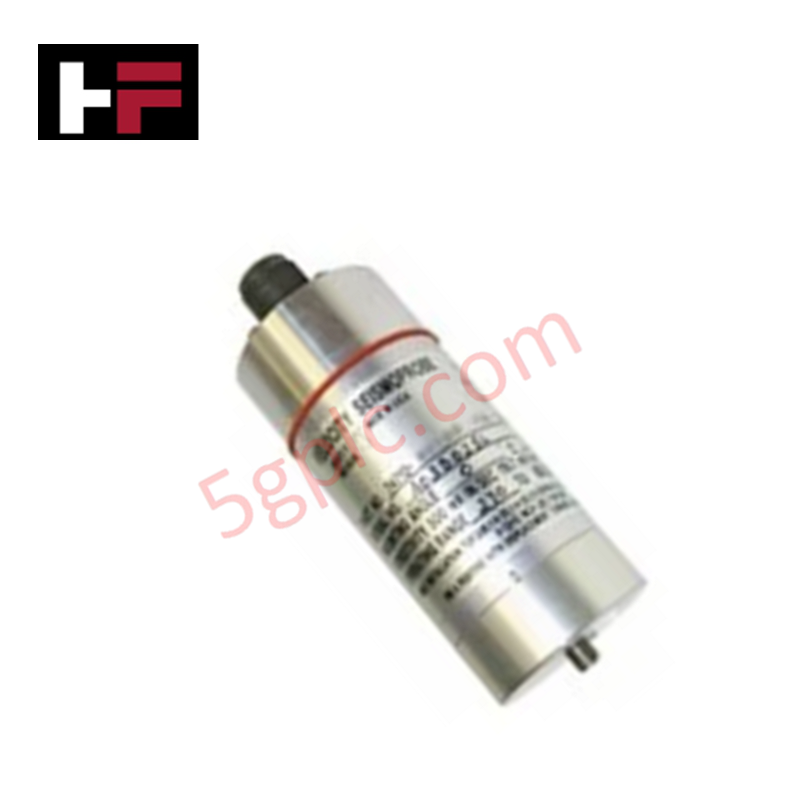
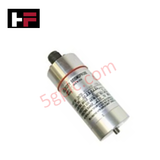
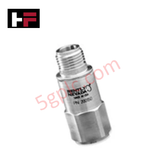
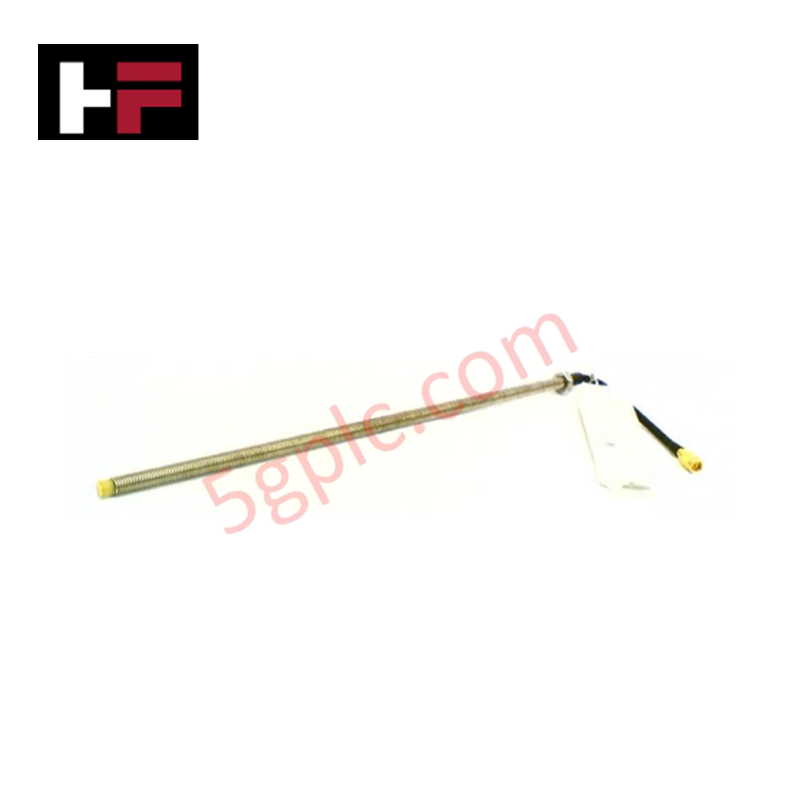
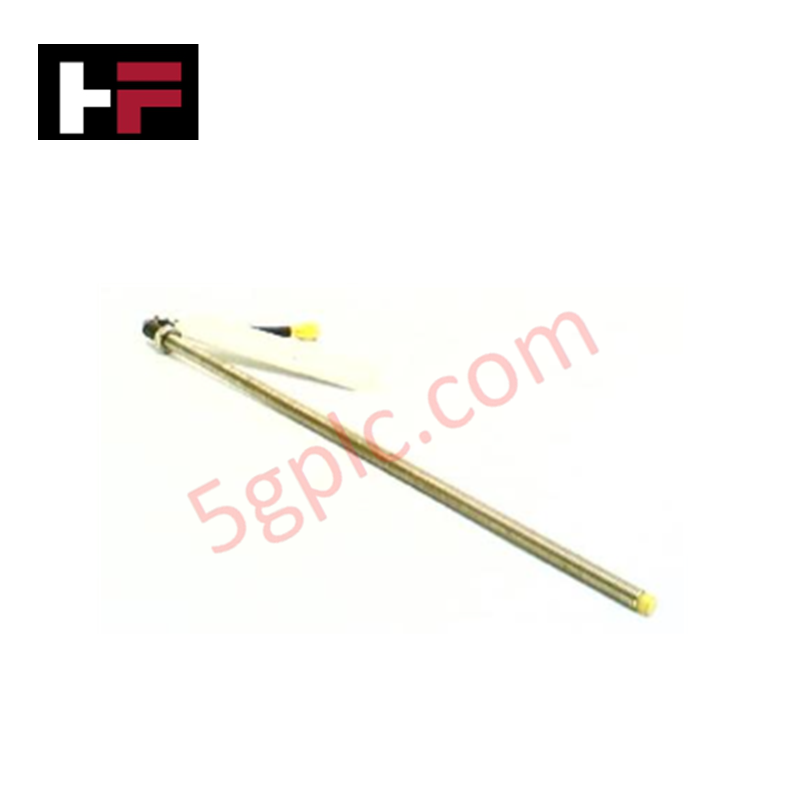
Configured for direct dynamic vibration measurement in extreme-temperature turbomachinery environments, the Bently Nevada 74712-01-02-02-00 (74712 High-Temperature Two-Wire Transducer) provides direct physical/electrical execution.
Suffix Breakdown & Model Matrix
| Option Field | Code | Configuration Detail |
|---|---|---|
| Mounting Angle / Min Freq | 01 | 0 +/-2.5 deg mounting orientation, 4.5 Hz (270 cpm) minimum operating frequency |
| Mounting Base | 02 | Standard mounting base threaded stud option |
| Connector | 02 | Top-mount integral 2-pin connector interface |
| Agency Approval | 00 | No hazardous area approvals required |
Hardware Specifications
| Parameter | Specification |
|---|---|
| Model | 74712-01-02-02-00 |
| Brand | Bently Nevada |
| Origin | USA |
| Weight | 0.48 kg |
| Dimensions | 41 mm (1.6 in) diameter x 102 mm (4 in) height |
| Operating Temp | -29 deg C to +204 deg C (-20 deg F to +400 deg F) |
| Power Consumption | Loop-powered via 2-wire dynamic vibration transmitter circuit |
| Frequency Response | Minimum operating frequency down to 4.5 Hz (270 cpm) |
| Orientation | Vertical mounting (0 +/-2.5 deg) |
| Interface Connector | Top-mount 2-pin connector |
Rotor Dynamics Analysis and Cross-Talk Suppression
The 74712 transducer integrates moving-coil velocity sensing architecture tailored for high-temperature machine casings where standard solid-state electronics fail. Internal damping and mechanical tuning ensure linear velocity output down to 4.5 Hz, delivering accurate signal tracking for low-speed shaft unbalance and overall rotor dynamics monitoring. High internal signal-to-noise ratios enable clean differential transmission over long 2-wire field cabling runs, preserving signal integrity and maintaining robust cross-talk suppression between adjacent radial and axial measurement channels.
Frequently Asked Questions
Q: How does the 01 option code restrict physical orientation during mounting?
A: Option 01 configures the internal spring suspension for vertical installation, requiring the transducer axis to remain within 0 +/-2.5 deg of vertical to operate at its 4.5 Hz minimum frequency specification.
Q: What thermal limits must be observed during high-temperature field operation?
A: The transducer housing withstands continuous ambient operating and storage temperatures ranging from -29 deg C to +204 deg C without thermal degradation.
Field Installation Guidelines
- Inspect the mounting surface to ensure a clean, flat face free of metal burrs or paint build-up.
- Torque the transducer mounting stud to standard engineering specifications to prevent mechanical resonance shifts.
- Verify that the transducer vertical axis remains within +/-2.5 deg of true vertical alignment.
- Connect the top-mount 2-pin cable connector, ensuring the locking ring is securely engaged against operational vibration.
- Route high-temperature shielded cable through dedicated protective flexible conduit, grounding the shield at the monitoring panel end only.
Additional Information
- 100% Genuine Parts: All products are original and authentic, ensuring reliable industrial performance.
- 30-Day Refund Guarantee: Return any in-stock item within 30 days in original, unopened packaging for a full refund (excluding shipping and fees).
- 12-Month Warranty: Covers defects in materials or workmanship; excludes misuse, normal wear, or unauthorized modifications.
- Worldwide Shipping: We ship via USPS, UPS, FedEx, and DHL. Delivery times vary by country and may be subject to customs or import fees.
- Support & Contact: Technical and warranty assistance is available anytime. Contact us here: Contact.
- Purchase Guidance: Check product specifications and compatibility carefully before ordering to ensure proper application.


Tech & Buying Guide

Essential Motion Control Commands: A Practical Guide for Engineers
Automation engineers often rely on precise position and speed control to drive modern factory machinery. Modern industrial systems, such as Programmable Logic Controllers (PLCs) and Distributed Control Systems (DCS), depend heavily on standardized motion instructions. Mastering these commands ensures operational safety, protects mechanical components, and optimizes cycle times across production lines.
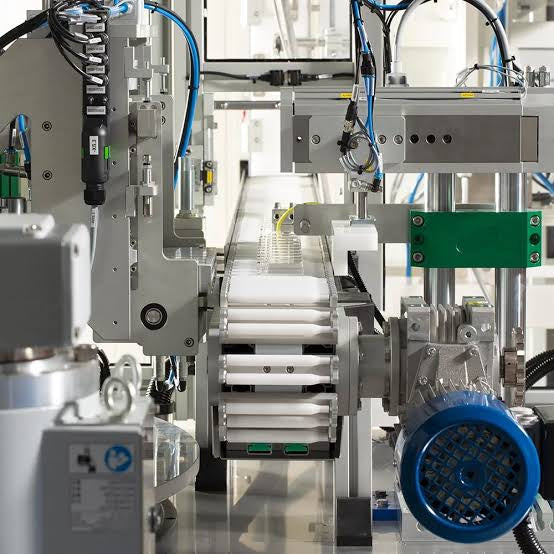
Mastering Modern Industrial Joystick Controls in Heavy Automation
Industrial joysticks play a pivotal role in human-machine interaction across heavy material handling and mobile hydraulics. These tactile controllers translate complex operator movements into precise electrical signals for PLCs, motion controllers, and DCS networks. Consequently, selecting and installing the right joystick architecture ensures operator safety, reduces fatigue, and optimizes equipment performance.

Navigating Industrial Automation Failures: Types, Causes, and Mitigation Strategies
Modern manufacturing relies heavily on automated control systems to maximize throughput and maintain product quality. However, unplanned downtime in industrial automation can cost facility operators thousands of dollars per hour. Understanding how programmable logic controllers (PLCs), distributed control systems (DCS), and field instrumentation fail empowers engineering teams to implement robust preventive maintenance strategies.