










Product Details
Module Overview
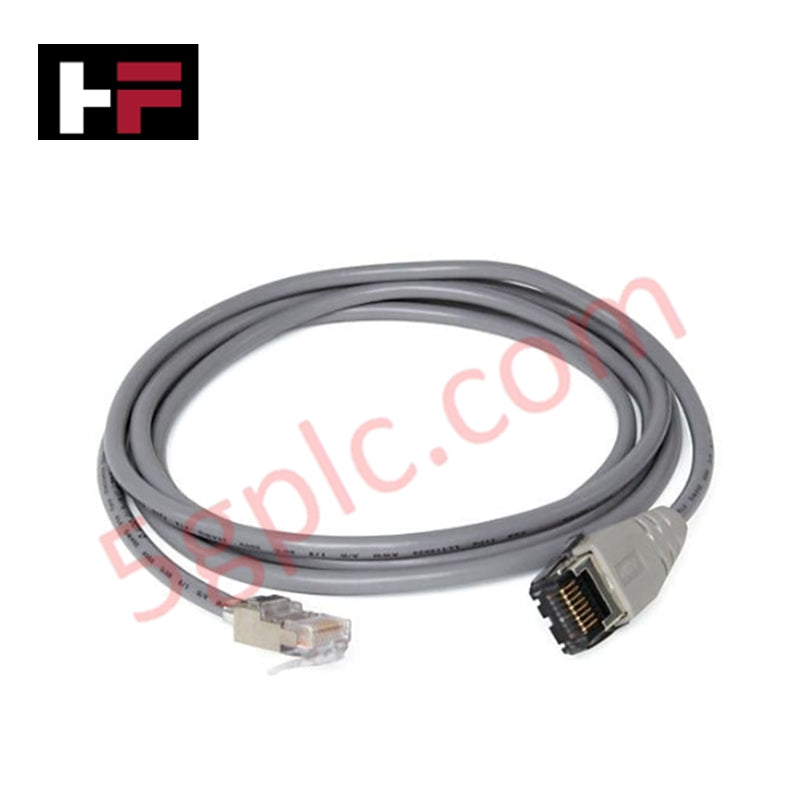
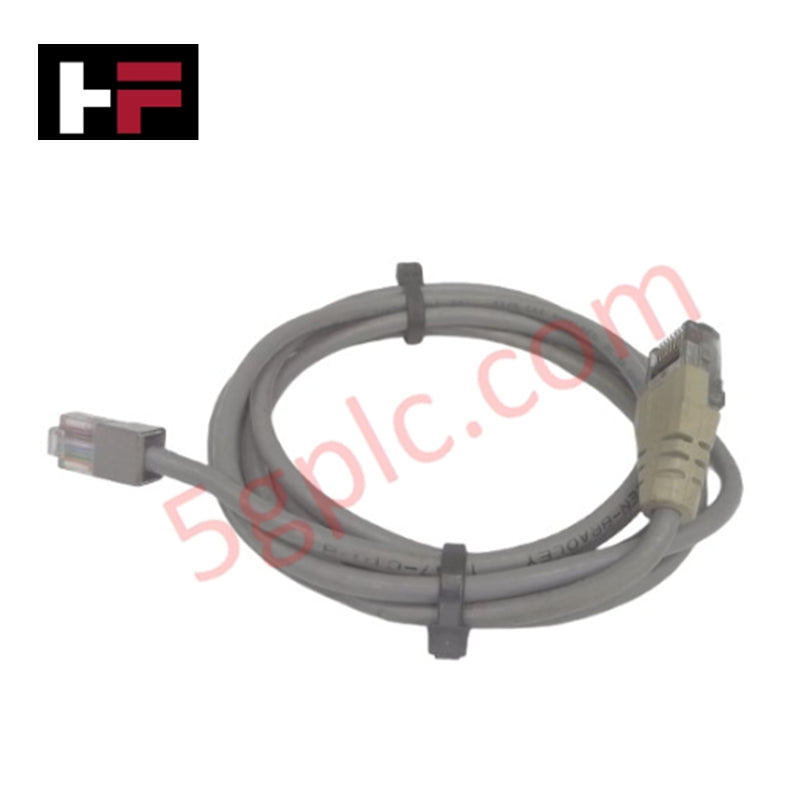
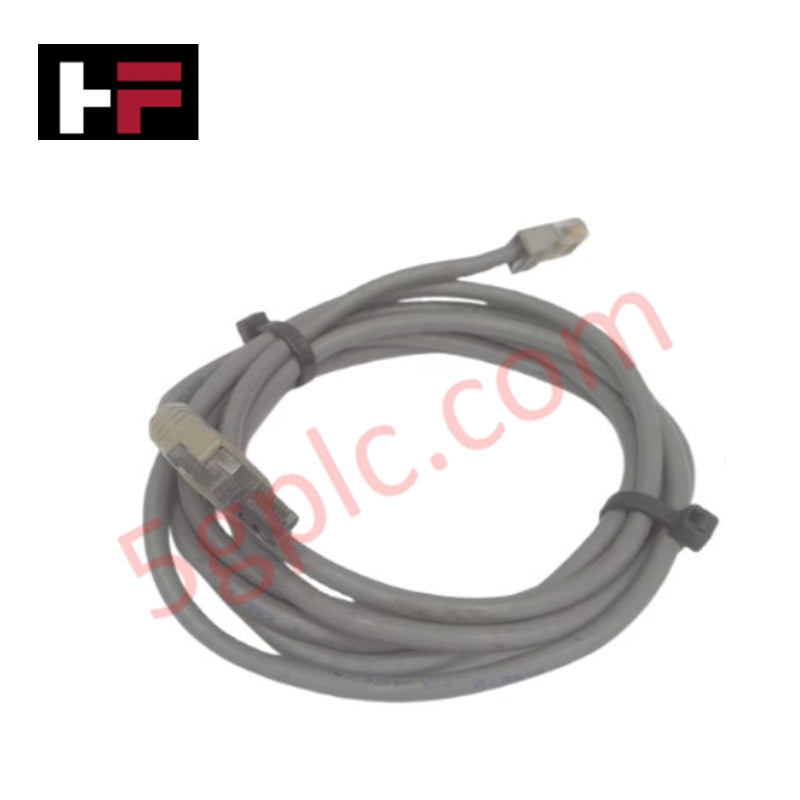
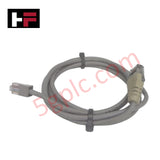
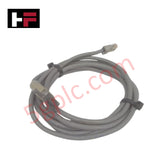
The 1747-C10 is a specialized internal communication cable designed specifically for the Allen-Bradley SLC 500 modular hardware platform. This 6-foot cable is used to connect a 1747-DCM (Direct Communication Module) or a 1747-DMR module to a standard SLC 500 fixed controller or a modular SLC 5/01, 5/02, 5/03, 5/04, or 5/05 CPU. Unlike standard serial cables, the 1747-C10 is engineered with specific shielding and pinouts to facilitate high-speed data exchange across the SLC backplane architecture, ensuring deterministic performance for distributed I/O and peer-to-peer messaging.
Detailed Engineering Specifications
The 1747-C10 is a ruggedized industrial cable built to withstand the electrical noise and physical rigors of a control cabinet environment.
-
Product Type: Communication Cable
-
Product Family: SLC 500
-
Length: 6 Feet (1.83 meters)
-
Connector Type: 10-pin linear connector to 10-pin linear connector
-
Wire Gauge: 24 AWG (standard industrial grade)
-
Shielding: Foil and braid for high-frequency noise immunity
-
Compatible Modules: 1747-DCM, 1747-DMR, and SLC 500 Chassis
-
Jacket Material: Industrial-grade PVC (oil and chemical resistant)
-
Operating Temperature: 0°C to 60°C (32°F to 140°F)
-
Physical Weight: 0.20 lbs (0.09 kg)
Network and System Integration
The primary use of the 1747-C10 is to bridge the communication gap between a "Master" PLC-5 or SLC 5/04 and a "Slave" SLC chassis via a Direct Communication Module. In this configuration, the cable carries the Remote I/O (RIO) or Data Highway Plus (DH+) signals from the DCM module to the local processor's internal bus. This allows the slave SLC to appear as a single I/O rack to the master controller, enabling complex distributed control strategies without the need for extensive long-distance wiring.
Installation Best Practices
When installing the 1747-C10, ensure the following to maintain signal integrity:
-
Strain Relief: Use the integrated cable ties or clips to secure the 10-pin connectors. The pins on SLC modules are delicate, and excessive tension can lead to intermittent "Rack Faults."
-
Routing: Avoid routing the communication cable parallel to high-voltage AC lines or Variable Frequency Drive (VFD) output cables. If the cable must cross power lines, ensure it does so at a 90° angle.
-
Seating: Confirm the connector is fully seated and the locking tabs (if applicable) are engaged. A loose 1747-C10 can cause "Communication Lost" errors in the processor status file.
Technical FAQ
Can I use the 1747-C10 as a programming cable for my SLC 5/03?
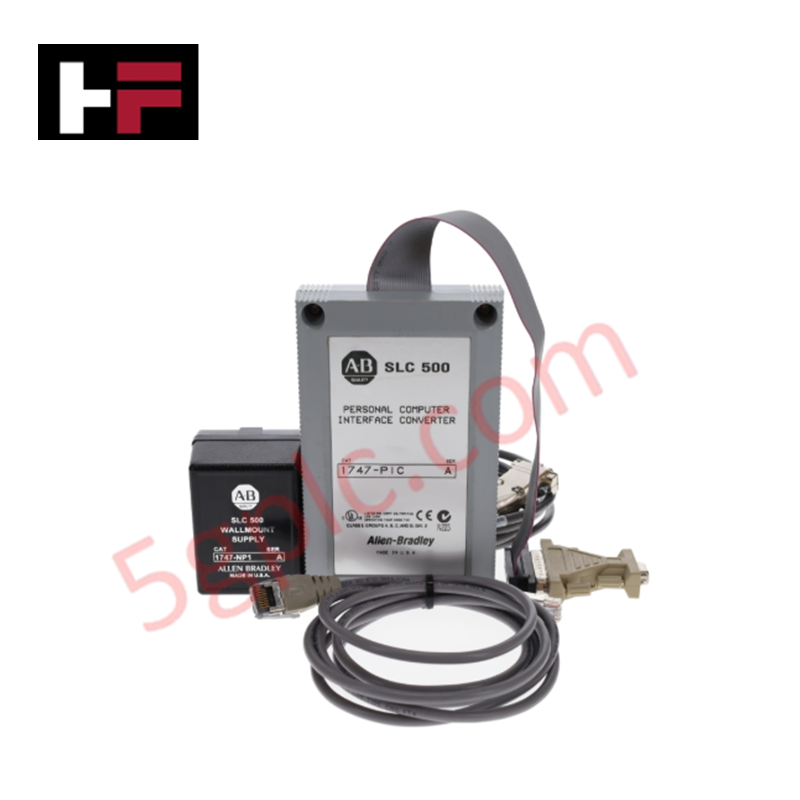
No. The 1747-C10 is an internal module-to-processor cable. For programming an SLC 5/03 via the RJ45 (DH-485) port, you would require a 1747-PIC or 1747-UIC converter. For the DB9 (RS-232) port, a 1747-CP3 null-modem cable is needed.
What is the difference between the 1747-C10 and 1747-C11?
The only difference is the length. The 1747-C10 is 6 feet long, while the 1747-C11 is shorter (typically 1 foot), intended for modules located in the same or adjacent chassis.
Is this cable hot-swappable?
While the cable is passive, disconnecting it while the SLC processor is in "Run" mode will likely result in an immediate major fault (non-recoverable) and a halt of the control program. Always place the CPU in "Program" mode or remove power before changing communication cables.
Additional Information
- 100% Genuine Parts: All products are original and authentic, ensuring reliable industrial performance.
- 30-Day Refund Guarantee: Return any in-stock item within 30 days in original, unopened packaging for a full refund (excluding shipping and fees).
- 12-Month Warranty: Covers defects in materials or workmanship; excludes misuse, normal wear, or unauthorized modifications.
- Worldwide Shipping: We ship via USPS, UPS, FedEx, and DHL. Delivery times vary by country and may be subject to customs or import fees.
- Support & Contact: Technical and warranty assistance is available anytime. Contact us here: Contact.
- Purchase Guidance: Check product specifications and compatibility carefully before ordering to ensure proper application.
Tech & Buying Guide

Step-by-Step System Cabinet Health Check Guide for PLC and DCS Infrastructure

Top 5 Operational Advantages of HMIs in Modern Factory Automation
