












Product Details
Overview
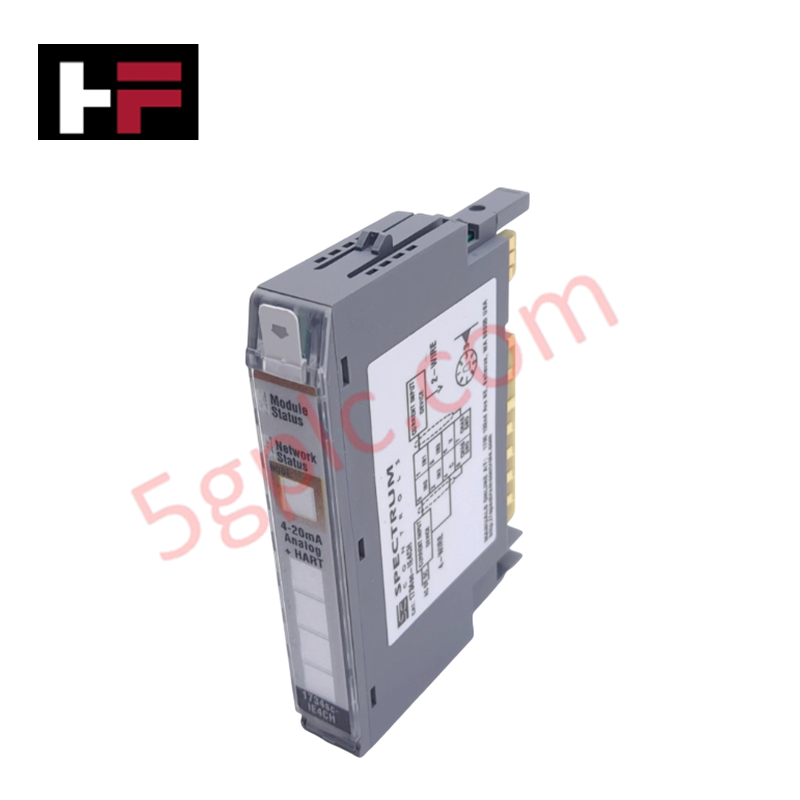
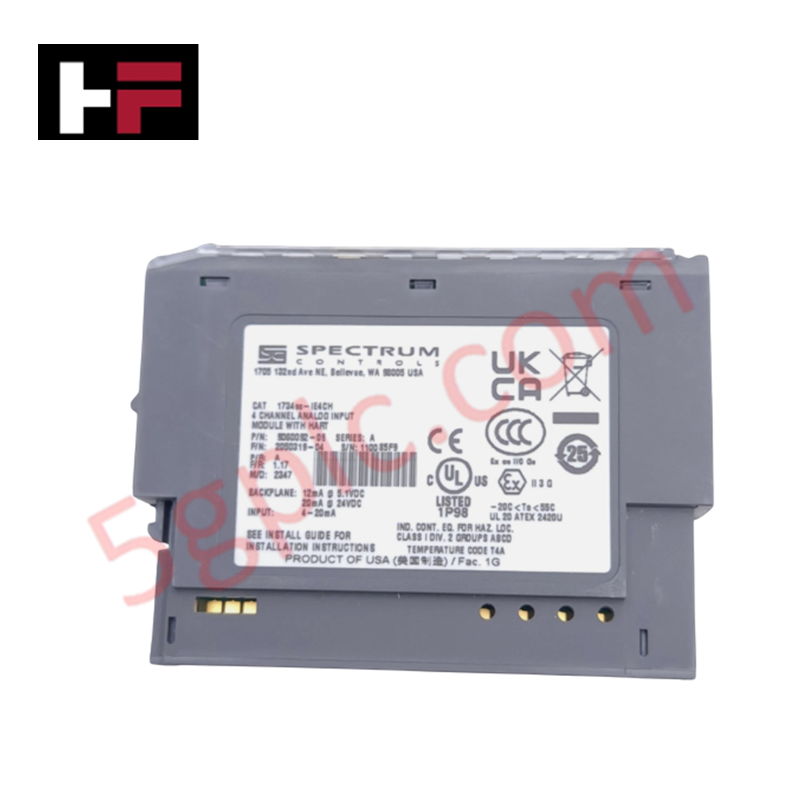
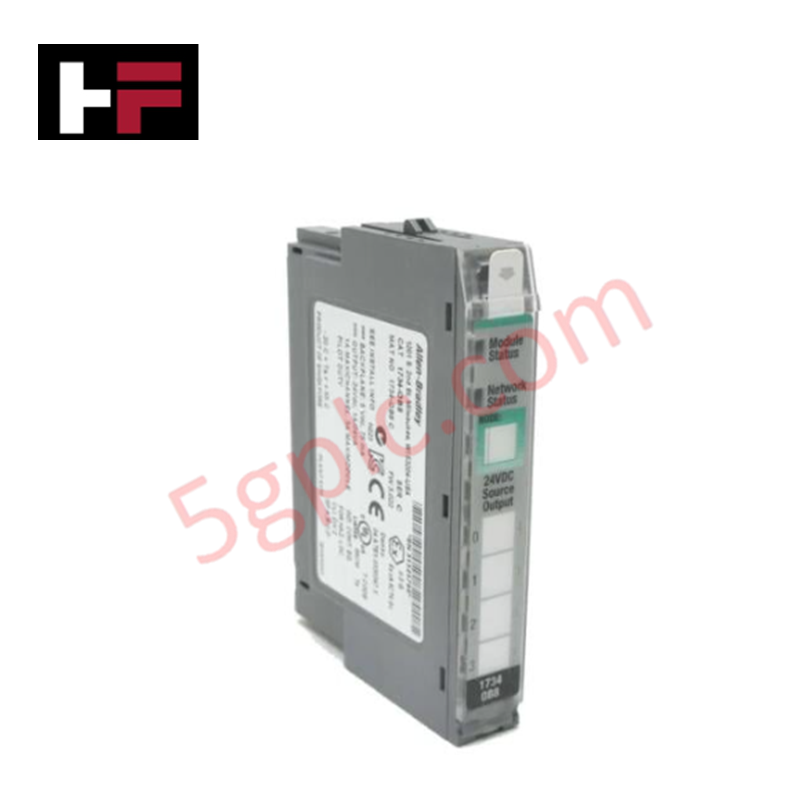
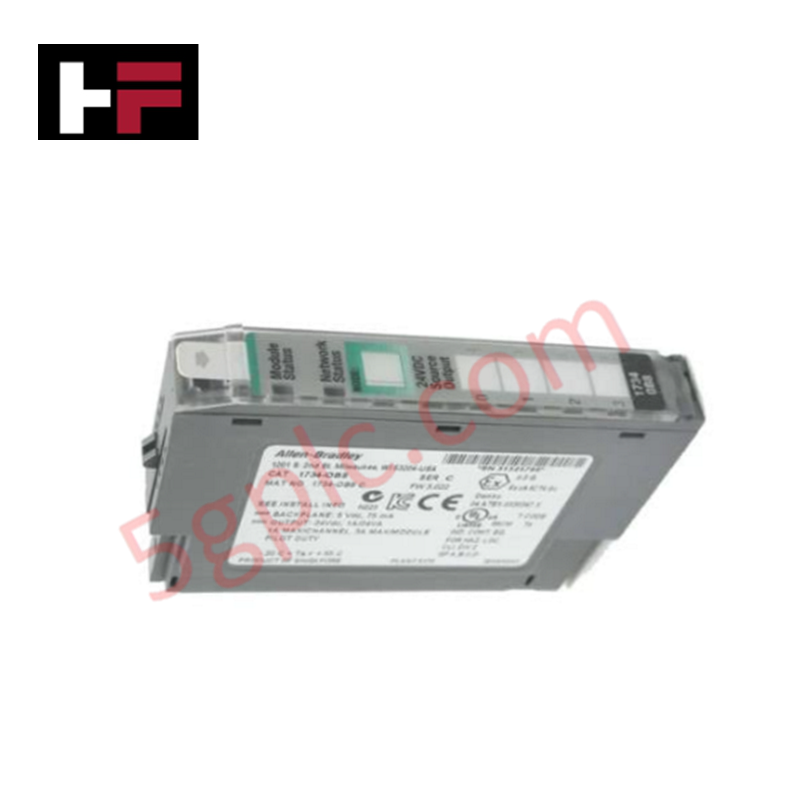
The Allen-Bradley 1734-AENT is a Point I/O EtherNet/IP adapter module that enables distributed I/O systems to seamlessly integrate into Ethernet networks.
It provides high-speed data exchange and flexible I/O expansion, making it suitable for industrial applications requiring modular control and efficient communication between controllers and field devices.
This adapter allows multiple I/O modules to connect through a single Ethernet node, reducing wiring complexity and installation time.
Technical Specifications
-
Manufacturer: Allen-Bradley (Rockwell Automation)
-
Model / Part Number: 1734-AENT
-
Product Type: Point I/O EtherNet/IP Communication Adapter
-
Series: Bulletin 1734 Point I/O
Electrical Characteristics
-
Input Voltage Range: 10…28.8V DC
-
Nominal Input Voltage: 24V DC
-
Power Consumption: 4.5 W max @ 28.8V DC
-
Power Dissipation: 15.5 W max @ 28.8V DC
-
PointBus Output Current: 1 A max @ 5V DC (±5%)
-
Input Protection: Reverse polarity protected
-
Thermal Dissipation: 9.5 BTU/hr max @ 28.8V DC
Communication & Network
-
Communication Protocol: EtherNet/IP
-
Network Speed: 10/100 Mbps, half/full duplex auto-negotiation
-
Supported Topologies: Star, linear, and device-level ring (DLR)
-
IP Addressing: DHCP, BOOTP, or static configuration
-
Maximum Number of I/O Modules: 63 per adapter
-
LED Indicators: Network status, module status, and PointBus status
Mechanical & Environmental Specifications
-
Dimensions (H × W × D): 133.5 × 54.9 × 76.2 mm
-
Weight: 0.3 kg (0.66 lb)
-
Mounting Type: DIN rail (IEC/EN 60715)
-
Enclosure Type: Open-style (IP20)
-
Isolation Voltage: 1800V DC for 60 seconds
-
Operating Temperature: 0°C to +55°C (32°F to 131°F)
-
Storage Temperature: −40°C to +85°C (−40°F to 185°F)
-
Relative Humidity: 5–95% non-condensing
-
Vibration: 5 g @ 10–500 Hz
-
Shock Resistance: 30 g operating, 50 g non-operating
Application Notes
The 1734-AENT module is used in distributed I/O systems for process control, packaging machinery, and automotive manufacturing.
It supports real-time communication with Logix controllers over EtherNet/IP networks, ensuring deterministic performance and reliable operation.
Its modular design allows engineers to add or remove I/O points without disrupting network communication.
FAQ
Q: What is the maximum number of Point I/O modules supported by the 1734-AENT?
A: Up to 63 Point I/O modules can be connected per adapter.
Q: Does the adapter support redundant Ethernet connections?
A: Yes, it supports Device-Level Ring (DLR) topology for network redundancy.
Q: How is the module powered?
A: The adapter operates on a 24V DC supply, with reverse polarity protection included.
Q: Is configuration possible via USB?
A: No, configuration is handled over Ethernet using Studio 5000 or BOOTP/DHCP tools.
Additional Information
- 100% Genuine Parts: All products are original and authentic, ensuring reliable industrial performance.
- 30-Day Refund Guarantee: Return any in-stock item within 30 days in original, unopened packaging for a full refund (excluding shipping and fees).
- 12-Month Warranty: Covers defects in materials or workmanship; excludes misuse, normal wear, or unauthorized modifications.
- Worldwide Shipping: We ship via USPS, UPS, FedEx, and DHL. Delivery times vary by country and may be subject to customs or import fees.
- Support & Contact: Technical and warranty assistance is available anytime. Contact us here: Contact.
- Purchase Guidance: Check product specifications and compatibility carefully before ordering to ensure proper application.


Tech & Buying Guide

Understanding PLC Digital Output Types: Relay, Transistor, and Triac Explained
Programmable Logic Controllers (PLCs) form the backbone of modern industrial automation systems. They interface directly with field devices such as solenoid valves, indicator lights, motor starters, and interposing relays. Selecting the correct digital output module ensures high system availability and long hardware service life.

Understanding VFD Mechanical Brake Logic and Control in Industrial Automation
Variable Frequency Drives (VFDs) play a crucial role in modern industrial automation by controlling motor speed, torque, and acceleration. However, high-inertia loads and vertical lifting systems require precise mechanical braking logic to ensure operational safety and prevent equipment damage.

Why Programmable Logic Controllers Drop into Stop Mode: An Expert Analysis
Industrial automation systems rely heavily on Programmable Logic Controllers (PLCs) to maintain uninterrupted production. When a PLC unexpectedly shifts from Run to Stop mode, whole manufacturing lines stall.
As control systems evolve across modern factory automation, understanding the root causes of these interruptions helps engineers minimize costly downtime. This technical guide breaks down why PLCs trip into Stop mode and provides practical strategies to mitigate system faults.