











Product Details
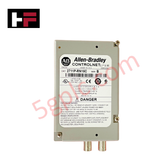
Module Overview
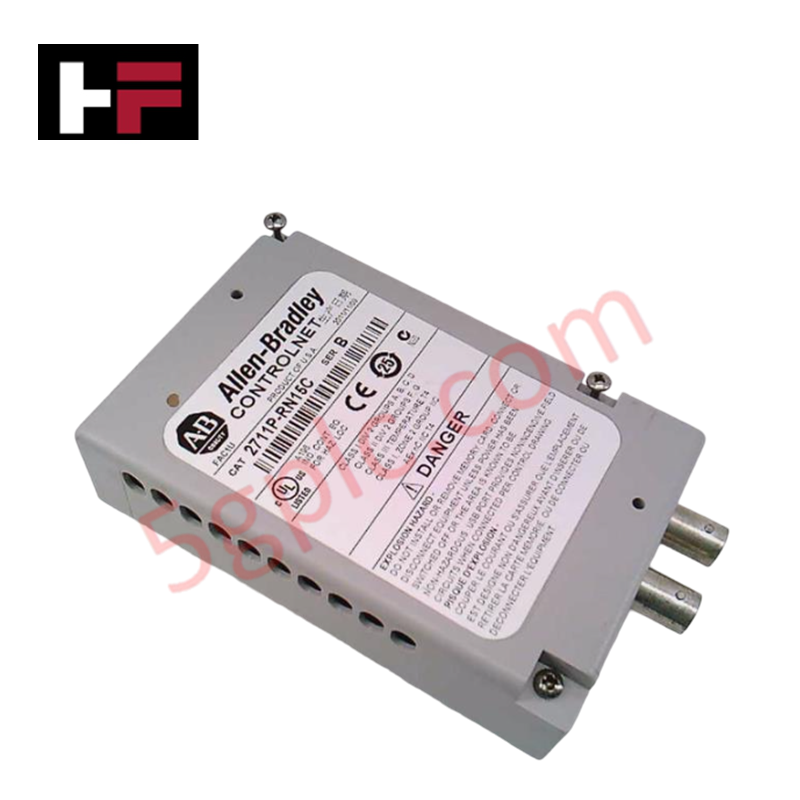
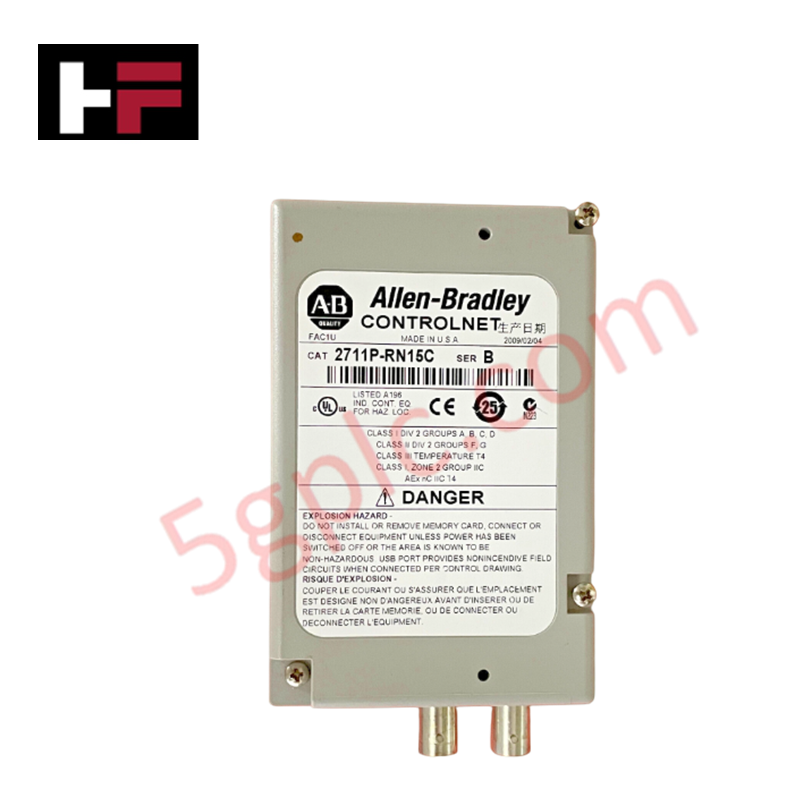
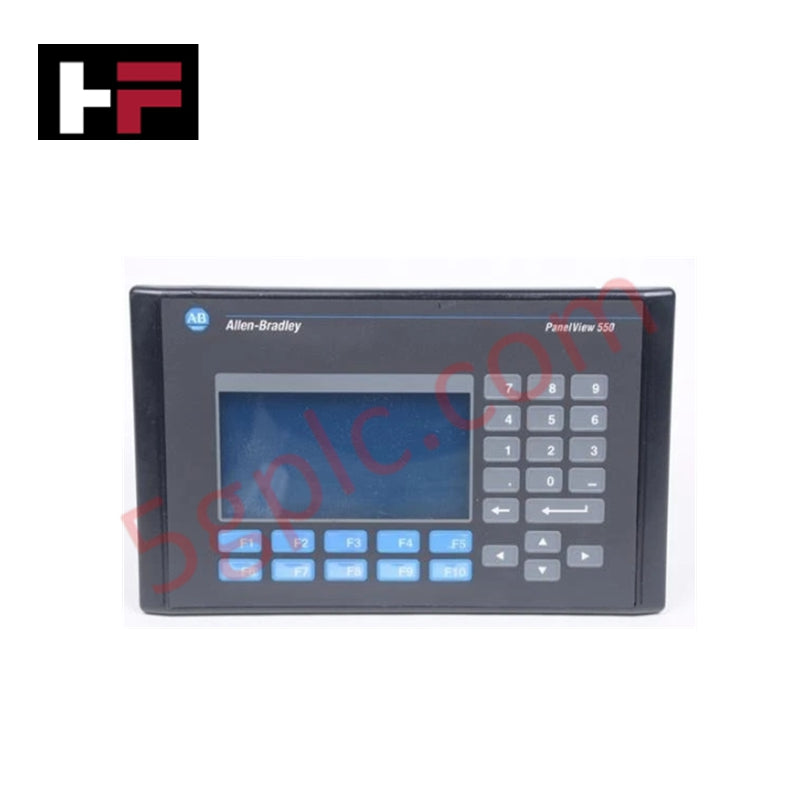
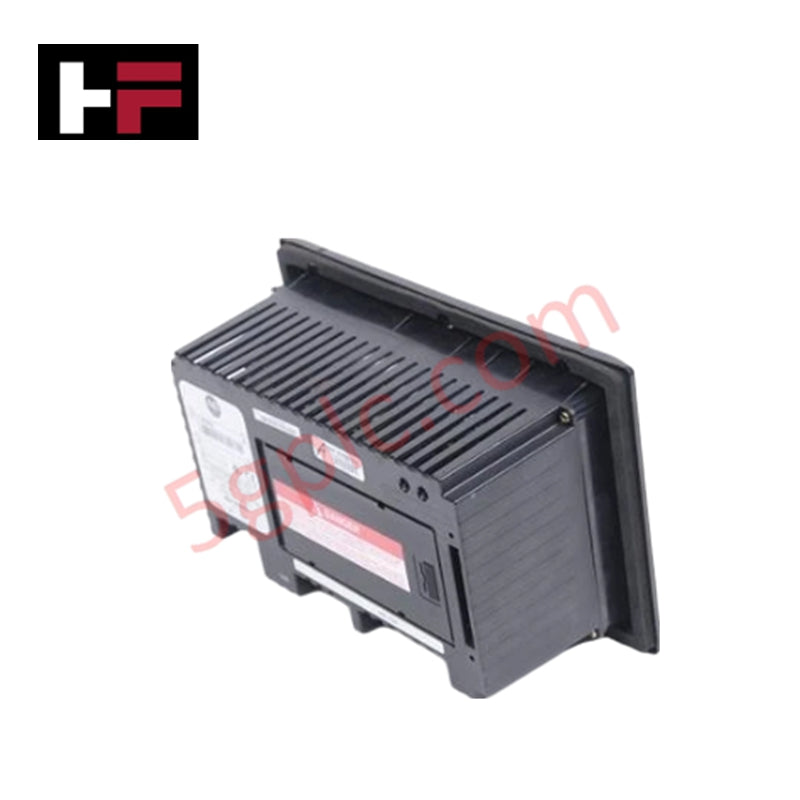
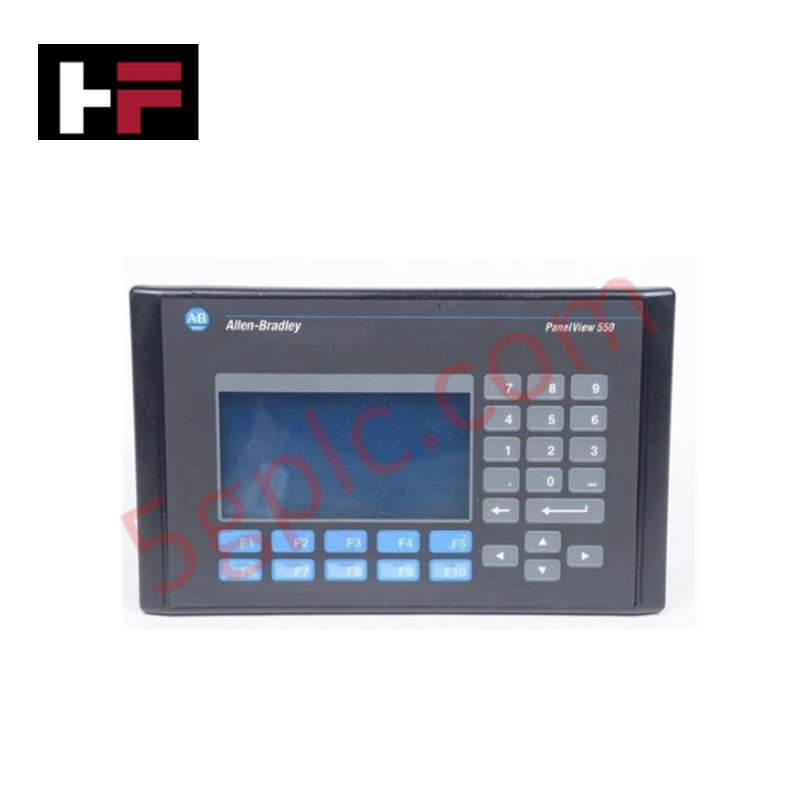
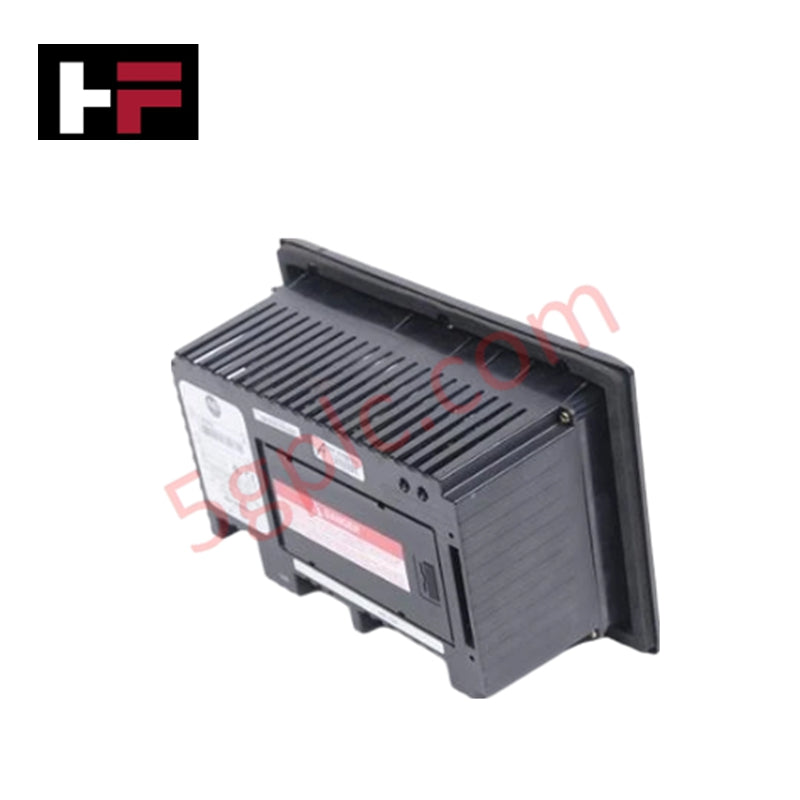
The 2711P-RN15C is a specialized ControlNet communication interface module designed for the Allen-Bradley PanelView Plus 400 and 600 terminal series. This module allows compact HMI terminals to integrate directly into a ControlNet network, enabling high-speed, deterministic data exchange with Logix5000 controllers. Although officially discontinued by the manufacturer in 2013, the 2711P-RN15C remains a vital component for maintaining legacy industrial networks where scheduled, repeatable communication is required for machine-level visualization.
Detailed Engineering Specifications
The 2711P-RN15C is a field-installable back-module that expands the connectivity of the smaller PanelView Plus units.
-
Module Type: ControlNet Communication Interface
-
Network Protocol: ControlNet (Coax)
-
Compatibility: PanelView Plus 400 and PanelView Plus 600 Terminals
-
Data Rate: 5 Mbps (Fixed ControlNet standard)
-
Connection Type: BNC (Coaxial)
-
Scheduled Messaging: Supports deterministic I/O and interlocking data
-
Unscheduled Messaging: Supports HMI display updates and trending
-
Firmware Support: Requires terminal firmware compatible with PV-400-600 series
-
Installation: Attaches to the back of the HMI base unit
-
Physical Weight: 0.31 lbs (0.14 kg)
-
Operating Temperature: 0°C to 55°C (32°F to 131°F)
Network Architecture and ControlNet Benefits
ControlNet is a "scheduled" network, meaning it guarantees that critical data is delivered at a specific, repeatable time interval. By adding the 2711P-RN15C to a PanelView Plus terminal, engineers can ensure that HMI pushbuttons and alarms are synchronized with the PLC scan. This is particularly important in high-speed coordinated motion or safety-monitoring applications where Ethernet latency might be unpredictable. The module supports both redundant and non-redundant media configurations depending on the terminal's physical port layout.
Installation and Maintenance
Since this module was discontinued over a decade ago, maintenance usually involves firmware management and physical connection integrity. The 2711P-RN15C must be firmly seated into the expansion slot on the rear of the PanelView Plus 400/600. Once installed, the terminal’s RSLinx Enterprise (FactoryTalk Linx) configuration must be updated to recognize the ControlNet node address, ensuring the HMI can browse the network and reference tags in the controller.
Technical FAQ
Can I use the 2711P-RN15C with a PanelView Plus 7 terminal?
No. The 2711P-RN15C is strictly designed for the legacy PanelView Plus 400 and 600 (Series A-F). PanelView Plus 7 terminals use different internal architectures and typically rely on EtherNet/IP for communication.
Does this module require a separate power supply?
No. The 2711P-RN15C draws all necessary power directly from the HMI terminal's internal expansion bus.
What is the maximum distance for a ControlNet segment using this module?
Using standard RG-6 coaxial cable, a segment can reach up to 1,000 meters (3,280 feet) without repeaters. If your HMI is located further away, ControlNet repeaters or fiber optic media converters would be required.
Additional Information
- 100% Genuine Parts: All products are original and authentic, ensuring reliable industrial performance.
- 30-Day Refund Guarantee: Return any in-stock item within 30 days in original, unopened packaging for a full refund (excluding shipping and fees).
- 12-Month Warranty: Covers defects in materials or workmanship; excludes misuse, normal wear, or unauthorized modifications.
- Worldwide Shipping: We ship via USPS, UPS, FedEx, and DHL. Delivery times vary by country and may be subject to customs or import fees.
- Support & Contact: Technical and warranty assistance is available anytime. Contact us here: Contact.
- Purchase Guidance: Check product specifications and compatibility carefully before ordering to ensure proper application.
Tech & Buying Guide

Redundant Automation Systems: Maximizing Uptime in Critical Control Applications
Industrial automation relies on continuous operational stability to prevent catastrophic downtime and financial loss. While standard dictionary definitions treat redundancy as superfluous, industrial engineers consider redundant control architectures indispensable for high-availability systems. Implementing backup hardware ensures seamless takeover during primary equipment failures, protecting critical infrastructure across manufacturing and process industries.

Demystifying the 5 Levels of Industrial Automation Architecture
Modern manufacturing relies on structured communication hierarchy to bridge physical shop-floor hardware with enterprise management software. This framework, commonly known as the Automation Pyramid, establishes how data flows between field devices, logic controllers, and corporate IT networks. Understanding these five distinct levels helps engineers and plant managers optimize system operations, reduce downtime, and implement seamless factory automation solutions.

Transforming Shop Floor Data into Actionable Insights: A Deep Dive into MES
Manufacturing Execution Systems serve as the digital backbone of modern factory floors. Positioned at Level 3 of the ISA-95 automation pyramid, MES links enterprise resource planning with real-time shop floor control systems. Today, industrial operators rely on MES software to bridge operational strategy with physical production execution.