












Product Details
Configured for multi-terminal commoning in DIN-rail terminal block assemblies, the Allen-Bradley 1492-CJJ5-10 (1492-CJJ5-10 Center Jumper) provides direct physical/electrical execution of potential distribution across 10-pole terminal sequences.
Hardware Specifications
| Parameter | Specification |
|---|---|
| Model | 1492-CJJ5-10 |
| Brand | Allen-Bradley |
| Origin | USA |
| Weight | 0.005 kg |
| Dimensions | 5 mm pitch |
| Pole Count | 10 Pole |
| Compatibility | 1492-J3, 1492-JD3A, 1492-JDG3A |
Profinet / EtherNet/IP Deterministic Networks
The 1492-CJJ5-10 is utilized to establish common voltage potentials across terminal block arrays, facilitating efficient I/O density scaling within control cabinets. While this component is a passive mechanical accessory, its integration ensures consistent electrical distribution for signal and power loops. Users must confirm that the current load of the commoned potential does not exceed the ampacity rating of the jumper or the terminal block cross-connection point. Proper installation ensures that diagnostic loops, which may eventually feed into Profinet or EtherNet/IP deterministic networks, maintain low-impedance electrical paths, preventing voltage drop or signal noise in modular automation platforms.
Frequently Asked Questions
Q: Can this jumper be cut to a different pole count?
A: Yes. The 1492-CJJ5-10 is designed for field modification. It can be cut to fit specific terminal block counts (e.g., to create a 3-pole or 5-pole jumper) using appropriate cutting tools, provided the remaining jumper maintains adequate insulation and structural integrity.
Q: Is a torque specification required for the screw-type installation?
A: Yes. When securing the jumper screw into the terminal block, ensure the screw is tightened to the manufacturer's specified torque rating to prevent loose connections, which can lead to high resistance, heat generation, and potential circuit failure.
Field Installation Guidelines
- Ensure the terminal block system is de-energized prior to installing or modifying any jumper components.
- Insert the center jumper into the designated channel on the top of the terminal block array.
- If the required pole count is less than 10, cut the jumper to the necessary length using a sharp-edged tool, ensuring no burrs remain that could compromise electrical clearances.
- Align the jumper pins with the terminal block connection points and press firmly until fully seated.
- Secure the assembly by tightening the integrated screw fasteners into the terminal block bodies.
- Perform a continuity check between the jumpered terminals to verify a uniform electrical potential across the entire assembly before applying control power.
Additional Information
- 100% Genuine Parts: All products are original and authentic, ensuring reliable industrial performance.
- 30-Day Refund Guarantee: Return any in-stock item within 30 days in original, unopened packaging for a full refund (excluding shipping and fees).
- 12-Month Warranty: Covers defects in materials or workmanship; excludes misuse, normal wear, or unauthorized modifications.
- Worldwide Shipping: We ship via USPS, UPS, FedEx, and DHL. Delivery times vary by country and may be subject to customs or import fees.
- Support & Contact: Technical and warranty assistance is available anytime. Contact us here: Contact.
- Purchase Guidance: Check product specifications and compatibility carefully before ordering to ensure proper application.
Tech & Buying Guide
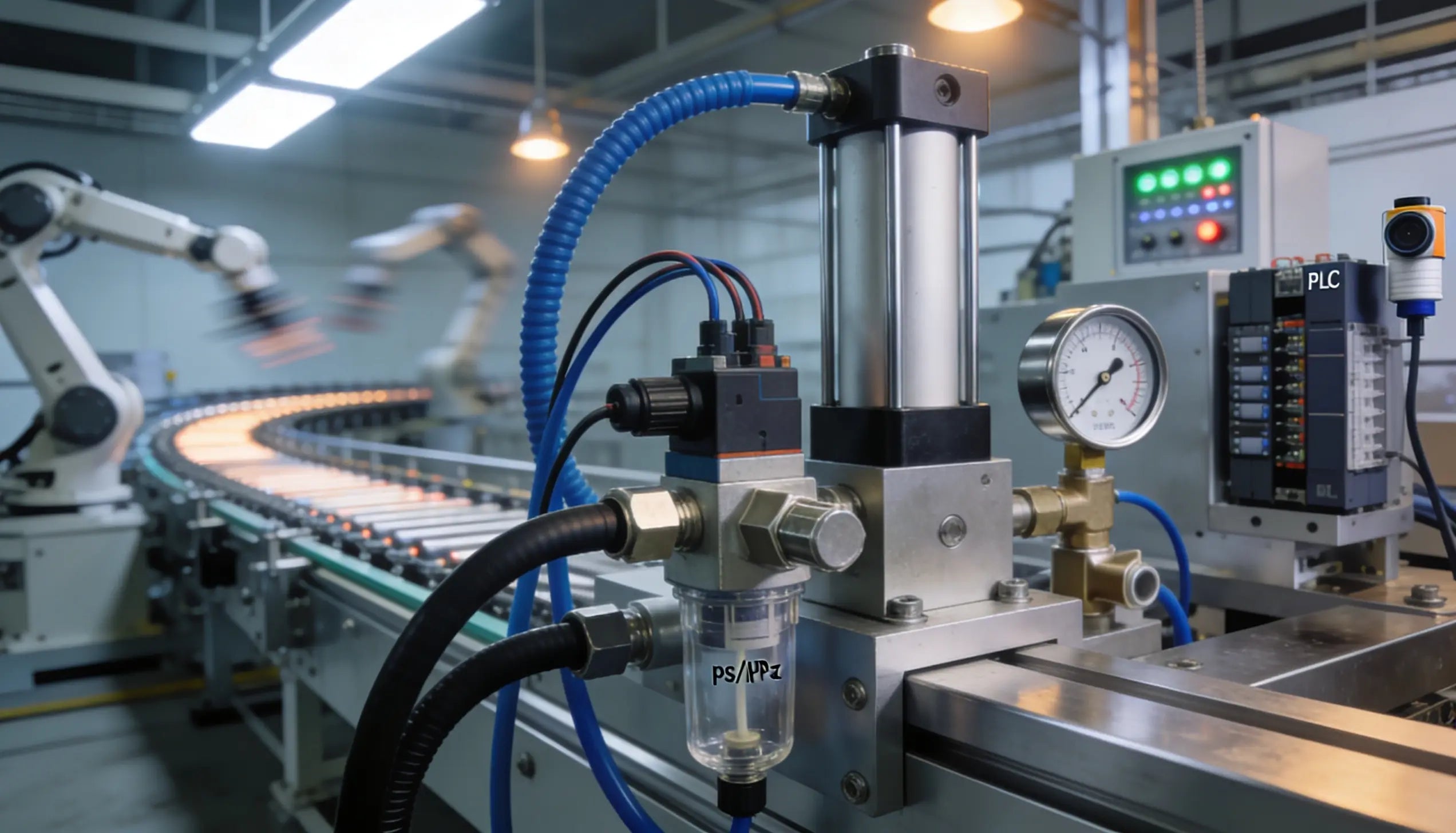
PLC vs. PAC: Navigating Selection in Modern Industrial Automation
Selecting the right controller is a fundamental decision in industrial automation. While the lines between Programmable Logic Controllers (PLC) and Programmable Automation Controllers (PAC) often blur, understanding their core architectural differences is essential for system reliability. Both controllers serve as the brain of control systems, yet their specific capabilities dictate their suitability for various factory automation tasks.
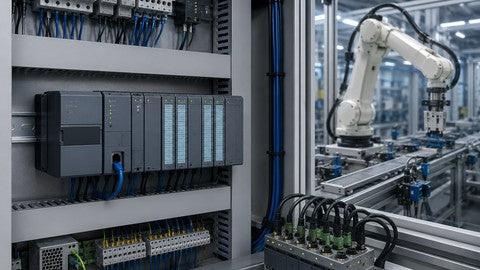
Transforming Textile Manufacturing: The Strategic Integration of Industrial Automation and AI
The textile industry stands at a critical technological crossroads. Legacy operations must now embrace digital transformation to remain competitive in a global market. By integrating advanced industrial automation—ranging from PLC-controlled machinery to sophisticated AI-driven analytics—manufacturers can significantly boost productivity, minimize material waste, and elevate overall product quality.

Navigating Industrial Communication Protocols: A Technical Guide for Modern PLCs
In the realm of industrial automation, the Programmable Logic Controller (PLC) serves as the brain of the factory floor. However, its true power is unlocked through robust communication protocols. These digital pathways ensure seamless data exchange between controllers, sensors, and enterprise-level management systems.