










Product Details
Product Overview
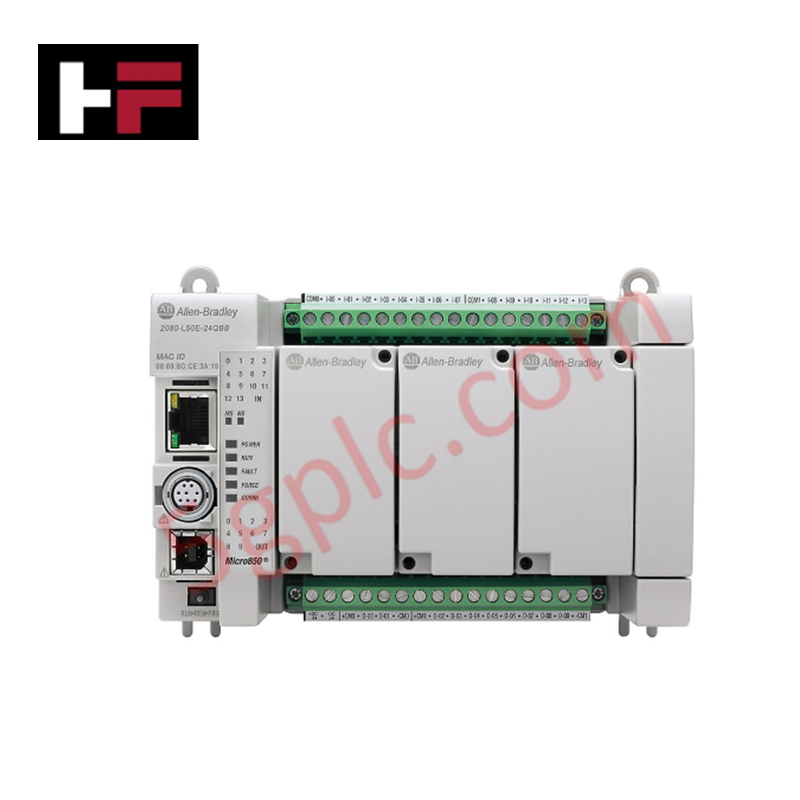
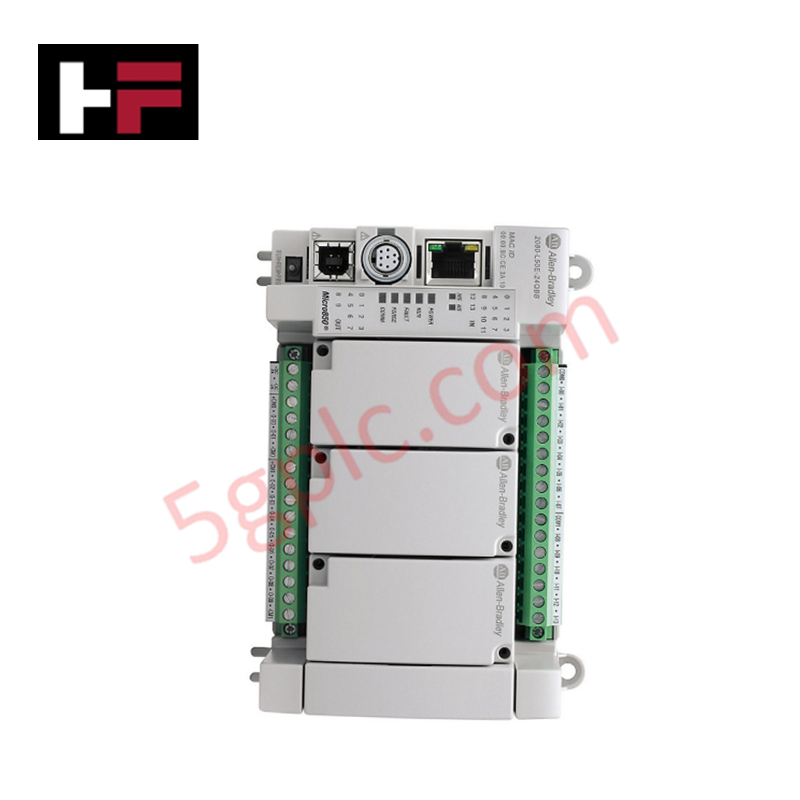
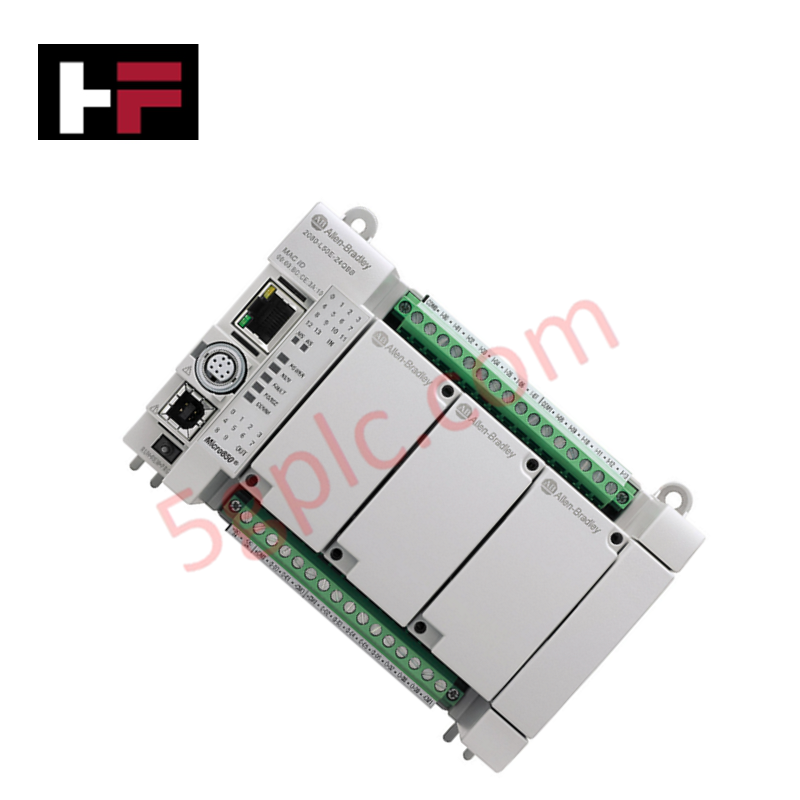
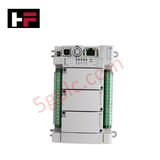
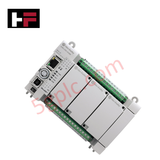
The Allen-Bradley 2080-L50E-24QBB functions as an expanded-connectivity, standalone programmable logic controller (PLC) within the Micro850 hardware ecosystem. This standalone processing engine manages local standalone machinery and system automation loops that require high-speed sequencing, precise embedded inputs, and network scalability.
The integrated expandable plug-in slot bay allows users to customize specialized control modules without increasing the physical machine panel footprint. We distribute this primary processing platform exclusively as a 100% brand new, original factory-sealed unit, which ensures an unblemished internal real-time clock battery, untouched system registers, and clean factory firmware.
Technical Specifications
The table below logs the embedded I/O distributions, electrical ratings, and operational parameters of the 2080-L50E-24QBB controller:
| Parameter | Performance & Industrial Processing Rating |
| Manufacturer | Allen-Bradley / Rockwell Automation |
| Part Number | 2080-L50E-24QBB |
| Product Platform | Micro850 System Portfolio (Enhanced "E" Version) |
| Main Processing Unit Power | 24V DC Internal Supply Line |
| Total Embedded Channels | 24 Digital I/O Points |
| Discrete Inputs | 14 Points (24V AC or 24V DC Operational Range) |
| Discrete Outputs | 10 Points (24V DC Solid-State Transistor Channels) |
| Output Circuit Style | Sourcing (Source Type Configuration) |
| Hardware Expansion Capacity | Supports Embedded Plug-In Options & 2085 I/O Modules |
| Programming Software | Connected Components Workbench (CCW) |
Engineering Advantages
-
Streamlines Plant Integration via Enhanced "E" Ethernet Logic: The built-in Ethernet port on this enhanced "E" model executes native EtherNet/IP communications, allowing direct messaging to PanelView HMIs and Stratix switches. This hardware layer processes rapid data polling and remote diagnostics over long distances, removing the need for slow, standalone serial converters.
-
Eliminates Mechanical Contact Wear via Sourcing Transistors: The 10 embedded 24V DC sourcing transistor outputs operate without mechanical movement. This solid-state architecture switches high-cycle loads like pneumatic solenoid valves, contactor coils, and stack lights millions of times without suffering from point pits, carbon buildup, or contact arcing.
-
Saves Panel Real Estate with Modular Plug-In Slots: The front chassis housing contains space-saving plug-in ports that accept specialized analog, serial, or resistance temperature detector (RTD) modules. This customization design allows technicians to scale up control capabilities inside tiny, shallow field enclosures without adding wide expansion blocks to the side of the main controller.
FAQs
-
What is the operational distinction between this "L50E" controller and an older legacy "L50" model?
The "E" designation indicates enhanced Ethernet communication capabilities, which supports higher connection counts and faster messaging throughput over EtherNet/IP networks. The 2080-L50E-24QBB drops directly into the physical mounting layout of older non-E modules, but it allows more data tags to transmit simultaneously to scada servers and modern HMI systems.
-
Can the 14 digital input channels handle both alternating current and direct current wiring fields?
Yes. The internal optical isolators on the input rail accept both 24V AC and 24V DC signal inputs. This dual-voltage capability allows field engineers to wire 24V AC safety circuit loops alongside standard 24V DC proximity sensors onto the same input block, reducing the need for intermediate interposing relays.
-
How should field technicians configure the power supply wiring to avoid system noise resets?
Technicians must wire a dedicated, regulated 24V DC Class 2 power supply straight to the main power terminals. Route these low-voltage lines away from high-current AC motor leads by a minimum of 3 inches inside wire ways, and always connect a heavy copper wire from the chassis ground terminal lug directly to the panel enclosure's main earth ground bus bar to drain electromagnetic interference (EMI).
Additional Information
- 100% Genuine Parts: All products are original and authentic, ensuring reliable industrial performance.
- 30-Day Refund Guarantee: Return any in-stock item within 30 days in original, unopened packaging for a full refund (excluding shipping and fees).
- 12-Month Warranty: Covers defects in materials or workmanship; excludes misuse, normal wear, or unauthorized modifications.
- Worldwide Shipping: We ship via USPS, UPS, FedEx, and DHL. Delivery times vary by country and may be subject to customs or import fees.
- Support & Contact: Technical and warranty assistance is available anytime. Contact us here: Contact.
- Purchase Guidance: Check product specifications and compatibility carefully before ordering to ensure proper application.
Tech & Buying Guide
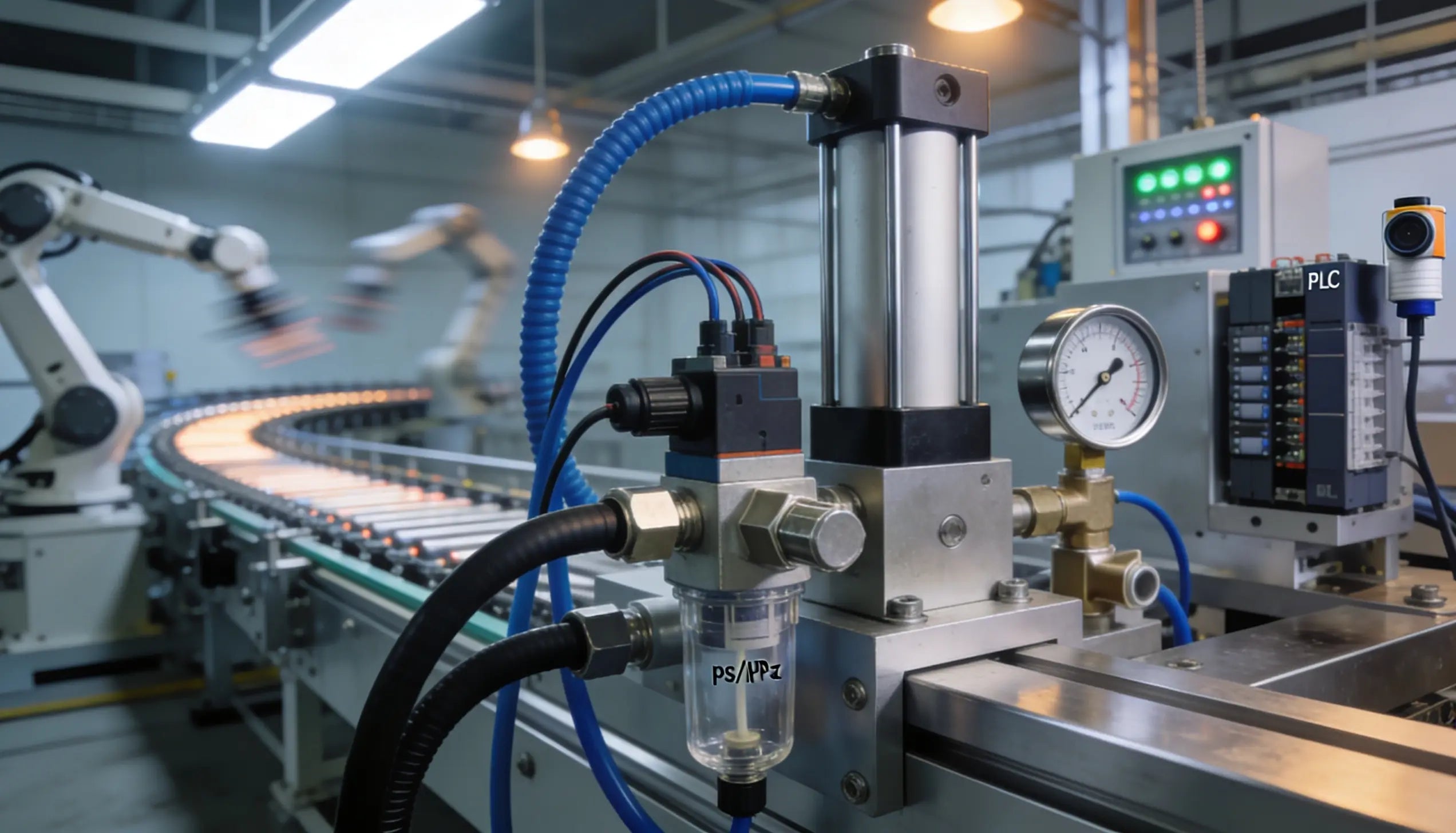
PLC vs. PAC: Navigating Selection in Modern Industrial Automation
Selecting the right controller is a fundamental decision in industrial automation. While the lines between Programmable Logic Controllers (PLC) and Programmable Automation Controllers (PAC) often blur, understanding their core architectural differences is essential for system reliability. Both controllers serve as the brain of control systems, yet their specific capabilities dictate their suitability for various factory automation tasks.
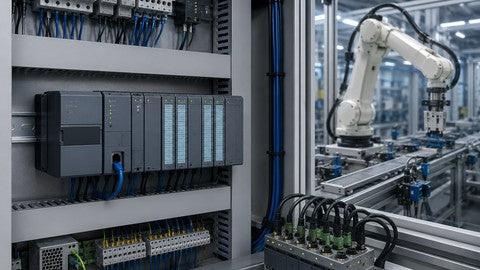
Transforming Textile Manufacturing: The Strategic Integration of Industrial Automation and AI
The textile industry stands at a critical technological crossroads. Legacy operations must now embrace digital transformation to remain competitive in a global market. By integrating advanced industrial automation—ranging from PLC-controlled machinery to sophisticated AI-driven analytics—manufacturers can significantly boost productivity, minimize material waste, and elevate overall product quality.
Navigating Industrial Communication Protocols: A Technical Guide for Modern PLCs
In the realm of industrial automation, the Programmable Logic Controller (PLC) serves as the brain of the factory floor. However, its true power is unlocked through robust communication protocols. These digital pathways ensure seamless data exchange between controllers, sensors, and enterprise-level management systems.