










Product Details
Product Overview
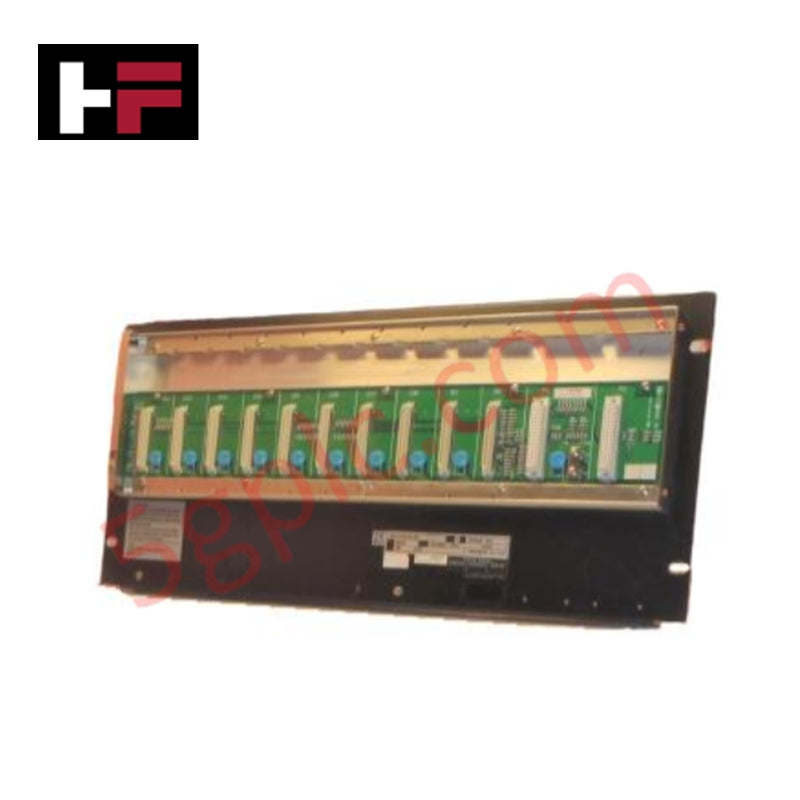
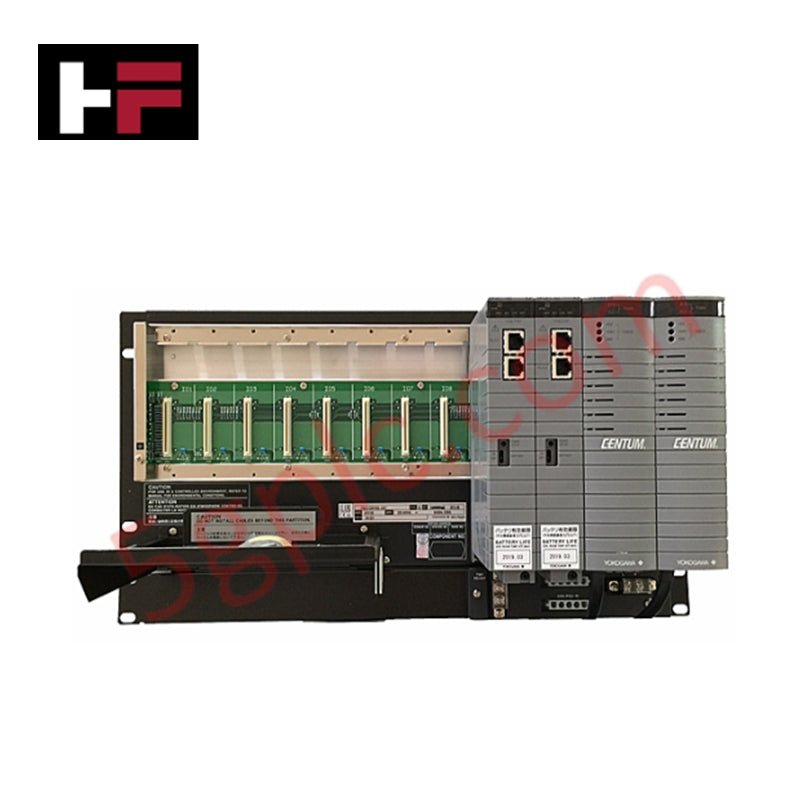
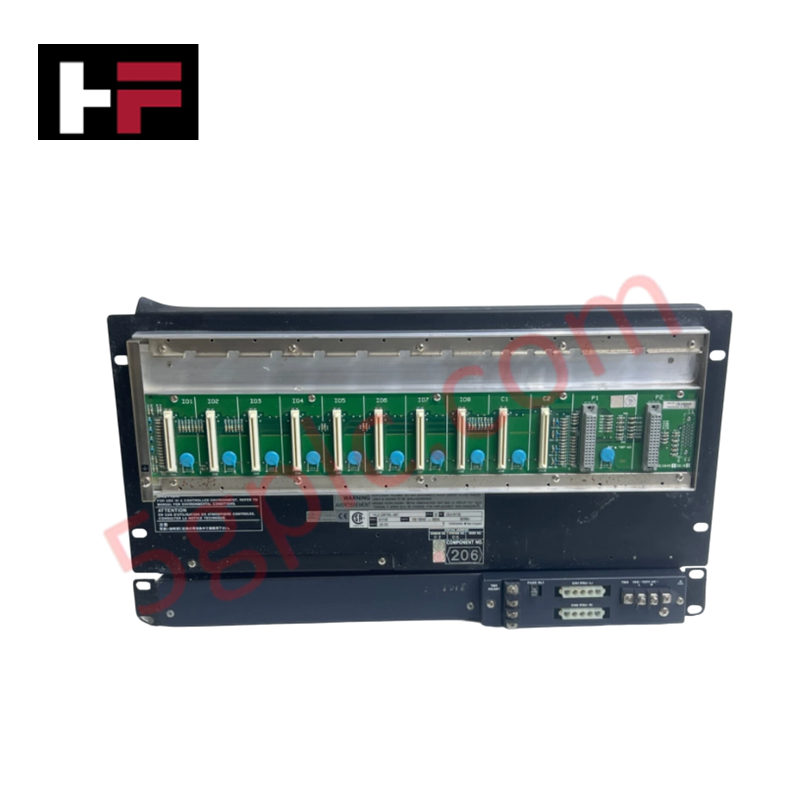
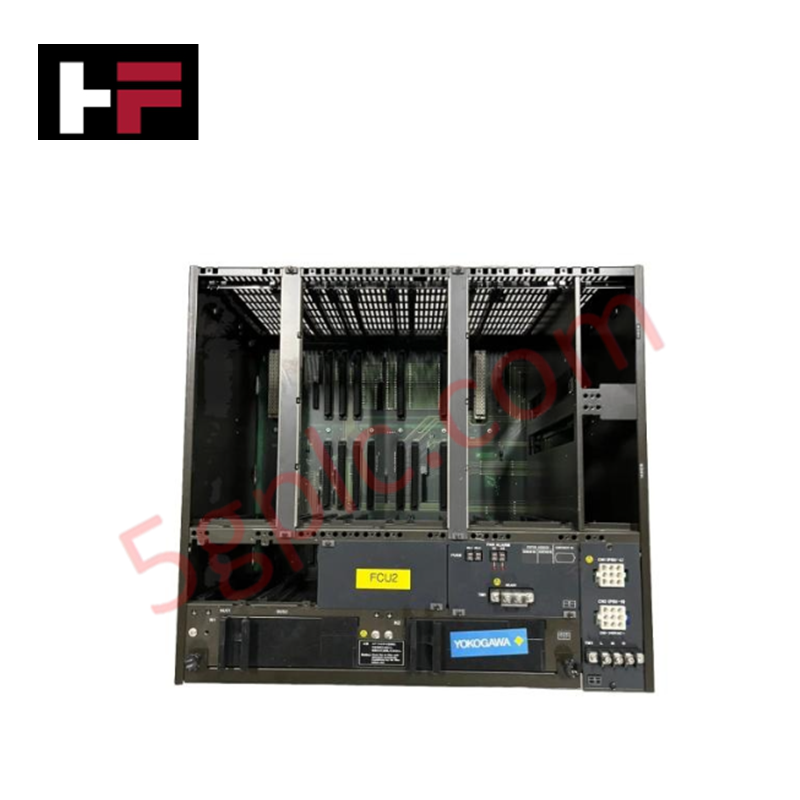
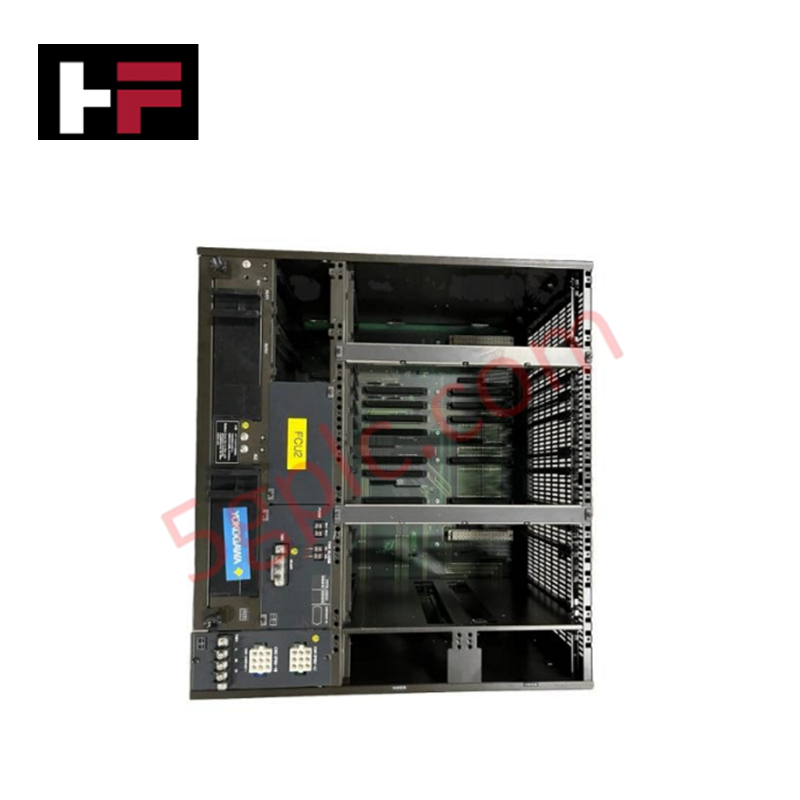
The Yokogawa AFV10D-S41101 serves as the central control node for the CENTUM VP Distributed Control System (DCS). As a Duplicated (Duplexed) Field Control Unit, it is engineered for mission-critical applications where process downtime is not an option. This unit houses the processor modules that execute regulatory control, sequence logic, and data calculation. The "D" prefix signifies its redundant architecture, allowing two CPU modules to operate in parallel; if the primary controller encounters a fault, the secondary unit assumes control instantaneously without affecting the process.
Condition: 100% Brand New and Original Factory Sealed.
Part Number Breakdown: AFV10D-S41101
Yokogawa utilizes a specific suffix code to define the power, mounting, and networking specifications of the FCU:
-
AFV10D: Duplicated Field Control Unit (for Vnet/IP and FIO).
-
-S: Standard type.
-
4: Dual-redundant 100-120 V AC Power Supply.
-
1: 19-inch Rack-mount type.
-
1: Vnet/IP Interface (Standard).
-
0: Always 0.
-
1: Basic hardware revision for optimized processor stability.
Technical Specifications
The AFV10D-S41101 provides the high-speed processing required for modern industrial automation.
-
Processor Type: High-performance RISC processor.
-
Control Network: Vnet/IP (1 Gbps Redundant Ethernet).
-
I/O Bus: FIO (Field Input/Output) bus interface.
-
Memory Protection: Battery-backed RAM for database retention.
-
Power Supply: 100-120 V AC, 50/60 Hz (Dual-redundant).
-
Mounting: Standard 19-inch rack-mount.
-
Max I/O Capacity: Supports thousands of function blocks and sequence tables.
Engineering Advantages
-
Seamless Redundancy (Duplexed): The AFV10D-S41101 is designed for high-availability "Hot Standby" operation. Both CPU modules synchronize data in real-time. In the event of a hardware failure on the active processor, the backup takes over in less than one scan cycle, preventing any "bumps" in the control output.
-
High-Speed Vnet/IP Connectivity: By utilizing a 1 Gbps Vnet/IP network, this controller can communicate massive amounts of data to the Human Machine Interface (HMI) and other control stations with minimal latency. This is critical for large-scale plants with thousands of active loops.
-
FIO System Integration: This FCU acts as the master for Yokogawa’s FIO (Field I/O) modules, such as the ADV151 and ADV551. The local bus architecture ensures rapid data refresh rates between the field sensors and the controller's logic engine.
-
Rugged 19-Inch Design: The rack-mount form factor allows for clean installation within standard industrial cabinets. The internal layout is optimized for natural convection cooling, ensuring long-term reliability of the electronic components.
-
Online Maintenance: Redundant components, including the power supply units and communication cards, are hot-swappable. Maintenance personnel can replace faulty hardware while the plant remains under active control, significantly improving the Mean Time to Repair (MTTR).
FAQs
-
What is the main difference between AFV10D and AFV30D?
The AFV10D is the standard Field Control Unit, whereas the AFV30D is a newer, higher-capacity model. The AFV10D remains a staple for many CENTUM VP installations due to its proven reliability and standard FIO compatibility.
-
Does this unit include the CPU cards (CP461)?
The AFV10D-S41101 specifies the chassis and power configuration. While it is designed to hold the CPU modules (typically CP461), those modules are often listed as separate line items in a complete system build.
-
How often should the backup battery be replaced?
The lithium battery (Part No. S9185FA) preserves the control database during power loss. We recommend a proactive replacement every 3 to 5 years during a scheduled plant turnaround.
-
Can this unit be used in a 220V AC environment?
No. This specific model (suffix "-4") is rated for 100-120 V AC. For 220-240 V AC power environments, you would require the suffix "-2" model.
Additional Information
- 100% Genuine Parts: All products are original and authentic, ensuring reliable industrial performance.
- 30-Day Refund Guarantee: Return any in-stock item within 30 days in original, unopened packaging for a full refund (excluding shipping and fees).
- 12-Month Warranty: Covers defects in materials or workmanship; excludes misuse, normal wear, or unauthorized modifications.
- Worldwide Shipping: We ship via USPS, UPS, FedEx, and DHL. Delivery times vary by country and may be subject to customs or import fees.
- Support & Contact: Technical and warranty assistance is available anytime. Contact us here: Contact.
- Purchase Guidance: Check product specifications and compatibility carefully before ordering to ensure proper application.
Tech & Buying Guide
Mastering Modern Industrial Joystick Controls in Heavy Automation
Industrial joysticks play a pivotal role in human-machine interaction across heavy material handling and mobile hydraulics. These tactile controllers translate complex operator movements into precise electrical signals for PLCs, motion controllers, and DCS networks. Consequently, selecting and installing the right joystick architecture ensures operator safety, reduces fatigue, and optimizes equipment performance.

Navigating Industrial Automation Failures: Types, Causes, and Mitigation Strategies
Modern manufacturing relies heavily on automated control systems to maximize throughput and maintain product quality. However, unplanned downtime in industrial automation can cost facility operators thousands of dollars per hour. Understanding how programmable logic controllers (PLCs), distributed control systems (DCS), and field instrumentation fail empowers engineering teams to implement robust preventive maintenance strategies.
Essential Motion Control Commands: A Practical Guide for Engineers
Automation engineers often rely on precise position and speed control to drive modern factory machinery. Modern industrial systems, such as Programmable Logic Controllers (PLCs) and Distributed Control Systems (DCS), depend heavily on standardized motion instructions. Mastering these commands ensures operational safety, protects mechanical components, and optimizes cycle times across production lines.