










Product Details
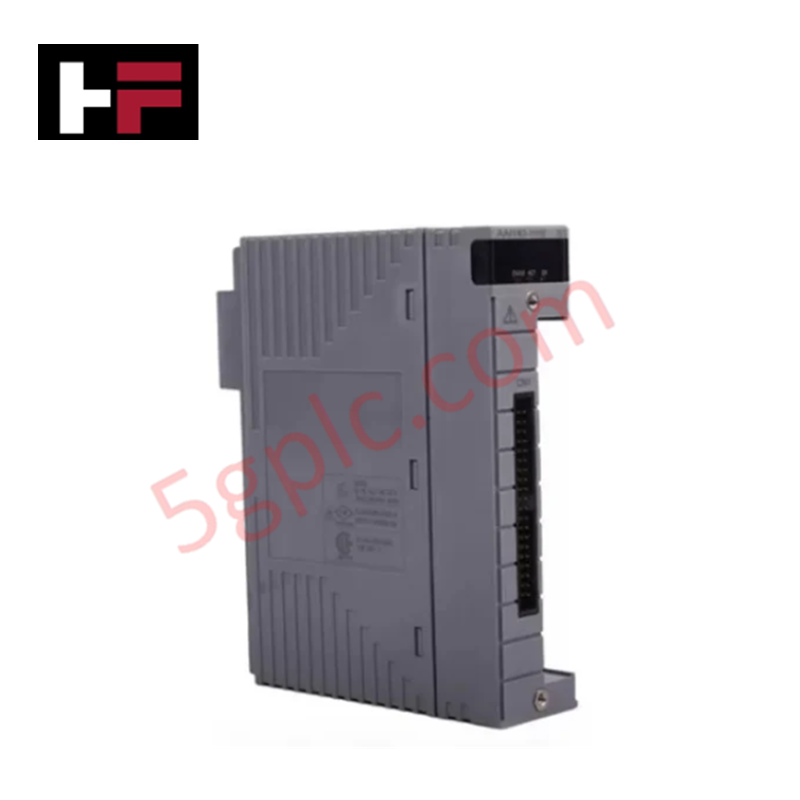
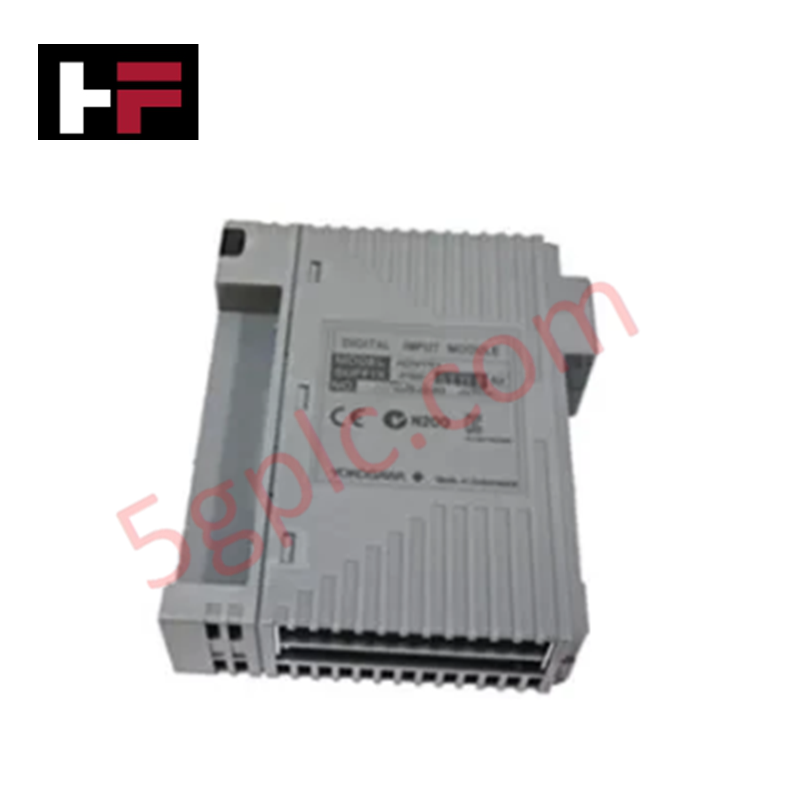
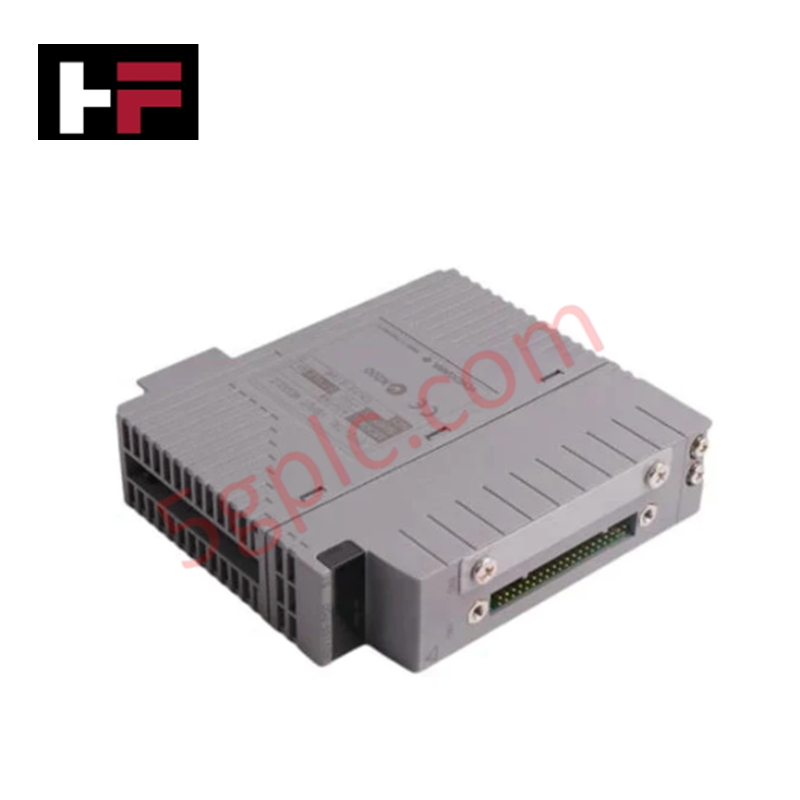
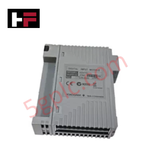
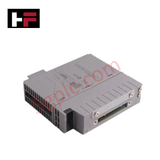
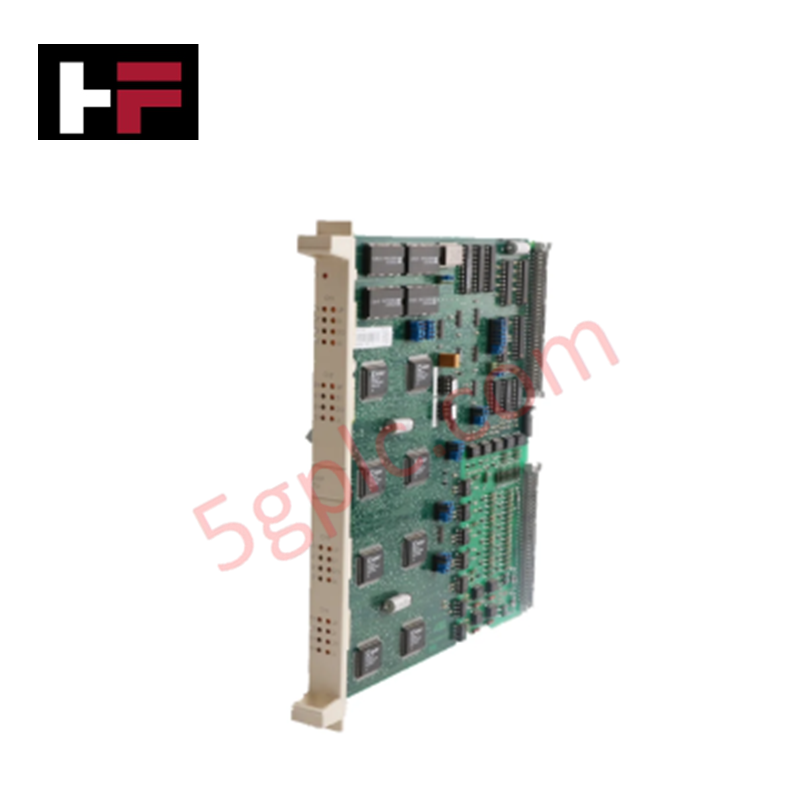
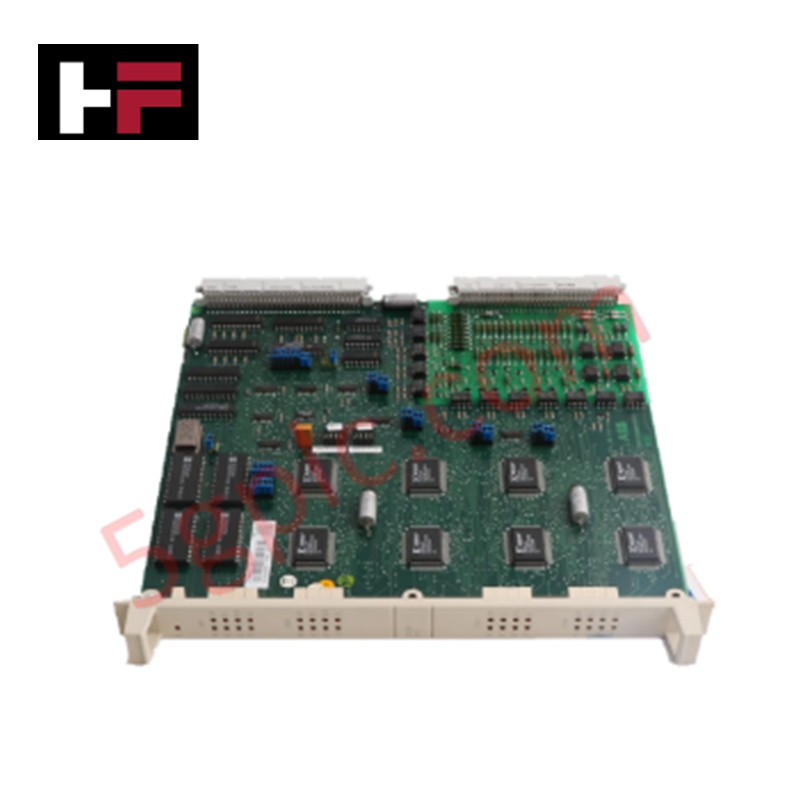
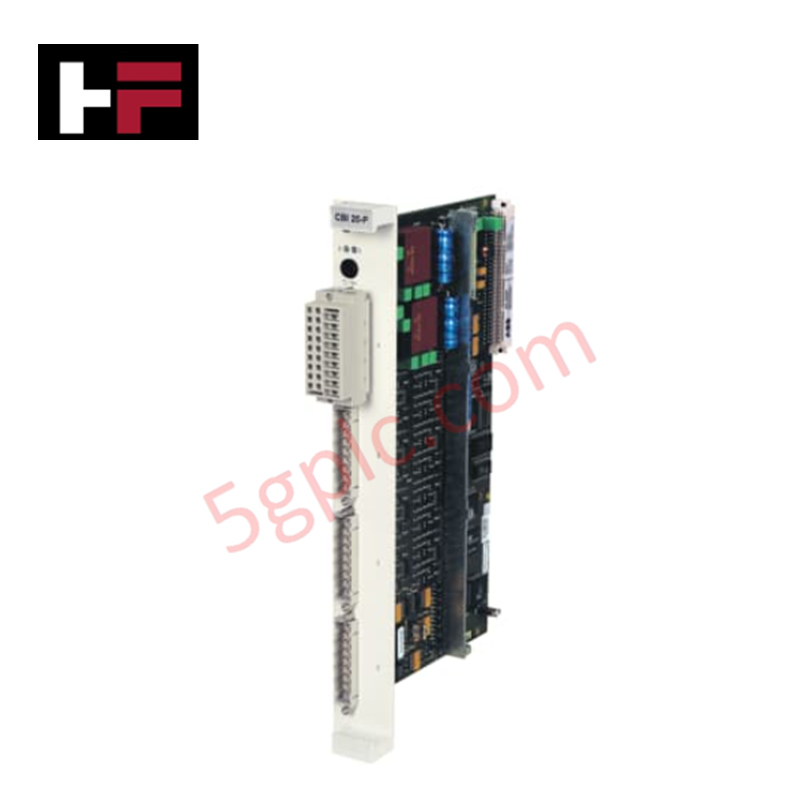
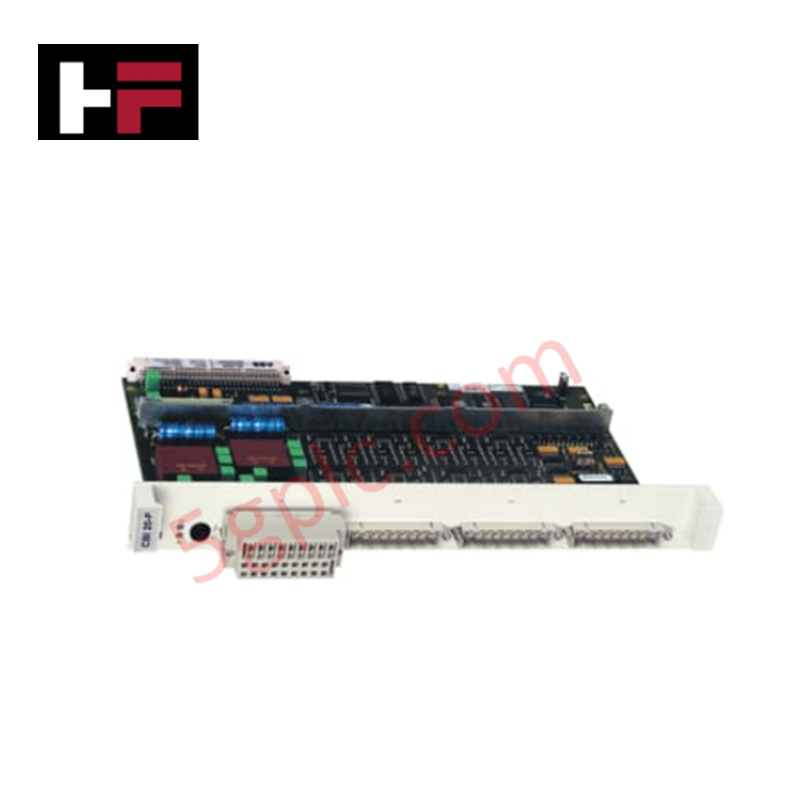
The Yokogawa S9681DB-0 serves as the primary S9681DB Digital Oscilloscope utilized to execute precision electrical signal tracking and diagnostic waveform logging across Yokogawa test instrument platforms. The unit processes high-frequency physical layer signals directly to extract amplitude, frequency, and transient anomalies for local network analysis.
Hardware Specifications
| Parameter | Specification |
|---|---|
| Model | S9681DB-0 |
| Brand | Yokogawa |
| Origin | Japan |
| Weight | Standard benchtop enclosure mass dependent |
| Dimensions | Standard Yokogawa instrument footprint specifications |
| Operating Temp | Standard test laboratory operational limits (refer to base hardware manual) |
| Power Consumption | Subsystem configuration dependent |
| Measurement Type | Multi-channel electrical signal acquisition |
| Interface Type | Dedicated graphical user control interface |
Distributed Control Systems Integration & Signal Isolation
The hardware infrastructure deploys localized hardware physical layers that maintain distinct channel-to-channel isolation parameters across internal instrumentation channels and external sensor connections. This high-impedance input architecture limits transient voltage feedback from penetrating core logic processors, preventing diagnostic circuit degradation during long-term signal tracking. This configuration minimizes signal cross-talk across sensitive analog paths, protecting the integrity of adjacent low-voltage data networks and preserving standard 4-20 mA HART loop protocol parameters present in connected loop setups.
Frequently Asked Questions
Q: How does the channel-to-channel isolation architecture protect internal hardware components during common-mode voltage surges?
A: The instrument implements distinct physical insulation barriers across its multi-channel analog front-end. This design isolates each signal path from the internal computing core and neighboring ports, ensuring a voltage spike on one input probe does not cascade into adjacent measurement channels.
Q: What are the primary backplane integration and firmware constraints for this model configuration?
A: The hardware operates with pre-configured internal sampling logic matched to the S9681DB baseline firmware matrix. Any physical node expansion or direct data mapping to Distributed Control Systems (DCS) nodes requires matching communication baud rates and parity registers within the instrument network interface.
Field Installation Guidelines
- Enclosure Placement and Airflow Routing: Mount the instrument on a flat, stable surface within a temperature-controlled cabinet or workbench. Maintain open paths around the chassis exhaust ports to allow natural heat dissipation and prevent localized internal thermal bottlenecks.
- Probe Shielding and Grounding Standards: All coaxial test probe shields must connect to a verified, low-impedance master ground block. Avoid routing input signal cables parallel to high-voltage AC motor lines or variable frequency drive conductors to prevent electromagnetic interference.
- Terminal Stress Avoidance: Ensure external input lines are supported by mechanical strain reliefs before insertion. Avoid applying lateral tension to front-panel connectors to maintain full physical structural alignment and prevent connector pin degradation.
Additional Information
- 100% Genuine Parts: All products are original and authentic, ensuring reliable industrial performance.
- 30-Day Refund Guarantee: Return any in-stock item within 30 days in original, unopened packaging for a full refund (excluding shipping and fees).
- 12-Month Warranty: Covers defects in materials or workmanship; excludes misuse, normal wear, or unauthorized modifications.
- Worldwide Shipping: We ship via USPS, UPS, FedEx, and DHL. Delivery times vary by country and may be subject to customs or import fees.
- Support & Contact: Technical and warranty assistance is available anytime. Contact us here: Contact.
- Purchase Guidance: Check product specifications and compatibility carefully before ordering to ensure proper application.

Tech & Buying Guide

Transforming Shop Floor Data into Actionable Insights: A Deep Dive into MES
Manufacturing Execution Systems serve as the digital backbone of modern factory floors. Positioned at Level 3 of the ISA-95 automation pyramid, MES links enterprise resource planning with real-time shop floor control systems. Today, industrial operators rely on MES software to bridge operational strategy with physical production execution.
Managed Switch vs. Unmanaged Switch: Industrial Ethernet Architecture

Hot Standby vs. Cold Standby Redundancy in Industrial Automation
System availability determines process safety and productivity in industrial automation. Control engineers deploy redundancy to eliminate single points of failure. This technical guide evaluates Hot Standby vs. Cold Standby architectures, comparing failover speeds, memory sync, cost trade-offs, and field selection criteria.